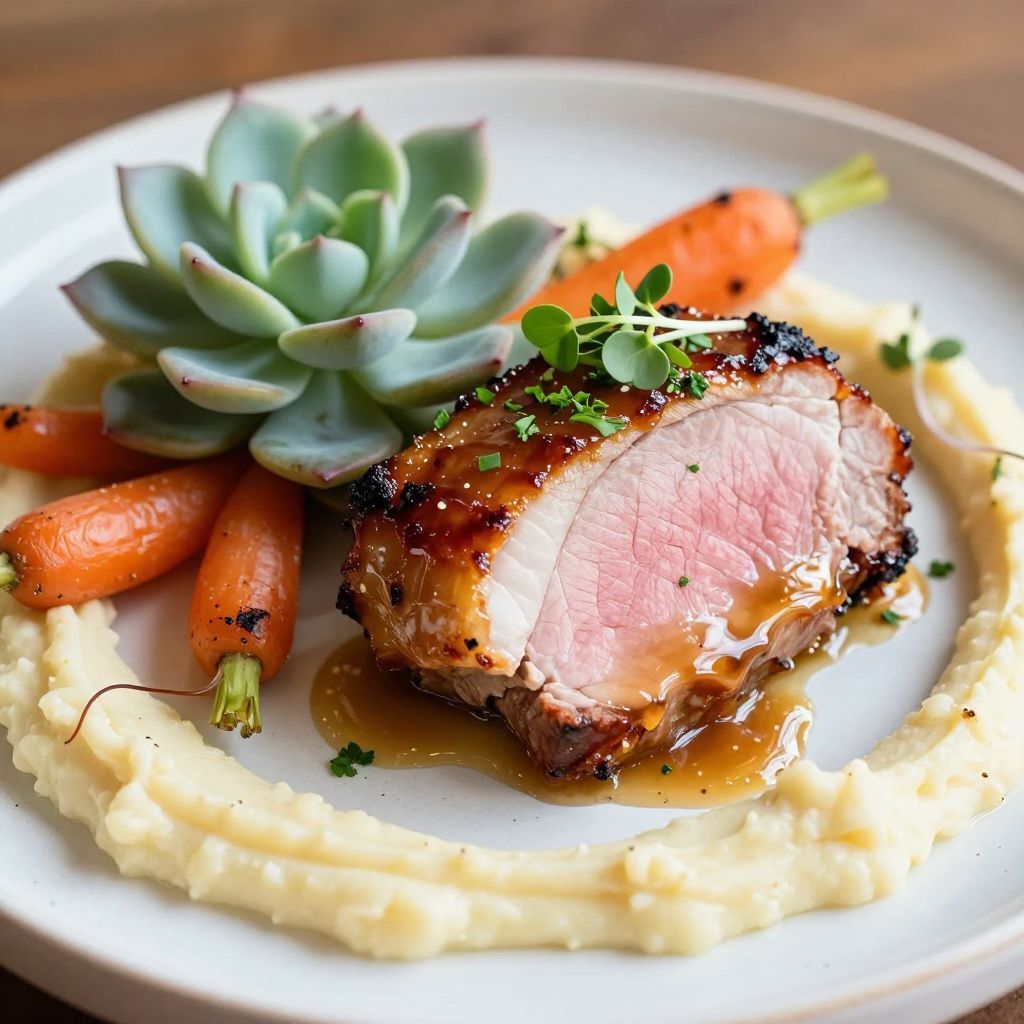
The smell of smoke curling off a pork loin on the grill at dawn is the sound of a weekend well spent, even if it’s just in your imagination until you actually make this dish. Smoked pork loin delivers restaurant-quality tenderness and flavor that feels fancy but comes together with minimal fuss.
This recipe shines because it requires only basic equipment, a handful of spices, and patience rather than constant attention. The meat emerges impossibly juicy, wrapped in a savory bark that cracks when you slice into it, making it the kind of dish that impresses without demanding hours of your day.
Whether you’re feeding a crowd or meal-prepping for the week ahead, this pork loin adapts beautifully to any occasion. Let’s walk through how to nail it every single time.
Why You’ll Love This Recipe
A smoked pork loin hits all the marks for home cooks hunting for something that tastes indulgent but doesn’t require babysitting. The finished product is tender, flavorful, and genuinely impressive without being difficult.
- Lean meat that stays moist when smoked low and slow
- A flavorful bark develops from the rub without any fuss
- Works perfectly for meal prep, dinner parties, or casual weeknight cooking
- Pairs with nearly any side dish from simple greens to hearty potatoes
- Leftovers make exceptional sandwiches and grain bowls
My Experience Making This Recipe
I first smoked a pork loin on a whim after a neighbor mentioned his was “game-changing,” and I’ll admit I was skeptical. Most store-bought versions taste like cardboard wrapped in plastic, so I expected the worst.
What surprised me was how quickly the process moved and how the rub created this caramelized crust while the interior stayed perfectly pink and juicy. The smoke ring appeared without any special tricks, and my family actually asked for seconds without prompting.
Now I smoke pork loin roughly once a month, rotating the rub flavors and sides depending on the season. It’s become my go-to dinner for impressing people because it looks and tastes like I spent all day cooking when I really spent maybe three hours with about twenty minutes of hands-on time.
Recipe Overview
- Recipe Name: Smoked Pork Loin
- Servings: 6 to 8
- Prep Time: 15 minutes
- Cook Time: 2 to 2.5 hours
- Total Time: 3 hours
- Course: Main
- Cuisine: American
- Calories per Serving: 285
Equipment You Will Need
- Smoker or offset smoker barrel
- Meat thermometer
- Large cutting board
- Small mixing bowl for the rub
- Aluminum foil
- Wood chips (oak, hickory, or apple)
- Tongs or meat fork
- Sharp knife for slicing
Ingredients for Smoked Pork Loin
- Pork loin: 4 to 5 pounds, untrimmed
- Kosher salt: 2 tablespoons
- Black pepper: 1 tablespoon, coarsely ground
- Brown sugar: 2 tablespoons
- Garlic powder: 1 tablespoon
- Paprika: 1 tablespoon
- Onion powder: 1 teaspoon
- Cayenne pepper: 1/2 teaspoon
- Dried thyme: 1 teaspoon
- Wood chips: 2 handfuls, soaked for 30 minutes
Ingredient Notes and Substitutions
- Pork loin: The loin is the leanest cut available, staying tender when smoked slowly. Pork butt works but requires longer cooking and delivers more fat; choose it only if you want a different texture and have extra time.
- Kosher salt: It dissolves evenly across the meat and doesn’t clump like table salt. Sea salt works in a pinch but use slightly less since it’s denser.
- Brown sugar: It caramelizes during cooking and adds subtle sweetness to the bark. White sugar works identically; maple sugar adds deeper notes if you want variation.
- Paprika: Hungarian or Spanish paprika both work; Spanish brings earthiness while Hungarian adds slight heat. Regular paprika is fine but lacks the color and flavor depth.
- Wood chips: Oak and hickory offer classic smoke flavor; apple is milder and slightly sweet. Cherry adds complexity but can overpower if used alone; mix it with oak for balance.
How to Make Smoked Pork Loin
Step 1: Prepare the Pork Loin
Remove the pork loin from the refrigerator 30 minutes before smoking so the meat reaches room temperature. This ensures even cooking throughout and prevents the exterior from burning while the interior stays cold.
Step 2: Mix Your Dry Rub
Combine the kosher salt, black pepper, brown sugar, garlic powder, paprika, onion powder, cayenne, and thyme in a small bowl. Stir thoroughly so the ingredients distribute evenly and no clumps of brown sugar remain.
Step 3: Apply the Rub Generously
Place the pork loin on a cutting board and massage the entire surface with the dry rub, pressing gently so it adheres. Don’t be shy; a thick rub is what creates that flavorful bark you’re after.
Step 4: Set Up Your Smoker
Fill your smoker with briquettes or charcoal and light them, aiming for a temperature of 225 to 250 degrees Fahrenheit. Add the soaked wood chips to the fire, allowing smoke to build before placing the meat inside.
Step 5: Place the Loin in the Smoker
Once the smoker stabilizes at temperature and smoke is rolling, place the rubbed pork loin on the grates, fat side up. Position it away from direct heat if your smoker has hot spots, ensuring even cooking.
Step 6: Smoke Without Opening the Door
Let the pork smoke for the first 90 minutes without lifting the lid, as opening it drops temperature and adds time. Your patience here directly impacts how quickly the meat cooks and how well the bark develops.
Step 7: Check Temperature and Wrap if Needed
After 90 minutes, insert a meat thermometer into the thickest part of the loin without touching bone, looking for an internal temperature of 140 degrees Fahrenheit. If the exterior looks too dark, wrap the loin loosely in aluminum foil to slow the bark development and protect it from burning.
Step 8: Continue Smoking to Final Temperature
Keep the loin in the smoker until the internal temperature reaches 145 degrees Fahrenheit, which takes roughly 30 to 60 more minutes depending on thickness. Remove the meat from the smoker and transfer it to a cutting board.
Step 9: Rest Before Slicing
Let the pork rest for 10 minutes before slicing, allowing the juices to redistribute throughout the meat. Cutting immediately releases those juices onto the board instead of keeping them in each slice.
Pro Tip: Insert your thermometer horizontally into the middle of the loin rather than from the end, giving you the truest reading of the coldest part of the meat.
Tips for the Best Smoked Pork Loin
- Keep your smoker temperature steady between 225 and 250 degrees; fluctuations add cooking time and can create uneven results. Use a quality thermometer mounted on your smoker to monitor this closely.
- Don’t skip the 30-minute rest after removing the meat from smoke; this step is what keeps your slices juicy. The difference is genuinely noticeable.
- Choose a pork loin with a fat cap rather than trimmed versions, as that fat protects the meat and adds flavor during cooking. Ask your butcher to leave it on or visit a quality butcher instead of the supermarket section.
- Soaking your wood chips beforehand slows their burn rate and extends smoke production throughout cooking. Dry chips ignite too fast and produce less smoke overall.
- Slice against the grain once the meat cools slightly, which makes each bite more tender. Look at the muscle fibers and cut perpendicular to them.
Common Mistakes to Avoid
- Smoking at temperatures above 275 degrees risks drying the lean meat before the bark develops properly. Patience wins here; lower and slower yields better results.
- Opening the smoker repeatedly to check on the meat adds 15 to 20 minutes of total cooking time and wastes the steady temperature you’ve built. Trust your thermometer and your timing.
- Using untrimmed supermarket meat instead of asking your butcher for a cut with the fat cap left on creates a drier final product. Fat is flavor, and it protects the meat from the heat.
- Skipping the rest period and slicing immediately causes the juices to run out onto the board instead of staying in the meat. Those few minutes matter.
- Applying too much rub actually hides the natural pork flavor under heavy spice; use a moderate hand and trust that less is often more.
Serving Suggestions
A smoked pork loin pairs beautifully with side dishes that either complement its richness or cut through it with acidity. Think about what makes sense for your crowd and the occasion.
- Creamed corn or mac and cheese for a comforting, indulgent plate
- A crisp coleslaw or vinegar-based salad to balance the smoke and richness
- Roasted root vegetables like sweet potatoes and carrots for earthy sweetness
- Simple grilled asparagus with lemon and garlic for something light
- Buttered dinner rolls or cornbread to soak up any pan drippings
Variations to Try
- Maple and Bourbon Rub: Replace the brown sugar with maple sugar and add 1 teaspoon of smoked paprika plus a pinch of cayenne for heat, creating a deeper, more complex bark with subtle sweetness from the maple.
- Coffee-Rubbed Loin: Mix 1 tablespoon of finely ground coffee into your dry rub to add earthiness and bitterness that amplifies the smoke flavor without tasting like coffee.
- Herb-Forward Version: Double the thyme and add 1 teaspoon each of dried rosemary and oregano for a Mediterranean twist that plays beautifully with oak smoke.
- Spicy Mustard Paste: Mix your dry rub with 3 tablespoons of Dijon mustard to create a paste that adheres better and adds tangy complexity to the bark.
- Asian-Inspired Glaze: Brush the loin with a mixture of soy sauce, ginger, garlic, and honey during the final 30 minutes of smoking for a sweet and savory finish.
Dietary Adaptations
- Gluten-Free: This recipe is naturally gluten-free, but verify that your spice blends and any sauces don’t contain hidden gluten; most pure spices are safe.
- Dairy-Free: Smoked pork loin requires no dairy, making it ideal for dairy-free diets; choose vegetable-based sides instead of cream-based ones.
- Vegan/Vegetarian: No substitution truly replaces smoked pork, but cauliflower steaks or portobello mushrooms can be rubbed and smoked using the same technique and rub for similar results.
- Low-Carb/Keto: This recipe is already low-carb with only 2 grams of carbohydrates per serving; pair it with fatty sides like buttered vegetables instead of sugary ones.
Storage and Reheating
Refrigerator
Slice or cube the cooled pork loin and store it in an airtight container for up to 4 days. The meat stays moist and develops even deeper flavor as it sits.
- Keep it in the coldest part of your refrigerator away from other foods
- Store any meat juices separately and use them to moisten the meat when reheating
Freezer
Wrap sliced or whole pork loin in plastic wrap, then place it in a freezer bag, removing as much air as possible before sealing. It keeps for up to 3 months frozen.
- Thaw overnight in the refrigerator before reheating
- Frozen loin thaws more evenly when cut into smaller portions
Reheating
The gentlest reheating method is low oven heat wrapped in foil at 275 degrees for 10 to 15 minutes until warmed through. Alternatively, place slices in a skillet over medium heat with a splash of broth or water for 3 to 5 minutes.
- Avoid microwaving, which dries the meat quickly
- Adding reserved pan drippings or broth keeps the meat moist during reheating
Nutrition Information
| Nutrient | Amount |
|---|---|
| Calories | 285 |
| Total Fat | 12g |
| Saturated Fat | 4.5g |
| Carbohydrates | 2g |
| Fiber | 0g |
| Sugar | 1g |
| Protein | 38g |
| Sodium | 520mg |
| Cholesterol | 95mg |
These values are calculated for an 8-serving portion using a 5-pound pork loin with standard USDA nutritional data. Actual values vary based on the exact cut, fat content, and any additional glazes or sauces applied during cooking.
Frequently Asked Questions
Can I smoke a pork loin on a gas grill instead of a dedicated smoker?
Yes, you can use a gas grill by setting up a smoke box filled with soaked wood chips on one side and the loin on the other, keeping the burner under the chips at medium heat. The results won’t be identical because gas grills don’t hold smoke as well as offset smokers, but you’ll still get decent flavor.
How do I know when the pork is done without a thermometer?
Use a meat thermometer; there’s honestly no reliable way to judge doneness by touch or appearance alone. An instant-read thermometer costs under 20 dollars and eliminates guesswork.
What if my pork loin is smaller or larger than 5 pounds?
For every additional pound, add roughly 15 to 20 minutes of cooking time at 225 to 250 degrees, and subtract 15 to 20 minutes for each pound under 5. Always rely on internal temperature rather than timing, since every smoker and loin is different.
Can I prepare the rub the night before and apply it in the morning?
Yes, you can rub the loin up to 12 hours ahead; the salt in the rub begins curing the meat slightly, which actually improves texture. Wrap it loosely in plastic and refrigerate, then remove it 30 minutes before smoking.
What’s the difference between pork loin and pork tenderloin?
Loin is larger, tougher, and better suited to smoking because it has more fat and stays moist longer. Tenderloin is smaller, more tender, and cooks quickly; it’s better for roasting or pan-searing rather than smoking.
Final Thoughts
A smoked pork loin proves that impressive cooking doesn’t demand a complicated recipe or all-day effort. Three hours from start to table beats any takeout option while tasting dramatically better.
Give this recipe a try this weekend, taste how the smoke and spice work together, and you’ll understand why smoked pork becomes a regular rotation in any home cook’s playbook. Your smoker is waiting for you.
Smoked Pork Loin

Restaurant-quality smoked pork loin with a savory bark and juicy interior. This recipe requires minimal fuss and delivers tender, flavorful meat perfect for any occasion from dinner parties to meal prep.
- Smoker or offset smoker barrel
- Meat thermometer
- Large cutting board
- Small mixing bowl for the rub
- Aluminum foil
- Wood chips (oak, hickory, or apple)
- Tongs or meat fork
- Sharp knife for slicing
Main
- 4 to 5 pounds pork loin (untrimmed)
- 2 tablespoons kosher salt
- 1 tablespoon black pepper (coarsely ground)
- 2 tablespoons brown sugar
- 1 tablespoon garlic powder
- 1 tablespoon paprika
- 1 teaspoon onion powder
- 1/2 teaspoon cayenne pepper
- 1 teaspoon dried thyme
- 2 handfuls wood chips (soaked for 30 minutes)
- Remove the pork loin from the refrigerator 30 minutes before smoking so the meat reaches room temperature. This ensures even cooking throughout and prevents the exterior from burning while the interior stays cold.
- Combine the kosher salt, black pepper, brown sugar, garlic powder, paprika, onion powder, cayenne, and thyme in a small bowl. Stir thoroughly so the ingredients distribute evenly and no clumps of brown sugar remain.
- Place the pork loin on a cutting board and massage the entire surface with the dry rub, pressing gently so it adheres. Don’t be shy; a thick rub is what creates that flavorful bark you’re after.
- Fill your smoker with briquettes or charcoal and light them, aiming for a temperature of 225 to 250 degrees Fahrenheit. Add the soaked wood chips to the fire, allowing smoke to build before placing the meat inside.
- Once the smoker stabilizes at temperature and smoke is rolling, place the rubbed pork loin on the grates, fat side up. Position it away from direct heat if your smoker has hot spots, ensuring even cooking.
- Let the pork smoke for the first 90 minutes without lifting the lid, as opening it drops temperature and adds time. Your patience here directly impacts how quickly the meat cooks and how well the bark develops.
- After 90 minutes, insert a meat thermometer into the thickest part of the loin without touching bone, looking for an internal temperature of 140 degrees Fahrenheit. If the exterior looks too dark, wrap the loin loosely in aluminum foil to slow the bark development and protect it from burning.
- Keep the loin in the smoker until the internal temperature reaches 145 degrees Fahrenheit, which takes roughly 30 to 60 more minutes depending on thickness. Remove the meat from the smoker and transfer it to a cutting board.
- Let the pork rest for 10 minutes before slicing, allowing the juices to redistribute throughout the meat. Slice against the grain once the meat cools slightly for maximum tenderness.
Keep your smoker temperature steady between 225 and 250 degrees for best results. Insert your thermometer horizontally into the middle of the loin rather than from the end for the truest reading. Choose a pork loin with a fat cap for added flavor and moisture. Leftovers can be stored in an airtight container in the refrigerator for up to 4 days or frozen for up to 3 months.