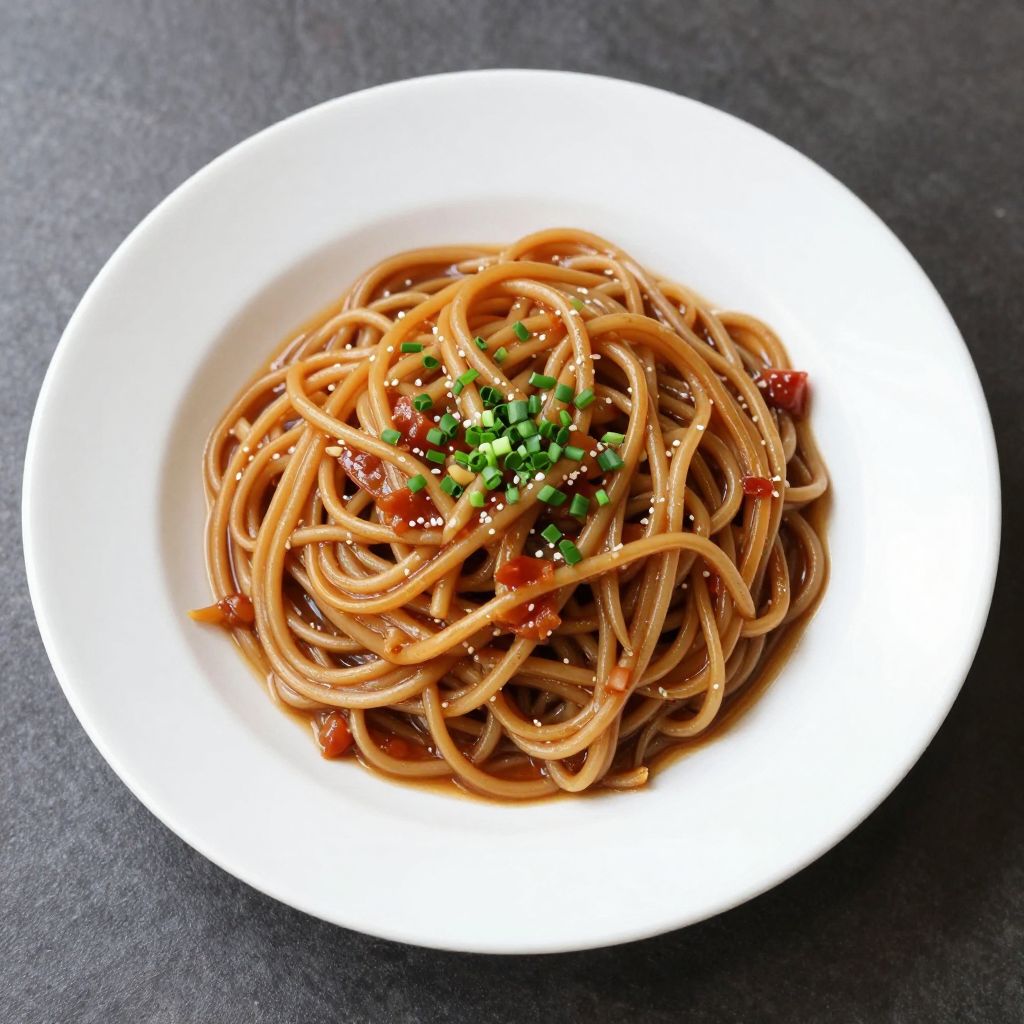
The smell of griot sizzling in hot oil, with garlic and Scotch bonnet peppers filling your kitchen, is a dead giveaway that something incredible is about to happen. This Haitian classic transforms humble pork into crispy, tender, citrus-marinated perfection that tastes like a celebration in every bite.
Griot is special because it balances bold Caribbean flavors with a cooking technique that delivers maximum texture and flavor absorption. The meat marinates in a punch of lime juice, orange, garlic, and spices, then gets fried until the edges are dark and crackling while the inside stays juicy.
Why You’ll Love This Recipe
This dish brings restaurant-quality results to your home kitchen with straightforward steps and ingredients you can find at any grocery store. The combination of citrus brightness and savory depth makes it crave-worthy, and it works for weeknight dinners, meal prep, or feeding a crowd.
- Bold, complex flavors from lime, orange, garlic, and Scotch bonnet heat.
- Crispy exterior and tender interior from the marinating and frying technique.
- Versatile enough to serve with rice, in sandwiches, or as an appetizer.
- Marinates overnight, so you prep ahead and cook when you’re ready.
- Feeds 4 to 6 people affordably using budget-friendly pork shoulder.
My Experience Making This Recipe
I first made griot after a trip to Port-au-Prince, where I watched a street vendor work their magic over a charcoal brazier. The marinated pork was piled high in a metal container, and customers lined up for paper cones filled with crispy, juicy pieces.
My kitchen smelled incredible after the first batch came out of the oil, golden and crackling. The family devoured it faster than I could plate it, and my partner asked me to make it twice the following week.
The key insight came when I realized the marinating time was non-negotiable; it’s not just about flavor but also about tenderizing the pork shoulder so it stays moist even after frying. Respecting that overnight rest makes all the difference between good griot and unforgettable griot.
Recipe Overview
- Recipe Name: Haitian Griot (Crispy Marinated Pork)
- Servings: 4 to 6 people
- Prep Time: 20 minutes, plus overnight marinating
- Cook Time: 15 minutes
- Total Time: 24 hours and 35 minutes
- Course: Main Course
- Cuisine: Haitian
- Calories per Serving: 420 calories
Equipment You Will Need
- Large mixing bowl for marinating.
- Sharp chef’s knife or cleaver for cutting pork.
- Zester or microplane for citrus zest.
- Citrus juicer or reamer.
- Heavy-bottomed pot or Dutch oven at least 5 quarts.
- Deep-fry or candy thermometer.
- Slotted spoon or wire spider for removing fried pork.
- Paper towels and a sheet pan for draining oil.
- Wooden spoon for stirring.
Ingredients for Griot
For the Pork and Marinade
- 2.5 pounds pork shoulder, cut into 1.5-inch cubes.
- 1 cup fresh lime juice, about 8 to 10 limes.
- 0.5 cup fresh orange juice, about 2 to 3 oranges.
- 8 garlic cloves, minced.
- 1 Scotch bonnet pepper or habanero, whole (optional but recommended).
- 2 teaspoons sea salt.
- 1 teaspoon black pepper.
- 1 teaspoon dried thyme.
- 0.5 teaspoon ground allspice.
- 3 scallions, chopped.
For Frying
- 3 to 4 cups neutral oil (vegetable, canola, or peanut oil) for deep frying.
Ingredient Notes and Substitutions
- Pork Shoulder: This cut has enough fat to stay moist during frying and absorbs the marinade beautifully. If unavailable, pork butt works equally well, though it may need an extra 2 to 3 hours of marinating time to match the texture.
- Fresh Lime and Orange Juice: The citrus acids tenderize the pork and add the signature bright flavor. Bottled juice lacks freshness and will produce a noticeably flat result, so freshly squeezed is worth the effort.
- Scotch Bonnet Pepper: This adds authentic heat and fruity undertones but is optional if you’re heat-sensitive. Substitute a habanero or jalapeño for milder results, or omit entirely for zero spice.
- Allspice: A signature Caribbean spice that adds warmth and complexity. Regular all-purpose seasoning or a pinch of cinnamon can substitute, though the flavor profile shifts slightly.
- Neutral Oil: Choose an oil with a high smoke point above 400 degrees Fahrenheit. Peanut oil adds subtle flavor, while canola keeps the pork’s flavors front and center.
How to Make Griot
Step 1: Prepare the Pork
Trim excess fat from the pork shoulder, leaving a thin layer for moisture and flavor. Cut the meat into roughly 1.5-inch cubes, aiming for uniform size so everything cooks and marinates evenly.
Step 2: Juice Your Citrus
Roll your limes and oranges on the counter under your palm to release the juices, then squeeze them fresh into a bowl. You want about 1 cup of lime juice and 0.5 cup of orange juice; this ratio balances tartness with sweetness.
Step 3: Build the Marinade Base
Pour the fresh citrus juice into a large mixing bowl, then add your minced garlic, salt, pepper, dried thyme, allspice, and chopped scallions. Whisk these ingredients together until the salt dissolves completely.
Step 4: Add Heat (Optional but Recommended)
Place your whole Scotch bonnet pepper into the marinade without piercing it; this keeps the heat level controlled while infusing the flavors throughout. If you prefer less heat, skip this step, or substitute a milder pepper and slice it to increase intensity.
Step 5: Marinate the Pork Overnight
Add the pork cubes to the marinade, stirring to coat every piece evenly. Cover the bowl and refrigerate for at least 12 hours, ideally overnight; this extended time tenderizes the meat and allows the citrus and spices to penetrate deeply.
Step 6: Remove Pork and Pat Dry
Remove the pork from the refrigerator about 30 minutes before cooking to allow it to come closer to room temperature. Using a slotted spoon, transfer the pork pieces to a clean sheet pan lined with paper towels and pat them dry thoroughly; moisture on the surface prevents proper crisping and causes dangerous oil splattering.
Step 7: Heat Your Oil
Pour 3 to 4 cups of neutral oil into your heavy-bottomed pot and attach a deep-fry thermometer. Heat the oil to exactly 350 degrees Fahrenheit; this temperature crisps the exterior without drying the inside or burning the meat.
Step 8: Fry in Batches
Working in batches of about 8 to 10 pieces at a time, carefully add the pork to the hot oil and fry for 5 to 7 minutes until deeply golden brown and crispy on all sides. Avoid overcrowding, which lowers the oil temperature and creates greasy results instead of crispy exteriors.
Step 9: Drain and Rest
Use a slotted spoon to transfer each batch to a fresh sheet pan lined with paper towels, allowing the excess oil to drain. Let the griot rest for 3 to 5 minutes before serving; this allows the residual heat to finish cooking the center while the exterior stays crisp.
Pro Tip: Keep your oil temperature consistent by waiting 2 to 3 minutes between batches for the temperature to recover; rushing leads to greasy, soggy results that betray all your marinating work.
Tips for the Best Griot
- Use fresh citrus juice, not bottled; the difference in flavor and tenderizing power is dramatic and worth the 5 extra minutes of squeezing.
- Pat the pork completely dry before frying; any moisture creates splattering and prevents the crispy golden crust that defines great griot.
- Maintain your oil temperature at 350 degrees Fahrenheit; use a thermometer and be patient between batches to let the oil recover.
- Cut your pork into uniform 1.5-inch cubes so everything fries at the same rate and reaches the perfect balance of crispy outside and tender inside.
- Don’t skip the overnight marinating; this step is what transforms ordinary pork into the tender, flavorful centerpiece of the dish.
- Reserve a small amount of the marinade to drizzle over the finished griot as a finishing sauce if desired; this adds brightness to every bite.
Common Mistakes to Avoid
- Using bottled citrus juice strips away the complexity and freshness that defines authentic griot; the acid content is also weaker, leaving pork less tender.
- Skipping the full overnight marinating time shortcuts flavor development and leaves the pork tough and dry after frying.
- Frying in batches that are too large drops the oil temperature too far, resulting in greasy, soggy pieces instead of crispy ones.
- Cutting pork into uneven sizes means some pieces finish cooking while others are still raw inside or overdone on the outside.
- Piercing the Scotch bonnet pepper spreads heat unevenly throughout the marinade and can make the entire batch too spicy to enjoy.
Serving Suggestions
Griot shines on its own or paired with traditional sides that balance its bold, rich flavors. A squeeze of fresh lime juice right before eating brightens every bite and adds a finishing touch that feels restaurant-quality.
- Served over white rice or jasmine rice with red beans for a classic Haitian plate.
- Piled into soft tortillas or flatbread with cabbage slaw and fresh cilantro for casual griot tacos.
- On a platter with fried plantain slices and avocado for a celebratory spread.
- Stuffed into a crusty sandwich roll with pickled vegetables and hot sauce for a griot po’ boy.
- Served with djon djon rice and a simple green salad for an elevated presentation.
Variations to Try
- Citrus-Ginger Griot: Add 2 tablespoons of fresh grated ginger to the marinade for warmth and subtle spice that complements the citrus beautifully.
- Smoky Griot: Replace half the orange juice with pineapple juice and add 1 teaspoon of smoked paprika to the marinade for depth and subtle sweetness.
- Herb-Forward Griot: Double the thyme and add 1 tablespoon of fresh cilantro and 1 teaspoon of dried oregano to the marinade for an herbaceous edge.
- Spicy Griot: Add 1 to 2 sliced habanero peppers directly to the marinade instead of whole to build serious heat throughout the pork.
- Brown Sugar Griot: Add 2 tablespoons of brown sugar to the marinade for a slight sweetness that balances the citrus acidity and adds complexity.
Dietary Adaptations
- Gluten-Free: Griot is naturally gluten-free as written; just verify your spices contain no hidden additives or processing agents on the label.
- Dairy-Free: This recipe contains no dairy, so it’s fully dairy-free without any modifications needed.
- Vegan/Vegetarian: Substitute extra-firm tofu or hearty mushrooms like king oyster, cutting them into chunks and marinating for 8 hours instead of overnight for best results.
- Low-Carb/Keto: Griot fits perfectly into low-carb eating; skip the rice and serve with cauliflower rice or roasted vegetables instead.
Storage and Reheating
Refrigerator
Store leftover griot in an airtight container for up to 3 days. The pork stays moist and flavorful, and the marinade flavors continue to deepen even after cooking.
- Keep pork separate from the cooking oil for easier reheating.
- Store any remaining marinade in a separate sealed container if you want to serve it as a sauce.
Freezer
Griot freezes beautifully for up to 2 months when stored in a freezer-safe container or heavy-duty freezer bag. Thaw overnight in the refrigerator before reheating for best texture.
- Freeze uncooked marinated pork for up to 1 month, then fry directly from the refrigerator without thawing if needed.
Reheating
Reheat griot in a 350-degree Fahrenheit oven for 8 to 10 minutes until warmed through, which restores the crispy exterior better than microwaving. Alternatively, warm it briefly in a skillet over medium heat with a light drizzle of oil, turning occasionally to prevent sticking.
- Never microwave griot, as it steams the crispy coating into a soggy mess.
- Reheat in small batches to prevent cooling the entire batch unevenly.
Nutrition Information
| Nutrient | Amount |
|---|---|
| Calories | 420 |
| Total Fat | 28 grams |
| Saturated Fat | 9 grams |
| Carbohydrates | 3 grams |
| Fiber | 0 grams |
| Sugar | 2 grams |
| Protein | 38 grams |
| Sodium | 520 milligrams |
| Cholesterol | 125 milligrams |
These values are approximate and based on USDA data for pork shoulder, fresh citrus, and oil absorption during frying. Actual nutrition varies based on exact pork trim level and how much oil each piece absorbs during cooking.
Frequently Asked Questions
Can I marinate griot for longer than overnight?
Yes, you can safely marinate for up to 48 hours; the pork becomes even more tender and flavorful. Beyond 48 hours, the citrus acid can start breaking down the meat too much, affecting the texture negatively.
What if I don’t have a deep-fry thermometer?
Drop a small cube of bread into the oil; if it browns in about 60 seconds, the temperature is roughly correct. A thermometer is more reliable, but this visual test works in a pinch.
Can I bake or air-fry griot instead of deep-frying?
You can air-fry at 400 degrees Fahrenheit for 12 to 15 minutes for a healthier alternative, though you’ll lose some of the crispy exterior. Baking doesn’t work as well because it doesn’t develop the same crust.
Why does my griot taste greasy even after draining?
Your oil temperature likely dropped too much between batches or you overcrowded the pot. Maintain 350 degrees Fahrenheit and fry in smaller batches for crispy, not greasy, results.
Can I make griot without the Scotch bonnet pepper?
Absolutely; simply omit it for a milder, less spicy version. You’ll still get bold Caribbean flavor from the citrus, garlic, and spices, just without the heat component.
Is griot traditionally served hot or at room temperature?
Griot is best enjoyed hot or warm straight from the frying pan when the exterior is crispiest. However, leftover griot at room temperature is still delicious, making it great for meal prep and packed lunches.
Final Thoughts
Making griot at home transforms your kitchen into a Caribbean celebration, filling the space with aromas that transport you straight to Haiti. This recipe proves that authentic, restaurant-quality cooking doesn’t require fancy techniques or hard-to-find ingredients, just respect for the process and quality components.
The overnight marinating, careful oil temperature management, and attention to detail create griot that rivals street vendors and island restaurants. Give yourself permission to make this a few times; each batch teaches you something new about achieving that perfect balance of crispy, tender, and bursting with bright citrus flavor.
Haitian Griot (Crispy Marinated Pork)

This Haitian classic transforms pork shoulder into crispy, tender, citrus-marinated perfection. The meat marinates overnight in lime juice, orange, garlic, and spices, then gets fried until the edges are dark and crackling while the inside stays juicy.
- Large mixing bowl for marinating
- Sharp chef’s knife or cleaver
- Zester or microplane
- Citrus juicer or reamer
- Heavy-bottomed pot or Dutch oven (at least 5 quarts)
- Deep-fry or candy thermometer
- Slotted spoon or wire spider
- Paper towels and sheet pan
- Wooden spoon
For the Pork and Marinade
- 2.5 pounds pork shoulder (cut into 1.5-inch cubes)
- 1 cup fresh lime juice (about 8 to 10 limes)
- 0.5 cup fresh orange juice (about 2 to 3 oranges)
- 8 garlic cloves (minced)
- 1 Scotch bonnet pepper or habanero (whole (optional but recommended))
- 2 teaspoons sea salt
- 1 teaspoon black pepper
- 1 teaspoon dried thyme
- 0.5 teaspoon ground allspice
- 3 scallions (chopped)
For Frying
- 3 to 4 cups neutral oil (vegetable, canola, or peanut oil for deep frying)
- Trim excess fat from the pork shoulder, leaving a thin layer for moisture and flavor. Cut the meat into roughly 1.5-inch cubes, aiming for uniform size so everything cooks and marinates evenly.
- Roll your limes and oranges on the counter under your palm to release the juices, then squeeze them fresh into a bowl. You want about 1 cup of lime juice and 0.5 cup of orange juice.
- Pour the fresh citrus juice into a large mixing bowl, then add your minced garlic, salt, pepper, dried thyme, allspice, and chopped scallions. Whisk these ingredients together until the salt dissolves completely.
- Place your whole Scotch bonnet pepper into the marinade without piercing it; this keeps the heat level controlled while infusing the flavors throughout. If you prefer less heat, skip this step.
- Add the pork cubes to the marinade, stirring to coat every piece evenly. Cover the bowl and refrigerate for at least 12 hours, ideally overnight; this extended time tenderizes the meat and allows the citrus and spices to penetrate deeply.
- Remove the pork from the refrigerator about 30 minutes before cooking to allow it to come closer to room temperature. Using a slotted spoon, transfer the pork pieces to a clean sheet pan lined with paper towels and pat them dry thoroughly.
- Pour 3 to 4 cups of neutral oil into your heavy-bottomed pot and attach a deep-fry thermometer. Heat the oil to exactly 350 degrees Fahrenheit.
- Working in batches of about 8 to 10 pieces at a time, carefully add the pork to the hot oil and fry for 5 to 7 minutes until deeply golden brown and crispy on all sides. Avoid overcrowding the pot.
- Use a slotted spoon to transfer each batch to a fresh sheet pan lined with paper towels, allowing the excess oil to drain. Let the griot rest for 3 to 5 minutes before serving.
Use fresh citrus juice, not bottled. Pat the pork completely dry before frying. Maintain oil temperature at 350 degrees Fahrenheit. Don’t skip the overnight marinating. Wait 2 to 3 minutes between batches for the oil temperature to recover. Serve with white rice and red beans, fried plantains, or in tacos with cabbage slaw.