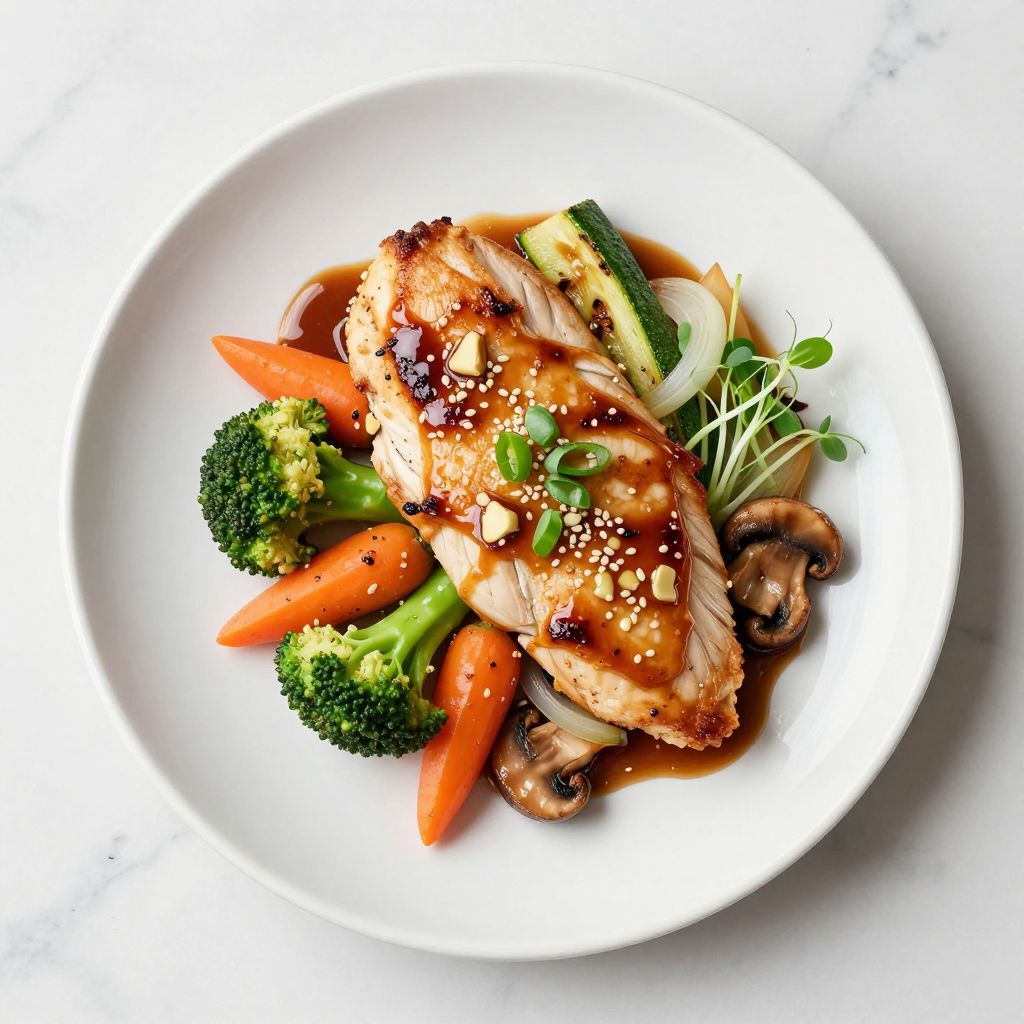
Picture yourself sitting at a hibachi grill, watching the chef’s knife hit the hot steel in rhythmic clicks while that glossy, caramel-colored sauce gets drizzled across your vegetables and protein with theatrical flair. Hibachi sauce is the star of that show, and the good news is you can make it at home in minutes with just a handful of pantry staples.
This recipe captures the essence of Japanese steakhouse magic without requiring special equipment or hard-to-find ingredients. The sauce is savory, slightly sweet, and has just enough umami depth to make everything it touches taste better.
You’ll love how versatile this sauce is: it works on grilled chicken, beef, shrimp, vegetables, fried rice, or noodles. Once you nail this recipe, you’ll find yourself reaching for it constantly.
Why You’ll Love This Recipe
This hibachi sauce delivers restaurant-quality flavor at home with minimal fuss. It comes together in under five minutes and tastes remarkably close to what you pay fifteen dollars for at a steakhouse.
- Ready in under 5 minutes with no cooking required
- Uses common pantry ingredients you probably already have
- Works with any protein, vegetable, or grain
- Makes enough for multiple servings and stores well
- Tastes better than most bottled hibachi sauces on the market
My Experience Making This Recipe
I first made this sauce on a whim after disappointing myself with a bottled version that tasted like sweetened soy sauce and nothing more. I dug through my pantry for butter, garlic, and what other ingredients steakhouses seemed to use, and my first batch was close enough to make me stop ordering takeout.
The magic moment came when I cooked it on a flat-top griddle and watched it caramelize just slightly, developing a deeper color and more complex flavor. My kids actually asked for seconds of grilled vegetables for the first time ever, which tells you something about how good this sauce makes everything taste.
I’ve since made it for dinner parties, weeknight meals, and even bottled it as gifts. People always ask for the recipe, and I’m always happy to share because it feels like a small hack to make home cooking feel special.
Recipe Overview
- Recipe Name: Hibachi Sauce
- Servings: Makes about 1 cup (8 servings)
- Prep Time: 5 minutes
- Cook Time: 3 minutes (optional, for cooking on griddle)
- Total Time: 8 minutes
- Course: Condiment / Sauce
- Cuisine: Japanese Steakhouse Style
- Calories per Serving: 85
Equipment You Will Need
- Small mixing bowl
- Whisk or fork
- Measuring spoons and cups
- Small saucepan (optional, if cooking the sauce)
- Flat-top griddle or skillet (optional)
Ingredients for Hibachi Sauce
- Soy sauce: 1/2 cup
- Butter: 4 tablespoons (1/2 stick), unsalted
- Garlic: 4 cloves, minced
- Mirin (sweet rice wine): 3 tablespoons
- Apple cider vinegar: 1 tablespoon
- Sesame oil: 1 teaspoon
- White pepper: 1/4 teaspoon
- Ginger: 1/2 teaspoon, minced (fresh or ground)
- Salt: 1/4 teaspoon, or to taste
Ingredient Notes and Substitutions
- Soy sauce: Provides the core umami and salty base that makes this sauce taste authentic. You can use tamari if you need it gluten-free, though the flavor will be slightly different.
- Butter: Creates the richness and helps the sauce coat food beautifully. Ghee works as a substitute and adds a slightly nutty depth.
- Mirin: Adds sweetness and a glossy finish to the sauce. Honey, maple syrup, or brown sugar can replace it in a 1:1 ratio, though mirin has a more delicate sweetness.
- Garlic: Brings aromatic depth and savory complexity. Garlic powder (1 teaspoon) works in a pinch but fresh garlic is strongly preferred.
- Sesame oil: Contributes a subtle nutty finish that elevates the sauce. You can skip it or increase it to 1.5 teaspoons if you prefer a more pronounced sesame flavor.
- Apple cider vinegar: Adds a slight tang that balances sweetness and prevents the sauce from tasting one-dimensional. Rice vinegar or white vinegar work as substitutes.
How to Make Hibachi Sauce
Step 1: Measure and Gather Your Ingredients
Pull out all your ingredients and measure them before you start mixing. This takes thirty seconds and prevents you from scrambling halfway through or accidentally doubling an ingredient.
Step 2: Mince Your Garlic and Ginger
Use fresh garlic for this sauce because garlic powder can taste slightly metallic in a raw sauce. If you’re using fresh ginger, remove the skin with a spoon and mince it finely so it distributes evenly throughout the sauce.
Step 3: Combine Soy Sauce, Mirin, and Vinegar
Pour the soy sauce, mirin, and apple cider vinegar into a small mixing bowl. Whisk them together so the ingredients blend and you don’t have pockets of one flavor overpowering another.
Step 4: Add Garlic, Ginger, and Sesame Oil
Stir in your minced garlic, ginger, and sesame oil to the liquid mixture. Whisk well so the garlic is suspended throughout the sauce and doesn’t clump at the bottom.
Step 5: Season with Pepper and Salt
Add white pepper and salt, then taste the sauce as you go. You can always add more salt, but you can’t take it out, so start conservative and adjust to your preference.
Step 6: Add Butter for Richness
Cut the butter into small cubes and whisk it into the sauce at room temperature. If the butter doesn’t fully incorporate, you have two options: use it as-is (the emulsion will form on the hot griddle), or gently warm the mixture over low heat while whisking constantly until smooth.
Step 7: Taste and Adjust Seasoning
Take a spoon and taste the sauce carefully. Does it need more garlic, sweetness, or saltiness? This is your moment to fine-tune the flavor before you serve it.
Step 8: Use Immediately or Store
If you’re serving the sauce right away on a hot griddle, pour it directly onto your cooking surface and watch it caramelize beautifully. If you’re making it ahead, transfer it to a jar and refrigerate until you’re ready to use it.
Pro Tip: Cook the sauce on a hot flat-top griddle or cast iron skillet for 2-3 minutes to bring out deeper caramel notes and create a thicker, more luxurious texture that clings to your food better.
Tips for the Best Hibachi Sauce
- Use freshly minced garlic instead of garlic powder for a brighter, more authentic flavor that tastes restaurant-quality.
- Don’t skip the sesame oil, even though it’s only a teaspoon, because it adds a subtle depth that makes people wonder what the secret ingredient is.
- If your sauce tastes too sweet, add a pinch more apple cider vinegar or a tiny splash of soy sauce to balance it out.
- Make a double batch and keep it in the refrigerator for up to two weeks so you can quickly add it to weeknight meals.
- For the glossiest, most dramatic presentation, cook the sauce on a hot griddle in front of your guests and let them smell the caramelization.
- Whisk the sauce again before each use because the butter and liquids may separate slightly during storage.
Common Mistakes to Avoid
- Using garlic powder instead of fresh garlic: Powdered garlic can taste bitter or metallic in a raw sauce, so stick with the fresh stuff.
- Skipping the apple cider vinegar: Without it, the sauce tastes one-dimensional and overly sweet, so this ingredient really earns its place.
- Adding cold butter directly to hot ingredients: Cold butter won’t blend smoothly, so either keep everything at room temperature or warm the sauce gently while whisking.
- Making the sauce too far ahead: The garlic flavor actually intensifies over time, so if you make it more than a few hours early, taste it again before serving and adjust the seasoning.
- Using low-sodium soy sauce without adjusting salt: Low-sodium versions taste noticeably different, so if you use them, start with less additional salt.
Serving Suggestions
This sauce shines on grilled proteins and vegetables, but it’s honestly good on almost anything with a bit of heat. Serve it warm or at room temperature depending on what you’re cooking.
- Drizzle over grilled steak, chicken, or shrimp right after they come off the grill
- Toss with fried rice or noodles for an instant steakhouse-style fried rice
- Brush on grilled vegetables like zucchini, mushrooms, and broccoli
- Use as a dipping sauce for grilled chicken skewers or dumplings
- Pour over a hot griddle with eggs and vegetables for a hibachi-style breakfast scramble
Variations to Try
- Spicy Hibachi Sauce: Add 1/4 to 1/2 teaspoon of sriracha or red pepper flakes for a kick that complements the savory-sweet base without overwhelming it.
- Ginger-Forward Version: Double the ginger to 1 teaspoon for a more pronounced Asian flavor that pairs beautifully with seafood and lighter proteins.
- Wasabi Hibachi Sauce: Stir in 1/2 teaspoon of wasabi paste for a pungent, sinus-clearing heat that the traditionalists at the steakhouse would appreciate.
- Brown Butter Hibachi Sauce: Toast the butter in a small pan until it turns nutty and golden before whisking it into the other ingredients for richer, more complex flavor.
- Citrus Version: Add the zest and juice of one lime or lemon to brighten the sauce and make it more refreshing, especially on lighter proteins like fish or shrimp.
Dietary Adaptations
- Gluten-Free: Use tamari or certified gluten-free soy sauce instead of regular soy sauce, and verify that your mirin is gluten-free (some brands contain barley).
- Dairy-Free: Replace the butter with vegan butter or coconut oil in equal amounts, though coconut oil will add a subtle coconut note.
- Vegan and Vegetarian: This recipe is already vegan if you use vegan butter as your substitute, so no additional changes needed.
- Low-Carb and Keto: Replace mirin with monk fruit sweetener or erythritol at half the amount, as these sweeteners are more concentrated than mirin.
Storage and Reheating
Refrigerator
Store the sauce in an airtight glass jar or container in the refrigerator where it keeps for up to two weeks. The butter and sauce may separate slightly, which is completely normal.
- Let the sauce come to room temperature before using if you prefer a thinner consistency
- Whisk or shake the jar before each use to recombine the ingredients
- The garlic flavor intensifies over time, so taste it again before serving and adjust seasoning if needed
Freezer
You can freeze hibachi sauce for up to three months in an airtight container or ice cube trays. Freeze it in ice cube trays so you can thaw individual portions as needed.
- Leave a quarter-inch of headspace in the container so the sauce has room to expand as it freezes
- Label the container with the date so you know when you made it
- Thaw in the refrigerator overnight rather than at room temperature
Reheating
Thawed sauce reheats beautifully on a hot griddle or in a small saucepan over medium heat. Warm it gently while stirring occasionally so the butter doesn’t separate.
- On the griddle: Pour the sauce directly onto a hot flat-top and let it bubble gently for one to two minutes
- In a saucepan: Heat over medium heat, stirring constantly, for two to three minutes until steaming
- Don’t boil the sauce aggressively, as high heat can break the emulsion
Nutrition Information
| Nutrient | Amount |
|---|---|
| Calories | 85 |
| Total Fat | 6g |
| Saturated Fat | 3.5g |
| Carbohydrates | 7g |
| Fiber | 0g |
| Sugar | 5g |
| Protein | 1g |
| Sodium | 740mg |
| Cholesterol | 15mg |
These values are estimates based on standard ingredients and do not account for variations in brands or preparation methods. If you have specific dietary needs, verify the nutrition information on your ingredient labels.
Frequently Asked Questions
Can I Make This Sauce Without Mirin?
Yes, you can replace mirin with honey, maple syrup, or brown sugar in equal amounts. The flavor will be slightly different (less delicate), but the sauce will still taste delicious and work perfectly on grilled food.
How Far Ahead Can I Make Hibachi Sauce?
You can make it up to two weeks ahead and store it in the refrigerator. Garlic flavor intensifies over time, so taste it again before serving and adjust the seasoning if it tastes too garlicky.
What’s the Difference Between This and Store-Bought Hibachi Sauce?
Most bottled hibachi sauces are overly sweet and taste like flavored corn syrup. This homemade version has real garlic, sesame oil, and balanced flavors that actually taste like what steakhouses serve.
Why Didn’t My Sauce Thicken?
This sauce is naturally thin because it has no thickening agent like cornstarch. It thickens slightly when heated on a griddle due to the butter caramelizing, but if you want a thicker sauce, reduce it gently in a saucepan over low heat for five to ten minutes.
Can I Use This Sauce on Everything?
Absolutely, and people do. While it’s designed for hibachi-style cooking, it works on grilled vegetables, in stir-fries, as a dipping sauce, on fried rice, and even drizzled over a simple bowl of white rice.
Is This Sauce Hot or Spicy?
No, this sauce is not spicy unless you add red pepper flakes or sriracha. It’s savory-sweet with a smooth, rounded flavor profile that appeals to most palates without any heat.
Final Thoughts
Making hibachi sauce at home is one of those small kitchen moves that makes a huge difference in how you cook and eat. You’re not just saving money on takeout, you’re gaining control over a flavor profile that works on almost everything you grill.
Give this recipe a try this week, and I’m confident you’ll find yourself making it over and over. Once you taste the difference between homemade and bottled, there’s no going back.
Hibachi Sauce

This homemade hibachi sauce captures the essence of Japanese steakhouse magic with a savory, slightly sweet flavor and umami depth. Ready in minutes with pantry staples, it works perfectly on grilled chicken, beef, shrimp, vegetables, fried rice, or noodles.
- Small mixing bowl
- Whisk or fork
- Measuring spoons and cups
- Small saucepan (optional)
- Flat-top griddle or skillet (optional)
Main
- 1/2 cup soy sauce
- 4 tablespoons unsalted butter (1/2 stick)
- 4 cloves garlic (minced)
- 3 tablespoons mirin (sweet rice wine)
- 1 tablespoon apple cider vinegar
- 1 teaspoon sesame oil
- 1/4 teaspoon white pepper
- 1/2 teaspoon ginger (minced (fresh or ground))
- 1/4 teaspoon salt (or to taste)
- Pull out all your ingredients and measure them before you start mixing.
- Mince the garlic cloves finely. If using fresh ginger, remove the skin with a spoon and mince it finely so it distributes evenly throughout the sauce.
- Pour the soy sauce, mirin, and apple cider vinegar into a small mixing bowl. Whisk them together until well blended.
- Stir in the minced garlic, ginger, and sesame oil to the liquid mixture. Whisk well so the garlic is suspended throughout the sauce.
- Add white pepper and salt, then taste the sauce and adjust seasoning to your preference.
- Cut the butter into small cubes and whisk it into the sauce at room temperature. If the butter doesn’t fully incorporate, gently warm the mixture over low heat while whisking constantly until smooth.
- Taste the sauce carefully and adjust seasoning with more garlic, sweetness, or salt as needed.
- If serving immediately on a hot griddle, pour directly onto your cooking surface and let it caramelize for 2-3 minutes. If making ahead, transfer to a jar and refrigerate until ready to use.
Cook the sauce on a hot flat-top griddle or cast iron skillet for 2-3 minutes to bring out deeper caramel notes and create a thicker texture. Store in an airtight glass jar in the refrigerator for up to 2 weeks. Whisk before each use as butter and liquids may separate. Can be frozen for up to 3 months. The garlic flavor intensifies over time, so taste and adjust before serving if made ahead.