
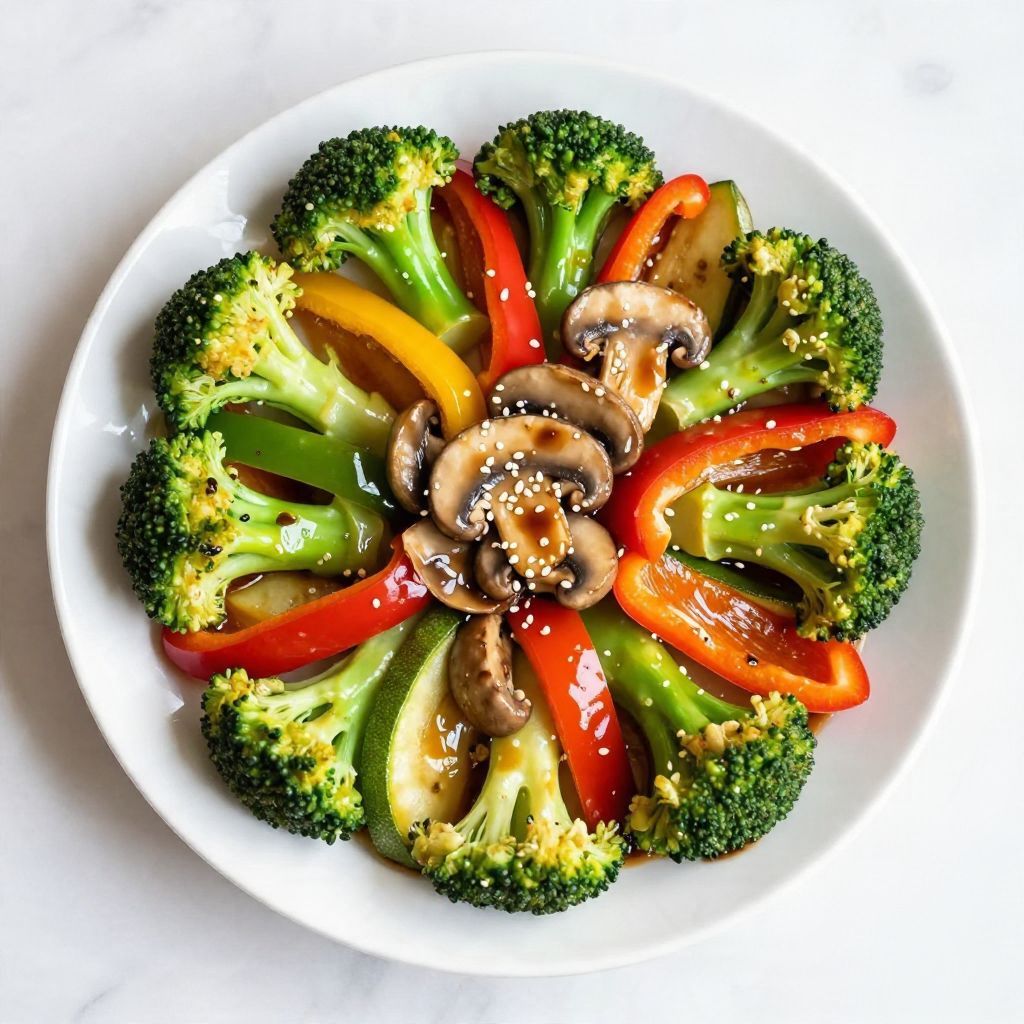
Picture this: sizzling veggies dancing on a hot grill, their vibrant colors and enticing aromas filling the air. That’s the magic of hibachi vegetables, a dish that brings the exciting energy of Japanese steakhouses right into your kitchen.
This recipe is a fantastic way to enjoy fresh, crunchy vegetables tossed in a savory sauce. It’s quick to prepare, packed with flavor, and can easily accommodate whatever veggies you have on hand. Let’s get cooking!
Why You’ll Love This Recipe
This dish is not just a side; it’s a celebration of flavor and color.
- Quick and easy to prepare, perfect for busy nights.
- Versatile; you can use any vegetables you love.
- Rich umami flavor from the simple sauce.
- Healthy and light, but still satisfying.
- A great way to elevate any meal.
My Experience Making This Recipe
Every time I whip up these hibachi vegetables, I feel like I’m at a Japanese steakhouse, minus the hefty bill. The sizzling sound as they hit the hot pan is music to my ears.
My family gathers around the stove, eagerly awaiting this colorful dish. The crunch of the veggies and the savory aroma makes it hard to resist, and it’s always a hit!
Recipe Overview
- Recipe Name: Hibachi Vegetables
- Servings: 4
- Prep Time: 10 minutes
- Cook Time: 10 minutes
- Total Time: 20 minutes
- Course: Side Dish
- Cuisine: Japanese
- Calories per Serving: 120
Equipment You Will Need
- Large skillet or wok
- Spatula or wooden spoon
- Measuring cups and spoons
- Cutting board
- Sharp knife
Ingredients for Hibachi Vegetables
- 2 tablespoons vegetable oil
- 1 cup broccoli florets
- 1 cup sliced bell peppers (any color)
- 1 cup zucchini, sliced
- 1 cup sliced mushrooms
- 2 cloves garlic, minced
- 2 tablespoons soy sauce
- 1 tablespoon sesame oil
- 1 teaspoon ginger, minced
- Sesame seeds for garnish (optional)
Ingredient Notes and Substitutions
- Vegetable oil: Used for high heat cooking; you can substitute with canola or grapeseed oil.
- Broccoli: Adds crunch and nutrition; cauliflower works well as a substitute.
- Zucchini: Provides a tender texture; summer squash can be used instead.
- Garlic: Enhances flavor; shallots can be a nice alternative.
- Soy sauce: Adds saltiness; tamari or coconut aminos are gluten-free substitutes.
How to Make Hibachi Vegetables
Step 1: Prepare the Vegetables
Start by washing and slicing all your vegetables. Uniform sizes ensure even cooking, allowing them to retain their crunch and flavor.
Step 2: Heat the Pan
Heat your skillet or wok over medium-high heat. A hot pan is crucial for achieving that delightful sear and preventing the vegetables from steaming.
Step 3: Add Oil
Add the vegetable oil to the hot pan. This will create a non-stick surface and help achieve a beautiful golden color on your veggies.
Step 4: Sauté Garlic and Ginger
Add the minced garlic and ginger to the pan, stirring quickly for about 30 seconds. This step infuses the oil with flavor, creating a delicious base for your dish.
Step 5: Add Harder Vegetables
First, add the broccoli and zucchini, cooking for about 3-4 minutes. These vegetables take longer to cook, so give them a head start on the sauté.
Step 6: Add Remaining Vegetables
Then, add the bell peppers and mushrooms to the pan. Stir-fry for another 4-5 minutes until all the vegetables are tender-crisp.
Step 7: Add Sauces
Pour in the soy sauce and sesame oil, tossing everything to coat. This will enhance the flavors and add that classic hibachi touch.
Step 8: Finish and Serve
Remove the pan from heat and transfer the vegetables to a serving dish. Garnish with sesame seeds for an extra touch of flavor and presentation.
Pro Tip: For extra flavor, let the vegetables rest for a minute before serving to allow the sauce to soak in.
Tips for the Best Hibachi Vegetables
- Keep the vegetables moving in the pan to avoid burning.
- Use fresh vegetables for the best flavor and texture.
- Don’t overcrowd the pan; cook in batches if necessary.
- Experiment with different seasonings like chili flakes for a kick.
- Serve immediately while hot to enjoy the best texture.
Common Mistakes to Avoid
- Overcooking the vegetables can make them mushy; aim for tender-crisp.
- Not preheating the pan can lead to steaming instead of sautéing.
- Using too much oil can make the dish greasy; just enough will do.
- Skipping the garlic and ginger means missing out on essential flavor.
- Not cutting vegetables evenly can result in uneven cooking.
Serving Suggestions
These hibachi vegetables make a fantastic side dish, perfect for complementing a variety of main courses.
- Pair with grilled chicken or steak for a hearty meal.
- Serve alongside fried rice for a complete Japanese-inspired dinner.
- Top with grilled shrimp for a seafood twist.
- Add to a bed of noodles for a filling vegetarian option.
- Drizzle with extra soy sauce for those who like it saucy.
Variations to Try
- Add baby corn for a fun crunch and extra sweetness.
- Incorporate snap peas for a fresh burst of color and flavor.
- Use eggplant for a different texture and unique taste.
- Add a splash of rice vinegar for a tangy kick.
- Mix in some tofu for added protein and heartiness.
Dietary Adaptations
- Gluten-free: Use tamari instead of soy sauce to keep it gluten-free.
- Dairy-free: This recipe is already dairy-free; enjoy without worry.
- Vegan/Vegetarian: Naturally vegan; keep it plant-based with your favorite veggies.
- Low-carb/Keto: Opt for zucchini noodles instead of rice for a low-carb twist.
Storage and Reheating
Refrigerator
Store any leftovers in an airtight container. They will keep well for up to 3 days.
- Let the vegetables cool before sealing them.
- Label containers with the date for tracking freshness.
Freezer
Freezing is not recommended since it can change the texture of the vegetables. Fresh is best for this dish.
- If you must, freeze raw vegetables before cooking for later use.
- Be aware that freezing can make them mushy when thawed.
Reheating
Reheat in a skillet over medium heat until warmed through. This will help retain their crunch.
- Add a splash of water to create steam if needed.
- A microwave works too, but be careful not to overcook.
Nutrition Information
| Nutrient | Amount |
|---|---|
| Calories | 120 |
| Total Fat | 8g |
| Saturated Fat | 1g |
| Carbohydrates | 10g |
| Fiber | 3g |
| Sugar | 2g |
| Protein | 3g |
| Sodium | 500mg |
| Cholesterol | 0mg |
This information is based on standard ingredients and may vary based on specific brands or substitutions.
Frequently Asked Questions
Can I use frozen vegetables?
While you can use frozen vegetables, they may become mushy when cooked. Fresh vegetables provide the best texture and flavor.
Can I prepare hibachi vegetables ahead of time?
Yes, you can chop the vegetables and store them in the fridge for a day. Just sauté them fresh for the best taste.
What can I do if my vegetables are soggy?
If your vegetables are soggy, it’s likely due to overcooking. Aim for a tender-crisp texture for optimal enjoyment.
Can I add protein to this dish?
Absolutely! Shrimp, chicken, or tofu can be added for a hearty meal. Just adjust the cooking time accordingly.
What should I serve with hibachi vegetables?
These vegetables pair wonderfully with grilled meats, rice, or noodles. They complement many main dishes beautifully.
Final Thoughts
Making hibachi vegetables at home is a delightful way to enjoy a restaurant favorite. With fresh ingredients and a few simple steps, you can recreate this dish anytime.
So, gather your favorite veggies and give this recipe a try. You won’t regret it!
If you enjoyed this recipe, check out my hibachi sauce recipe or try making hibachi noodles for a complete meal!
Hibachi Vegetables
Ingredients
Equipment
Method
- Start by washing and slicing all your vegetables.
- Heat your skillet or wok over medium-high heat.
- Add the vegetable oil to the hot pan.
- Add the minced garlic and ginger to the pan, stirring quickly for about 30 seconds.
- Add the broccoli and zucchini, cooking for about 3-4 minutes.
- Then, add the bell peppers and mushrooms to the pan. Stir-fry for another 4-5 minutes until all the vegetables are tender-crisp.
- Pour in the soy sauce and sesame oil, tossing everything to coat.
- Remove the pan from heat and transfer the vegetables to a serving dish.
- Garnish with sesame seeds for an extra touch of flavor and presentation.