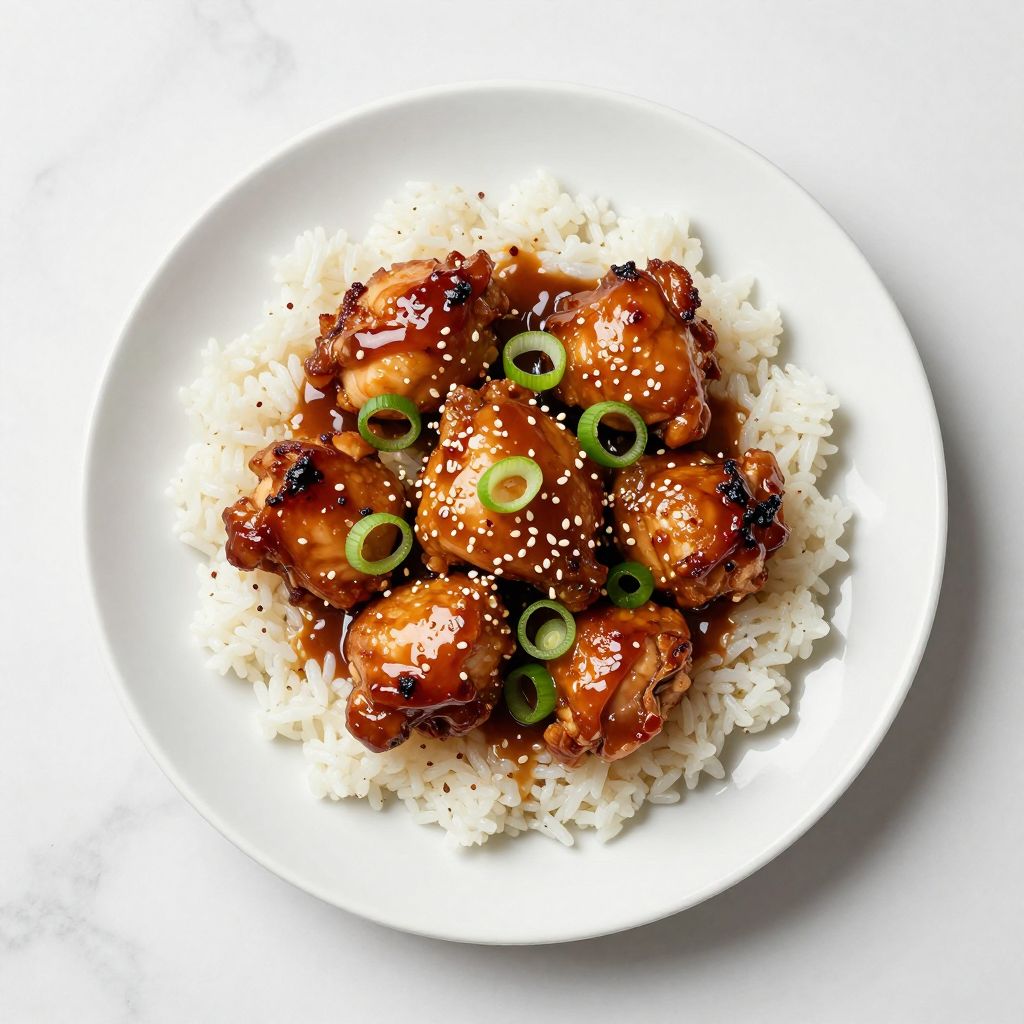
Picture this: chicken so glossy and caramelized that it catches the light, with a sauce that clings to every bite like it’s been there all along.
Sticky chicken hits different because it delivers restaurant-quality results in about thirty minutes, with minimal fuss and maximum flavor payoff.
The magic here is twofold: a balance of sweet and savory that keeps you reaching for more, and a cooking method that transforms simple pantry staples into something genuinely special.
Ready to make something that tastes like you’ve been cooking all day?
Why You’ll Love This Recipe
This dish checks every box for weeknight cooking while impressing anyone you put it in front of.
- Ready in under 35 minutes from kitchen to table
- Uses everyday ingredients you likely have on hand already
- Works perfectly over rice, noodles, or with roasted vegetables
- The sauce is naturally glossy without cornstarch or cream
- Leftovers taste even better the next day
My Experience Making This Recipe
The first time I made sticky chicken, I was skeptical that soy sauce, honey, and garlic could create something this compelling.
Thirty minutes later, my kitchen smelled incredible, and the chicken had this gorgeous caramelized exterior while staying tender inside.
I’ve made it easily twenty times now, and it never fails to get genuine enthusiasm from whoever’s eating it, which honestly makes it one of my most reliable go-to dinners.
Recipe Overview
- Recipe Name: Sticky Chicken with Caramelized Sauce
- Servings: 4
- Prep Time: 10 minutes
- Cook Time: 25 minutes
- Total Time: 35 minutes
- Course: Main Dish
- Cuisine: Asian-Inspired
- Calories per Serving: 285
Equipment You Will Need
- Large skillet or wok
- Measuring spoons and cups
- Cutting board and sharp knife
- Small bowl for mixing sauce
- Wooden spoon or silicone spatula
- Meat thermometer (optional but helpful)
- Paper towels
Ingredients for Sticky Chicken
For the Chicken and Base
- 1.5 pounds boneless, skinless chicken breasts or thighs, cut into bite-sized pieces
- 2 tablespoons vegetable oil
- 1/2 teaspoon salt
- 1/4 teaspoon black pepper
For the Sticky Sauce
- 4 cloves garlic, minced
- 1 tablespoon fresh ginger, minced
- 1/2 cup low-sodium soy sauce
- 3 tablespoons honey
- 2 tablespoons rice vinegar
- 1 tablespoon sesame oil
- 1 teaspoon red pepper flakes (optional, for heat)
- 1/4 cup chicken broth
For Serving
- 2 green onions, sliced thin
- 1 tablespoon sesame seeds
- Cooked rice or noodles of your choice
Ingredient Notes and Substitutions
- Chicken breast vs. thighs: Breast meat cooks faster and is leaner, while thighs stay juicier and more forgiving if slightly overcooked. Thighs will take 2-3 minutes longer to cook through completely.
- Honey: This adds sweetness and helps create the glossy, caramelized coating. Maple syrup or brown sugar (use 2 tablespoons) works as a substitute with a slightly deeper flavor.
- Rice vinegar: Provides brightness and cuts through richness. Apple cider vinegar or white vinegar works fine but use slightly less as they’re more acidic.
- Sesame oil: Adds nutty depth that’s hard to replace exactly, but neutral oil works in a pinch, though the flavor won’t be quite as rich.
- Soy sauce: Tamari or coconut aminos work great if you need gluten-free, maintaining the savory base.
How to Make Sticky Chicken
Step 1: Prep Your Ingredients
Cut your chicken into roughly 1.5-inch pieces and pat them dry with paper towels. Dry chicken browns better and creates better texture, so don’t skip this step.
Mince your garlic and ginger, slice your green onions, and measure out all your sauce ingredients into a small bowl.
Step 2: Season the Chicken
Toss the chicken pieces with salt and pepper in a bowl until each piece is lightly coated. Even seasoning at this stage means you don’t need to season the sauce as heavily later.
Step 3: Heat Your Skillet
Place your large skillet over medium-high heat and add the vegetable oil. Let it heat for about 1 minute until it shimmers, which tells you it’s hot enough to properly sear the chicken.
Step 4: Brown the Chicken
Add the chicken pieces to the hot skillet in a single layer, resisting the urge to stir for the first 3-4 minutes. This initial sear creates a flavorful crust that locks in juices and develops real depth.
Stir the chicken and cook for another 3-4 minutes until all pieces have light browning on multiple sides. You’re not looking for deep color yet, just initial browning.
Step 5: Build Flavor with Aromatics
Push the chicken to the side of the skillet and add your minced garlic and ginger to the empty space. Let them cook for about 30 seconds until fragrant, stirring occasionally so they don’t burn.
The heat of the pan will quickly cook these aromatics and release their essential oils into the oil, creating an aromatic base for your sauce.
Step 6: Add the Sauce
Pour your pre-mixed sauce (the soy sauce, honey, rice vinegar, sesame oil, red pepper flakes, and chicken broth) into the skillet with the chicken and aromatics. Stir everything together until the chicken is evenly coated.
Step 7: Simmer and Develop the Glaze
Reduce heat to medium and let the sauce simmer for 8-12 minutes, stirring occasionally. The sauce will gradually thicken and become more concentrated as it reduces, coating the chicken in that signature sticky glaze.
You’ll notice the color deepening and the sauce becoming syrupy. This is the glaze forming, and it’s the make-or-break moment for texture.
Step 8: Check Doneness and Finish
Use a meat thermometer to check that the thickest piece of chicken reaches 165 degrees Fahrenheit. If you don’t have a thermometer, cut into the thickest piece and ensure there’s no pink inside.
Once cooked through, remove from heat and taste for seasoning. Add a pinch more salt if needed, though the soy sauce usually provides enough.
Step 9: Plate and Garnish
Transfer the sticky chicken to serving plates or bowls over your choice of rice or noodles. Top with sliced green onions and sesame seeds for color, crunch, and extra flavor.
Pro Tip: The sauce thickens as it cools, so don’t be alarmed if it looks slightly thin when you plate it; it will reach perfect sticky consistency within two minutes of serving.
Tips for the Best Sticky Chicken
- Cut your chicken into uniform sizes so everything cooks at the same rate. Uneven pieces lead to some being overcooked while others aren’t quite done.
- Don’t skip patting the chicken dry. Moisture prevents browning and creates steam instead of that delicious sear.
- Resist stirring constantly while the chicken browns. Let it sit undisturbed for those first few minutes to develop a proper crust.
- Keep your heat at medium once the sauce is added. High heat will evaporate the liquid too quickly without proper glaze formation.
- Taste the sauce before serving and adjust heat or sweetness. A tiny pinch of red pepper flakes adds complexity, even if you don’t like spice.
- Make the sauce mixture in a bowl ahead of time. This keeps the cooking process smooth and prevents scrambling to measure when things are heating up.
Common Mistakes to Avoid
- Overcrowding the skillet: Crowded chicken steams instead of sears. Work in batches if needed, using two skillets if you’re cooking for a larger group.
- Skipping the initial brown: Jumping straight to sauce means missing out on flavor. That browning step builds the foundation of taste.
- Using high heat for simmering: High heat makes the sauce break and separate instead of becoming silky and glossy. Medium heat is your friend.
- Cooking too quickly: Rushing the reduction means the sauce stays thin and watery. Those 8-12 minutes of simmering are essential for proper thickness.
- Not checking doneness: Overcooked chicken is dry chicken. Use a thermometer or cut test to confirm you’ve hit that perfect 165 degrees.
Serving Suggestions
This sticky chicken pairs beautifully with simple sides that let the sauce shine without competing for attention. Choose something that will soak up every bit of that delicious glaze.
- Jasmine rice or white rice for soaking up the sauce
- Noodles of any kind, from ramen to angel hair to rice noodles
- Steamed broccoli or snap peas for a fresh vegetable contrast
- Roasted bok choy tossed with a little sesame oil
- Cucumber salad with rice vinegar dressing for a cooling element
Variations to Try
- Pineapple Sticky Chicken: Add 1/2 cup diced fresh pineapple and 2 tablespoons pineapple juice to the sauce for tropical sweetness and brightness that complements the savory elements beautifully.
- Spicy Version: Increase red pepper flakes to 1.5 teaspoons or add a tablespoon of sriracha for deeper heat without overwhelming the delicate balance of the sauce.
- Orange Ginger Sticky Chicken: Replace rice vinegar with fresh orange juice and add 1 teaspoon orange zest for citrus brightness that feels sophisticated and fresh.
- Five-Spice Sticky Chicken: Add 1 teaspoon five-spice powder to the sauce for warming spice notes that add complexity without changing the core flavor profile.
- Mushroom Version: Sear 8 ounces sliced mushrooms with the chicken for earthy umami that makes the sauce even more savory and restaurant-quality.
Dietary Adaptations
- Gluten-Free: Swap regular soy sauce for tamari or coconut aminos, which are naturally gluten-free while maintaining the savory depth of the original recipe.
- Dairy-Free: This recipe is naturally dairy-free as written, making it perfect for dairy sensitivities without any substitutions needed.
- Lower Sodium: Use low-sodium soy sauce and reduce the amount to 1/4 cup, adding extra chicken broth to compensate for lost liquid without excess salt.
- Keto or Low-Carb: Replace honey with monk fruit sweetener or erythritol at half the amount, though you’ll lose some of the sauce’s natural thickening from honey’s glucose.
- Vegan: Swap chicken for extra-firm tofu pressed and cubed, or use chickpeas for protein, reducing cook time to 5-8 minutes since these cook faster than chicken.
Storage and Reheating
Refrigerator
Store leftover sticky chicken in an airtight container for up to four days. The flavors actually improve as the sauce continues to penetrate the chicken.
- Let cooled chicken reach room temperature before storing to prevent condensation
- Keep chicken and sauce together in the same container
- Don’t store over rice or noodles; store separately and combine when reheating
Freezer
Sticky chicken freezes beautifully for up to three months when stored properly. The sauce protects the chicken from freezer burn.
- Cool completely before freezing to prevent condensation and ice crystals
- Use freezer-safe containers or heavy-duty freezer bags
- Leave 1/2 inch headspace if using containers to allow for expansion
Reheating
Reheat gently to maintain the chicken’s texture and sauce consistency. Quick, high-heat reheating can make chicken tough.
- Stovetop method: Heat in a skillet over medium heat with a splash of water or broth for 5-7 minutes, stirring occasionally
- Microwave method: Heat in a microwave-safe container for 2-3 minutes, stirring halfway through
- Oven method: Cover with foil and heat at 350 degrees for 10-12 minutes until warmed through
Nutrition Information
| Nutrient | Amount |
|---|---|
| Calories | 285 |
| Total Fat | 12g |
| Saturated Fat | 2.5g |
| Carbohydrates | 18g |
| Fiber | 0g |
| Sugar | 14g |
| Protein | 32g |
| Sodium | 820mg |
| Cholesterol | 85mg |
Frequently Asked Questions
Can I Use Chicken Thighs Instead of Breasts?
Absolutely, and honestly, thighs are amazing here because the extra fat keeps them juicy even if you accidentally overcook slightly. Just add 2-3 minutes to the browning time since thighs are thicker.
What If My Sauce Isn’t Thick Enough?
Let it simmer a bit longer, uncovered, so more liquid evaporates. If you’re short on time, mix 1 tablespoon cornstarch with 2 tablespoons water and stir it in during the final minute of cooking.
Can I Make This in Advance?
Yes, you can prep the sauce and cut the chicken up to 8 hours ahead, storing them separately in the fridge. Just cook as directed when you’re ready, though you might need an extra minute or two since cold chicken takes slightly longer to brown.
Is This Recipe Spicy?
Not inherently. The red pepper flakes are optional and the recipe is mild as written. Add them gradually to taste if you enjoy heat, since you can always add more but can’t remove it.
What’s the Best Side Dish?
Rice is the classic choice because it soaks up the sauce perfectly, but honestly, any grain or noodle works. I love it over crispy chow mein noodles for textural contrast.
Can I Double This Recipe?
Yes, double all ingredients and use a larger skillet or cook in batches. If using two skillets, you might need to slightly increase the sauce simmering time to reach proper thickness.
Does This Reheat Well?
It reheats beautifully and the flavors actually deepen after sitting overnight. Use the stovetop method on medium heat for the best texture.
Final Thoughts
Sticky chicken has earned a permanent spot on my rotation because it delivers that restaurant-quality experience without the fuss or expense. It’s genuinely one of those recipes that makes you feel like you’ve accomplished something special in under thirty-five minutes.
Give this recipe a try this week and watch how quickly it becomes someone’s new favorite dinner. The combination of simple ingredients creating something so deeply flavorful and satisfying is the whole magic of good cooking.
Sticky Chicken with Caramelized Sauce
Restaurant-quality sticky chicken with a glossy, caramelized sauce made from soy sauce, honey, and garlic. Ready in 35 minutes with minimal fuss and maximum flavor payoff.
- Large skillet or wok
- Measuring spoons and cups
- Cutting board and sharp knife
- Small bowl for mixing sauce
- Wooden spoon or silicone spatula
- Meat thermometer
- Paper towels
For the Chicken and Base
- 1.5 pounds boneless (skinless chicken breasts or thighs, cut into bite-sized pieces)
- 2 tablespoons vegetable oil
- 1/2 teaspoon salt
- 1/4 teaspoon black pepper
For the Sticky Sauce
- 4 cloves garlic (minced)
- 1 tablespoon fresh ginger (minced)
- 1/2 cup low-sodium soy sauce
- 3 tablespoons honey
- 2 tablespoons rice vinegar
- 1 tablespoon sesame oil
- 1 teaspoon red pepper flakes (optional, for heat)
- 1/4 cup chicken broth
For Serving
- 2 green onions (sliced thin)
- 1 tablespoon sesame seeds
- Cooked rice or noodles of your choice
- Cut your chicken into roughly 1.5-inch pieces and pat them dry with paper towels. Mince your garlic and ginger, slice your green onions, and measure out all your sauce ingredients into a small bowl.
- Toss the chicken pieces with salt and pepper in a bowl until each piece is lightly coated.
- Place your large skillet over medium-high heat and add the vegetable oil. Let it heat for about 1 minute until it shimmers.
- Add the chicken pieces to the hot skillet in a single layer. Do not stir for the first 3-4 minutes to create a flavorful crust. Then stir the chicken and cook for another 3-4 minutes until all pieces have light browning on multiple sides.
- Push the chicken to the side of the skillet and add your minced garlic and ginger to the empty space. Let them cook for about 30 seconds until fragrant, stirring occasionally so they don’t burn.
- Pour your pre-mixed sauce (the soy sauce, honey, rice vinegar, sesame oil, red pepper flakes, and chicken broth) into the skillet with the chicken and aromatics. Stir everything together until the chicken is evenly coated.
- Reduce heat to medium and let the sauce simmer for 8-12 minutes, stirring occasionally. The sauce will gradually thicken and become more concentrated as it reduces, coating the chicken in a sticky glaze.
- Use a meat thermometer to check that the thickest piece of chicken reaches 165 degrees Fahrenheit. If you don’t have a thermometer, cut into the thickest piece and ensure there’s no pink inside. Once cooked through, remove from heat and taste for seasoning.
- Transfer the sticky chicken to serving plates or bowls over your choice of rice or noodles. Top with sliced green onions and sesame seeds.
The sauce thickens as it cools, so don’t be alarmed if it looks slightly thin when you plate it. Cut chicken into uniform sizes for even cooking. Don’t skip patting the chicken dry for best browning. Chicken thighs can be used instead of breasts and will take 2-3 minutes longer to cook. Store leftovers in an airtight container for up to 4 days or freeze for up to 3 months.