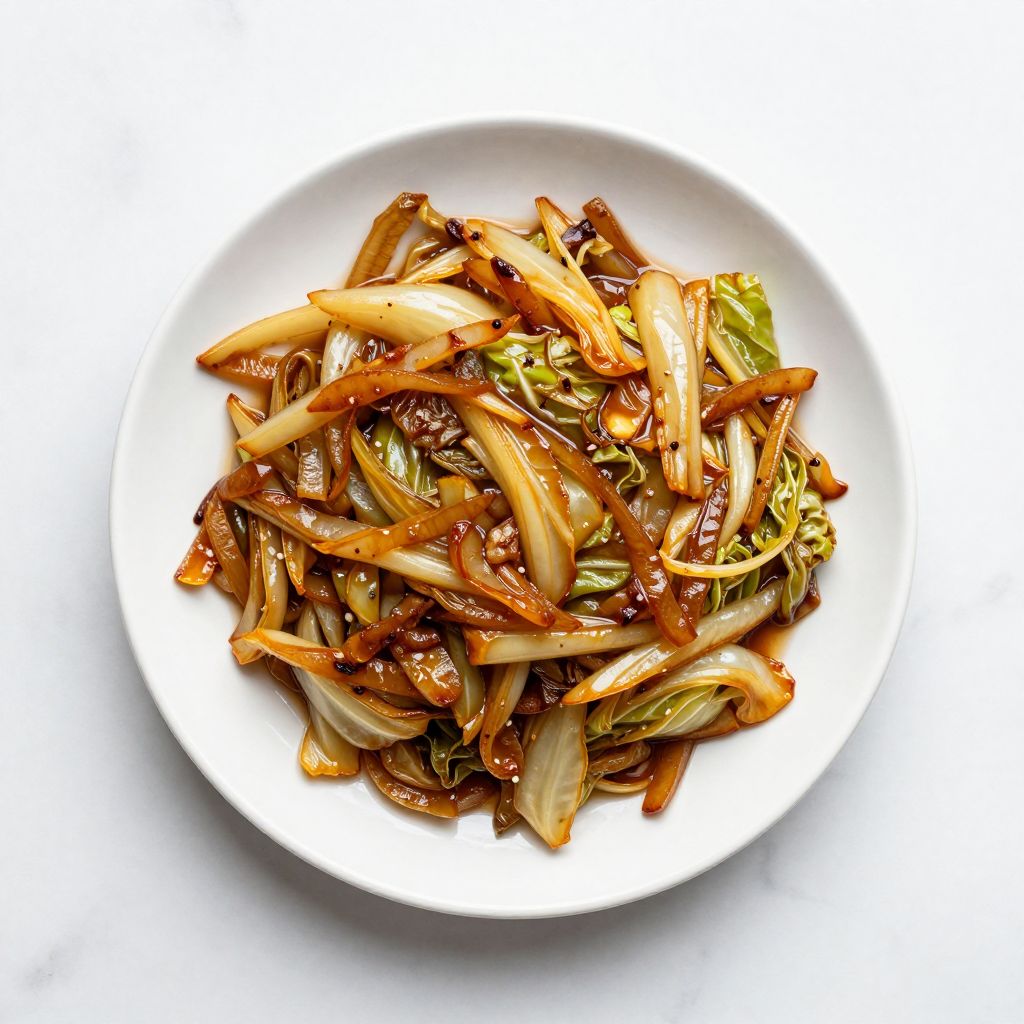
There’s something deeply satisfying about the sizzle of cabbage hitting a hot pan, the way it transforms from raw and crisp to tender and golden in just minutes. Sauteed cabbage is one of those humble dishes that punches way above its weight, offering incredible flavor and nutrition without fuss or pretension.
This recipe delivers a simple yet elegant side dish that works with almost anything on your table. Tender cabbage gets kissed with butter and aromatics, creating a dish that tastes far more sophisticated than its five-ingredient lineup suggests.
Whether you’re looking for a quick weeknight vegetable or a crowd-pleasing potluck addition, sauteed cabbage checks every box. Best of all, you’ll have dinner on the table in under 20 minutes, leaving you time for what actually matters.
Why You’ll Love This Recipe
Sauteed cabbage offers genuine restaurant-quality results with minimal effort and maximum payoff. This dish appeals to everyone from busy weeknight cooks to health-conscious eaters seeking nutrient-dense sides.
- Ready in under 20 minutes from start to finish
- Works as a side dish, base for grain bowls, or standalone vegetable
- Naturally low-calorie but completely satisfying and filling
- Pairs beautifully with virtually any protein, from fish to pork to tofu
- Requires only basic ingredients and one pan
My Experience Making This Recipe
I first made sauteed cabbage on a random Tuesday night when my vegetable drawer held little besides a half head of cabbage and some onions. I figured I’d throw together a quick side dish and was genuinely shocked at how restaurant-quality the result tasted.
The kitchen filled with this wonderful caramelized aroma, and my family came wandering over asking what smelled so good. When I revealed it was just cabbage, they were skeptical until they actually tasted it.
Now I find myself making this at least twice a month because it’s become my go-to side dish. It’s perfect alongside roasted chicken, grilled fish, or even as a taco topping if I’m feeling creative.
Recipe Overview
- Recipe Name: Sauteed Cabbage
- Servings: 4
- Prep Time: 10 minutes
- Cook Time: 12 minutes
- Total Time: 22 minutes
- Course: Side Dish
- Cuisine: American
- Calories per Serving: 85
Equipment You Will Need
- Large skillet or saute pan (12-inch preferred)
- Sharp chef’s knife or santoku knife
- Cutting board
- Wooden spoon or silicone spatula
- Measuring spoons
- Measuring cups
Ingredients for Sauteed Cabbage
- 1 medium head green cabbage, about 2 pounds, sliced thin
- 3 tablespoons butter
- 1 medium yellow onion, thinly sliced
- 3 cloves garlic, minced
- 1 teaspoon kosher salt
- 1/2 teaspoon black pepper
- 1/4 teaspoon garlic powder
- 1/4 cup vegetable broth or water
Ingredient Notes and Substitutions
- Green cabbage: The most common variety with mild, sweet flavor when cooked. Red cabbage works equally well but takes slightly longer to soften and offers earthier notes.
- Butter: Delivers rich flavor and helps caramelize the vegetables. Use ghee for a deeper taste or olive oil for a lighter option, though the dish won’t be quite as rich.
- Yellow onion: Provides sweetness and body when cooked down. White onions work but are sharper; sweet onions make the dish taste almost buttery.
- Garlic: Fresh garlic is non-negotiable here for brightness. Pre-minced garlic loses potency; use 1/2 teaspoon garlic powder if fresh is truly unavailable.
- Kosher salt: The larger crystals distribute more evenly than table salt. Sea salt works identically; use slightly less table salt due to finer granules.
How to Make Sauteed Cabbage
Step 1: Prepare Your Cabbage and Onion
Slice the cabbage into thin ribbons about 1/4 inch thick, removing the tough core and any damaged outer leaves. Slice your onion into similar-sized pieces so everything cooks evenly and reaches tenderness at the same time.
Step 2: Heat Your Pan and Melt the Butter
Place a large skillet over medium-high heat and add the butter, tilting the pan to coat it evenly. You want the heat hot enough that the butter melts and froths slightly within 30 seconds, signaling it’s ready for cooking.
Step 3: Cook the Onions Until Softened
Add the sliced onions to the hot butter and cook for about 3 minutes, stirring occasionally until they begin to soften and turn translucent. The onions release their natural sugars during this stage, building a sweet flavor base for the cabbage.
Step 4: Add the Garlic and Aromatics
Stir in the minced garlic, salt, pepper, and garlic powder, cooking for just 30 seconds until fragrant. This quick cook prevents the garlic from burning while releasing its aromatic compounds throughout the pan.
Step 5: Add the Cabbage in Batches
Add about half the sliced cabbage to the pan, stirring constantly for 1 to 2 minutes until it begins to wilt. The cabbage takes up a lot of space initially, so adding it in batches prevents overcrowding and allows proper contact with the heat.
Step 6: Add the Remaining Cabbage
Once the first batch wilts down, add the remaining cabbage and continue stirring frequently for another 2 to 3 minutes. The cabbage will continue shrinking as it releases moisture and softens.
Step 7: Add Broth and Continue Cooking
Pour in the vegetable broth or water and give everything a good stir to combine all the flavors. The liquid creates a steaming effect that finishes cooking the cabbage while preventing it from drying out.
Step 8: Cook Until Tender and Golden
Continue cooking for another 3 to 5 minutes, stirring occasionally, until the cabbage is completely tender and edges begin to turn light golden brown. You want some caramelization on the edges for depth of flavor, not just steamed soft cabbage.
Pro Tip: Don’t rush the cooking process by cranking the heat to maximum. Medium-high heat allows the cabbage to cook through while developing those crucial caramelized edges that make this dish taste like it came from a restaurant kitchen.
Tips for the Best Sauteed Cabbage
- Slice your cabbage as uniformly thin as possible so every piece finishes cooking at the same time without some pieces remaining raw or others turning mushy.
- Use a large pan rather than a small one to maximize surface area and allow proper caramelization instead of steaming.
- Don’t stir constantly; let the cabbage sit undisturbed for 30 seconds between stirrings to develop color and deeper flavor on the edges.
- Taste the cabbage at the end and adjust seasoning with a pinch of salt or fresh cracked pepper, as flavors concentrate significantly during cooking.
- Add a squeeze of fresh lemon juice at the end if you prefer brighter flavor, or a splash of apple cider vinegar for subtle tang.
- Cook over medium-high heat rather than maximum heat to prevent burning while allowing proper caramelization.
Common Mistakes to Avoid
- Cutting cabbage too thick: Thick pieces remain tough and chewy instead of becoming tender. Aim for 1/4 inch thickness for consistent, quick cooking.
- Using too low heat: Low heat results in steamed, pale cabbage rather than caramelized, flavorful cabbage with golden edges.
- Skipping the onions: They provide essential sweetness and body that makes the dish taste complete and restaurant-quality.
- Adding salt too late: Salt added at the end doesn’t distribute evenly throughout the cabbage. Add it early so flavors meld together properly.
- Overcrowding the pan: Too much cabbage at once steams rather than sautees, and you lose those crucial caramelized edges that add depth.
Serving Suggestions
Sauteed cabbage pairs beautifully with virtually any protein and works equally well as a hot or room-temperature side dish. Serve it alongside your favorite mains or use it as a component in bowls and composed plates.
- Alongside roasted or grilled chicken breast for an easy weeknight dinner
- With grilled fish like salmon or cod and a squeeze of lemon juice
- Under pork chops or pork tenderloin for an elegant but simple meal
- In grain bowls with quinoa, roasted chickpeas, and tahini dressing
- As a taco topping for pulled pork or shredded chicken tacos
Variations to Try
- Bacon Sauteed Cabbage: Cook 4 slices of diced bacon until crispy, remove it, then use the bacon fat to cook the cabbage and onions, finishing with the bacon stirred back in for smoky depth.
- Asian-Inspired Version: Replace half the butter with sesame oil, add 1 tablespoon soy sauce and 1 teaspoon grated fresh ginger, then finish with sesame seeds and sliced scallions for savory umami flavor.
- Apple and Cabbage: Add 1 cup diced apple along with the cabbage and finish with a splash of apple cider vinegar for sweet-tart complexity.
- Caraway Seed Cabbage: Stir in 1 teaspoon caraway seeds after cooking the onions for a traditional Eastern European flavor profile.
- Cream-Based Version: Reduce the broth to 2 tablespoons and add 1/4 cup heavy cream at the end for a richer, more indulgent side dish.
Dietary Adaptations
- Gluten-Free: This recipe is naturally gluten-free as written, containing no grains or thickeners that typically contain gluten.
- Dairy-Free: Replace butter with olive oil or coconut oil in equal amounts, though the flavor profile will shift to a lighter, more Mediterranean style.
- Vegan: Use olive oil or coconut oil instead of butter, and swap vegetable broth for the cooking liquid to keep the dish completely plant-based.
- Low-Carb/Keto: This dish is already low-carb with minimal sugar, making it perfect for keto diets at just 8 grams of carbs per serving.
Storage and Reheating
Refrigerator
Store leftover sauteed cabbage in an airtight container for up to 4 days in the refrigerator. The flavors actually improve slightly as the ingredients meld together overnight.
- Keep leftovers in a glass container for easy visibility and moisture control
- Store separately from other foods to prevent moisture transfer
Freezer
Sauteed cabbage freezes well for up to 3 months in a freezer-safe container. While the texture softens slightly after thawing, the flavor remains excellent.
- Freeze in flat portions for easier thawing and storage
- Label with the date so you remember how long it’s been frozen
Reheating
Reheat gently in a skillet over medium heat with a splash of water or broth, stirring occasionally until warmed through. Microwave reheating works but can make the texture slightly mushy.
- Stovetop reheating takes 3 to 5 minutes and preserves texture best
- Add a pat of fresh butter when reheating to restore richness
Nutrition Information
| Nutrient | Amount |
|---|---|
| Calories | 85 |
| Total Fat | 7g |
| Saturated Fat | 4g |
| Carbohydrates | 8g |
| Fiber | 2g |
| Sugar | 4g |
| Protein | 2g |
| Sodium | 340mg |
| Cholesterol | 18mg |
These values represent approximate nutrition per serving based on standard USDA data for the listed ingredients. Individual results may vary based on specific ingredient brands and preparation methods.
Frequently Asked Questions
Can I use red cabbage instead of green cabbage?
Red cabbage works wonderfully but takes slightly longer to cook, usually an additional 2 to 3 minutes. The flavor is earthier and slightly more peppery, which some people prefer.
How do I know when the cabbage is cooked enough?
The cabbage should be completely tender when pierced with a fork, with soft edges that are light golden brown. If you prefer it softer, simply continue cooking and stirring for another minute or two.
Can I make this ahead of time?
Yes, prepare it up to 2 hours ahead and reheat gently before serving. The dish can also be made fully the night before, refrigerated, and reheated on the stovetop with excellent results.
What if my cabbage tastes bitter?
Add a pinch of sugar at the end to balance bitter flavors, or stir in a squeeze of fresh lemon juice. Some cabbage varieties are naturally more bitter, so taste and adjust accordingly.
Can I add other vegetables to this dish?
Absolutely, try adding sliced bell peppers, diced carrots, or sliced mushrooms along with the cabbage. Add them at the same time as the cabbage so everything cooks evenly.
Is sauteed cabbage healthy?
Yes, cabbage is nutrient-dense with vitamins C and K, fiber, and antioxidants while remaining very low in calories. The butter adds richness and fat-soluble vitamin absorption without excessive calories.
Final Thoughts
Sauteed cabbage might seem like a simple side dish, but it’s the kind of recipe that teaches you how professional cooks maximize flavor from humble ingredients. The caramelization, the aromatics, the proper heat control, all these elements combine to create something far greater than the sum of its parts.
Give this recipe a try next time you need a reliable vegetable side that impresses without stress. You’ll find yourself making it regularly because it’s genuinely delicious, incredibly easy, and works with nearly every meal you put on your table.
Explore More Cabbage Recipes
Cabbage is an incredibly versatile vegetable that deserves a permanent place in your regular cooking rotation. If you enjoyed this sauteed version, you might also like exploring other preparation methods and flavor combinations.
Try our boiled cabbage recipe for a simpler, more traditional approach, or check out our sausage and cabbage recipe for a heartier one-pan meal that transforms this humble vegetable into something truly special.
Sauteed Cabbage

Tender green cabbage sautéed with butter, onions, garlic, and seasonings for a simple, flavorful side dish ready in under 20 minutes.
- Large skillet or saute pan (12-inch preferred)
- Sharp chef’s knife or santoku knife
- Cutting board
- Wooden spoon or silicone spatula
- Measuring spoons
- Measuring cups
Main
- 1 medium head green cabbage (about 2 pounds, sliced thin)
- 3 tablespoons butter
- 1 medium yellow onion (thinly sliced)
- 3 cloves garlic (minced)
- 1 teaspoon kosher salt
- 1/2 teaspoon black pepper
- 1/4 teaspoon garlic powder
- 1/4 cup vegetable broth or water
- Slice the cabbage into 1/4-inch ribbons, remove the core, and thinly slice the onion.
- Heat a large skillet over medium-high heat and add the butter, tilting the pan to coat evenly.
- Add the sliced onion and cook for about 3 minutes, stirring occasionally, until translucent.
- Stir in the minced garlic, kosher salt, black pepper, and garlic powder; cook for 30 seconds until fragrant.
- Add half of the sliced cabbage to the pan and cook for 1 to 2 minutes, stirring constantly, until it begins to wilt.
- Add the remaining cabbage and continue cooking for another 2 to 3 minutes, stirring frequently.
- Pour in the vegetable broth or water and stir to combine, creating steam to finish cooking the cabbage.
- Cook for an additional 3 to 5 minutes, stirring occasionally, until the cabbage is tender and edges are lightly golden.
Serve as a side dish with chicken, fish, pork, or use as a topping for tacos and grain bowls.