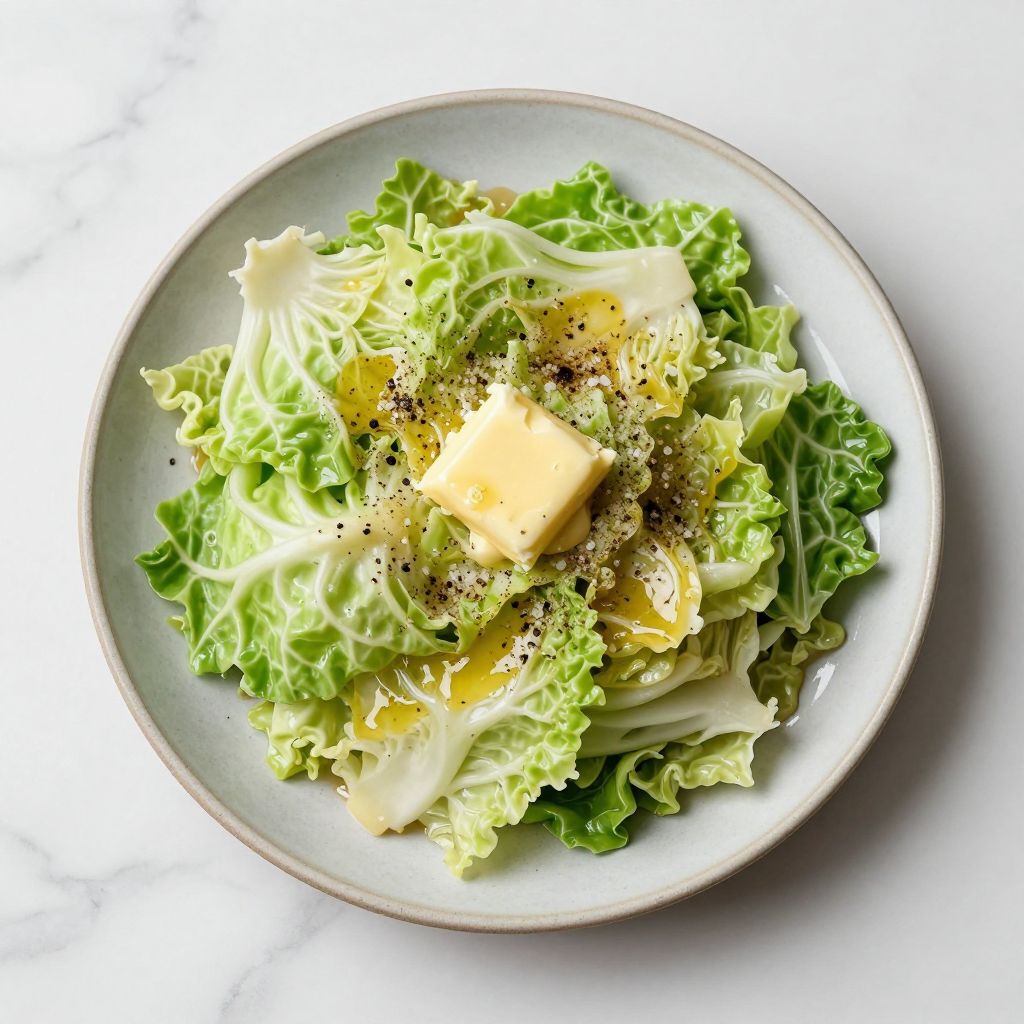
Boiled cabbage is a simple, wholesome side dish that transforms this humble vegetable into a tender, flavorful addition to any meal. With just a few ingredients and minimal effort, you can create a comforting dish perfect for weeknight dinners, holiday gatherings, or pairing with hearty proteins like corned beef and sausages.
This recipe delivers perfectly cooked cabbage that retains a slight bite without turning mushy. You’ll learn how to season it just right and avoid the common pitfalls that lead to bland or overcooked results.
Why You’ll Love This Recipe
This boiled cabbage recipe is foolproof and ready in under 30 minutes. It’s budget-friendly, requires minimal cleanup, and delivers consistent results every time.
- Requires only five basic ingredients you probably already have
- Takes just 25 minutes from start to finish
- Pairs beautifully with roasted meats, stews, and comfort food classics
- Naturally low in calories but high in fiber and nutrients
- Easy to scale up for feeding a crowd without extra effort
My Experience Making This Recipe
The first time I made boiled cabbage, I overcooked it by about ten minutes and ended up with something closer to mush than a proper side dish. After experimenting with timing and heat levels, I found the sweet spot that keeps the cabbage tender but still slightly crisp.
The smell while cooking is mild and pleasant, not at all like the sulfurous nightmare some people associate with cabbage. My family now requests this alongside pot roast and corned beef, and my kids actually eat their vegetables without complaint.
The key moment is when you drain the cabbage and toss it with butter. The steam rises, the butter melts into every layer, and suddenly this simple vegetable becomes something worth craving.
Recipe Overview
- Recipe Name: Boiled Cabbage
- Servings: 6
- Prep Time: 10 minutes
- Cook Time: 15 minutes
- Total Time: 25 minutes
- Course: Side Dish
- Cuisine: American, Irish
- Calories per Serving: 78
Equipment You Will Need
- Large pot or Dutch oven (at least 6 quarts)
- Sharp chef’s knife
- Cutting board
- Colander or strainer
- Large serving bowl
- Tongs or slotted spoon
- Measuring spoons
Ingredients for Boiled Cabbage
- 1 medium green cabbage (about 2 pounds)
- 8 cups water
- 2 tablespoons salt (for boiling water)
- 3 tablespoons unsalted butter
- 1/2 teaspoon black pepper
- 1/2 teaspoon garlic powder (optional)
- 1/4 teaspoon salt (for seasoning after cooking)
Ingredient Notes and Substitutions
- Green cabbage: Provides a mild, slightly sweet flavor that holds up well to boiling. You can substitute red cabbage, but it will turn blue during cooking unless you add a splash of vinegar.
- Unsalted butter: Adds richness and helps seasonings cling to the cabbage. Substitute with olive oil for a dairy-free version, though you’ll lose some of that comforting richness.
- Black pepper: Gives a gentle heat that balances the cabbage’s natural sweetness. White pepper works as a milder alternative if you prefer less visible specks.
- Garlic powder: Adds depth without the hassle of mincing fresh garlic. Fresh minced garlic (1 clove) can replace it, but add it to the butter before tossing to avoid raw garlic bite.
- Salt: Seasons the cooking water and the finished dish for balanced flavor throughout. Sea salt or kosher salt work equally well.
How to Make Boiled Cabbage
Step 1: Prepare the Cabbage
Remove any wilted or damaged outer leaves from the cabbage and discard them. Cut the cabbage into quarters through the core, then cut out the tough core from each quarter at an angle.
Slice each quarter into 1.5 to 2-inch wedges or chop into bite-sized pieces if you prefer. Keeping pieces uniform helps them cook evenly and prevents some from turning mushy while others stay crunchy.
Step 2: Boil the Water
Fill your large pot with 8 cups of water and add 2 tablespoons of salt. Bring the water to a rolling boil over high heat.
Salting the water properly seasons the cabbage from the inside out, much like pasta. Skipping this step results in bland cabbage that no amount of butter can fully rescue.
Step 3: Add the Cabbage
Carefully add all the cabbage pieces to the boiling water. The water temperature will drop initially, so return it to a boil, then reduce heat to medium-high to maintain a steady simmer.
Stir the cabbage gently once or twice to make sure all pieces are submerged. Uneven submersion leads to uneven cooking, with some pieces tender and others still tough.
Step 4: Simmer Until Tender
Cook the cabbage for 12 to 15 minutes, stirring occasionally. Test for doneness by piercing a piece with a fork after 12 minutes.
The cabbage should be tender but still have a slight firmness when you bite into it. Overcooking past 15 minutes breaks down the cell structure too much and creates that unpleasant sulfur smell everyone hates.
Step 5: Drain Thoroughly
Pour the cabbage into a colander set in your sink and let it drain for about 30 seconds. Shake the colander gently to remove excess water.
Excess water will dilute your butter and seasonings, leaving you with a watery mess instead of a properly dressed side dish. Take an extra few seconds here to shake off as much liquid as possible.
Step 6: Melt the Butter
While the cabbage drains, add the butter to your empty pot and return it to low heat for about 30 seconds until melted. If using garlic powder, stir it into the melted butter now.
Melting the butter in the warm pot infuses it with any residual flavors and helps it coat the cabbage more evenly. Cold butter won’t distribute properly and will leave some pieces bare.
Step 7: Toss with Butter and Seasonings
Return the drained cabbage to the pot with the melted butter. Add the black pepper and the remaining 1/4 teaspoon of salt, then toss everything together using tongs until every piece is coated.
Toss gently but thoroughly for at least 30 seconds. The cabbage leaves should glisten with butter, and the seasonings should be evenly distributed throughout rather than settling at the bottom.
Step 8: Serve Immediately
Transfer the cabbage to a serving bowl and serve hot. The butter will continue to soak into the layers as it sits, but the texture is best within the first 10 minutes.
Boiled cabbage loses its appeal quickly as it cools and releases more water. If you must wait before serving, keep it covered in a warm oven at 200°F for up to 15 minutes.
Pro Tip: Add a tablespoon of apple cider vinegar to the boiling water for a tangy flavor that cuts through the richness of the butter and brightens the entire dish.
Tips for the Best Boiled Cabbage
- Don’t skip salting the cooking water generously. This is your only chance to season the cabbage from within, and under-salted cooking water produces bland results.
- Cut your cabbage pieces to a consistent size so everything finishes cooking at the same time. Wildly different sizes mean some pieces will be perfect while others are either raw or mushy.
- Test for doneness starting at 12 minutes rather than waiting the full 15. Cabbage continues cooking slightly from residual heat after draining, so pulling it early prevents overcooking.
- Use a large enough pot to give the cabbage room to move freely in the water. Crowding causes uneven cooking and steaming rather than proper boiling.
- Reserve about half a cup of the cooking liquid before draining if you want to thin out the butter sauce or reheat leftovers later without adding plain water.
- Add a bay leaf or a few caraway seeds to the boiling water for a more European flavor profile that pairs especially well with sausages and pork dishes.
Common Mistakes to Avoid
- Overcooking the cabbage past 15 minutes turns it mushy and releases sulfur compounds that create that stereotypical unpleasant cabbage smell.
- Using unsalted cooking water produces tasteless cabbage that requires excessive seasoning afterward and never tastes quite right.
- Adding the butter while the cabbage is still dripping wet dilutes the richness and creates a watery pool at the bottom of your serving bowl.
- Cutting pieces too small causes them to fall apart during cooking and results in a stringy, unappealing texture instead of distinct tender pieces.
- Skipping the step of removing the core leaves tough, chewy bits throughout your dish that ruin the otherwise tender texture.
Serving Suggestions
Boiled cabbage shines alongside rich, hearty proteins that benefit from its light, slightly sweet flavor. It’s a classic pairing with traditional comfort foods and holds its own on any dinner table.
- Serve with corned beef and boiled potatoes for a traditional Irish-American feast that hits all the comfort food notes
- Pair with kielbasa or smoked sausage for a simple weeknight dinner that feels satisfying without being heavy
- Plate alongside roasted pork chops or pork tenderloin to balance the richness of the meat
- Add to a plate with mashed potatoes and gravy for a vegetable side that actually complements rather than competes
- Serve with baked ham and dinner rolls for a holiday meal that doesn’t require last-minute fussing
Variations to Try
- Bacon Boiled Cabbage: Cook 4 strips of chopped bacon until crispy, remove the bacon, and use the rendered fat instead of butter to toss the cabbage. Crumble the bacon on top for a smoky, indulgent version that bacon lovers will devour.
- Lemon Butter Cabbage: Add 2 tablespoons of fresh lemon juice and 1 teaspoon of lemon zest to the melted butter before tossing. The brightness cuts through the richness and makes this feel lighter and more sophisticated.
- Spicy Cabbage: Stir in 1/2 teaspoon of red pepper flakes and a pinch of cayenne pepper with the black pepper for a kick that wakes up your taste buds without overwhelming the dish.
- Herb Butter Cabbage: Mix 2 tablespoons of chopped fresh parsley and 1 teaspoon of fresh thyme into the melted butter for an herbaceous version that feels more elegant and dinner-party worthy.
- Caraway Cabbage: Add 1 teaspoon of caraway seeds to the boiling water and toss the finished cabbage with a splash of apple cider vinegar for an Eastern European flavor profile that pairs beautifully with rye bread.
Dietary Adaptations
- Gluten-Free: This recipe is naturally gluten-free as written. Just verify that any seasonings you use don’t contain hidden gluten-containing additives or anti-caking agents.
- Dairy-Free: Replace the butter with 3 tablespoons of olive oil or your preferred plant-based butter substitute. You’ll lose some of that rich, creamy flavor, but the cabbage will still be tender and well-seasoned.
- Vegan: Follow the dairy-free adaptation above using plant-based butter or olive oil. The dish remains satisfying and works perfectly alongside vegan proteins and grain dishes.
- Low-Carb/Keto: This recipe is already low in carbohydrates and fits perfectly into keto meal plans. The butter content makes it especially suitable since fat is a priority on these diets.
Storage and Reheating
Refrigerator
Store leftover boiled cabbage in an airtight container in the refrigerator for up to 4 days. The texture softens slightly with each passing day, but the flavor remains good.
- Let the cabbage cool completely before sealing the container to prevent excess condensation
- Store in shallow containers rather than deep ones for faster, more even cooling
- Keep away from strong-smelling foods since cabbage can absorb odors
Freezer
Freezing boiled cabbage is possible but not ideal since the texture becomes quite soft and watery upon thawing. If you must freeze it, use it in soups or casseroles rather than serving it as a side dish.
- Freeze in freezer-safe bags with as much air removed as possible for up to 2 months
- Label with the date and contents since frozen cabbage looks similar to other frozen vegetables
- Thaw overnight in the refrigerator rather than at room temperature
Reheating
Reheat boiled cabbage gently to avoid turning it mushy. The microwave works in a pinch, but stovetop reheating gives better texture control.
- Stovetop: Add cabbage to a pan with a tablespoon of butter or water over medium-low heat for 3 to 4 minutes, stirring occasionally
- Microwave: Heat in 30-second intervals, stirring between each, until warmed through
- Add a pat of fresh butter after reheating to refresh the flavor and add back some richness
Nutrition Information
| Nutrient | Amount |
|---|---|
| Calories | 78 |
| Total Fat | 6g |
| Saturated Fat | 4g |
| Carbohydrates | 6g |
| Fiber | 2g |
| Sugar | 3g |
| Protein | 1g |
| Sodium | 285mg |
| Cholesterol | 15mg |
Nutritional values are approximate and will vary based on specific ingredients used and portion sizes. This calculation assumes 6 equal servings.
Frequently Asked Questions
Can I use red cabbage instead of green cabbage?
Yes, but red cabbage will turn blue during boiling unless you add an acidic ingredient like vinegar or lemon juice to the cooking water. The flavor is slightly more peppery, and it takes about 2 minutes longer to become tender.
Can I make this ahead of time?
You can cook the cabbage up to 2 hours ahead and keep it warm in a covered dish in a 200°F oven. For best results, add the butter and final seasonings just before serving rather than letting it sit in the butter.
Why does my boiled cabbage smell bad?
Overcooking cabbage past 15 minutes releases sulfur compounds that create the unpleasant smell many people associate with cooked cabbage. Pull it from the heat as soon as it reaches tender-crisp doneness to avoid this problem.
How do I keep my cabbage from getting mushy?
Set a timer and start testing at 12 minutes rather than guessing. The cabbage should be tender when pierced with a fork but still have a slight resistance when you bite into it.
Can I add other vegetables to the pot with the cabbage?
Yes, carrots and potatoes work well if cut to similar sizes, though they’ll need a 5-minute head start before adding the cabbage. Just remember that different vegetables have different cooking times, so stagger your additions accordingly.
What’s the white stuff that forms on top of the boiling water?
That’s just protein and starch releasing from the cabbage as it cooks. You can skim it off with a spoon if it bothers you, but it’s harmless and will wash away when you drain the cabbage.
Final Thoughts
Boiled cabbage proves that simple recipes can be just as satisfying as complicated ones when executed properly. With the right timing and seasoning, this humble vegetable transforms into a side dish that actually deserves a spot on your dinner table.
Give this recipe a try the next time you need an easy, nutritious side that pairs well with almost any protein. You might be surprised how something this straightforward becomes a regular request in your household.
Boiled Cabbage

Boiled cabbage is a simple, wholesome side dish that transforms this humble vegetable into a tender, flavorful addition to any meal. With just a few ingredients and minimal effort, you can create a comforting dish perfect for weeknight dinners, holiday gatherings, or pairing with hearty proteins like corned beef and sausages.
- Large pot or Dutch oven (at least 6 quarts)
- Sharp chef’s knife
- Cutting board
- Colander or strainer
- Large serving bowl
- Tongs or slotted spoon
- Measuring spoons
Main
- 1 medium green cabbage (about 2 pounds)
- 8 cups water
- 2 tablespoons salt (for boiling water)
- 3 tablespoons unsalted butter
- 1/2 teaspoon black pepper
- 1/2 teaspoon garlic powder (optional)
- 1/4 teaspoon salt (for seasoning after cooking)
- Remove any wilted or damaged outer leaves from the cabbage and discard them. Cut the cabbage into quarters through the core, then cut out the tough core from each quarter at an angle.
- Slice each quarter into 1.5 to 2-inch wedges or chop into bite-sized pieces if you prefer. Keep pieces uniform to help them cook evenly.
- Fill your large pot with 8 cups of water and add 2 tablespoons of salt. Bring the water to a rolling boil over high heat.
- Carefully add all the cabbage pieces to the boiling water. The water temperature will drop initially, so return it to a boil, then reduce heat to medium-high to maintain a steady simmer.
- Stir the cabbage gently once or twice to make sure all pieces are submerged.
- Cook the cabbage for 12 to 15 minutes, stirring occasionally. Test for doneness by piercing a piece with a fork after 12 minutes. The cabbage should be tender but still have a slight firmness when you bite into it.
- Pour the cabbage into a colander set in your sink and let it drain for about 30 seconds. Shake the colander gently to remove excess water.
- While the cabbage drains, add the butter to your empty pot and return it to low heat for about 30 seconds until melted. If using garlic powder, stir it into the melted butter now.
- Return the drained cabbage to the pot with the melted butter. Add the black pepper and the remaining 1/4 teaspoon of salt, then toss everything together using tongs until every piece is coated, about 30 seconds.
- Transfer the cabbage to a serving bowl and serve hot. The texture is best within the first 10 minutes.
Add a tablespoon of apple cider vinegar to the boiling water for a tangy flavor that cuts through the richness of the butter and brightens the entire dish. Reserve about half a cup of the cooking liquid before draining if you want to thin out the butter sauce or reheat leftovers later. Store leftovers in an airtight container in the refrigerator for up to 4 days.