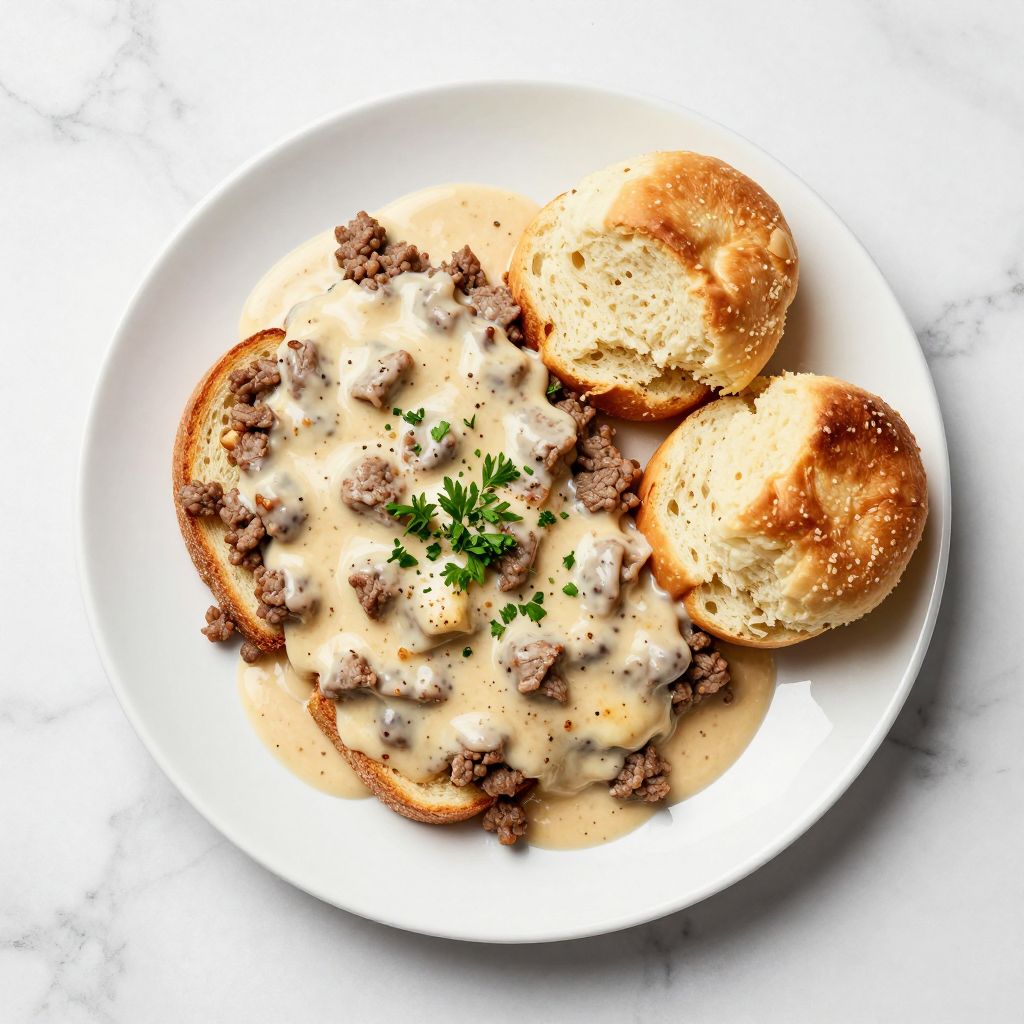
The secret to a creamy, tangy sauce that transforms ordinary chicken into something restaurant-worthy sits in your pantry right now. SOS Recipe, short for “sauce on the side” or sometimes playfully called “same old stuff,” brings rich, savory comfort to your dinner table in under 30 minutes. This classic American dish features tender pieces of meat smothered in a velvety cream sauce, served over toast, biscuits, or mashed potatoes.
What makes this recipe stand out is its simplicity paired with its ability to satisfy. The sauce clings perfectly to every morsel, delivering that nostalgic diner-style experience without leaving your kitchen.
Why You’ll Love This Recipe
This recipe delivers maximum comfort with minimal fuss, making it perfect for busy weeknights or lazy weekends. You probably have most ingredients already waiting in your kitchen.
- Ready in 25 minutes from start to finish
- Uses simple pantry staples and basic cooking techniques
- Incredibly budget-friendly without sacrificing flavor
- Easily doubles or triples for meal prep or feeding a crowd
- Versatile enough to customize with whatever protein you have on hand
My Experience Making This Recipe
The first time I made this recipe, the aroma of butter and herbs filled my kitchen within minutes. I was skeptical that something so simple could taste so satisfying, but one bite proved me wrong.
The sauce came together smoother than I expected, coating the back of my spoon with that perfect creamy consistency. My family devoured it over buttered toast, scraping their plates clean and asking for seconds before I’d even finished my first serving.
I’ve made this at least a dozen times since, tweaking the seasonings and trying different proteins. It never fails to deliver that cozy, fill-you-up satisfaction that makes you understand why comfort food earned its name.
Recipe Overview
- Recipe Name: SOS Recipe (Creamed Ground Beef)
- Servings: 6
- Prep Time: 10 minutes
- Cook Time: 15 minutes
- Total Time: 25 minutes
- Course: Main Course
- Cuisine: American
- Calories per Serving: 285
Equipment You Will Need
- Large skillet or frying pan (12-inch works best)
- Wooden spoon or spatula
- Whisk
- Measuring cups and spoons
- Toaster for bread or oven for biscuits
Ingredients for SOS Recipe
- 1 pound ground beef (80/20 blend preferred)
- 3 tablespoons butter
- 1/4 cup all-purpose flour
- 2 1/2 cups whole milk
- 1 teaspoon garlic powder
- 1 teaspoon onion powder
- 1/2 teaspoon black pepper
- 1 teaspoon salt (adjust to taste)
- 1/4 teaspoon cayenne pepper (optional)
- 6 slices bread, toasted, or 6 biscuits
- Fresh parsley for garnish (optional)
Ingredient Notes and Substitutions
- Ground beef: The fat content keeps the sauce rich and flavorful; you can substitute ground turkey or chicken for a leaner option, though you’ll need to add extra butter.
- Butter: Creates the roux base and adds richness to the sauce; substitute with olive oil or bacon grease if needed, though butter gives the best flavor.
- All-purpose flour: Thickens the sauce and creates that classic gravy texture; use cornstarch (2 tablespoons) mixed with cold water as a gluten-free alternative.
- Whole milk: Provides creaminess and body to the sauce; you can use 2% milk but the sauce will be slightly thinner, or try half-and-half for extra richness.
- Garlic and onion powder: Add depth without the texture of fresh aromatics; fresh minced garlic (2 cloves) and diced onion (1/4 cup) work great if you prefer, just sauté them first.
- Bread or biscuits: The traditional vehicle for this saucy dish; serve over mashed potatoes, rice, or egg noodles for variety.
How to Make SOS Recipe
Step 1: Brown the Ground Beef
Place your large skillet over medium-high heat and add the ground beef. Break it apart with your wooden spoon as it cooks, creating small crumbles rather than large chunks.
Cook for 6 to 8 minutes until no pink remains and the meat develops some browned bits. These browned pieces add depth to your sauce, so don’t rush this step by cooking on heat that’s too low.
Step 2: Drain Excess Fat
Once the beef is fully cooked, tilt your pan and carefully spoon out most of the excess fat, leaving about 1 tablespoon in the pan. Too much fat will make your sauce greasy, but keeping a small amount helps carry the beef flavor into the sauce.
Push the cooked beef to the sides of the pan, creating a well in the center for the next step. This technique prevents the meat from getting soggy while you build the roux.
Step 3: Create the Roux
Add the butter to the center of your pan where you created that well. Let it melt completely, then sprinkle the flour over the melted butter.
Stir the flour and butter together vigorously for about 2 minutes until it forms a paste and turns slightly golden. This cooking time removes the raw flour taste and creates the foundation for a smooth, lump-free sauce.
Step 4: Add the Seasonings
Sprinkle the garlic powder, onion powder, salt, black pepper, and cayenne (if using) directly into the roux. Stir everything together for about 30 seconds.
Toasting the spices in the hot roux releases their essential oils and intensifies their flavors. You’ll notice the aroma become more pronounced, which signals the spices are ready for the liquid.
Step 5: Gradually Add the Milk
Pour in about 1/2 cup of milk while whisking constantly. The mixture will seize up and look lumpy at first, but keep whisking.
Add the remaining milk in a slow, steady stream while continuing to whisk. This gradual addition prevents lumps from forming and helps the flour absorb the liquid evenly, creating that silky texture you want.
Step 6: Combine and Simmer
Mix the beef back into the sauce, stirring everything together until well combined. Reduce the heat to medium-low and let the mixture simmer gently.
Cook for 5 to 7 minutes, stirring occasionally, until the sauce thickens enough to coat the back of your spoon. The simmering time allows the flavors to meld and the sauce to reach the perfect consistency that clings to your serving base.
Step 7: Adjust Seasonings
Taste your sauce and add more salt and pepper if needed. The seasoning requirements can vary depending on your beef’s salt content and personal preference.
If the sauce seems too thick, whisk in milk one tablespoon at a time until you reach your desired consistency. If it’s too thin, let it simmer for another 2 to 3 minutes.
Step 8: Toast and Serve
While your sauce finishes simmering, toast your bread slices until golden brown or warm your biscuits. The slight crunch or fluffy texture provides the perfect contrast to the creamy sauce.
Place one or two pieces of toast or one biscuit on each plate, then ladle the creamy beef mixture generously over top. Garnish with fresh parsley if desired and serve immediately while hot.
Pro Tip: Make your roux over medium heat rather than high heat. Rushing this step causes the flour to burn before it cooks properly, leaving you with a bitter sauce and a grainy texture that no amount of whisking can fix.
Tips for the Best SOS Recipe
- Use room temperature milk to prevent the sauce from seizing when you add it to the hot roux. Cold milk can cause the mixture to clump and require extra whisking to smooth out.
- Don’t skip browning the meat properly. Those caramelized bits stuck to the pan add serious flavor to your finished sauce.
- Keep your whisk handy throughout the entire cooking process. Quick stirring when you add the milk prevents lumps better than trying to smooth them out later.
- Season in layers by adding some salt and pepper to the beef while it cooks, then adjusting again at the end. This builds more complex flavor than adding all your seasoning at once.
- Let the sauce rest for 2 minutes off the heat before serving. It continues to thicken during this time and reaches the ideal consistency.
- Warm your serving plates in a low oven for a few minutes. Hot plates keep your SOS at the perfect temperature from kitchen to table.
Common Mistakes to Avoid
- Adding all the milk at once creates a lumpy, uneven sauce that never fully smooths out no matter how much you whisk.
- Cooking on too high heat after adding the milk causes the sauce to break or develop a grainy texture instead of staying creamy.
- Using pre-cooked or leftover ground beef results in dry, tough meat since it gets cooked twice and loses moisture.
- Skipping the step of cooking the flour in the butter leaves you with a sauce that tastes starchy and raw rather than rich and savory.
- Over-draining the beef removes all the flavorful fat, leaving your sauce bland and requiring you to add extra butter to compensate.
Serving Suggestions
This hearty dish pairs beautifully with simple sides that won’t compete with its rich, savory flavor. Think about textures and temperatures that complement the creamy sauce.
- Serve over warm buttermilk biscuits split in half for a traditional Southern-style presentation
- Pair with a crisp green salad dressed in vinaigrette to cut through the richness
- Add a side of roasted vegetables like green beans or Brussels sprouts for color and nutrition
- Serve alongside hash browns or home fries for a satisfying breakfast-for-dinner meal
- Offer pickles or pickled vegetables on the side for a tangy contrast that refreshes your palate
Variations to Try
- Sausage SOS: Replace the ground beef with breakfast sausage for a spicier, more heavily seasoned version that’s perfect for brunch. The fennel and sage notes in the sausage add complexity to the cream sauce.
- Mushroom lover’s version: Sauté 8 ounces of sliced mushrooms with the beef for an earthy, umami-rich variation. The mushrooms soak up the sauce and add a meaty texture that beef-only versions lack.
- Cheesy SOS: Stir in 1 cup of shredded cheddar or Monterey Jack cheese just before serving for an extra indulgent, gooey sauce. The cheese adds tang and makes the dish even more crave-worthy.
- Herb-infused: Add 1 teaspoon of dried thyme and 1/2 teaspoon of sage to the roux for a more herbaceous, sophisticated flavor profile. Fresh herbs work too, just double the amount.
- Spicy Cajun style: Replace the basic seasonings with 2 tablespoons of Cajun seasoning and add diced bell peppers with the beef. This transforms the mild comfort food into something with serious kick and personality.
Dietary Adaptations
- Gluten-free: Substitute the all-purpose flour with a gluten-free flour blend or cornstarch (use 2 tablespoons cornstarch mixed with 2 tablespoons cold water). The texture will be nearly identical, though cornstarch creates a slightly glossier sauce.
- Dairy-free: Replace butter with olive oil or dairy-free butter, and use unsweetened oat milk or cashew cream in place of regular milk. The sauce will be thinner but still flavorful, so you may need an extra tablespoon of flour.
- Vegetarian: Use plant-based ground meat substitute or cooked lentils instead of beef, adding extra seasoning to compensate for the milder flavor. Mushrooms and walnuts pulsed together also create a convincing meat texture.
- Low-carb/Keto: Serve over cauliflower mash instead of bread and use almond flour for the roux (you’ll need about 1/3 cup). Heavy cream instead of milk keeps it rich while cutting the carbs significantly.
Storage and Reheating
Refrigerator
Store leftover SOS in an airtight container in the refrigerator for up to 3 days. The sauce will thicken considerably as it cools, which is completely normal.
- Let the mixture cool to room temperature before sealing and refrigerating
- Store separately from bread or biscuits to prevent sogginess
- Label the container with the date so you know when to use it by
Freezer
This recipe freezes well for up to 3 months if stored properly. The texture may change slightly but remains perfectly edible and tasty.
- Portion into freezer-safe containers or heavy-duty freezer bags
- Remove as much air as possible to prevent freezer burn
- Lay bags flat for easier storage and quicker thawing
- Thaw overnight in the refrigerator before reheating
Reheating
Reheat gently to prevent the sauce from breaking or becoming grainy. Low and slow wins this race every time.
- Stovetop: Warm over medium-low heat, stirring frequently and adding milk (1 to 2 tablespoons) to restore the creamy consistency
- Microwave: Heat in 1-minute intervals at 50% power, stirring between each interval, until heated through
- Add a splash of milk or cream while reheating to thin the sauce back to its original texture
Nutrition Information
| Nutrient | Amount |
|---|---|
| Calories | 285 |
| Total Fat | 16g |
| Saturated Fat | 8g |
| Carbohydrates | 14g |
| Fiber | 0g |
| Sugar | 6g |
| Protein | 20g |
| Sodium | 520mg |
| Cholesterol | 65mg |
Nutritional values are approximate and calculated based on the ingredients listed. Values may vary based on specific brands used and portion sizes.
Frequently Asked Questions
Can I use ground turkey instead of beef?
Absolutely, ground turkey works perfectly in this recipe. Just add an extra tablespoon of butter since turkey is leaner and the sauce needs that fat for richness and flavor.
Can I make this ahead of time?
You can prepare the entire dish up to 2 days in advance and refrigerate it. Reheat gently on the stovetop with a splash of milk to restore the creamy texture before serving.
Why is my sauce lumpy?
Lumps form when you add the milk too quickly or don’t whisk vigorously enough. Next time, add the milk gradually while whisking constantly, and make sure your roux is smooth before adding any liquid.
How do I make the sauce thicker or thinner?
For a thicker sauce, let it simmer longer or add an extra tablespoon of flour to the roux. For a thinner consistency, whisk in additional milk one tablespoon at a time until you reach your desired texture.
Can I add vegetables to this recipe?
Definitely, diced onions, bell peppers, peas, or mushrooms all work wonderfully. Sauté harder vegetables with the beef so they have time to soften, or stir in pre-cooked vegetables at the end.
What does SOS actually stand for?
The acronym traditionally means “same old stuff” or sometimes “sauce on the side,” though some folks use more colorful language. It became popular as a military mess hall staple known for being cheap, filling, and made from pantry basics.
Why is my sauce grainy instead of smooth?
A grainy texture happens when you cook the sauce over heat that’s too high after adding the milk, causing the proteins to separate. Always use medium to medium-low heat and stir frequently once the milk goes in.
Final Thoughts
This SOS recipe proves that the best comfort food doesn’t need fancy ingredients or complicated techniques. With a handful of pantry staples and 25 minutes, you can create a satisfying meal that warms you from the inside out.
Give this recipe a try the next time you need something hearty, budget-friendly, and guaranteed to please.
SOS Recipe (Creamed Ground Beef)

This classic American comfort food features tender ground beef in a velvety cream sauce, served over toast or biscuits. Ready in just 25 minutes with simple pantry staples, it’s the ultimate budget-friendly, satisfying meal that delivers nostalgic diner-style flavor.
- Large skillet or frying pan (12-inch)
- Wooden spoon or spatula
- Whisk
- Measuring cups and spoons
- Toaster for bread or oven for biscuits
Main
- 1 pound ground beef (80/20 blend preferred)
- 3 tablespoons butter
- 1/4 cup all-purpose flour
- 2 1/2 cups whole milk
- 1 teaspoon garlic powder
- 1 teaspoon onion powder
- 1/2 teaspoon black pepper
- 1 teaspoon salt (adjust to taste)
- 1/4 teaspoon cayenne pepper (optional)
- 6 slices bread (toasted, or 6 biscuits)
- Fresh parsley for garnish (optional)
- Place your large skillet over medium-high heat and add the ground beef. Break it apart with your wooden spoon as it cooks, creating small crumbles. Cook for 6 to 8 minutes until no pink remains and the meat develops some browned bits.
- Once the beef is fully cooked, tilt your pan and carefully spoon out most of the excess fat, leaving about 1 tablespoon in the pan. Push the cooked beef to the sides of the pan, creating a well in the center.
- Add the butter to the center of your pan where you created the well. Let it melt completely, then sprinkle the flour over the melted butter. Stir the flour and butter together vigorously for about 2 minutes until it forms a paste and turns slightly golden.
- Sprinkle the garlic powder, onion powder, salt, black pepper, and cayenne (if using) directly into the roux. Stir everything together for about 30 seconds to toast the spices.
- Pour in about 1/2 cup of milk while whisking constantly. Add the remaining milk in a slow, steady stream while continuing to whisk until smooth.
- Mix the beef back into the sauce, stirring everything together until well combined. Reduce the heat to medium-low and let the mixture simmer gently for 5 to 7 minutes, stirring occasionally, until the sauce thickens enough to coat the back of your spoon.
- Taste your sauce and add more salt and pepper if needed. If the sauce seems too thick, whisk in milk one tablespoon at a time. If too thin, let it simmer for another 2 to 3 minutes.
- While your sauce finishes simmering, toast your bread slices until golden brown or warm your biscuits. Place one or two pieces of toast or one biscuit on each plate, then ladle the creamy beef mixture generously over top. Garnish with fresh parsley if desired and serve immediately.
Make your roux over medium heat rather than high heat to prevent burning. Use room temperature milk to prevent the sauce from seizing. The sauce will thicken as it sits, so add a splash of milk when reheating. Store leftovers in an airtight container in the refrigerator for up to 3 days or freeze for up to 3 months.