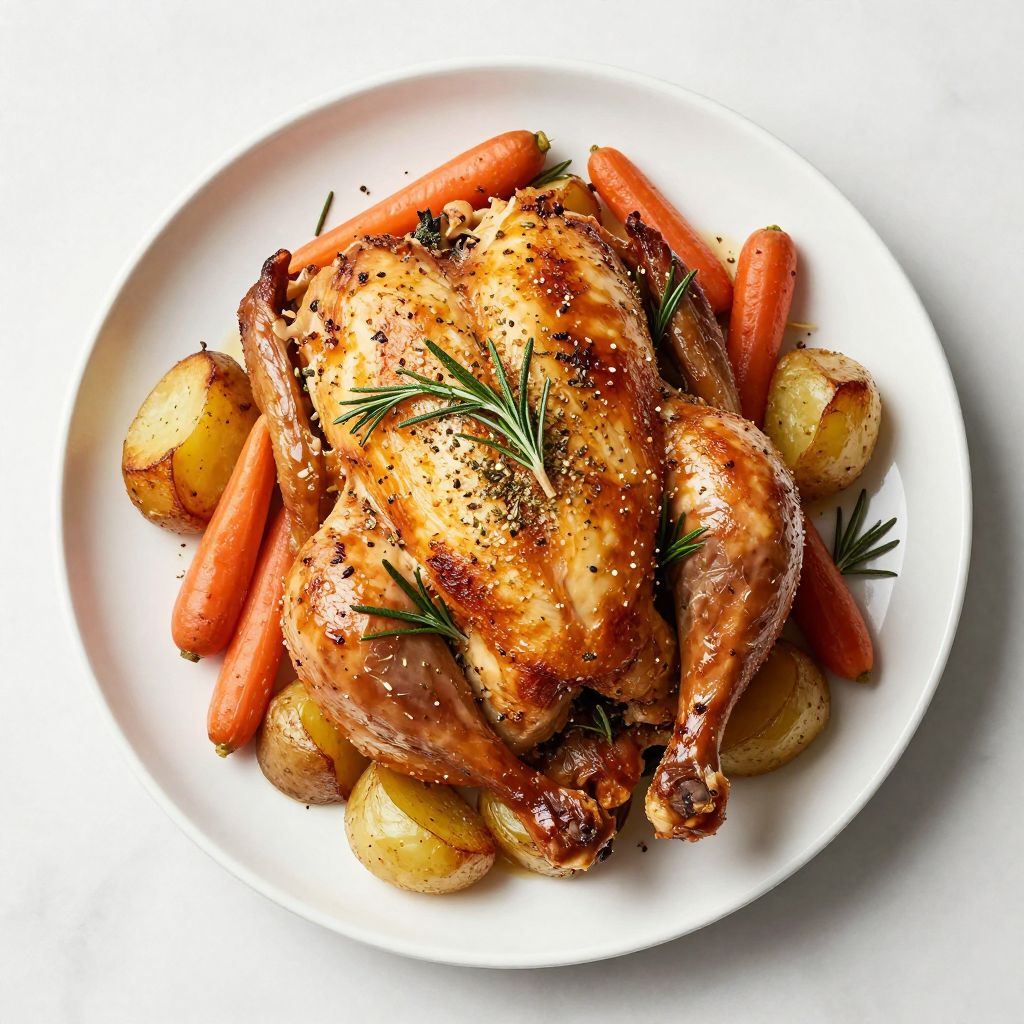
Poultry seasoning recipe transforms chicken, turkey, and other dishes with a warm blend of herbs that brings comfort and flavor to your table. This homemade spice mix takes just five minutes to make and delivers better taste than anything you’ll find in a store jar.
You probably already have most of these herbs sitting in your pantry right now. Let me show you how to create this versatile seasoning that will become your secret weapon for roasts, stuffings, and so much more.
Why You’ll Love This Recipe
Making your own poultry seasoning gives you complete control over freshness and flavor intensity. You’ll never go back to store-bought once you taste the difference.
- Ready in 5 minutes with simple pantry staples you likely own
- Costs a fraction of pre-made blends and tastes significantly fresher
- Customizable to your taste preferences without fillers or additives
- Perfect for chicken, turkey, pork, vegetables, and bread stuffings
- Stores for up to six months in an airtight container
My Experience Making This Recipe
I started making my own poultry seasoning three years ago after tasting a bland store-bought version on my Thanksgiving turkey. The difference shocked me when I mixed my own batch using fresh herbs from my spice drawer.
The aroma that filled my kitchen when I combined these herbs reminded me of my grandmother’s holiday cooking. My family noticed immediately when I used this homemade blend on roasted chicken, asking what I did differently.
Now I mix up a big batch every few months and give small jars as gifts to friends who cook. Nobody has complained yet, and several have asked for the recipe multiple times.
Recipe Overview
- Recipe Name: Homemade Poultry Seasoning
- Yield: About 1/3 cup (enough for 8-10 uses)
- Prep Time: 5 minutes
- Cook Time: 0 minutes
- Total Time: 5 minutes
- Course: Seasoning/Condiment
- Cuisine: American
- Calories per Serving: 5 calories per teaspoon
Equipment You Will Need
- Small mixing bowl
- Measuring spoons
- Whisk or fork for combining
- Airtight glass jar or container for storage
- Small funnel (optional but helpful)
- Label and marker for dating your blend
Ingredients for Poultry Seasoning Recipe
- 2 tablespoons dried sage
- 1 tablespoon dried thyme
- 1 tablespoon dried marjoram
- 1 tablespoon dried rosemary, crushed or finely ground
- 2 teaspoons dried oregano
- 1 teaspoon ground black pepper
- 1 teaspoon ground nutmeg
- 1/2 teaspoon ground ginger
Ingredient Notes and Substitutions
- Sage: The dominant flavor in traditional poultry seasoning that provides earthy, slightly peppery notes. You can reduce it to 1 tablespoon if you find sage too strong for your palate.
- Thyme: Adds a subtle minty and lemony undertone that balances the sage beautifully. Substitute with summer savory for a slightly peppery variation.
- Marjoram: Contributes sweet, floral notes similar to oregano but more delicate. Replace with equal parts oregano if marjoram is unavailable, though the flavor will be bolder.
- Rosemary: Provides piney, woodsy depth that complements roasted meats perfectly. Make sure to grind it finely or use pre-ground rosemary to avoid large, tough pieces.
- Nutmeg: Brings warm, slightly sweet complexity that makes the blend more interesting. Reduce to 1/2 teaspoon if you’re sensitive to warming spices.
- Ginger: Adds subtle warmth and a hint of brightness that lifts the heavier herbs. Leave it out entirely for a more traditional, herb-focused blend.
How to Make Poultry Seasoning Recipe
Step 1: Prepare Your Rosemary
If using whole dried rosemary leaves, crush them between your fingers or grind them in a spice grinder until they reach a consistency similar to your other dried herbs. Rosemary leaves are tougher and woodier than other herbs, so breaking them down prevents unpleasant texture surprises in your finished dishes.
Step 2: Measure All Ingredients
Measure out each dried herb and spice carefully using proper measuring spoons, leveling off the tops for accuracy. Precision matters here because the ratios create the balanced flavor profile that makes this seasoning work so well.
Step 3: Combine Herbs in Bowl
Add all measured ingredients to your small mixing bowl, starting with the larger quantities like sage and working down to the smaller amounts like ginger. Grouping them in the bowl makes the next step easier and more effective.
Step 4: Whisk the Blend Thoroughly
Use a small whisk or fork to mix the ingredients together for at least 30 seconds, making sure every component is evenly distributed throughout. Proper mixing ensures that each spoonful you use contains the same balanced flavor rather than pockets of individual spices.
Step 5: Check Consistency
Examine your blend for any large pieces of herbs that didn’t break down properly, especially rosemary chunks. If you spot any, either pick them out and re-crush them, or give the whole batch a quick pulse in a spice grinder for better uniformity.
Step 6: Test the Aroma
Take a small pinch and rub it between your fingers, then smell it to assess the fragrance. The aroma should be herbaceous and warm with sage as the most prominent note but not overwhelming the other herbs.
Step 7: Transfer to Storage Container
Use a small funnel to transfer your poultry seasoning into a clean, dry, airtight glass jar or spice container. Glass containers work better than plastic because they don’t absorb odors and keep the blend fresher longer.
Step 8: Label and Store Properly
Write the name and date on your container using a label or piece of tape, then store it in a cool, dark place away from heat and moisture. Proper storage in your pantry or spice cabinet will keep this blend flavorful for up to six months.
Pro Tip: Make a double batch and store half in the freezer to preserve the volatile oils in the herbs for up to a year, pulling it out only when you need to refill your active jar.
Tips for the Best Poultry Seasoning Recipe
- Buy whole dried herbs and crush them yourself just before mixing for maximum flavor and aroma. Pre-ground herbs lose potency faster on store shelves.
- Shake your storage jar before each use because the finer spices like ginger and nutmeg tend to settle to the bottom. This ensures consistent flavor in every application.
- Toast your dried herbs in a dry skillet over low heat for 1-2 minutes before mixing to wake up their essential oils. Let them cool completely before combining with the ground spices.
- Adjust the sage level based on your preference, as it dominates the flavor profile significantly. Start with less if you’re unsure, then add more to suit your taste.
- Store a small amount in a jar near your stove for daily use and keep the bulk supply in a separate container. This prevents the main batch from degrading due to repeated exposure to heat and humidity.
- Mix this blend with softened butter and fresh garlic to create an incredible compound butter for turkey or chicken. Spread it under the skin before roasting for maximum flavor impact.
Common Mistakes to Avoid
- Using old, expired herbs that have lost their color and aroma creates a bland seasoning that disappoints. Check your herbs by crushing a pinch; if the smell is weak, replace them.
- Leaving rosemary pieces too large makes the seasoning unpleasant to eat and creates woody bits in your food. Always crush or grind rosemary to match the texture of your other herbs.
- Skipping the thorough mixing step results in uneven flavor distribution where some bites taste overwhelmingly of one herb. Whisk properly for at least 30 seconds.
- Storing the blend near your stove or in direct sunlight accelerates flavor loss through heat and light exposure. Keep it in a cool, dark cabinet instead.
- Making too much at once when your herbs are already old means you’ll have bland seasoning for months. Mix smaller batches more frequently when starting with fresher ingredients.
Serving Suggestions
This versatile seasoning works beautifully on any poultry but also shines on pork chops, roasted vegetables, and creamy soups. Think beyond just rubbing it on meat before cooking.
- Rub generously over a whole chicken or turkey before roasting, mixing with olive oil for better adhesion
- Stir into bread cubes with butter and broth to make classic sage stuffing or dressing
- Add to cream sauce or gravy for pasta dishes featuring chicken or mushrooms
- Sprinkle over roasted root vegetables like carrots, parsnips, and sweet potatoes before baking
- Mix into ground turkey or chicken for flavorful meatballs, burgers, or meatloaf
Variations to Try
- Lemon Herb Variation: Add 1 tablespoon of dried lemon peel for a bright, citrusy twist that works beautifully with fish and lighter poultry dishes. The lemon cuts through the earthiness of the sage.
- Spicy Version: Include 1/2 teaspoon of cayenne pepper or red pepper flakes for heat that complements the herbs without overwhelming them. This version pairs exceptionally well with grilled chicken.
- Mediterranean Style: Replace half the sage with additional oregano and add 1 teaspoon of garlic powder for a more Italian-inspired profile. Use this on chicken breasts before pan-searing.
- Reduced Sage Blend: Cut the sage down to 1 tablespoon and increase the thyme and marjoram to 1.5 tablespoons each for a milder, more balanced herb flavor. This works better if you find traditional poultry seasoning too assertive.
- Savory Twist: Substitute the marjoram with summer savory and add 1/2 teaspoon of celery seed for a more complex, slightly bitter note. This variation excels in stuffing recipes.
Dietary Adaptations
- Gluten-Free: This seasoning is naturally gluten-free as long as you verify your dried herbs haven’t been processed in facilities with cross-contamination. Check labels if you have severe celiac disease.
- Low-Sodium: This blend contains no added salt, making it perfect for low-sodium diets where you need flavor without increasing salt intake. Add salt separately to control your intake precisely.
- Vegan and Vegetarian: The seasoning itself is completely plant-based and suitable for all vegan and vegetarian applications. Use it on roasted vegetables, plant-based proteins, or in mushroom-based dishes.
- Keto and Low-Carb: With less than 1 gram of carbohydrates per teaspoon, this seasoning fits perfectly into ketogenic and low-carb meal plans. The herbs add massive flavor to simple proteins without impacting macros.
Storage and Reheating
Refrigerator
Refrigeration isn’t necessary for dried herb blends and can actually introduce moisture that degrades quality. Store this seasoning at room temperature in a pantry instead.
- If you live in an extremely humid climate, refrigeration can prevent clumping
- Always bring refrigerated seasoning to room temperature before using
Freezer
Freezing works beautifully for extending the life of this blend up to one year while preserving volatile oils. Transfer half your batch to a small freezer-safe container.
- Use a vacuum-sealed bag or airtight container to prevent freezer burn
- Label clearly with the date and contents
- Scoop out what you need without thawing the entire batch
Reheating
This is a dry seasoning blend that never requires reheating. Simply measure out what you need and use it directly.
- Add at the beginning of cooking for maximum flavor infusion
- Sprinkle on at the end for more pronounced herb notes
Nutrition Information
| Nutrient | Amount |
|---|---|
| Calories | 5 |
| Total Fat | 0.2g |
| Saturated Fat | 0g |
| Carbohydrates | 1g |
| Fiber | 0.5g |
| Sugar | 0g |
| Protein | 0.2g |
| Sodium | 1mg |
| Cholesterol | 0mg |
Nutrition information is approximate and based on one teaspoon serving size. Actual values may vary depending on the specific brands and types of dried herbs you use.
Frequently Asked Questions
Can I use fresh herbs instead of dried herbs for this blend?
Fresh herbs contain too much moisture to store as a dry seasoning blend and will spoil quickly. If you want to use fresh herbs, chop them finely and use them immediately, tripling the quantities since fresh herbs are less concentrated than dried.
How long does homemade poultry seasoning stay fresh?
Properly stored in an airtight container away from heat and light, this blend maintains good flavor for up to six months. Check the aroma periodically; when it starts smelling faint or stale, make a fresh batch.
Can I make this seasoning without marjoram since it’s hard to find?
Replace marjoram with equal parts additional oregano or use a combination of oregano and basil for a similar sweet, floral quality. The flavor will shift slightly but will still work well on poultry.
Why is my poultry seasoning clumping in the jar?
Moisture exposure causes herbs to clump together and can lead to mold growth. Add a few grains of dry rice to your storage jar to absorb excess humidity, or store the jar in a drier location.
How much poultry seasoning should I use per pound of chicken or turkey?
Use approximately 1 to 1.5 teaspoons of seasoning per pound of poultry for balanced flavor. Start with less if you’re unsure, then adjust based on your taste preferences in future preparations.
Can I add salt directly to this seasoning blend?
You can add salt, but keeping it separate gives you better control over sodium levels in different dishes. If you prefer convenience, add 1 to 2 tablespoons of fine sea salt to the blend and label it clearly.
Does grinding my herbs fresh really make a difference?
Grinding herbs just before mixing releases their essential oils and creates noticeably fresher, more aromatic seasoning. Pre-ground herbs lose potency over time, so fresher preparation yields better results.
Final Thoughts
Making your own poultry seasoning puts you in control of what goes into your food while saving money and delivering better flavor. This simple blend will elevate everything from weeknight chicken dinners to your holiday turkey.
Mix up a batch today and taste the difference that fresh, homemade seasoning makes in your cooking. Your family will notice, and you’ll wonder why you ever bothered with store-bought versions.
Homemade Poultry Seasoning

This homemade poultry seasoning transforms chicken, turkey, and other dishes with a warm blend of herbs that brings comfort and flavor to your table. This spice mix takes just five minutes to make and delivers better taste than store-bought versions.
- Small mixing bowl
- Measuring spoons
- Whisk or fork
- Airtight glass jar or container
- Small funnel (optional)
- Label and marker
Main
- 2 tablespoons dried sage
- 1 tablespoon dried thyme
- 1 tablespoon dried marjoram
- 1 tablespoon dried rosemary (crushed or finely ground)
- 2 teaspoons dried oregano
- 1 teaspoon ground black pepper
- 1 teaspoon ground nutmeg
- 1/2 teaspoon ground ginger
- If using whole dried rosemary leaves, crush them between your fingers or grind them in a spice grinder until they reach a consistency similar to your other dried herbs to prevent unpleasant texture surprises.
- Measure out each dried herb and spice carefully using proper measuring spoons, leveling off the tops for accuracy.
- Add all measured ingredients to your small mixing bowl, starting with the larger quantities like sage and working down to the smaller amounts like ginger.
- Use a small whisk or fork to mix the ingredients together for at least 30 seconds, making sure every component is evenly distributed throughout.
- Examine your blend for any large pieces of herbs that didn’t break down properly, especially rosemary chunks. If you spot any, either pick them out and re-crush them, or give the whole batch a quick pulse in a spice grinder.
- Take a small pinch and rub it between your fingers, then smell it to assess the fragrance. The aroma should be herbaceous and warm with sage as the most prominent note.
- Use a small funnel to transfer your poultry seasoning into a clean, dry, airtight glass jar or spice container.
- Write the name and date on your container using a label or piece of tape, then store it in a cool, dark place away from heat and moisture. Proper storage will keep this blend flavorful for up to six months.
Make a double batch and store half in the freezer to preserve the volatile oils in the herbs for up to a year. Shake your storage jar before each use because the finer spices tend to settle to the bottom. For maximum flavor, buy whole dried herbs and crush them yourself just before mixing. This blend is naturally gluten-free, vegan, low-sodium, and keto-friendly.