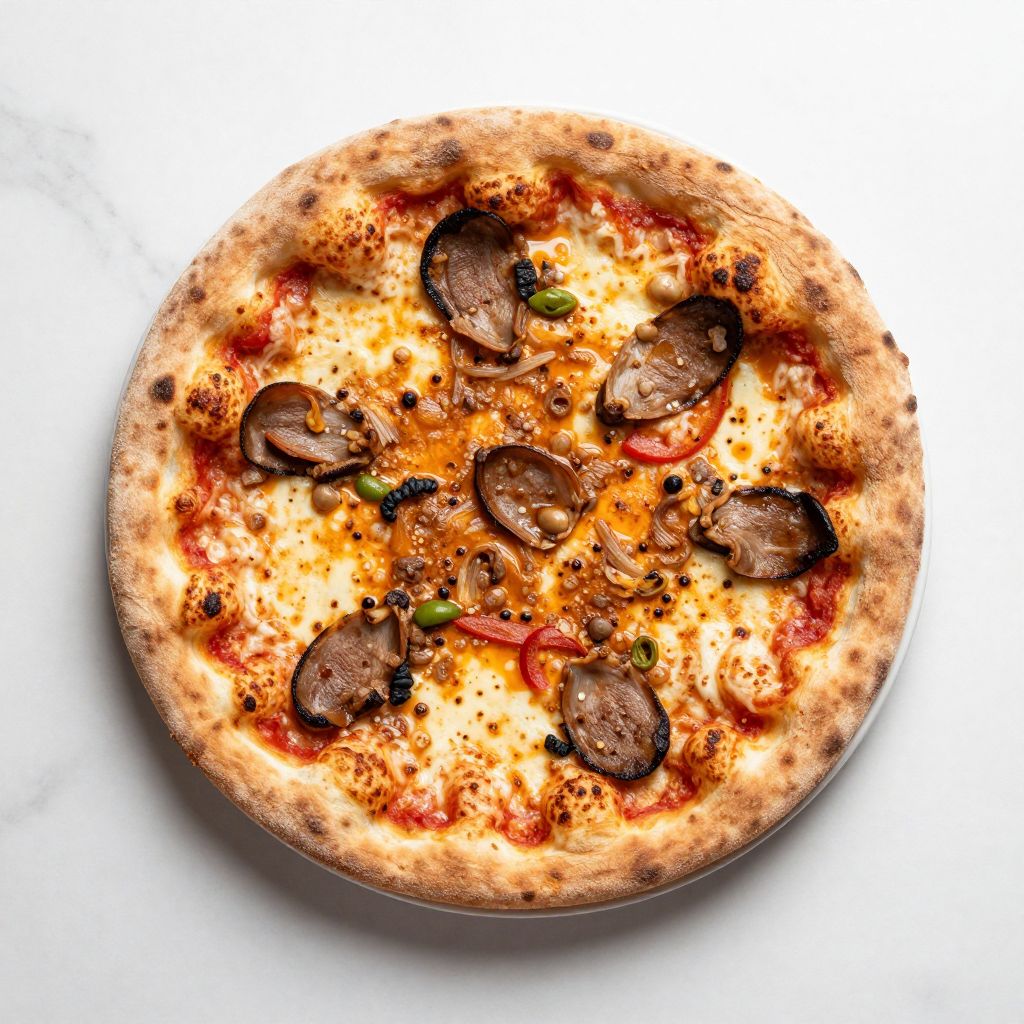
The smell of a pizza rustica fresh from the oven hits you like a warm embrace from an Italian grandmother who insists you eat more. This towering, savory pie stuffed with cured meats, cheese, and eggs is not your typical pizza—it’s a celebration of indulgence wrapped in buttery pastry crust.
What makes this recipe special is how it transforms simple ingredients into something truly memorable. You get crispy pastry outside, tender egg-enriched filling inside, and layers of flavor that keep you coming back for slice after slice.
Whether you’re making it for Easter dinner, a special brunch, or just because you deserve something spectacular, pizza rustica delivers restaurant-quality results at home. The good news? It’s far easier to make than it looks, and once you nail the technique, you’ll be making it constantly.
Why You’ll Love This Recipe
This recipe combines impressive presentation with genuinely simple techniques that yield stunning results every single time.
- Flaky, buttery pastry crust that shatters when you bite into it
- Rich, savory filling loaded with Italian meats, creamy cheeses, and soft-cooked eggs
- Makes 8 to 10 generous servings, perfect for feeding a crowd
- Can be made a day ahead, then baked fresh when guests arrive
- Looks like you spent hours in the kitchen when you really didn’t
My Experience Making This Recipe
The first time I made pizza rustica, I was skeptical that layering cured meats and cheese into pie crust would actually work. Then I pulled it out of the oven, let it cool for ten minutes, and sliced into it—and I was instantly converted.
The aroma alone filled my entire kitchen with this incredible savory perfume of roasted meats and melted cheese. My family gathered around before it even cooled completely, peppering me with questions about when I’d learned to make this and could I please make it again next week.
What impressed me most was how forgiving the recipe turned out to be. I made a small mess with the egg mixture, overflowed slightly at one point, and yet the final result looked absolutely pristine and tasted restaurant-quality. That’s when I knew this was a recipe worth sharing.
Recipe Overview
- Recipe Name: Pizza Rustica
- Servings: 8 to 10 servings
- Prep Time: 30 minutes
- Cook Time: 50 minutes
- Total Time: 1 hour 20 minutes
- Course: Main Course or Appetizer
- Cuisine: Italian
- Calories per Serving: 520
Equipment You Will Need
- 9-inch round cake pan or springform pan
- Rolling pin
- Mixing bowls (large and medium)
- Whisk
- Sharp knife and cutting board
- Measuring cups and spoons
- Kitchen shears (optional, for easy meat cutting)
- Oven
- Parchment paper
Ingredients for Pizza Rustica
For the Crust
- 2 packages (17.3 ounces each) frozen puff pastry, thawed
- 1 egg, beaten (for egg wash)
- 1 tablespoon water
For the Filling
- 6 ounces prosciutto, diced
- 6 ounces capicola or Italian ham, diced
- 6 ounces salami, diced
- 2 cups whole milk ricotta cheese
- 1.5 cups shredded mozzarella cheese
- 1 cup grated Pecorino Romano cheese
- 8 large eggs
- 1/4 cup fresh Italian parsley, finely chopped
- 1 teaspoon black pepper
- 1/2 teaspoon salt (adjust to taste, as meats add salt)
- 1/4 teaspoon red pepper flakes (optional)
Ingredient Notes and Substitutions
- Puff pastry: This creates the signature flaky crust that makes pizza rustica so irresistible. You can make your own, but store-bought saves considerable time with virtually identical results.
- Prosciutto: The king of Italian cured meats, prosciutto adds delicate saltiness and umami depth. Substitute with additional capicola or high-quality ham if needed, though the final flavor will be slightly less refined.
- Capicola: This spiced cured meat brings peppery warmth to the filling. Replace with mortadella or additional salami if capicola is unavailable in your area.
- Salami: The robust, garlicky notes from salami balance the richness of cheese and eggs. Any Italian salami works; genoa salami and soppressata both perform beautifully.
- Ricotta cheese: Whole milk ricotta creates a creamy, luxurious texture that lower-fat versions cannot match. If only low-fat ricotta is available, add an extra egg yolk to compensate for lost richness.
- Mozzarella: Use freshly shredded mozzarella rather than pre-shredded, as the latter contains anti-caking agents that prevent smooth melting. Fresh mozzarella would make the filling too wet; stick with low-moisture mozzarella.
- Pecorino Romano: This sharp, salty sheep’s milk cheese adds complexity that regular Parmesan cannot provide. You can use Parmesan in a pinch, but reduce the amount to 3/4 cup since Parmesan is less intensely flavored.
How to Make Pizza Rustica
Step 1: Prepare the Pan and Pastry
Preheat your oven to 375 degrees Fahrenheit. Line a 9-inch round cake pan or springform pan with parchment paper, allowing some overhang on the sides for easier removal later.
Thaw both puff pastry sheets if frozen, then carefully unroll them onto a clean work surface. You’ll need one sheet to line the bottom and sides of the pan, and the second sheet for the top crust.
Step 2: Line the Pan with Pastry
Lay one puff pastry sheet into your prepared pan, gently pressing it down to cover the bottom and sides. The pastry should come about halfway up the sides; this gives you room for the generous filling without overflowing.
Prick the bottom lightly with a fork to prevent excessive puffing during baking. This helps the crust stay relatively flat and manageable while still rising beautifully at the edges.
Step 3: Prepare the Meats and Cheeses
Cut the prosciutto, capicola, and salami into small dice, about 1/4 inch pieces. Uniform sizing ensures every bite contains a good mix of all three meats rather than large chunks of one or the other.
Combine the diced meats in a large mixing bowl and set aside. Having them ready before you make the egg mixture keeps the assembly process smooth and prevents the eggs from sitting around and breaking down.
Step 4: Make the Egg and Cheese Mixture
In a large mixing bowl, whisk together the 8 eggs, ricotta, shredded mozzarella, grated Pecorino Romano, chopped parsley, salt, pepper, and red pepper flakes if using. Whisk vigorously for about one minute until the mixture becomes pale and light, incorporating air that makes the filling tender rather than dense.
The mixture should look like a thick, creamy custard studded with cheese shreds. Taste a tiny spoonful on your finger and adjust seasoning; remember that the cured meats add significant salt, so go easy at first.
Step 5: Fold in the Meats
Add the diced meats to the egg and cheese mixture, then fold gently with a spatula until evenly distributed. Folding rather than stirring keeps the mixture light and prevents overworking the eggs, which would make the filling tough once baked.
Take a moment to make sure no large pockets of single meat types remain; you want balanced distribution throughout the filling.
Step 6: Fill the Crust
Pour the entire filling mixture into the pastry-lined pan, spreading it evenly with a spatula. The filling should come right up to the edge of the pastry; it’s okay if it reaches almost to the rim, as it will set during baking.
If any filling spills outside the pastry edges, wipe it away now with a damp cloth, otherwise it will burn and stick to the pan.
Step 7: Top with Second Pastry Sheet
Unroll the second puff pastry sheet and lay it over the filling, tucking the edges down around the sides where it meets the bottom crust. Press the edges together gently so the two pastry layers seal, creating a unified crust.
Don’t worry about a perfectly neat seal; the pastry is forgiving, and any minor gaps will seal up as the pastry bakes and puffs.
Step 8: Create the Egg Wash and Bake
Whisk together one egg and one tablespoon of water to create an egg wash. Brush this mixture generously over the top pastry sheet, covering every surface evenly.
Place the pan in your preheated 375-degree oven and bake for 45 to 50 minutes, until the top is deep golden brown and the filling has set through. A knife inserted through the center should come out hot and mostly clean, with just a tiny bit of creamy custard remaining.
Step 9: Cool Before Serving
Remove the pizza rustica from the oven and let it rest at room temperature for 10 to 15 minutes. This resting period allows the filling to set completely, making it much easier to slice without the filling falling apart.
If using a springform pan, release the sides now. If using a cake pan, use the parchment overhang to gently lift the entire pizza rustica onto a cutting board or serving plate before slicing.
Pro Tip: Slice pizza rustica with a serrated bread knife, using a gentle sawing motion rather than pressing down hard, which will crush the delicate pastry and cause the filling to push out the sides.
Tips for the Best Pizza Rustica
- Thaw puff pastry completely but keep it cold before using, as cold dough puffs better and creates flakier layers. Leave it in the refrigerator until the last minute, then work quickly.
- Don’t skip the egg wash; it creates that beautiful golden-brown color and adds a subtle shine that makes the final result look professionally made.
- Make sure all your filling ingredients are at room temperature before combining them, which ensures everything incorporates smoothly and prevents the eggs from cooking prematurely when you fold in other elements.
- If your kitchen is warm, briefly chill the filled pan for 10 minutes before baking to help the pastry maintain its structure and puff more impressively in the oven.
- Use a meat thermometer if you’re uncertain about doneness; the center should reach 160 to 165 degrees Fahrenheit to ensure all eggs are safely cooked through.
- For easier slicing, let the pizza rustica rest for at least 15 minutes, though up to 30 minutes is even better as the filling becomes more set and stable.
Common Mistakes to Avoid
- Overstuffing the pan so the filling overflows during baking and burns on the oven floor. Measure your filling against the pan height before adding it to the pastry.
- Using pre-shredded cheese that contains anti-caking agents, which prevents proper melting and creates a grainy texture rather than creamy richness.
- Skipping the resting period, which leads to a filling that’s still too loose and will fall apart when you slice, making each piece look messy.
- Baking at too high a temperature, which browns the pastry before the filling sets through, leaving the interior undercooked and custard-like rather than fully set.
- Cutting into the pizza rustica while it’s still hot from the oven, which causes the pastry to collapse and the filling to pour out onto the plate rather than holding its shape.
Serving Suggestions
Pizza rustica shines as a centerpiece for brunch, lunch, or a casual dinner, and it’s substantial enough to satisfy even the heartiest appetites. Serve it warm, at room temperature, or even chilled, making it incredibly versatile for any occasion.
- Simple green salad with lemon vinaigrette to cut through the richness and add brightness
- Roasted vegetables like zucchini, bell peppers, and eggplant for a lighter, veggie-forward plate
- Crusty bread or focaccia for those who want to soak up any sauce or filling that escapes the slice
- Italian antipasto platter with olives, marinated artichokes, and roasted red peppers for an authentic feast
- Sparkling prosecco or a crisp Pinot Grigio to complement the salty meats and creamy cheese
Variations to Try
- Vegetarian Version: Replace all cured meats with sauteed mushrooms, caramelized onions, and roasted red peppers. Add sun-dried tomatoes for extra depth, and the filling becomes earthy and satisfying without any meat.
- Seafood Pizza Rustica: Substitute the cured meats with cooked shrimp, flaked salmon, or canned Italian tuna mixed with a touch of lemon zest. This creates a lighter, more delicate filling that’s stunning for spring and summer entertaining.
- Spicy Version: Increase red pepper flakes to 1/2 teaspoon and add hot Italian sausage crumbles to the meat mixture for serious heat lovers. Finish with a drizzle of hot honey over the top after baking.
- Herb-Forward Version: Double the fresh parsley and add 2 tablespoons of fresh basil plus 1 tablespoon of fresh oregano to the egg mixture. This creates a more herbaceous, garden-forward flavor profile.
- Smoked Meat Version: Use smoked turkey, smoked ham, and smoked paprika in place of prosciutto and capicola for a completely different but equally delicious flavor experience.
Dietary Adaptations
- Gluten-Free: Substitute puff pastry with gluten-free puff pastry sheets, which work identically and bake to the same beautiful golden results. Check the package to ensure your brand is certified gluten-free.
- Dairy-Free: Replace ricotta with cashew cream, mozzarella with dairy-free mozzarella shreds, and Pecorino with nutritional yeast for umami depth. The texture will be slightly less creamy, but the flavors remain strong and satisfying.
- Vegetarian: Remove all cured meats and replace with an equal volume of sauteed mushrooms, caramelized onions, and sun-dried tomatoes mixed with garlic and herbs for rich, complex flavors.
- Low-Carb or Keto: Replace puff pastry with a keto dough made from almond flour, cream cheese, and eggs, then proceed with the filling as written. The result is lower-carb but slightly less crispy than traditional versions.
Storage and Reheating
Refrigerator
Cool pizza rustica completely, then wrap it tightly in plastic wrap or transfer it to an airtight container.
- Stores up to 4 days in the refrigerator
- Flavor actually improves slightly as the flavors meld together overnight
- Can be eaten cold directly from the fridge without reheating
Freezer
Wrap the cooled pizza rustica in plastic wrap, then again in aluminum foil to prevent freezer burn.
- Freezes up to 3 months with no quality loss
- Thaw in the refrigerator overnight before reheating
- Do not freeze unbaked pizza rustica, as the pastry and filling separate during freezing
Reheating
For best results, reheat pizza rustica in a 350-degree oven for 15 to 20 minutes until warmed through, which keeps the pastry crispy and the filling tender.
- Avoid microwaving, which makes the pastry soggy and unpleasant
- For a quick warm-up, cover loosely with foil to prevent over-browning while the interior heats through
- Pizza rustica tastes wonderful at room temperature, so reheating is entirely optional
Nutrition Information
| Nutrient | Amount |
|---|---|
| Calories | 520 |
| Total Fat | 35g |
| Saturated Fat | 16g |
| Carbohydrates | 28g |
| Fiber | 0g |
| Sugar | 2g |
| Protein | 28g |
| Sodium | 1,340mg |
| Cholesterol | 185mg |
These values are approximate and based on USDA data for standard ingredients. Actual nutritional content may vary depending on specific brands and portion sizes served.
Frequently Asked Questions
Can I Make Pizza Rustica a Day Ahead?
Yes, and this is actually one of the recipe’s best features. Assemble the pizza rustica completely, cover it with plastic wrap, and refrigerate for up to 24 hours before baking.
Bake it directly from the refrigerator, adding 10 to 15 minutes to the bake time since it starts cold. This makes it perfect for entertaining when you want to prep ahead.
What If I Cannot Find Capicola?
Capicola is widely available in most supermarkets near other Italian cured meats, but if your store doesn’t carry it, substitute with mortadella or additional salami. The final flavor will shift slightly but remain delicious and authentic.
Some people even use Italian sausage in place of capicola for a different but equally valid result.
Why Is My Pizza Rustica Runny in the Middle?
The filling didn’t reach 160 degrees Fahrenheit in the center, which means the eggs weren’t fully cooked through. Ensure your oven is at the correct temperature with an oven thermometer, and bake longer at a lower heat if needed.
Alternatively, the pan may not be conducting heat properly; dark pans bake faster than light ones, so adjust time accordingly.
Can I Use Different Cheeses?
You can swap mozzarella for provolone or fontina for different flavor profiles, but avoid fresh mozzarella which is too wet. Pecorino Romano is specific and adds sharpness that other cheeses don’t provide, so use at least some of it for authenticity.
Never replace ricotta entirely; it’s essential for the filling’s creamy base that holds everything together.
How Many Slices Does Pizza Rustica Make?
A standard 9-inch pizza rustica cuts into 8 to 10 slices depending on how large you cut them. Each slice is quite substantial due to the dense, protein-rich filling, so these generous portions typically satisfy hearty appetites.
If serving as part of a larger meal with sides, 10 smaller slices work perfectly for a crowd.
Final Thoughts
Making pizza rustica at home proves that restaurant-quality food doesn’t require culinary school or countless hours in the kitchen. With straightforward technique and quality ingredients, anyone can create this showstopping dish that impresses family and friends instantly.
The beauty of this recipe is how it celebrates Italian tradition while remaining accessible to home cooks at any skill level. Whether this is your first time making it or your tenth, pizza rustica never fails to deliver pure comfort and satisfaction on a plate.
Explore more delicious recipes to expand your cooking repertoire and try our chicken crust pizza recipe for another creative take on Italian favorites. If you’re craving something equally hearty and comforting, our manicotti recipe with meat offers similar Italian richness in a completely different format.
Pizza Rustica

A savory Italian pie made with flaky puff pastry, layered cured meats, creamy cheeses, and eggs for a rich, indulgent filling that’s perfect for brunch or dinner.
- 9-inch round cake pan or springform pan
- Rolling pin
- Mixing bowls (large and medium)
- Whisk
- Sharp knife and cutting board
- Measuring cups and spoons
- Kitchen shears (optional, for easy meat cutting)
- Oven
- Parchment paper
For the Crust
- 2 packages (17.3 ounces each frozen puff pastry, thawed)
- 1 egg (beaten (for egg wash))
- 1 tablespoon water
For the Filling
- 6 ounces prosciutto (diced)
- 6 ounces capicola or Italian ham (diced)
- 6 ounces salami (diced)
- 2 cups whole milk ricotta cheese
- 1½ cups shredded mozzarella cheese
- 1 cup grated Pecorino Romano cheese
- 8 large eggs
- ¼ cup fresh Italian parsley (finely chopped)
- 1 teaspoon black pepper
- ½ teaspoon salt (adjust to taste)
- ¼ teaspoon red pepper flakes (optional)
- Preheat the oven to 375°F (190°C) and line a 9-inch round cake pan or springform pan with parchment paper, leaving an overhang for easy removal.
- Thaw the puff pastry sheets completely, unroll one sheet on a clean surface, and press it into the bottom and up the sides of the prepared pan. Prick the bottom lightly with a fork.
- Cut the prosciutto, capicola, and salami into 1/4-inch dice and place in a large mixing bowl.
- In a separate bowl, whisk together the eggs, ricotta, shredded mozzarella, grated Pecorino Romano, chopped parsley, salt, pepper, and red pepper flakes until pale and well combined.
- Gently fold the diced meats into the egg and cheese mixture until evenly distributed without overmixing the eggs.
- Pour the filling into the pastry-lined pan, spreading it evenly to reach the edge of the crust. Wipe away any excess filling from the rim.
- Unroll the second puff pastry sheet and place it over the filling. Tuck and press the edges together to seal the pie.
- Brush the top crust with the egg wash (beaten egg and water) and bake for 45 to 50 minutes, until the crust is golden brown and the filling is set (center should reach 160–165°F/71–74°C).
- Allow the pizza rustica to cool in the pan for 10–15 minutes before using the parchment overhang or releasing the springform to transfer to a cutting board. Slice and serve warm or at room temperature.
Can be assembled a day ahead and baked fresh before serving. Leftovers store in the refrigerator up to 4 days and can be enjoyed warm or chilled.