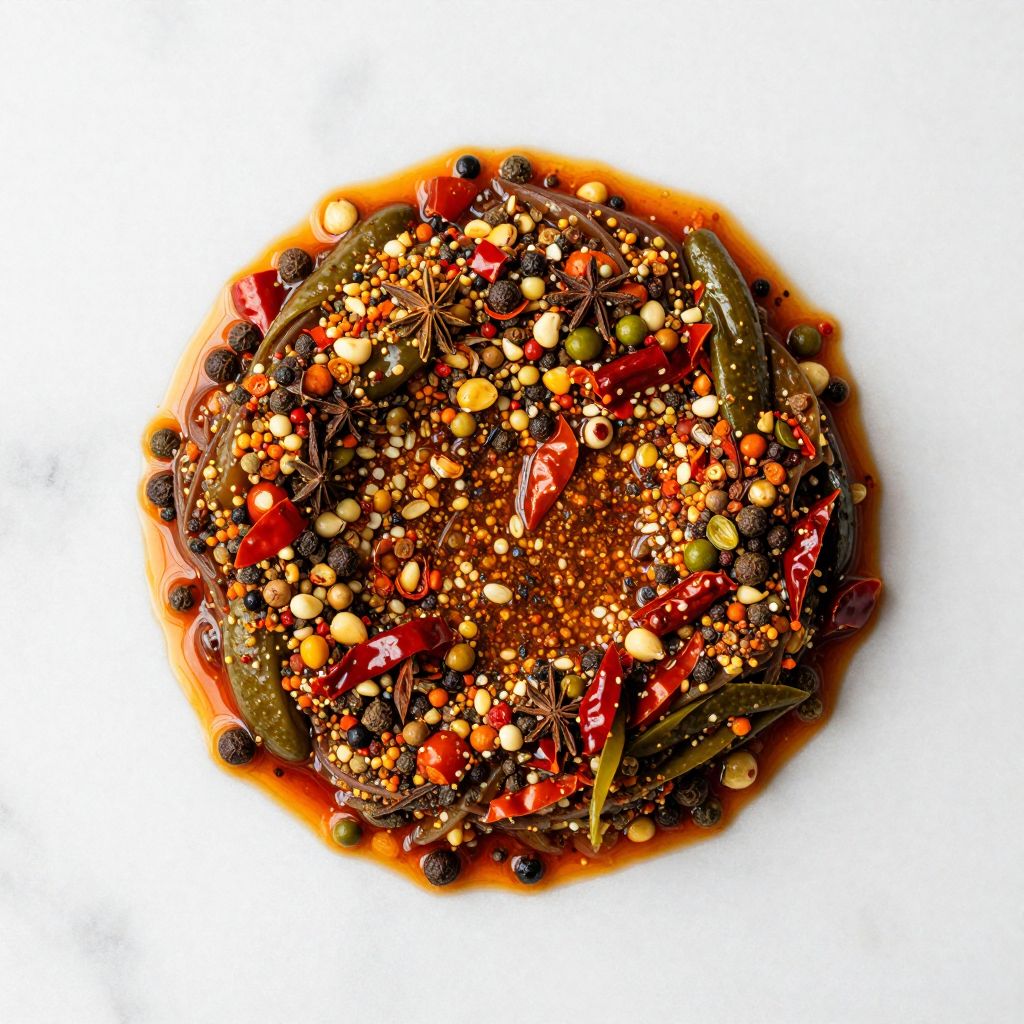
The warm scent of pickling spice filling your kitchen is something special, a signal that you’re about to transform ordinary vegetables into something extraordinary.
Pickling spice is the foundation of great pickles, and making your own blend beats store-bought versions every single time. You control the intensity, freshness, and exact flavor profile, and you save money in the process. This recipe takes just minutes to assemble and keeps for months in your pantry, ready to use whenever the pickling urge strikes.
Why You’ll Love This Recipe
Homemade pickling spice transforms your pickling projects from ordinary to restaurant-quality with minimal effort. You’ll know exactly what goes into every jar you make.
- Creates fresher, more vibrant pickles than commercial blends
- Costs a fraction of pre-made pickling spice mixes
- Allows you to adjust heat level and flavor intensity to your taste
- Keeps for months when stored properly in an airtight container
- Impresses friends and family with homemade pickled gifts
My Experience Making This Recipe
I started making my own pickling spice after buying yet another jar of commercial blend that tasted stale and one-dimensional. The moment I toasted whole spices and ground them fresh, I never looked back.
The transformation happens in your kitchen in about ten minutes total, and the smell is honestly intoxicating in the best way. My first batch produced crisp, flavorful dill pickles that made me realize how much the spice quality actually matters.
Now I make double batches and keep jars ready for cucumber season or whenever inspiration strikes to pickle carrots, onions, or green beans. My family requests jars to take home, which tells you everything you need to know.
Recipe Overview
- Recipe Name: Homemade Pickling Spice
- Servings: Makes approximately 1/3 cup
- Prep Time: 10 minutes
- Cook Time: 5 minutes
- Total Time: 15 minutes
- Course: Condiment/Pantry Staple
- Cuisine: American
- Calories per Serving: 15 calories per tablespoon
Equipment You Will Need
- Skillet or dry pan
- Spice grinder or coffee grinder
- Measuring spoons
- Airtight glass jar or container
- Wooden spoon for stirring
- Small bowl for combining ingredients
Ingredients for Homemade Pickling Spice
- 1 tablespoon mustard seeds (yellow or brown)
- 1 tablespoon black peppercorns
- 1 tablespoon coriander seeds
- 1 teaspoon dill seeds
- 1 teaspoon red pepper flakes
- 1/2 teaspoon whole cloves
- 1/2 teaspoon allspice berries
- 1/4 teaspoon fenugreek seeds (optional but recommended)
- 1 bay leaf, broken into pieces
- 1/2 teaspoon dried thyme
- 1/4 teaspoon ground ginger
- 1/4 teaspoon ground turmeric
Ingredient Notes and Substitutions
- Mustard seeds provide a sharp, peppery bite essential to authentic pickling flavor. If unavailable, use an extra tablespoon of coriander seeds, though the spice will taste less traditional.
- Black peppercorns create heat and depth. You can substitute Sichuan peppercorns for a citrusy note, but the flavor changes noticeably.
- Coriander seeds add warmth and slight sweetness. Fennel seeds work as a swap but introduce an anise flavor that shifts the entire profile.
- Dill seeds are the signature spice in many pickling blends. Omitting them is possible but not recommended, as they define the flavor.
- Red pepper flakes add heat and can be omitted if you prefer milder pickles. Add more if you love spicy brines.
- Whole cloves deliver strong flavor, so measure carefully. Ground cloves work in a pinch but dissolve into the spice, making measuring trickier.
- Bay leaves contribute subtle earthiness. Fresh leaves work better than old dried ones, so replace yearly for best flavor.
- Ground ginger and turmeric cannot easily be substituted with whole spices without compromising texture and consistency.
How to Make Homemade Pickling Spice
Step 1: Gather All Whole Spices
Measure out each whole spice ingredient and place them in a small bowl. Having everything ready before you start makes the toasting process smooth and prevents any spices from burning while you search for the next one.
Step 2: Toast the Whole Spices
Heat a skillet or dry pan over medium heat and add the mustard seeds, peppercorns, coriander seeds, dill seeds, cloves, and allspice berries all together. Toast them for 2 to 3 minutes, stirring frequently with a wooden spoon, until fragrant and slightly deeper in color.
Toasting releases essential oils in the spices and intensifies their flavors dramatically. You will notice the aroma shift from flat to complex and warm during this step.
Step 3: Add the Red Pepper Flakes
Stir in the red pepper flakes during the final 30 seconds of toasting. Red pepper flakes burn more easily than other spices, so timing matters here.
Step 4: Cool the Toasted Spices
Pour the toasted spices onto a clean plate or cutting board and let them cool completely for 3 to 5 minutes. Grinding warm spices creates steam and uneven grinding, so patience here pays off.
Step 5: Grind the Toasted Spices
Transfer the cooled spices to a spice grinder or clean coffee grinder and pulse until you reach a coarse texture with some whole seeds still visible. Do not over-grind into a fine powder, as you want texture and the spices to release flavor gradually in your pickling liquid.
Step 6: Prepare the Fenugreek Seeds
Toast the optional fenugreek seeds in the same pan for about 1 minute until fragrant, then add them to your ground spice mixture. Fenugreek adds a subtle maple-like sweetness that deepens the overall flavor.
Step 7: Break and Add the Bay Leaf
Break the bay leaf into small pieces and stir it into your ground spice mixture. Bay leaf pieces will stay visible in your blend, which is intentional and contributes wonderful flavor to the brine.
Step 8: Combine with Ground Spices
Add the dried thyme, ground ginger, and ground turmeric to the mixture and stir thoroughly until everything is evenly distributed. The ground spices blend in more easily than the larger toasted pieces, so stir well.
Step 9: Transfer to Storage Container
Spoon the finished pickling spice into a clean, airtight glass jar or container. Store in a cool, dark place away from direct sunlight and heat for up to 12 months.
Pro Tip: Toast your spices right before you plan to make pickles for the freshest, most aromatic blend possible, but store the finished spice in glass jars in a dark cabinet to preserve potency for months.
Tips for the Best Pickling Spice
- Buy whole spices from bulk sections or specialty stores where turnover is quick, ensuring maximum freshness and flavor intensity.
- Never skip the toasting step, as it transforms flat, dried flavors into something aromatic and alive.
- Coarse grinding is better than fine grinding because it allows spices to infuse gradually rather than clouding your pickling liquid with dust.
- Label your storage jar with the date you made it so you know when to refresh your batch for optimal flavor.
- Double the recipe and keep extra jars on hand during peak pickling season when you might make multiple batches.
- Test your blend by making a small batch of pickles before committing a large quantity of vegetables to it.
Common Mistakes to Avoid
- Burning the spices during toasting creates bitter, acrid flavors that ruin the entire blend. Stay attentive and pull the pan off heat the moment you smell them.
- Grinding into a fine powder instead of leaving texture means your spices will cloud the brine and distribute unevenly.
- Using old, stale spices from the back of your cabinet defeats the purpose of making homemade blend. Buy fresh spices specifically for this project.
- Skipping the cooling step results in steam during grinding, which creates clumpy, uneven texture in your finished spice.
- Storing in clear jars on open shelves exposes your spice to light and air, which deteriorates flavor quality quickly.
Serving Suggestions
Use your pickling spice whenever you make brined pickles, pickled vegetables, or condiments. One tablespoon of this blend typically flavors one quart of pickling liquid perfectly.
- Make classic dill pickles with cucumber spears and fresh dill in addition to your spice blend
- Pickle thin carrot sticks for a crunchy, flavorful snack or salad topper
- Combine with pearl onions and a touch of sugar for pickled onions perfect on grain bowls
- Use in pickling brine for green beans or asparagus for a different vegetable option
- Create pickled eggs by combining your spice with vinegar, water, and sugar, then submerging hard-boiled eggs
Variations to Try
- Add 1/2 teaspoon of celery seeds for extra earthiness and complexity that works beautifully in bread-and-butter pickles.
- Increase red pepper flakes to 1/2 teaspoon and add 1/4 teaspoon of cayenne powder for a notably spicier blend that works well with mild vegetables.
- Include 1/4 teaspoon of crushed dried chilies instead of red pepper flakes for deeper, more complex heat without the sharp bite.
- Toast 1/4 teaspoon of cardamom pods along with other spices for a subtle floral warmth perfect in sweet pickle applications.
- Add 1 teaspoon of dried tarragon for a delicate, slightly licorice-like flavor that transforms dill pickle recipes beautifully.
Dietary Adaptations
- Gluten-Free: This recipe is naturally gluten-free with no substitutions needed.
- Dairy-Free: This spice blend contains no dairy products and works perfectly for all dietary preferences.
- Vegan/Vegetarian: All ingredients are plant-based, making this blend suitable for vegans and vegetarians.
- Low-Carb/Keto: Pickling spice is extremely low in carbohydrates, containing minimal carbs per tablespoon and fitting perfectly into keto meal plans.
Storage and Reheating
Refrigerator
Store your pickling spice in an airtight glass jar in the refrigerator for extended freshness beyond room temperature storage. Refrigeration slows flavor degradation significantly.
- Keeps fresh for up to 18 months when stored in the refrigerator
- Glass jars work better than plastic for long-term storage
- Use a clean, dry spoon each time you scoop spice to prevent moisture introduction
Freezer
Freezing pickling spice is possible but unnecessary since the spice keeps well at room temperature for over a year. Freezer space is better used for other ingredients.
- If freezing, use an airtight freezer bag and remove as much air as possible
- Thaw completely before opening to prevent condensation inside the container
Reheating
No reheating is necessary for pickling spice, as you use it directly in cold or hot pickling brines depending on your recipe. Mix the spice into your brine before adding vegetables.
- For cold pickles, add spice directly to room temperature vinegar and water mixture
- For hot water bath canning, add spice to your hot brine before packing jars
Nutrition Information
| Nutrient | Amount |
|---|---|
| Calories | 15 |
| Total Fat | 0.5g |
| Saturated Fat | 0g |
| Carbohydrates | 2.5g |
| Fiber | 0.5g |
| Sugar | 0g |
| Protein | 0.5g |
| Sodium | 10mg |
| Cholesterol | 0mg |
Nutrition values are calculated per tablespoon of pickling spice blend and are approximate. Actual values vary based on specific spice sourcing and preparation method.
Frequently Asked Questions
Can I use ground spices instead of whole spices?
Ground spices lose flavor potency much faster than whole spices and will not taste as vibrant in your finished blend. Whole spices stay fresh for years, so buying them is worth the effort of toasting and grinding them yourself.
How much pickling spice do I use per quart of pickles?
Use one tablespoon of this homemade blend per quart of pickling liquid for standard dill pickles. Adjust slightly up or down based on your spice preference and vegetable type.
Can I make this recipe without a spice grinder?
A mortar and pestle works, though it takes more time and physical effort than a grinder. You could also wrap cooled spices in a kitchen towel and crush them with a rolling pin or mallet for a coarser texture.
Why are my homemade pickles cloudy?
Over-grinding your spices creates fine powder that clouds the brine instead of infusing cleanly. Keep your grinding coarse and ensure spices stay visible in the mixture to avoid this issue.
Do I need to refrigerate pickling spice blend?
Room temperature storage in an airtight container works perfectly fine for 12 months or longer. Refrigeration extends shelf life even further if you want maximum longevity, but it is not necessary.
Can I customize the spice ratios?
Absolutely. If you prefer more heat, add extra red pepper flakes or cayenne. If you want a milder blend, reduce the peppercorns and red pepper flakes to taste.
What if I cannot find fenugreek seeds?
Fenugreek seeds are optional and add subtle sweetness, but the recipe works perfectly without them. Your pickling spice will still taste delicious and authentic without this ingredient.
Final Thoughts
Making your own pickling spice opens up endless possibilities for preserving vegetables and creating condiments that taste genuinely fresh and alive. Once you experience the difference quality homemade spice makes, store-bought blends feel flat and tired in comparison.
Start your pickling adventure with a batch of this blend and watch how it transforms simple cucumbers or carrots into something special. Your friends and family will notice the difference immediately, and you will feel genuinely proud knowing you created the foundation of each delicious jar.
Explore More Pickling Recipes
Now that you have mastered homemade pickling spice, expand your preserving skills with related recipes and techniques.
Try making sweet pickle recipe to explore the sweeter side of pickling with your new spice blend. For a different vegetable option, check out pickled okra recipe which uses the same spice foundation in a completely different way. Both recipes benefit from the fresh, complex flavors your homemade spice delivers compared to store-bought options.
Homemade Pickling Spice
A vibrant, customizable homemade pickling spice blend ready in minutes and perfect for transforming vegetables into flavorful pickles.
- Skillet or dry pan
- Spice grinder or coffee grinder
- Measuring spoons
- Airtight glass jar or container
- Wooden spoon
- Small bowl
Main
- 1 tablespoon mustard seeds (yellow or brown)
- 1 tablespoon black peppercorns
- 1 tablespoon coriander seeds
- 1 teaspoon dill seeds
- 1 teaspoon red pepper flakes
- 1/2 teaspoon whole cloves
- 1/2 teaspoon allspice berries
- 1/4 teaspoon fenugreek seeds (optional but recommended)
- 1 bay leaf (broken into pieces)
- 1/2 teaspoon dried thyme
- 1/4 teaspoon ground ginger
- 1/4 teaspoon ground turmeric
- Measure out all whole spice ingredients and place them in a small bowl.
- Heat a skillet or dry pan over medium heat and add mustard seeds, black peppercorns, coriander seeds, dill seeds, whole cloves, and allspice berries; toast for 2 to 3 minutes, stirring frequently, until fragrant.
- Stir in red pepper flakes and toast for an additional 30 seconds over medium heat.
- Pour the toasted spices onto a plate and let cool for 3 to 5 minutes.
- Transfer the cooled spices to a spice grinder and pulse until coarsely ground, leaving some whole seeds visible.
- Toast the fenugreek seeds in the skillet over medium heat for 1 minute until fragrant, then add them to the ground spice mixture.
- Break the bay leaf into small pieces and stir into the spice mixture.
- Add dried thyme, ground ginger, and ground turmeric to the mixture and stir until everything is evenly distributed.
- Spoon the pickling spice into an airtight glass jar and store in a cool, dark place for up to 12 months.
Toast spices before use for maximum flavor; store in an airtight container in a cool, dark place away from heat and light.