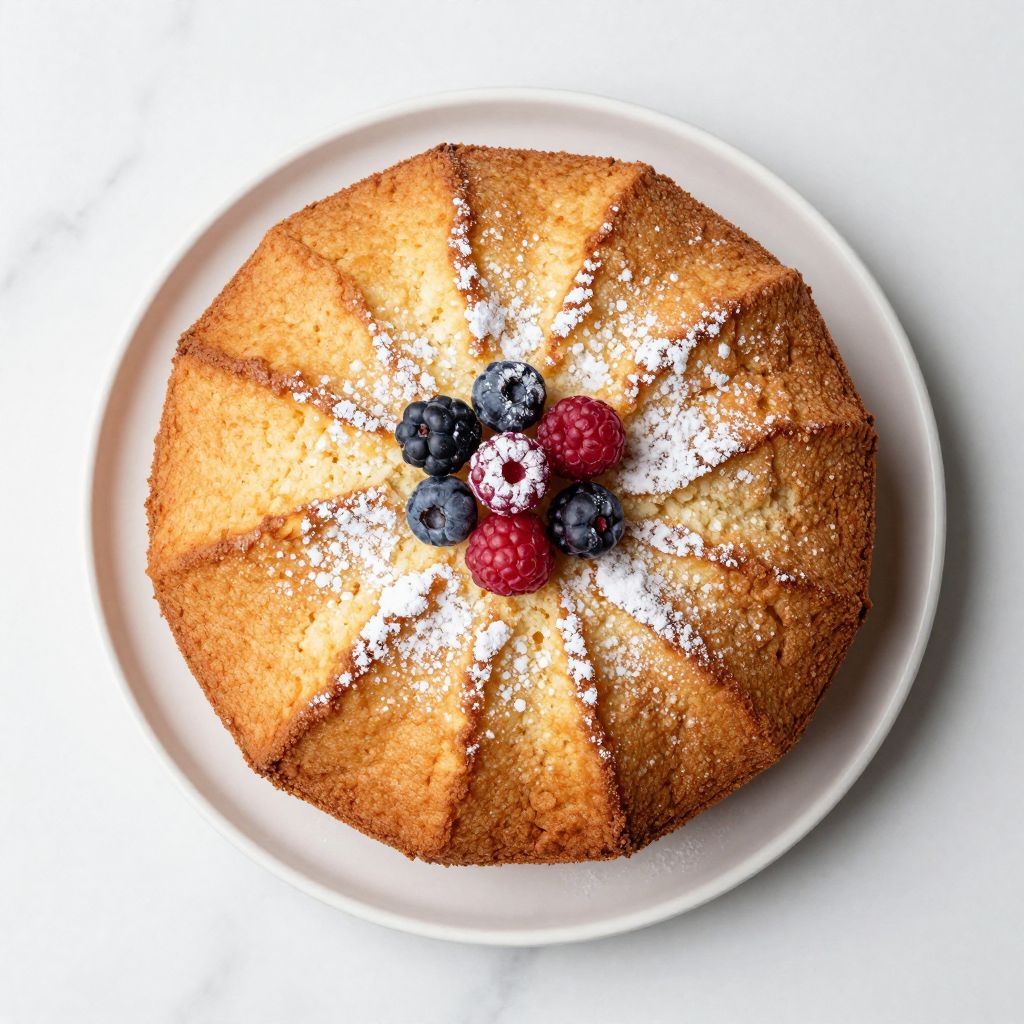
buttermilk pound cake recipe
The smell of buttermilk pound cake baking in the oven is pure nostalgia wrapped in warm vanilla and butter. Buttermilk pound cake is one of those classic desserts that tastes fancy but requires nothing more than basic ingredients and a mixing bowl.
This recipe delivers a tender, moist crumb with a golden exterior and subtle tang from the buttermilk. The cake stays fresh for days, making it perfect for meal prep, potlucks, or unexpected guests who need impressing.
Why You’ll Love This Recipe
This pound cake checks every box for a reliable, crowd-pleasing dessert that works for any occasion.
- Dense, moist crumb that stays fresh for up to five days when stored properly
- Simple ingredients you already have in your kitchen
- Buttermilk adds subtle tang and keeps the cake incredibly tender
- Looks elegant but requires zero fancy techniques
- Tastes incredible plain, with glaze, or topped with fresh fruit
My Experience Making This Recipe
I first made this cake on a rainy Sunday when my in-laws called to say they were stopping by. I had ninety minutes to pull something together, and this recipe saved the day.
The batter comes together in about ten minutes, and watching it bake fills your whole house with the most comforting aroma. My husband ate three slices that afternoon while the cake was still slightly warm, which tells you everything you need to know about how it turned out.
Since then, I have made it dozens of times and tweaked it slightly for my preferences. The cake bakes evenly every time, and the buttermilk creates that signature tender crumb that keeps people coming back for seconds.
Recipe Overview
- Recipe Name: Buttermilk Pound Cake
- Servings: 12 slices
- Prep Time: 15 minutes
- Cook Time: 55 minutes
- Total Time: 70 minutes
- Course: Dessert
- Cuisine: American
- Calories per Serving: 340
Equipment You Will Need
- 10-inch bundt pan or loaf pan
- Large mixing bowl
- Medium mixing bowl
- Electric mixer or whisk
- Measuring cups and spoons
- Rubber spatula
- Toothpick or skewer
- Wire cooling rack
- Sifter or fine-mesh strainer
Ingredients for Buttermilk Pound Cake
- 1 cup unsalted butter, softened to room temperature
- 3 cups granulated sugar
- 4 large eggs, room temperature
- 3 cups all-purpose flour
- 1/2 teaspoon baking soda
- 1/2 teaspoon salt
- 1 cup buttermilk, room temperature
- 2 teaspoons vanilla extract
- 1/2 teaspoon almond extract (optional but recommended)
Ingredient Notes and Substitutions
- Buttermilk adds tang and tenderness through its acidity, which reacts with the baking soda to create lift. If you don’t have buttermilk, mix one tablespoon of lemon juice or vinegar with one cup of whole milk and let it sit for five minutes.
- Room-temperature eggs and butter cream together smoothly, creating a lighter batter with better texture. Cold ingredients won’t incorporate properly and can result in a dense, heavy cake.
- Almond extract is optional but adds complexity and prevents the cake from tasting one-note vanilla. You can skip it entirely if you prefer pure vanilla flavor.
- Baking soda reacts with the buttermilk’s acidity to create rise and tenderness. Don’t skip this ingredient or substitute it with baking powder, or your cake will be dense.
- Unsalted butter gives you control over salt content in the final cake. Salted butter will work but reduce the salt in the recipe by half.
How to Make Buttermilk Pound Cake
Step 1: Prepare Your Pan and Oven
Preheat your oven to 325 degrees Fahrenheit and generously grease a 10-inch bundt pan or loaf pan with butter. A lower temperature than typical cakes prevents the outside from browning too quickly while the inside stays raw.
Step 2: Combine Dry Ingredients
Sift together the flour, baking soda, and salt in a medium bowl and set aside. Sifting aerates the flour and ensures even distribution of the baking soda so it doesn’t create bitter pockets in your cake.
Step 3: Cream Butter and Sugar
Add the softened butter and sugar to a large mixing bowl and beat on medium speed for three to four minutes until the mixture is light, fluffy, and pale yellow. This creaming process incorporates air into the batter, which creates a tender, light crumb in the finished cake.
Step 4: Add Eggs One at a Time
Add eggs one at a time, beating well after each addition until fully incorporated before adding the next egg. Adding eggs slowly prevents the batter from breaking and ensures each egg is fully mixed into the creamed butter and sugar.
Step 5: Alternate Dry Ingredients and Buttermilk
Beginning and ending with the dry ingredients, alternate adding the flour mixture and buttermilk in three additions each: dry, wet, dry, wet, dry. Start on low speed and mix just until combined after each addition to avoid overmixing, which creates a tough, dense cake.
Step 6: Add Vanilla and Almond Extracts
Stir in the vanilla extract and almond extract with a rubber spatula just until combined. The extracts should be folded in gently to preserve the light texture of your batter.
Step 7: Pour Batter Into Pan
Pour the batter into your prepared bundt pan, smoothing the top with a spatula. Tap the pan gently on the counter two or three times to release any large air bubbles that could create tunneling in your finished cake.
Step 8: Bake Until Golden and Set
Bake for 50 to 60 minutes, until a toothpick inserted into the thickest part comes out with just a few moist crumbs. The cake should be golden brown on top and spring back when lightly touched.
Step 9: Cool in Pan and Turn Out
Allow the cake to cool in the pan for 10 to 15 minutes, then turn it out onto a wire cooling rack to cool completely. Cooling it partially in the pan helps the cake set without breaking, while removing it to the rack prevents soggy, steamed bottoms.
Pro Tip: Use room-temperature eggs and butter; cold ingredients won’t cream properly and create a dense, heavy cake instead of the tender crumb this recipe is famous for.
Tips for the Best Buttermilk Pound Cake
- Measure flour by spooning it into your measuring cup and leveling with a knife rather than scooping directly from the bag. Scooping compacts the flour and can add up to one-quarter cup of extra flour to your cake, making it dry.
- Bake in a bundt pan for a showstopping presentation that looks bakery-quality without any extra effort. The ridges create beautiful texture and add surface area for browning.
- Don’t skip the almond extract even if you’re not a big almond fan. One-half teaspoon adds depth without making the cake taste like almonds.
- Invest in an oven thermometer to ensure your oven is actually at 325 degrees. Many home ovens run hot or cold, which throws off baking times and browning.
- Let the cake cool completely before slicing or wrapping, or steam will condense on the surface and make it soggy. Completely cooled cake also slices more cleanly.
- Serve the cake at room temperature for the best flavor and texture. Chilled cake tastes dense and loses the subtle tang from the buttermilk.
Common Mistakes to Avoid
- Using cold eggs and butter makes the batter break and fail to incorporate properly, creating a heavy, dense cake with a coarse crumb. Always bring eggs and butter to room temperature before mixing.
- Overmixing the batter after adding flour overdevelops gluten and creates a tough, rubbery texture instead of tender crumb. Mix on low speed just until the dry ingredients disappear.
- Baking at too high a temperature browns the outside before the inside cooks through, resulting in a dry exterior and raw center. Trust the 325-degree temperature; it gives you time for even baking.
- Skipping the almond extract or reducing the vanilla makes the cake taste flat and one-dimensional. The extracts round out the flavor without being obvious.
- Measuring flour by scooping directly from the bag adds too much flour and results in a dry, crumbly cake. Spoon and level instead for accurate measurements.
Serving Suggestions
This pound cake stands beautifully on its own but shines with simple additions that let the tender crumb and buttermilk flavor take center stage. A thin glaze, fresh fruit, or whipped cream transforms it from weeknight dessert to company-worthy showpiece.
- Dust with powdered sugar and serve with fresh berries and whipped cream for an elegant brunch dessert
- Drizzle warm lemon glaze over thin slices and top with candied lemon zest
- Toast thick slices and serve with vanilla ice cream and warm caramel sauce
- Serve plain with a strong cup of coffee or tea for an afternoon snack
- Layer slices with pastry cream and fresh strawberries for a simple shortcake version
Variations to Try
- Lemon Buttermilk Pound Cake: Replace one-half teaspoon almond extract with one tablespoon fresh lemon zest and one tablespoon fresh lemon juice mixed into the batter. The bright citrus balances the richness and adds freshness.
- Brown Butter Pound Cake: Brown the butter before creaming it with sugar for a deeper, nutty flavor. Brown butter adds complexity and elegance to the classic recipe.
- Sour Cream Variation: Replace one-half cup buttermilk with sour cream for a tangier, richer cake. This creates a slightly denser crumb with more pronounced tang.
- Vanilla Bean Pound Cake: Scrape the seeds from a vanilla bean and add them along with one-half teaspoon vanilla extract instead of two teaspoons extract. Vanilla bean specks add visual interest and deliver more subtle vanilla flavor than extract alone.
- Cardamom Spiced Pound Cake: Add one-half teaspoon ground cardamom to the flour mixture for warm spice notes. Cardamom pairs beautifully with buttermilk and creates a sophisticated flavor.
Dietary Adaptations
- Gluten-Free: Replace all-purpose flour with a one-to-one gluten-free baking blend and increase xanthan gum slightly if not already in your blend. The trade-off is a slightly denser crumb, but the cake remains moist and tender.
- Dairy-Free: Use dairy-free butter and replace buttermilk with non-dairy milk mixed with one tablespoon apple cider vinegar. The cake will taste slightly different but remain moist and delicious.
- Lower-Sugar: Replace one-half cup granulated sugar with monk fruit sweetener or erythritol, but note that sweetness will be less intense and texture may be slightly different. Reducing sugar below this amount makes the cake dry and compromises structure.
- Vegan: Replace butter with vegan butter, eggs with three-quarters cup unsweetened applesauce plus one teaspoon baking powder, and buttermilk with non-dairy milk mixed with vinegar. The cake will be slightly denser but still tender and flavorful.
Storage and Reheating
Refrigerator
Wrap the cooled cake tightly in plastic wrap or place it in an airtight container and refrigerate for up to five days. The cake actually tastes better after one day as flavors deepen and meld together.
- Slice the cake while still slightly chilled for cleaner cuts
- Bring slices to room temperature before serving for the best texture and flavor
Freezer
Wrap the completely cooled cake in plastic wrap, then foil, and freeze for up to three months. Proper wrapping prevents freezer burn and keeps the cake fresh.
- Thaw the cake at room temperature for two to three hours before serving
- Freeze individual slices wrapped separately for grab-and-go portions
Reheating
Reheat leftover cake by wrapping a slice in foil and warming in a 300-degree oven for eight to ten minutes if you prefer it warm. Microwave reheating makes the cake tough and dry, so avoid that method.
- Warm cake tastes best served with butter and a hot beverage
- Room-temperature cake is equally delicious and requires no reheating
Nutrition Information
| Nutrient | Amount |
|---|---|
| Calories | 340 |
| Total Fat | 16g |
| Saturated Fat | 10g |
| Carbohydrates | 47g |
| Fiber | 0g |
| Sugar | 38g |
| Protein | 4g |
| Sodium | 150mg |
| Cholesterol | 95mg |
Nutrition values are approximate and calculated per serving based on 12 servings. Actual values vary based on specific brands and measurement techniques used.
Buttermilk Pound Cake
This recipe delivers a tender, moist crumb with a golden exterior and subtle tang from the buttermilk.
- 10-inch bundt pan or loaf pan
- Large mixing bowl
- Medium mixing bowl
- Electric mixer or whisk
- Measuring cups and spoons
- Rubber spatula
- Toothpick or skewer
- Wire cooling rack
- Sifter or fine-mesh strainer
Main
- 1 cup unsalted butter (softened to room temperature)
- 3 cups granulated sugar
- 4 large eggs (room temperature)
- 3 cups all-purpose flour
- 1/2 teaspoon baking soda
- 1/2 teaspoon salt
- 1 cup buttermilk (room temperature)
- 2 teaspoons vanilla extract
- 1/2 teaspoon almond extract (optional but recommended)
- Preheat the oven to 325°F and generously grease a 10-inch bundt pan or loaf pan with butter.
- Sift together the all-purpose flour, baking soda, and salt in a medium mixing bowl and set aside.
- In a large mixing bowl, beat the softened butter and granulated sugar on medium speed for 3 to 4 minutes until light and fluffy.
- Add the eggs one at a time, beating well after each addition until fully incorporated.
- Alternate adding the flour mixture and buttermilk to the butter mixture in three additions, beginning and ending with the flour; mix on low speed until just combined after each addition.
- Fold in the vanilla extract and almond extract with a rubber spatula until just combined.
- Pour the batter into the prepared pan and smooth the top; tap the pan on the counter to release air bubbles.
- Bake for 50 to 60 minutes at 325°F, or until a toothpick inserted into the center comes out with a few moist crumbs.
- Let the cake cool in the pan for 10 to 15 minutes, then invert onto a wire rack to cool completely before slicing.
Store the cooled cake at room temperature for up to five days or freeze tightly wrapped for up to three months. Serve plain, with glaze, or topped with fresh fruit.
Frequently Asked Questions
Can I make this cake without almond extract?
Yes, you can omit the almond extract entirely and increase vanilla extract to two and one-half teaspoons for extra vanilla flavor. The cake tastes delicious either way, though the almond extract adds subtle depth.
How do I know when the cake is fully baked?
Insert a toothpick into the thickest part of the cake, and it should come out with just a few moist crumbs, not wet batter. The cake should also spring back when lightly touched and be golden brown on top.
Can I make this cake ahead for a party?
Absolutely, this cake tastes better the day after baking, making it perfect for advance preparation. Wrap it tightly and store it at room temperature for two days or refrigerate for up to five days before serving.
Why is my cake dense and heavy?
Overmixing the batter, using cold eggs and butter, or measuring flour by scooping directly from the bag all create dense cakes. Make sure to cream butter and sugar thoroughly, use room-temperature ingredients, and spoon and level flour for accurate measurements.
Can I substitute sour cream for buttermilk?
Yes, sour cream works well and creates a slightly tangier, richer cake with a denser crumb. Use the same amount of sour cream as the buttermilk called for in the recipe.
What’s the difference between this and a traditional pound cake?
Traditional pound cake uses equal weights of butter, sugar, eggs, and flour, while this buttermilk version uses less butter and includes buttermilk for moisture and tang. The buttermilk version stays moister for longer and has a more tender crumb.
Final Thoughts
This buttermilk pound cake recipe has earned a permanent spot in my baking rotation because it’s foolproof, delicious, and makes your kitchen smell incredible. The tender crumb and subtle tang set it apart from standard pound cakes, and everyone who tries it asks for the recipe.
Bake this cake for Sunday brunch, pack it for picnics, or surprise someone special with a homemade dessert that tastes like it came from a fancy bakery. Once you make it once, you’ll find reasons to make it again and again.
If you love classic cake recipes, explore more options on our site like our sour cream pound cake recipe for a tangy twist on this dessert. You might also enjoy trying our pecan pie dump cake recipe for a completely different comfort dessert that’s equally simple and satisfying.