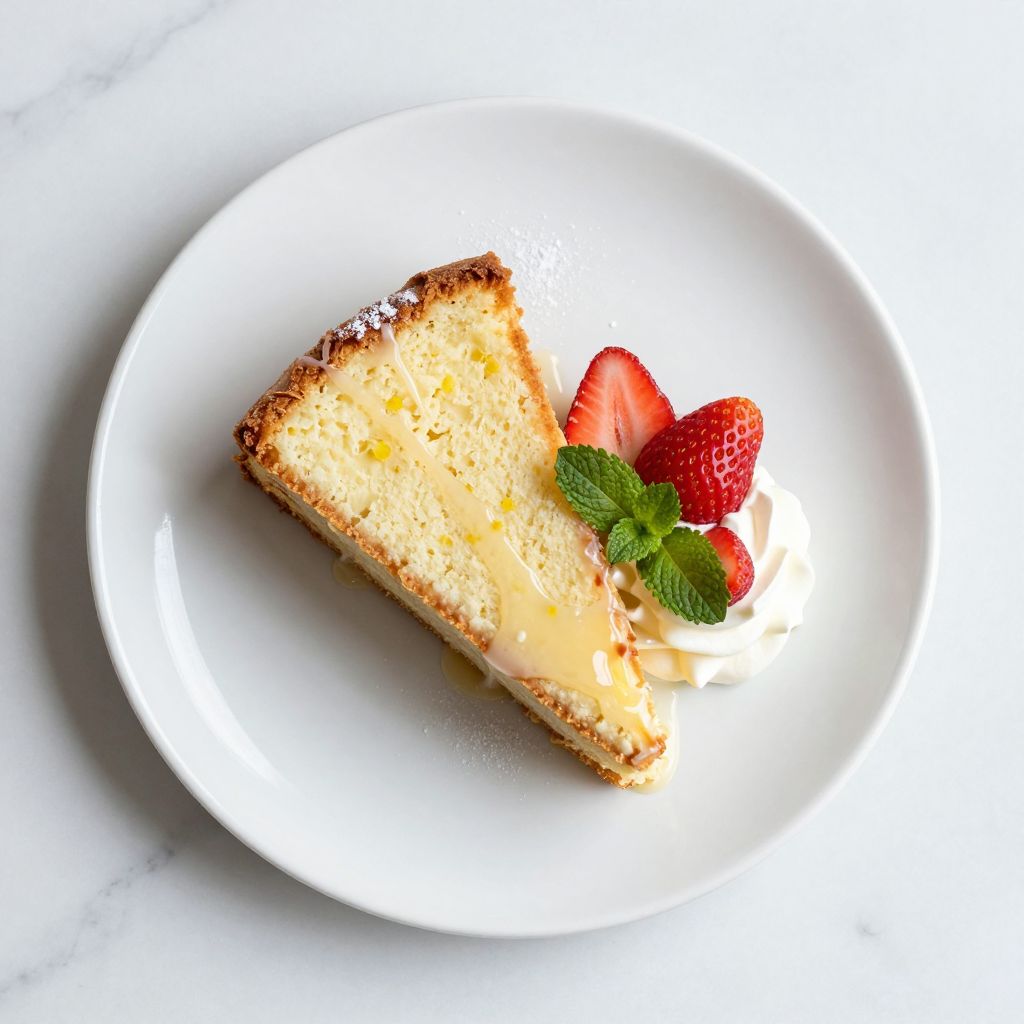
There’s something about the smell of a pound cake baking that pulls everyone into the kitchen, asking what’s cooking. Sour cream pound cake delivers that golden, tender crumb that keeps people coming back for slice after slice, and the tangy sweetness makes it feel a little more grown-up than your average cake.
This recipe stays moist for days, thanks to the sour cream doing the real work in the batter. The dense, buttery structure makes it perfect for serving plain with coffee, or dressed up with frosting and berries whenever the mood strikes.
Why You’ll Love This Recipe
This cake checks all the boxes for a reliable, elegant dessert that tastes far more complicated than it actually is.
- Rich, tender crumb that stays moist for up to four days without drying out
- Simple pantry ingredients with no exotic or hard-to-find items needed
- Works beautifully plain, frosted, or topped with fresh fruit and whipped cream
- Makes a showstopping gift or potluck contribution that feels homemade and special
- Bakes in under an hour, yet tastes like you spent all morning on it
My Experience Making This Recipe
I first made this cake on a quiet Sunday morning when I wanted something comforting but not fussy. The batter came together in minutes, and within forty-five minutes, my kitchen smelled absolutely incredible.
When I pulled it from the oven, the cake had this perfect golden top and the toothpick came out clean. One slice with black coffee confirmed everything: this was the kind of cake that makes you feel like you’ve actually accomplished something in the kitchen.
I’ve since made it for dinner parties, wrapped it as gifts, and even crumbled leftover slices into parfaits with whipped cream. Every single time, people ask for the recipe, and I love watching their faces when they realize how straightforward it actually is.
Recipe Overview
- Recipe Name: Sour Cream Pound Cake
- Servings: 12 to 14 slices
- Prep Time: 15 minutes
- Cook Time: 50 to 55 minutes
- Total Time: 65 to 70 minutes
- Course: Dessert
- Cuisine: American
- Calories per Serving: 385
Equipment You Will Need
- 9-inch loaf pan or 10-inch bundt pan
- Electric mixer or hand mixer
- Medium mixing bowl
- Large mixing bowl
- Measuring cups and spoons
- Whisk
- Wooden spoon or rubber spatula
- Toothpick or cake tester
- Oven thermometer (optional but helpful)
Ingredients for Sour Cream Pound Cake
- 3 cups all-purpose flour
- 1 teaspoon baking soda
- 1/2 teaspoon salt
- 1 cup unsalted butter, at room temperature
- 3 cups granulated sugar
- 6 large eggs, at room temperature
- 1 cup sour cream, at room temperature
- 2 teaspoons vanilla extract
- 1/2 teaspoon lemon zest (optional, for brightness)
Ingredient Notes and Substitutions
- Sour cream adds moisture and tanginess that keeps the cake tender and prevents it from drying out. You can swap in Greek yogurt (full-fat, plain) for a slightly denser cake with similar results.
- Butter must be at room temperature so it creams properly with the sugar, creating air pockets that make the cake fluffy. Cold butter won’t incorporate air, and the cake will be heavy.
- All-purpose flour provides structure without making the cake tough. Cake flour will give you an even softer crumb, but all-purpose works beautifully if that’s what you have on hand.
- Vanilla extract brings warmth and depth to the flavor. Almond extract (use half the amount) creates a different but equally delicious cake with a subtle nuttiness.
- Eggs must be room temperature so they blend smoothly into the batter without breaking the emulsion. Cold eggs can cause the mixture to look grainy and separated.
How to Make Sour Cream Pound Cake
Step 1: Prepare Your Pan and Preheat
Preheat your oven to 325 degrees Fahrenheit and position the rack in the lower third of the oven. Grease your loaf pan or bundt pan thoroughly with butter or cooking spray, then dust it with flour and tap out the excess, which prevents sticking.
Step 2: Whisk Dry Ingredients Together
In a medium bowl, whisk together the flour, baking soda, and salt until fully combined. This distributes the leavening agent evenly so the cake rises uniformly and doesn’t have any dense spots.
Step 3: Cream Butter and Sugar
In a large bowl with an electric mixer, beat the room-temperature butter and sugar together for 3 to 4 minutes until the mixture is pale, light, and fluffy. This creaming step is what makes the cake tender, so don’t rush it. Stop occasionally to scrape down the bowl sides.
Step 4: Add Eggs One at a Time
Add the eggs to the butter mixture one at a time, beating well after each addition until the previous egg is fully incorporated. Adding eggs slowly prevents the batter from looking curdled or separated, which would make the final cake less tender.
Step 5: Alternate Flour and Sour Cream
Beginning and ending with the flour mixture, alternate adding the dry ingredients and sour cream to the batter in three additions of flour and two additions of sour cream. Start with about one-third of the flour, then half the sour cream, then another third of flour, then the remaining sour cream, and finally the last of the flour.
This alternating method prevents the batter from becoming tough or overmixed, and it ensures that the ingredients are evenly distributed without overdoing the mixing. Mix on low speed, just until each addition is combined.
Step 6: Add Vanilla and Lemon Zest
Stir in the vanilla extract and lemon zest (if using) with a wooden spoon or rubber spatula, mixing gently until just combined. The lemon zest adds brightness without changing the classic flavor profile, but it’s completely optional.
Step 7: Pour and Smooth the Batter
Pour the batter into your prepared pan and use an offset spatula or the back of a spoon to smooth the top. Tapping the pan gently on the counter a few times releases any air bubbles trapped in the batter, which helps the cake bake more evenly.
Step 8: Bake Until Golden and Set
Bake for 50 to 55 minutes, until the top is golden brown and a toothpick inserted into the center comes out with just a few moist crumbs clinging to it. The cake should spring back slightly when pressed in the center.
Don’t open the oven door in the first 40 minutes, as the sudden temperature change can cause the cake to sink. If the top is browning too quickly, loosely tent it with foil for the remaining bake time.
Step 9: Cool and Turn Out
Let the cake cool in the pan for 15 minutes before running a thin knife around the edges and turning it out onto a wire rack. This cooling time allows the cake to set enough to release cleanly from the pan without falling apart.
Pro Tip: Always bring your eggs, sour cream, and butter to room temperature before mixing; this is the single most important factor in achieving a tender, evenly baked pound cake.
Tips for the Best Sour Cream Pound Cake
- Use an oven thermometer to verify your oven temperature is accurate. Even a 25-degree difference can change how quickly the cake bakes and whether the top browns too fast.
- Measure flour by spooning it into your measuring cup and leveling the top with a knife, rather than scooping directly from the bag, which compacts the flour and makes the cake heavy.
- Don’t skip the creaming step. Those 3 to 4 minutes of beating butter and sugar together are what create the light, tender texture that makes this cake special.
- Mix on low speed during the flour and sour cream additions to avoid overdeveloping the gluten, which would make the cake tough and dense.
- Let the baked cake cool completely on the wire rack before frosting or wrapping for storage, otherwise the residual heat can cause frosting to melt or condensation to make the crumb soggy.
- Room temperature ingredients mix more smoothly and create a more uniform batter, so take 30 minutes to let everything warm up before you start.
Common Mistakes to Avoid
- Overbaking is the quickest way to dry out this cake, so pull it out when a toothpick comes out with a few moist crumbs, not bone-dry. Even 5 extra minutes can make the difference between moist and parched.
- Adding cold or room-temperature eggs directly from the fridge prevents them from fully incorporating into the batter, creating pockets and a less tender crumb. Warm them to room temperature first.
- Skipping the creaming step or rushing it results in a denser cake because the butter doesn’t trap enough air bubbles. Take the full 3 to 4 minutes to beat it properly.
- Measuring flour by scooping directly into the bag compacts it and adds too much flour to the batter, which makes the cake dry and tough instead of tender.
- Overmixing the batter once you add the flour develops the gluten, which toughens the crumb. Mix only until each addition is combined, even if the batter looks slightly uneven.
Serving Suggestions
Pound cake is wonderfully versatile, so serve it however fits the moment. A simple slice with coffee or tea is perfect for breakfast or an afternoon break, but you can also get creative with toppings and pairings.
- Dust slices with powdered sugar and serve with fresh strawberries and whipped cream for an elegant dessert
- Toast thick slices and spread with butter and jam for an indulgent breakfast treat
- Layer crumbled cake with whipped cream and berries in parfait glasses for a make-ahead dessert
- Brush warm slices with simple syrup and top with a light glaze or buttercream frosting
- Serve alongside lemon curd, chocolate mousse, or fresh fruit compote for extra flavor and texture
Variations to Try
- Lemon Pound Cake: Add 2 tablespoons of fresh lemon juice and 1 tablespoon of lemon zest to the batter, and drizzle the baked cake with a simple lemon glaze made from powdered sugar and lemon juice.
- Almond Pound Cake: Replace the vanilla with 1 teaspoon of almond extract and add 1/2 cup of finely ground almonds to the flour mixture for a nuttier flavor and slightly denser crumb.
- Spiced Pound Cake: Mix 1 teaspoon of ground cinnamon, 1/2 teaspoon of ground nutmeg, and 1/4 teaspoon of ground cloves into the dry ingredients for warming autumn flavors.
- Marble Pound Cake: Divide the batter in half, swirl 2 tablespoons of melted chocolate into one half, then layer the two batters in the pan and swirl together with a knife before baking.
- Ginger Pound Cake: Add 1 teaspoon of ground ginger and 2 tablespoons of minced crystallized ginger to the batter for a spicy, sweet kick that pairs beautifully with tea.
Dietary Adaptations
- Gluten-Free: Replace the all-purpose flour with a gluten-free all-purpose flour blend (such as Bob’s Red Mill) in a 1:1 ratio, though you may need to add 1/4 teaspoon of xanthan gum to mimic the structure that gluten provides.
- Dairy-Free: Swap the butter for an equal amount of vegan butter and replace the sour cream with plain dairy-free yogurt or coconut cream, though the texture will be slightly less rich.
- Vegan: Replace each egg with 1/4 cup of unsweetened applesauce (3 eggs = 3/4 cup applesauce), use vegan butter and sour cream, and the cake will be slightly more crumbly but still delicious and moist.
- Low-Carb or Keto: Use allulose or monk fruit sweetener instead of sugar (in a 1:1 ratio), replace flour with almond flour (use about 2.5 cups), and reduce baking soda to 1/2 teaspoon. The texture will be denser and more fragile.
Storage and Reheating
Refrigerator
Wrap the cooled cake tightly in plastic wrap or store it in an airtight container at room temperature for up to 4 days, or in the refrigerator for up to 7 days. The sour cream keeps it incredibly moist, so it actually improves slightly on day two as the flavors meld.
- Let refrigerated cake come to room temperature for 30 minutes before serving for the best flavor and texture
- If frosted, store in an airtight container in the fridge to protect the frosting
Freezer
Wrap the completely cooled cake in plastic wrap, then again in foil, and freeze for up to 3 months. Thaw at room temperature for 2 to 3 hours before serving.
- Freeze unfrosted cake for the easiest storage and longest shelf life
- Alternatively, freeze individual slices wrapped in plastic wrap for grab-and-go portions
Reheating
Pound cake tastes best at room temperature, but if you prefer it warm, wrap it loosely in foil and place it in a 300-degree oven for 10 to 15 minutes. Avoid the microwave, which dries it out quickly.
- Toast slices in a toaster or under the broiler for a crispy exterior and soft interior
- Brush warm slices with a simple syrup or melted butter for extra moisture and flavor
Nutrition Information
| Nutrient | Amount |
|---|---|
| Calories | 385 |
| Total Fat | 18g |
| Saturated Fat | 11g |
| Carbohydrates | 52g |
| Fiber | 0g |
| Sugar | 38g |
| Protein | 5g |
| Sodium | 245mg |
| Cholesterol | 110mg |
These values are approximate and based on a 12-serving yield. Actual nutrition may vary based on specific ingredients and how slices are portioned.
Frequently Asked Questions
Can I use self-rising flour instead of all-purpose flour?
You can, but you’ll need to reduce the baking soda to 1/4 teaspoon since self-rising flour already contains leavening agents. The cake may rise a bit more, so keep a close eye on baking time.
Can I make this cake the day before serving?
Absolutely, and it’s actually ideal to do so. The cake tastes even better on day two as the flavors settle and the crumb becomes more tender.
Why did my cake sink in the middle?
This usually happens when the oven temperature is too high, the cake was underbaked, or the oven door was opened too early during baking. Verify your oven temperature with a thermometer and bake at exactly 325 degrees.
Can I use a bundt pan instead of a loaf pan?
Yes, a 10-inch bundt pan works beautifully and creates a more impressive presentation. The bake time may be slightly shorter (45 to 50 minutes), so start checking for doneness a few minutes early.
What if I don’t have sour cream?
Greek yogurt, plain full-fat yogurt, or even a mixture of mayonnaise and lemon juice can substitute in a pinch. Each will change the flavor slightly, but all keep the cake moist and tender.
How do I prevent the top from browning too quickly?
If the top is darkening too fast after 30 to 35 minutes of baking, loosely tent it with aluminum foil to shield it while the inside continues to bake. Remove the foil for the last 5 to 10 minutes to allow the top to finish browning.
Final Thoughts
This sour cream pound cake is the kind of recipe that deserves a permanent spot in your baking rotation. It’s simple enough for a weeknight baking session, elegant enough for company, and forgiving enough that you’ll nail it the first time.
Give this cake a try, and you’ll understand why people keep asking for the recipe. The combination of that tender crumb, rich buttery flavor, and just a hint of tang from the sour cream creates something truly special.
Sour Cream Pound Cake

This sour cream pound cake delivers a golden, tender crumb that stays moist for days. The tangy sweetness makes it feel a little more grown-up than your average cake, perfect for serving plain with coffee or dressed up with frosting and berries.
- 9-inch loaf pan or 10-inch bundt pan
- Electric mixer or hand mixer
- Medium mixing bowl
- Large mixing bowl
- Measuring cups and spoons
- Whisk
- Wooden spoon or rubber spatula
- Toothpick or cake tester
- Wire rack
Main
- 3 cups all-purpose flour
- 1 teaspoon baking soda
- 1/2 teaspoon salt
- 1 cup unsalted butter (at room temperature)
- 3 cups granulated sugar
- 6 large eggs (at room temperature)
- 1 cup sour cream (at room temperature)
- 2 teaspoons vanilla extract
- 1/2 teaspoon lemon zest (optional)
- Preheat your oven to 325 degrees Fahrenheit and position the rack in the lower third of the oven. Grease your loaf pan or bundt pan thoroughly with butter or cooking spray, then dust it with flour and tap out the excess.
- In a medium bowl, whisk together the flour, baking soda, and salt until fully combined.
- In a large bowl with an electric mixer, beat the room-temperature butter and sugar together for 3 to 4 minutes until the mixture is pale, light, and fluffy. Stop occasionally to scrape down the bowl sides.
- Add the eggs to the butter mixture one at a time, beating well after each addition until the previous egg is fully incorporated.
- Beginning and ending with the flour mixture, alternate adding the dry ingredients and sour cream to the batter in three additions of flour and two additions of sour cream. Start with about one-third of the flour, then half the sour cream, then another third of flour, then the remaining sour cream, and finally the last of the flour. Mix on low speed, just until each addition is combined.
- Stir in the vanilla extract and lemon zest (if using) with a wooden spoon or rubber spatula, mixing gently until just combined.
- Pour the batter into your prepared pan and use an offset spatula or the back of a spoon to smooth the top. Tap the pan gently on the counter a few times to release any air bubbles.
- Bake for 50 to 55 minutes, until the top is golden brown and a toothpick inserted into the center comes out with just a few moist crumbs clinging to it. Don’t open the oven door in the first 40 minutes. If the top is browning too quickly, loosely tent it with foil for the remaining bake time.
- Let the cake cool in the pan for 15 minutes before running a thin knife around the edges and turning it out onto a wire rack. Let cool completely before serving.
Always bring your eggs, sour cream, and butter to room temperature before mixing; this is the single most important factor in achieving a tender, evenly baked pound cake. The cake stays moist for up to 4 days at room temperature or 7 days refrigerated. Can be frozen for up to 3 months.