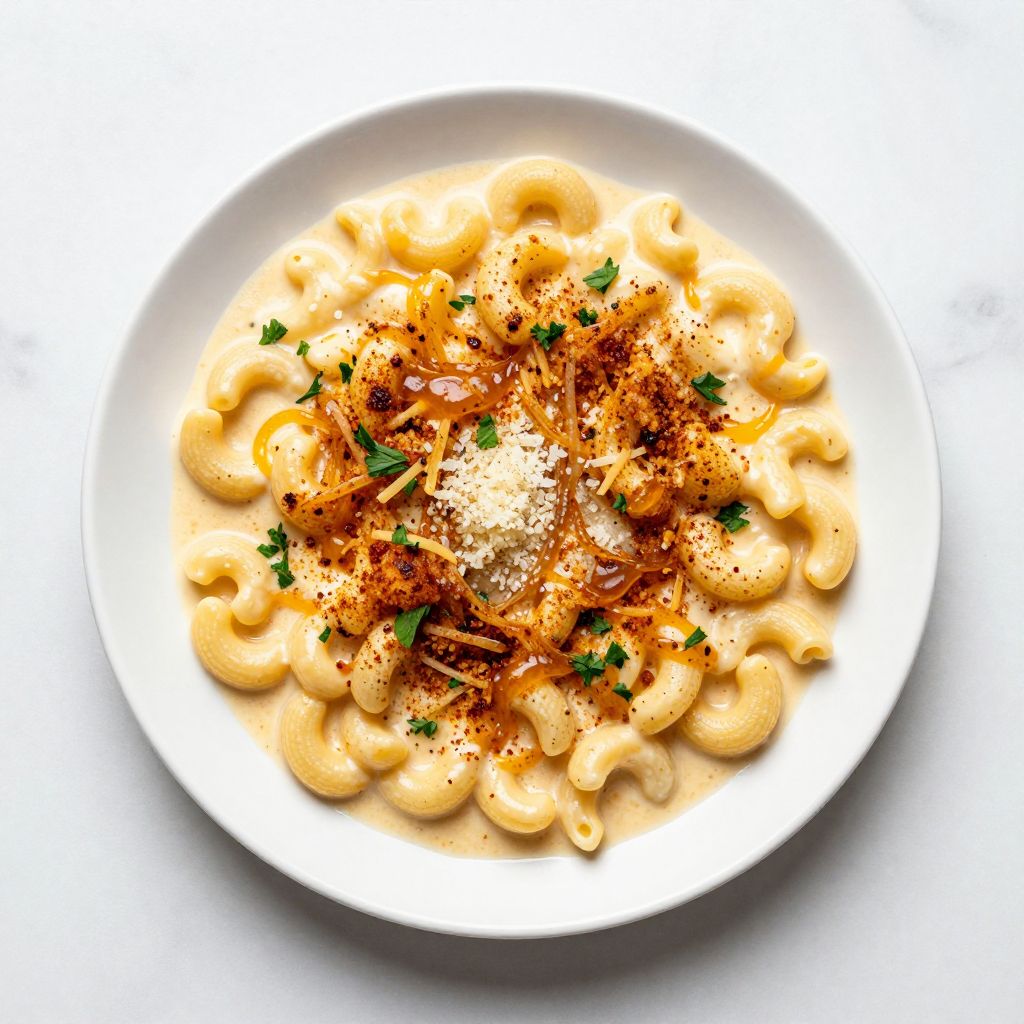
There’s something magical about the moment smoke billows from your grill and wraps around a bubbling pot of mac and cheese, transforming an already-beloved comfort food into something unforgettable. Smoked mac and cheese takes the creamy, cheesy goodness you crave and adds a deep, savory backbone that makes people ask for the recipe before they even finish their first bite.
This dish bridges the gap between backyard barbecue and dinner-table comfort. The smoke infuses the sauce without overpowering it, while the crispy, charred edges on top add textural contrast that plain mac and cheese simply cannot match.
Whether you’re feeding a crowd at a gathering or impressing your family on a Tuesday night, this recipe delivers restaurant-quality results with straightforward steps. Ready to become the person everyone asks to bring the sides?
Why You’ll Love This Recipe
Smoked mac and cheese combines two of life’s greatest pleasures: smoke flavor and cheese sauce. Here’s what makes this version special.
- Deep, smoky flavor that elevates standard mac and cheese to something special
- Creamy, luxurious sauce that coats every noodle without clumping
- Crispy, golden-brown top layer for satisfying textural contrast
- Crowd-pleasing enough for barbecues yet elegant for dinner parties
- Make-ahead friendly and reheats beautifully
My Experience Making This Recipe
The first time I smoked mac and cheese, I was skeptical that smoke wouldn’t overshadow the cheese flavors. I was completely wrong. The smoke acts like a background vocalist in your favorite song, making everything richer without stealing the spotlight.
My guests devoured it in minutes. One friend asked if I’d added bacon, but the magic came entirely from the smoke and quality cheese blend. Watching people close their eyes on that first bite told me this recipe was a keeper.
I’ve since made it dozens of times with different wood types and cheese combinations, and it never disappoints. The beauty is in its flexibility: you can adjust the smoke intensity, the cheese ratio, and the toppings based on what you have and what your crowd prefers.
Recipe Overview
- Recipe Name: Smoked Mac and Cheese
- Servings: 8 to 10
- Prep Time: 20 minutes
- Cook Time: 60 minutes
- Total Time: 80 minutes
- Course: Side dish or main
- Cuisine: American barbecue
- Calories per Serving: 480
Equipment You Will Need
- Smoker or grill with temperature control
- Large pot for boiling pasta
- Medium saucepan for the cheese sauce
- Wooden spoon or silicone spatula
- Whisk
- Colander for draining pasta
- 9×13 inch baking dish or similar
- Instant-read thermometer
- Meat thermometer for monitoring smoker temperature
- Aluminum foil
- Tongs
Ingredients for Smoked Mac and Cheese
For the Pasta and Sauce
- 1 pound elbow pasta
- 6 tablespoons butter
- 1/4 cup all-purpose flour
- 3 cups whole milk
- 2 cups sharp cheddar cheese, shredded
- 1 cup smoked gouda cheese, shredded
- 1/2 cup gruyere cheese, shredded
- 1 teaspoon salt
- 1/2 teaspoon black pepper
- 1/4 teaspoon cayenne pepper
- 1/4 teaspoon smoked paprika
For the Topping
- 1 cup panko breadcrumbs
- 4 tablespoons melted butter
- 1/2 cup grated parmesan cheese
- 2 tablespoons fresh parsley, chopped
- 1/4 teaspoon smoked paprika
For Smoking
- 2 cups wood chips (hickory, oak, or apple)
- Water for soaking chips
Ingredient Notes and Substitutions
- Sharp cheddar provides a bold cheese flavor that stands up to smoke without getting lost. Substitute with extra gruyere if you prefer a milder, nutty taste with less bite.
- Smoked gouda is essential for reinforcing the smoke notes in the final dish. Use regular gouda plus 1/2 teaspoon liquid smoke if smoked gouda isn’t available.
- Gruyere adds creamy texture and subtle sweetness to balance the sharp cheddar. Substitute with fontina or another melting cheese if needed.
- Whole milk creates a silky sauce that coats the pasta evenly. Half-and-half works but makes the sauce richer; evaporated milk is a pinch-hitter if regular milk runs out.
- Smoked paprika in the sauce echoes the wood smoke and adds visual warmth. Regular paprika is fine but use only 1/8 teaspoon to avoid overpowering the cheese flavors.
- Panko breadcrumbs create a crispy, textured topping without getting soggy. Regular breadcrumbs work but soak up more butter and moisture.
- Hickory and oak chips deliver strong, classic smoke flavors. Apple or cherry chips provide milder, slightly sweeter smoke if you prefer subtlety.
How to Make Smoked Mac and Cheese
Step 1: Soak Your Wood Chips
Place your wood chips in a bowl and cover them with water at least 30 minutes before you plan to smoke. Soaked chips smolder and produce more smoke than dry chips, which is what you want for steady, flavorful results.
Step 2: Set Up Your Smoker
Prepare your smoker for indirect heat at 225 to 250 degrees Fahrenheit. Place a water pan in the smoker to regulate temperature and add moisture, which helps the cheese sauce stay creamy rather than drying out on the edges.
Step 3: Prepare the Baking Dish
Lightly butter your 9×13 inch baking dish and set it aside. This prevents sticking and adds a subtle richness to any pasta that touches the sides during smoking.
Step 4: Cook the Pasta
Bring a large pot of salted water to a rolling boil, then add your elbow pasta and cook until just shy of al dente, about 7 to 8 minutes. You want it slightly undercooked because the pasta will continue cooking in the smoker, and overdone pasta turns mushy.
Drain the pasta in a colander but do not rinse it. The starch clinging to the noodles helps the sauce cling and bind together.
Step 5: Make the Cheese Sauce
In a medium saucepan over medium heat, melt the butter, then whisk in the flour to create a smooth paste called a roux. Cook this roux for 2 to 3 minutes, stirring constantly, to cook out the raw flour taste without browning it.
Gradually whisk in the milk a little at a time to avoid lumps. Once all the milk is incorporated, increase the heat to medium-high and stir frequently until the sauce thickens enough to coat the back of a spoon, about 8 to 10 minutes.
Remove the pan from heat and stir in all three cheeses, salt, black pepper, cayenne, and smoked paprika. Stir until the cheese melts completely and the sauce is smooth and creamy.
Step 6: Combine Pasta and Sauce
Pour the hot pasta into the buttered baking dish, then add the cheese sauce and fold everything together gently but thoroughly with a wooden spoon or spatula. Make sure every noodle gets coated in sauce so the pasta doesn’t dry out during smoking.
Step 7: Prepare the Topping
In a small bowl, mix together panko breadcrumbs, melted butter, parmesan cheese, parsley, and smoked paprika. Spread this mixture evenly over the top of the mac and cheese to create a golden, crispy crust when smoked.
Step 8: Smoke the Mac and Cheese
Once your smoker reaches 225 to 250 degrees, add the soaked wood chips to the firebox or smoke box. Place the baking dish on the grill grates away from direct heat, cover the smoker, and let it smoke for 50 to 60 minutes.
The mac and cheese is done when the top is golden brown and the edges bubble gently. The internal temperature should reach about 160 degrees Fahrenheit on an instant-read thermometer inserted into the center.
Step 9: Rest Before Serving
Remove the baking dish from the smoker and let it sit for 5 minutes before serving. This allows the sauce to set slightly so each scoop holds together and the flavors settle.
Pro Tip: If your smoker runs hot or your topping browns too quickly, tent the baking dish loosely with foil after 30 minutes of smoking to slow the browning while the interior finishes cooking.
Tips for the Best Smoked Mac and Cheese
- Use freshly shredded cheese from a block rather than pre-shredded cheese, which contains anti-caking agents that prevent smooth melting and create a grainy texture.
- Keep your smoker temperature steady between 225 and 250 degrees using a quality thermometer. Fluctuations above 275 degrees can dry out the sauce and scorch the topping.
- Add the breadcrumb topping just before smoking so it doesn’t soak up moisture and get soggy during the long cook time.
- Choose mild smoke wood like apple or cherry if you’re unsure how much smoke flavor you want. You can always add more next time, but you cannot remove smoke once it’s cooked in.
- Make the cheese sauce while the pasta cooks to keep everything hot. A warm pasta mixed with warm sauce creates the creamiest results.
- Stir the mac and cheese gently halfway through smoking to ensure even heating and smoke penetration without breaking up the noodles.
Common Mistakes to Avoid
- Overcooking the pasta before smoking: The noodles continue cooking in the smoker, so starting with pasta cooked only 7 to 8 minutes prevents mushiness.
- Using too much smoke wood: More smoke doesn’t equal better flavor. Overly smoky mac and cheese tastes harsh and bitter rather than balanced.
- Skipping the roux step and trying to thicken with cornstarch: A proper roux made from butter and flour creates a silky, stable sauce that reheats well without breaking.
- Opening the smoker door frequently: Every time you peek, heat and smoke escape, extending cook time and creating inconsistent results.
- Making the sauce ahead and refrigerating it: Cold cheese sauce is difficult to smooth with pasta. Make the sauce fresh and combine it with hot pasta right before smoking.
Serving Suggestions
Smoked mac and cheese shines as a main dish or an impressive side at any barbecue. Pair it with smoked meats and fresh sides to round out your meal.
- Pulled pork sandwich with coleslaw and this mac and cheese as the star side
- Smoked brisket with cornbread, pickles, and this creamy pasta
- Grilled chicken with roasted vegetables and mac and cheese
- Simple green salad with vinaigrette to cut through the richness
- Grilled corn on the cob with smoked butter and fresh herbs
Variations to Try
- Bacon and jalapeño version: Crisp up 6 slices of bacon, chop it, and fold it into the sauce along with 1/2 cup diced jalapeños for heat and smokiness that plays off the wood smoke beautifully.
- Truffle mac and cheese: Add 1 to 2 teaspoons of truffle oil to the finished cheese sauce for an earthy, luxurious twist that pairs surprisingly well with smoke.
- Lobster or crab version: Fold in 8 ounces of cooked, chopped lobster or crab meat and a pinch of Old Bay seasoning for a decadent surf-inspired take.
- Spicy version: Increase the cayenne pepper to 1/2 teaspoon, add 1/4 teaspoon ghost pepper powder, and stir in 2 tablespoons of hot sauce to the cheese sauce for serious heat lovers.
- Mushroom and herb version: Saute 8 ounces of sliced mushrooms in butter until golden, then fold them into the pasta along with 2 tablespoons of fresh thyme for earthy depth.
Dietary Adaptations
- Gluten-free: Use gluten-free pasta and replace the all-purpose flour in the roux with rice flour or cornstarch in equal amounts. The texture will be slightly different but equally creamy.
- Dairy-free: Substitute butter with olive oil, use unsweetened oat or cashew milk instead of whole milk, and use dairy-free cheese alternatives, though results will be less creamy and cheese flavor will be muted.
- Vegan: Use olive oil, unsweetened plant milk, and high-quality vegan cheese (Miyoko’s or Violife work well), though the sauce will be less rich and the final dish will taste more like pasta than traditional mac and cheese.
- Low-carb or keto: Replace elbow pasta with shirataki noodles or low-carb pasta alternatives and proceed as written. The smoke flavor and cheese sauce will shine even more without starchy pasta competing for attention.
Storage and Reheating
Refrigerator
Allow the smoked mac and cheese to cool to room temperature, then transfer it to an airtight container and refrigerate for up to 4 days. The flavors actually deepen as it sits.
- Store in a shallow container to cool quickly and evenly
- Keep the foil cover on if storing in the baking dish
- Leftover mac and cheese makes excellent cold pasta salad mixed with fresh herbs and vinaigrette
Freezer
Cool the dish completely, cover it tightly with plastic wrap and then foil, and freeze for up to 3 months. The creamy sauce freezes well without separating.
- Freeze in individual portions in freezer bags for easy grab-and-go meals
- Label with the date and contents for quick identification
- Thaw overnight in the refrigerator before reheating
Reheating
Reheat gently to prevent the sauce from breaking or becoming grainy. Low and slow is your friend here.
- Oven method: Cover with foil and reheat at 350 degrees for 20 to 30 minutes until warmed through, stirring halfway
- Stovetop method: Place in a pot over medium-low heat and stir frequently, adding a splash of milk if the sauce looks thick
- Microwave method: Place in a microwave-safe dish, cover loosely, and heat in 2-minute intervals, stirring between each, until steaming
- Add fresh breadcrumb topping before reheating for a crispy finish
Nutrition Information
| Nutrient | Amount |
|---|---|
| Calories | 480 |
| Total Fat | 22g |
| Saturated Fat | 13g |
| Carbohydrates | 48g |
| Fiber | 2g |
| Sugar | 4g |
| Protein | 18g |
| Sodium | 620mg |
| Cholesterol | 55mg |
Nutritional values are approximate and based on standard ingredients and serving sizes. Substitutions and variations will affect the final nutritional profile.
Frequently Asked Questions
Can I make this mac and cheese in a regular oven instead of a smoker?
Yes, bake it covered at 350 degrees for 30 to 40 minutes, then uncover and bake for another 10 to 15 minutes until the top is golden. You’ll lose the smoke flavor, so add 1/2 to 1 teaspoon of liquid smoke to the cheese sauce to approximate the smoky taste.
What type of wood smoke tastes best?
Hickory and oak deliver classic, strong smoke flavors that pair well with cheese. Apple and cherry provide milder, slightly fruity smoke that doesn’t overpower the dish if you prefer subtlety.
Can I prepare the components ahead and assemble on smoking day?
Cook the pasta and make the cheese sauce up to 1 day ahead and store them separately in the refrigerator. On smoking day, combine them and proceed to the topping and smoking steps.
Why does my cheese sauce break or turn grainy?
This usually happens from overheating or adding
Smoked Mac and Cheese
Smoked mac and cheese takes creamy, cheesy goodness and adds a deep, savory smoke flavor with crispy, charred edges on top. This crowd-pleasing dish bridges backyard barbecue and dinner-table comfort with restaurant-quality results.
- Smoker or grill with temperature control
- Large pot for boiling pasta
- Medium saucepan for the cheese sauce
- Wooden spoon or silicone spatula
- Whisk
- Colander for draining pasta
- 9×13 inch baking dish
- Instant-read thermometer
- Meat thermometer for monitoring smoker temperature
- Aluminum foil
- Tongs
For the Pasta and Sauce
- 1 pound elbow pasta
- 6 tablespoons butter
- 1/4 cup all-purpose flour
- 3 cups whole milk
- 2 cups sharp cheddar cheese (shredded)
- 1 cup smoked gouda cheese (shredded)
- 1/2 cup gruyere cheese (shredded)
- 1 teaspoon salt
- 1/2 teaspoon black pepper
- 1/4 teaspoon cayenne pepper
- 1/4 teaspoon smoked paprika
For the Topping
- 1 cup panko breadcrumbs
- 4 tablespoons melted butter
- 1/2 cup grated parmesan cheese
- 2 tablespoons fresh parsley (chopped)
- 1/4 teaspoon smoked paprika
For Smoking
- 2 cups wood chips (hickory, oak, or apple)
- Water for soaking chips
- Place wood chips in a bowl and cover with water. Soak for at least 30 minutes before smoking.
- Prepare your smoker for indirect heat at 225 to 250 degrees Fahrenheit. Place a water pan in the smoker to regulate temperature and add moisture.
- Lightly butter your 9×13 inch baking dish and set aside.
- Bring a large pot of salted water to a rolling boil. Add elbow pasta and cook until just shy of al dente, about 7 to 8 minutes. Drain in a colander but do not rinse.
- In a medium saucepan over medium heat, melt 6 tablespoons butter. Whisk in flour to create a smooth roux. Cook for 2 to 3 minutes, stirring constantly, without browning.
- Gradually whisk in milk a little at a time to avoid lumps. Once all milk is incorporated, increase heat to medium-high and stir frequently until sauce thickens enough to coat the back of a spoon, about 8 to 10 minutes.
- Remove pan from heat and stir in sharp cheddar, smoked gouda, gruyere, salt, black pepper, cayenne, and smoked paprika. Stir until cheese melts completely and sauce is smooth and creamy.
- Pour hot pasta into the buttered baking dish. Add cheese sauce and fold everything together gently but thoroughly until every noodle is coated.
- In a small bowl, mix together panko breadcrumbs, 4 tablespoons melted butter, parmesan cheese, parsley, and smoked paprika. Spread mixture evenly over the top of the mac and cheese.
- Once smoker reaches 225 to 250 degrees, add soaked wood chips to the firebox or smoke box. Place baking dish on grill grates away from direct heat.
- Cover smoker and smoke for 50 to 60 minutes, until top is golden brown and edges bubble gently. Internal temperature should reach about 160 degrees Fahrenheit.
- Remove baking dish from smoker and let sit for 5 minutes before serving to allow sauce to set slightly.
Use freshly shredded cheese from a block for smooth melting. Keep smoker temperature steady between 225 and 250 degrees. If topping browns too quickly, tent loosely with foil after 30 minutes. Choose mild smoke wood like apple or cherry if unsure about smoke intensity. Stir gently halfway through smoking for even heating. Store leftovers in refrigerator for up to 4 days or freeze for up to 3 months.