Picture this: a rich, savory sauce that clings to your stir-fries like a warm hug. Making your own oyster sauce at home is not just a culinary adventure; it’s a way to elevate your dishes with a depth of flavor that store-bought versions can’t match. This sauce is a game-changer, bringing a touch of umami and sweetness to your meals, and it’s surprisingly simple to whip up. Let’s dive into the world of homemade oyster sauce, where the magic begins with just a few ingredients.
Why You’ll Love This Recipe
This oyster sauce recipe is a must-try for any home cook. It’s versatile and packed with flavor!
- Quick to make with minimal ingredients.
- Perfect for enhancing stir-fries, marinades, and more.
- Customizable sweetness and saltiness to fit your taste.
- More cost-effective than store-bought options.
- Great way to impress friends and family with your cooking skills.
My Experience Making This Recipe
When I first decided to make oyster sauce, I was skeptical. Would it turn out as delicious as the ones I bought? Spoiler alert: it exceeded my expectations!
The aroma wafting through my kitchen was intoxicating, a blend of savory and sweet that made my mouth water. Using it in my stir-fry felt like a culinary triumph, and I couldn’t believe I had made this delicious sauce from scratch.
Recipe Overview
- Recipe Name: Oyster Sauce
- Servings: 1 cup
- Prep Time: 10 minutes
- Cook Time: 20 minutes
- Total Time: 30 minutes
- Course: Condiment
- Cuisine: Asian
- Calories per Serving: 70
Equipment You Will Need
- Small saucepan
- Whisk
- Measuring cups
- Measuring spoons
- Strainer
- Jar for storage
Ingredients for Oyster Sauce
- 1 cup water
- 1/4 cup oyster paste
- 2 tablespoons soy sauce
- 1 tablespoon sugar
- 1 teaspoon cornstarch
- 1 teaspoon sesame oil
Ingredient Notes and Substitutions
- Oyster paste: This gives the sauce its signature flavor. You can substitute with mushroom sauce for a vegetarian version.
- Soy sauce: Adds saltiness and depth. Tamari is a gluten-free option.
- Sugar: Balances the savory notes. You can use honey or maple syrup if desired.
- Cornstarch: Thickens the sauce. Arrowroot powder works well as a substitute.
- Sesame oil: Provides a nutty flavor. You can omit it for a lighter sauce.
How to Make Oyster Sauce
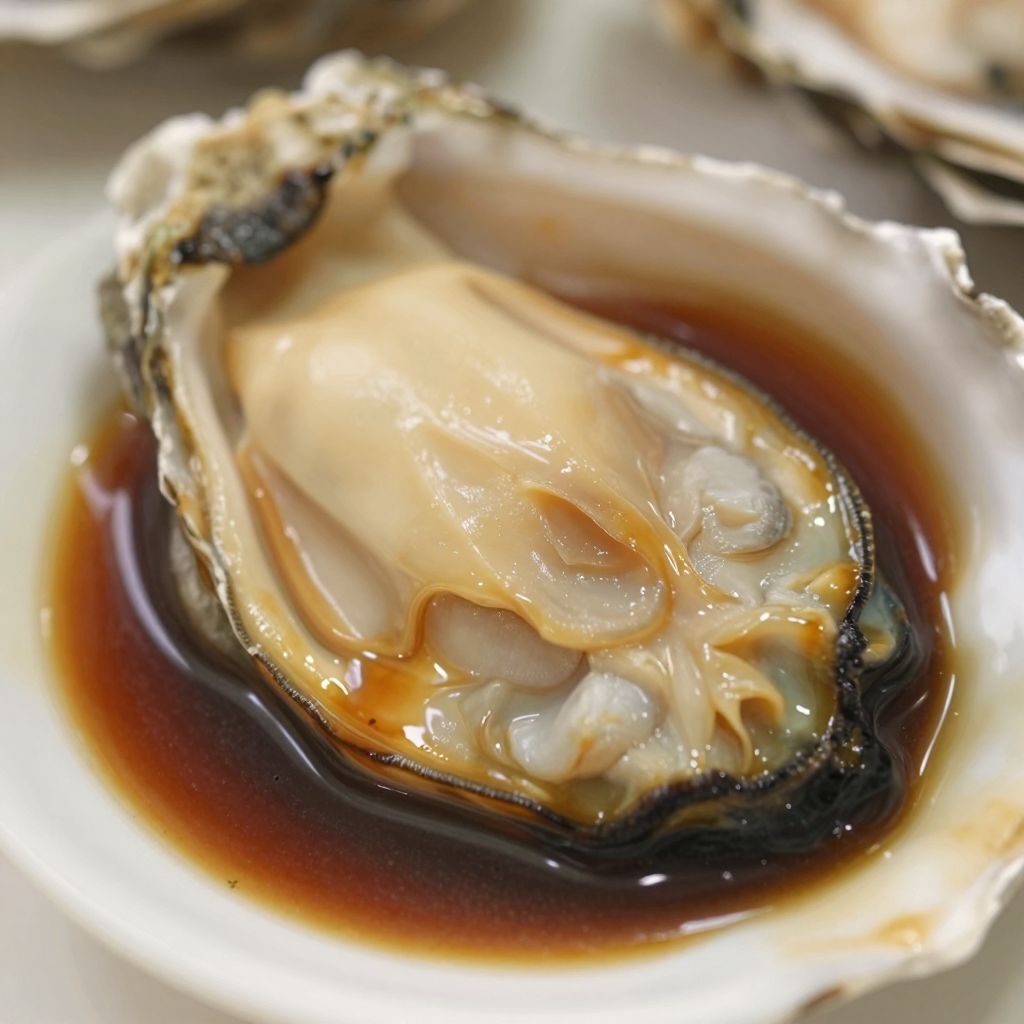
Step 1: Combine Ingredients
In a small saucepan, combine the water, oyster paste, soy sauce, and sugar. This forms the base for your sauce, ensuring a well-balanced flavor.
Step 2: Heat the Mixture
Place the saucepan over medium heat and stir until the mixture begins to simmer. Heating it helps dissolve the sugar and blend the flavors together.
Step 3: Prepare the Cornstarch Slurry
In a small bowl, mix the cornstarch with a tablespoon of cold water until smooth. This slurry will thicken your sauce, giving it that perfect consistency.
Step 4: Add the Slurry to the Sauce
Slowly pour the cornstarch slurry into the simmering sauce while whisking continuously. This prevents lumps and helps achieve a silky texture.
Step 5: Add Sesame Oil
Once the sauce has thickened, remove it from heat and stir in the sesame oil. This adds a wonderful nutty aroma and flavor to your oyster sauce.
Step 6: Strain the Sauce
For a smoother texture, strain the sauce through a fine-mesh strainer into a clean jar. This step is optional but recommended for a velvety finish.
Step 7: Cool and Store
Let the sauce cool to room temperature before sealing the jar. Proper cooling helps preserve the flavors and prevents condensation.
Step 8: Enjoy in Your Dishes
Your homemade oyster sauce is now ready to be used! Incorporate it into stir-fries, marinades, or even as a dipping sauce.
Pro Tip: Always taste and adjust the sweetness and saltiness to your preference before serving.
Tips for the Best Oyster Sauce
- Use fresh oyster paste for the best flavor; avoid expired products.
- Adjust the sugar level to balance out the saltiness of the soy sauce.
- Store in an airtight container to maintain freshness.
- Experiment with different types of soy sauce for varied flavor profiles.
- Allow the sauce to cool completely before storing to avoid spoilage.
Common Mistakes to Avoid
- Not whisking the sauce while adding the cornstarch can lead to lumps.
- Using low-quality oyster paste can result in a bland sauce.
- Skipping the straining step may leave you with an unappealing texture.
- Not adjusting flavors before cooling can lead to an overly salty or sweet sauce.
Serving Suggestions
Your homemade oyster sauce pairs beautifully with a variety of dishes. Here are some delicious ideas:
- Stir-fried vegetables with chicken or beef.
- Marinate shrimp or tofu for a flavorful grill.
- Drizzle over steamed rice or noodles.
- Use as a dipping sauce for spring rolls or dumplings.
Variations to Try
- Add chili paste for a spicy kick in your oyster sauce.
- Incorporate garlic or ginger for an aromatic twist.
- Try using different types of vinegar for a tangy flavor.
- Mix in some hoisin sauce for added sweetness.
Dietary Adaptations
- Gluten-free: Use gluten-free soy sauce or tamari.
- Dairy-free: This recipe is naturally dairy-free.
- Vegan/Vegetarian: Substitute oyster paste with mushroom sauce.
- Low-carb/Keto: Replace sugar with a low-carb sweetener.
Storage and Reheating
Refrigerator
Store the oyster sauce in an airtight container in the refrigerator. It will keep well for up to a month.
- Use a clean spoon each time to avoid contamination.
- Check for any off smells before using.
Freezer
This sauce can be frozen for longer storage. Use ice cube trays for portioning.
- Once frozen, transfer cubes to a freezer bag.
- Label the bag with the date for future reference.
Reheating
To reheat, simply warm the desired amount in a saucepan over low heat. Stir to ensure even warming.
- Do not boil, as this can change the texture.
- Adjust seasoning if needed after reheating.
Nutrition Information
| Nutrient | Amount |
|---|---|
| Calories | 70 |
| Total Fat | 2g |
| Saturated Fat | 0g |
| Carbohydrates | 12g |
| Fiber | 0g |
| Sugar | 9g |
| Protein | 1g |
| Sodium | 600mg |
| Cholesterol | 0mg |
This information is an estimate and can vary based on specific ingredients used.
Frequently Asked Questions
Can I use fresh oysters instead of oyster paste?
While you can, using oyster paste is more convenient and provides consistent flavor.
Can I make this sauce ahead of time?
Absolutely! It keeps well in the fridge for up to a month.
How do I store leftovers?
Store leftover sauce in an airtight container in the refrigerator.
What if my sauce is too thick?
Simply add a bit more water and whisk until you reach the desired consistency.
Can I adjust the sweetness?
Yes, feel free to add more or less sugar based on your taste preferences.
Final Thoughts
Making your own oyster sauce is easier than you might think, and the results are incredibly rewarding. I encourage you to give this recipe a try and experience the rich flavors it brings to your cooking.
Once you master this sauce, you’ll want to experiment with more homemade condiments. If you enjoyed this, be sure to check out my eel sauce recipe and explore the unique flavors in my seafood boil sauce recipe for more culinary adventures!
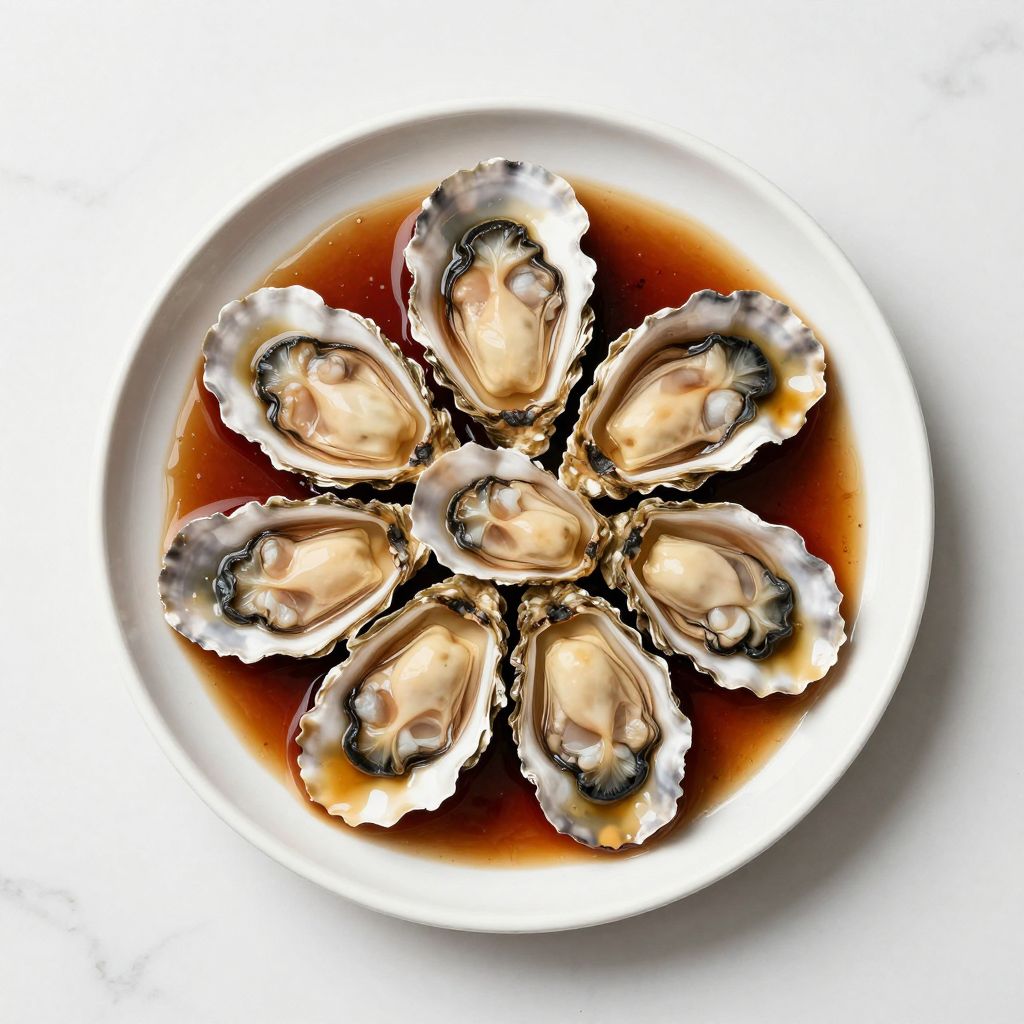
Oyster Sauce
Ingredients
Equipment
Method
- In a small saucepan, combine 1 cup water, 1/4 cup oyster paste, 2 tablespoons soy sauce, and 1 tablespoon sugar.
- Place the saucepan over medium heat and stir until the mixture begins to simmer, about 5 minutes.
- In a small bowl, mix 1 teaspoon cornstarch with 1 tablespoon cold water until smooth to form a slurry.
- Slowly pour the cornstarch slurry into the simmering sauce while whisking continuously, and cook until thickened, about 1–2 minutes.
- Remove the saucepan from heat and stir in 1 teaspoon sesame oil.
- Strain the sauce through a fine-mesh strainer into a clean jar for a smooth texture.
- Allow the sauce to cool to room temperature, about 30 minutes, before sealing the jar.
- Use the homemade oyster sauce to enhance stir-fries, marinades, or as a dipping sauce.