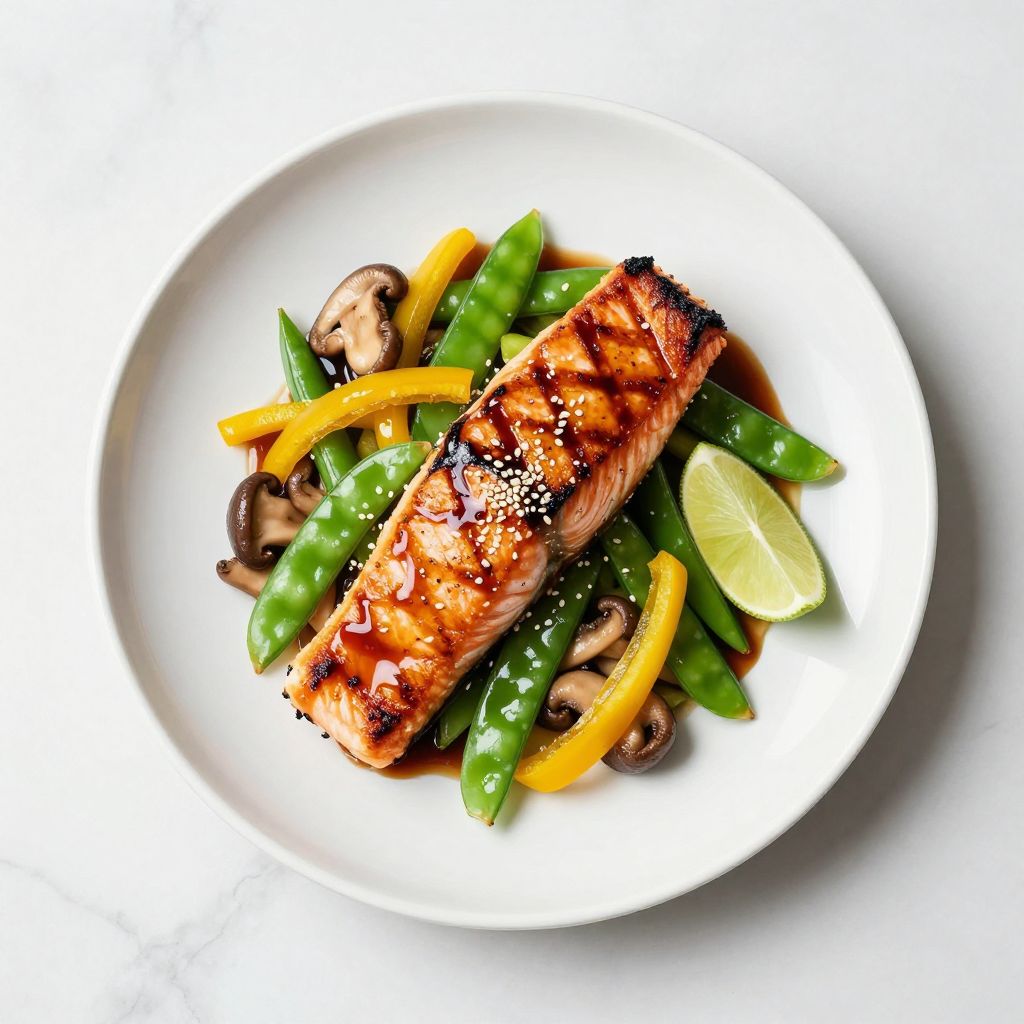
Eel sauce recipe transforms simple grilled dishes and sushi rolls into restaurant-quality meals with just five ingredients and about 15 minutes of your time. This glossy, sweet-savory Japanese condiment made from soy sauce, mirin, and sugar creates that addictive glaze you’ve been craving since your last sushi night.
You don’t need to visit a specialty store or pay premium prices for bottled versions when making this at home is ridiculously easy. The homemade version tastes fresher, costs less, and lets you control the sweetness to match your preferences perfectly.
Why You’ll Love This Recipe
This eel sauce delivers authentic Japanese flavor without requiring any exotic ingredients or complicated techniques. The whole process takes less time than driving to the store for a mediocre bottled version.
- Uses only five pantry-friendly ingredients you probably already own
- Ready in just 15 minutes from start to finish
- Keeps for up to three months in the refrigerator
- Costs a fraction of store-bought versions while tasting significantly better
- Works brilliantly on everything from sushi to grilled vegetables
My Experience Making This Recipe
I first made this sauce after getting frustrated with the syrupy, overly sweet bottled stuff that dominated my homemade sushi rolls. The kitchen filled with the most incredible sweet-salty aroma as the sauce reduced, and I knew immediately this would become a staple.
My partner, who normally doesn’t get excited about condiments, dipped everything in sight into the finished sauce. We went through the first batch in less than a week, drizzling it over grilled salmon, stir-fried vegetables, and rice bowls.
The glossy consistency and balanced flavor reminded me of the sauce served at my favorite sushi restaurant, except this version had more depth and less cloying sweetness. I’ve been making double batches ever since.
Recipe Overview
- Recipe Name: Eel Sauce
- Servings: 16 (about 1 cup)
- Prep Time: 5 minutes
- Cook Time: 10 minutes
- Total Time: 15 minutes
- Course: Condiment
- Cuisine: Japanese
- Calories per Serving: 35
Equipment You Will Need
- Small saucepan (1 to 2 quart capacity)
- Whisk or wooden spoon
- Measuring cups and spoons
- Glass jar or bottle for storage
- Fine mesh strainer (optional, for smoothest texture)
Ingredients for Eel Sauce Recipe
- 1/2 cup soy sauce (preferably low sodium)
- 1/2 cup mirin (Japanese sweet rice wine)
- 1/4 cup granulated sugar
- 2 tablespoons honey
- 1 teaspoon rice vinegar
Ingredient Notes and Substitutions
- Soy sauce: Provides the salty, umami base that defines this sauce. You can substitute with tamari for a gluten-free version, though the flavor will be slightly richer.
- Mirin: Adds subtle sweetness and authentic Japanese flavor with lower alcohol content than sake. If unavailable, use 1/2 cup sake mixed with 1 tablespoon sugar, though the flavor won’t be quite as nuanced.
- Sugar: Balances the saltiness and creates the signature thick, syrupy consistency. Brown sugar works as a substitute and adds a deeper caramel note.
- Honey: Contributes complexity and helps achieve the glossy finish. Maple syrup can replace it, though the sauce will have a slightly different flavor profile.
- Rice vinegar: Brightens the sauce and cuts through the sweetness with subtle acidity. Apple cider vinegar works in a pinch, but use only 1/2 teaspoon as it’s more assertive.
How to Make Eel Sauce Recipe
Step 1: Combine All Ingredients
Pour the soy sauce, mirin, sugar, honey, and rice vinegar into your saucepan. Whisk everything together until the sugar begins to dissolve and no clumps remain.
Starting with all ingredients at room temperature helps them blend more smoothly and prevents the honey from clumping when it hits the cold soy sauce. Taking an extra 30 seconds here saves you from fishing out sticky honey blobs later.
Step 2: Bring to a Gentle Boil
Place the saucepan over medium-high heat and bring the mixture to a boil, stirring occasionally. Watch for the moment when bubbles begin to break the surface consistently across the entire pan.
This initial boil activates the reduction process and helps the sugar fully dissolve into the liquid. Stirring prevents the sugar from settling and potentially scorching on the bottom of the pan.
Step 3: Reduce the Heat
Lower the heat to medium-low as soon as you achieve a full boil. The sauce should maintain a gentle simmer with small bubbles consistently rising to the surface.
Reducing the heat prevents the sauce from burning or becoming bitter while allowing proper evaporation. Too high a temperature will cause the sugars to caramelize too quickly and create an unpleasant burnt flavor.
Step 4: Simmer and Reduce
Let the sauce simmer uncovered for 8 to 10 minutes, stirring every 2 minutes. You’ll notice the sauce gradually darkening and the bubbles becoming thicker and more syrupy.
The liquid should reduce by roughly half, concentrating the flavors and creating that characteristic glossy thickness. Regular stirring ensures even reduction and prevents hot spots that could scorch the sauce.
Step 5: Test the Consistency
Dip a spoon into the sauce and run your finger across the back of it. The sauce should coat the spoon and leave a clear line that doesn’t immediately run back together.
This coating test tells you the sauce has reached the right thickness and will continue to thicken slightly as it cools. If the line runs back together quickly, simmer for another 2 minutes and test again.
Step 6: Check the Flavor Balance
Taste a small amount of the sauce carefully, keeping in mind it will be hot. The flavor should balance sweet and salty with a subtle tang at the finish.
If the sauce tastes too salty, add another teaspoon of honey and simmer for 1 more minute. If it’s too sweet, a splash more rice vinegar will bring it back into balance.
Step 7: Remove from Heat and Cool
Take the saucepan off the heat and let the sauce cool in the pan for 5 minutes. The sauce will thicken noticeably as the temperature drops and the sugars set.
Cooling in the pan allows you to see the final consistency before transferring to storage. The sauce should have a pourable but syrupy texture, similar to maple syrup or slightly thinner than molasses.
Step 8: Strain and Store
Pour the cooled sauce through a fine mesh strainer into your storage container if you want the smoothest possible texture. Transfer directly to a jar if you don’t mind a few tiny particles.
Straining removes any bits that may have formed during cooking, giving you that restaurant-quality glossy appearance. Once completely cooled, seal the jar tightly and refrigerate for up to three months.
Pro Tip: Always let your eel sauce cool completely to room temperature before judging the final consistency, as it thickens dramatically during cooling and may seem too thin while still warm.
Tips for the Best Eel Sauce Recipe
- Use low-sodium soy sauce to have better control over the saltiness, since the reduction process concentrates the salt content significantly. Regular soy sauce can make the final product too salty for some palates.
- Don’t walk away during the simmering phase, as the sauce can go from perfect to burnt in less than a minute once it gets thick. Set a timer and check it regularly.
- Make a double batch since the sauce stores so well and you’ll use it on everything. The cooking time only increases by about 2 minutes for twice the quantity.
- Warm the sauce slightly before serving if it’s been refrigerated, as cold temperatures make it very thick and harder to drizzle. Ten seconds in the microwave or a minute in a warm water bath works perfectly.
- Add a tiny pinch of ginger powder or garlic powder during cooking if you want extra depth, but keep it subtle so it doesn’t overpower the traditional flavor. Start with just 1/8 teaspoon and adjust in future batches.
- Keep a wet towel nearby to wipe the rim of your saucepan if sauce splatters during simmering. This prevents burnt-on residue that’s annoying to clean later.
Common Mistakes to Avoid
- Boiling the sauce too vigorously causes excessive evaporation and can burn the sugars, creating a bitter, acrid flavor instead of the sweet-savory balance you want. A gentle simmer is always better than a rolling boil.
- Not stirring frequently enough allows the sugar to settle and scorch on the bottom of the pan, ruining the entire batch with a burnt taste. Consistent stirring takes minimal effort and prevents disaster.
- Judging the consistency while the sauce is still hot leads to over-reduction, since it thickens substantially as it cools. Always account for this cooling effect and err on the side of slightly thinner.
- Using cooking sake instead of mirin changes the flavor profile significantly because sake lacks the sweetness and has higher alcohol content. Mirin is specifically formulated for this type of sauce and makes a noticeable difference.
- Storing the sauce while it’s still warm creates condensation inside the container, which can dilute the sauce and promote bacterial growth. Patience pays off with better shelf life and consistency.
Serving Suggestions
This versatile sauce elevates both traditional Japanese dishes and everyday meals with its perfect balance of sweet and savory. Drizzle it generously over hot foods or use it as a dipping sauce for maximum impact.
- Brush over grilled or broiled fish, especially salmon, mackerel, or the traditional unagi (freshwater eel)
- Drizzle across sushi rolls, particularly California rolls, shrimp tempura rolls, or any roll with avocado
- Use as a glaze for grilled chicken thighs or wings during the last few minutes of cooking
- Toss with stir-fried vegetables like bell peppers, mushrooms, and snap peas for an instant flavor boost
- Drizzle over rice bowls, poke bowls, or grain bowls to add complexity and moisture
Variations to Try
- Spicy eel sauce: Whisk in 1 to 2 teaspoons of sriracha or chili garlic sauce after removing from heat for a spicy kick that complements the sweetness. The heat cuts through rich foods beautifully.
- Ginger eel sauce: Add 1 teaspoon of freshly grated ginger during the simmering process for a bright, zesty note that pairs wonderfully with seafood. Strain it out before storing for smooth texture.
- Sesame eel sauce: Stir in 1 teaspoon of toasted sesame oil after cooking for a nutty depth that works amazingly on vegetables. A sprinkle of sesame seeds on top adds visual appeal and crunch.
- Citrus eel sauce: Replace the rice vinegar with fresh lime or yuzu juice for a brighter, more acidic version that cuts through fatty fish perfectly. This variation feels lighter and more refreshing.
- Thick eel glaze: Reduce the sauce for an additional 3 to 4 minutes to create an ultra-thick glaze that clings to foods and caramelizes beautifully under the broiler. Perfect for finishing dishes with dramatic presentation.
Dietary Adaptations
- Gluten-free: Use certified gluten-free tamari instead of regular soy sauce, checking that your mirin is also gluten-free as some brands contain additives. The flavor remains virtually identical with this simple swap.
- Vegan: Replace the honey with maple syrup or agave nectar in equal amounts, though the final flavor will be slightly less complex. The sauce remains just as delicious and versatile.
- Low-sodium: Use low-sodium soy sauce and reduce the quantity to 1/3 cup, replacing the missing liquid with water or additional mirin. The sauce will be less intensely salty but still flavorful.
- Sugar-free/Keto: Substitute the sugar with a granulated sweetener like erythritol and replace honey with sugar-free maple-flavored syrup, though the consistency may be slightly thinner. The sauce won’t caramelize quite as beautifully but still tastes great.
Storage and Reheating
Refrigerator
Store the cooled eel sauce in an airtight glass jar or squeeze bottle in the refrigerator for up to three months. The high sugar and salt content acts as natural preservatives, keeping the sauce fresh for extended periods.
- Always use a clean utensil when scooping out sauce to prevent contamination
- The sauce will thicken considerably when cold but returns to the right consistency when warmed
- Check for any off odors or mold before using if stored for more than a month
Freezer
Freeze eel sauce in ice cube trays for convenient single-serving portions that last up to six months. Pop out the frozen cubes and transfer them to a freezer bag for easy access.
- Each cube equals roughly 2 tablespoons, perfect for individual servings
- Thaw cubes in the refrigerator overnight or microwave for 20 seconds
- Frozen sauce may separate slightly but whisking brings it back together
Reheating
Gently warm refrigerated sauce in the microwave for 10 to 15 seconds or in a small saucepan over low heat. Avoid overheating, which can cause the sugars to caramelize further and change the flavor.
- Stir well after warming to ensure even consistency throughout
- Add a teaspoon of water if the sauce has become too thick during storage
- Warm only the amount you need rather than reheating the entire batch repeatedly
Nutrition Information
| Nutrient | Amount |
|---|---|
| Calories | 35 |
| Total Fat | 0g |
| Saturated Fat | 0g |
| Carbohydrates | 8g |
| Fiber | 0g |
| Sugar | 7g |
| Protein | 1g |
| Sodium | 320mg |
| Cholesterol | 0mg |
Nutritional values are approximate and based on one tablespoon serving size. Values may vary depending on specific brands of ingredients used and exact measurements.
Frequently Asked Questions
Can I make eel sauce without mirin?
You can substitute mirin with a mixture of sake and sugar (1/2 cup sake plus 1 tablespoon sugar), though the flavor will lack the subtle complexity that authentic mirin provides. Dry white wine mixed with a touch of sugar also works in a pinch but moves further from the traditional taste.
How do I know when my eel sauce is thick enough?
The sauce is ready when it coats the back of a spoon and a finger drawn through it leaves a clear line that holds for several seconds. Keep in mind the sauce thickens significantly as it cools, so it should look slightly thinner than your desired final consistency while still warm.
Can I make eel sauce ahead of time for a dinner party?
Absolutely, and making it ahead actually improves the flavor as the ingredients meld together over time. Prepare the sauce up to a week in advance and store it refrigerated, then warm it gently just before serving for the best consistency and temperature.
Why did my eel sauce turn out too thin?
You likely didn’t simmer it long enough or the heat was too low for proper reduction. Return the sauce to the stove and simmer for a few more minutes until it reaches the right consistency, testing with the spoon method every minute or so.
What’s the difference between eel sauce and teriyaki sauce?
While both are sweet-savory Japanese sauces, eel sauce is typically sweeter, thicker, and contains mirin, while teriyaki often includes ginger and garlic. Eel sauce has a more syrupy consistency and is traditionally used as a finishing sauce rather than a marinade.
Can I use this sauce as a marinade for raw fish or meat?
This sauce works better as a glaze or finishing sauce rather than a marinade because the high sugar content can burn during cooking. If you want to marinate, dilute the sauce with equal parts water and apply the undiluted version during the last few minutes of cooking for the best results.
Is eel sauce the same as unagi sauce?
Yes, eel sauce and unagi sauce are the same thing, with unagi being the Japanese word for freshwater eel. Both names refer to this sweet soy-based sauce traditionally served over grilled eel but now used on many other dishes.