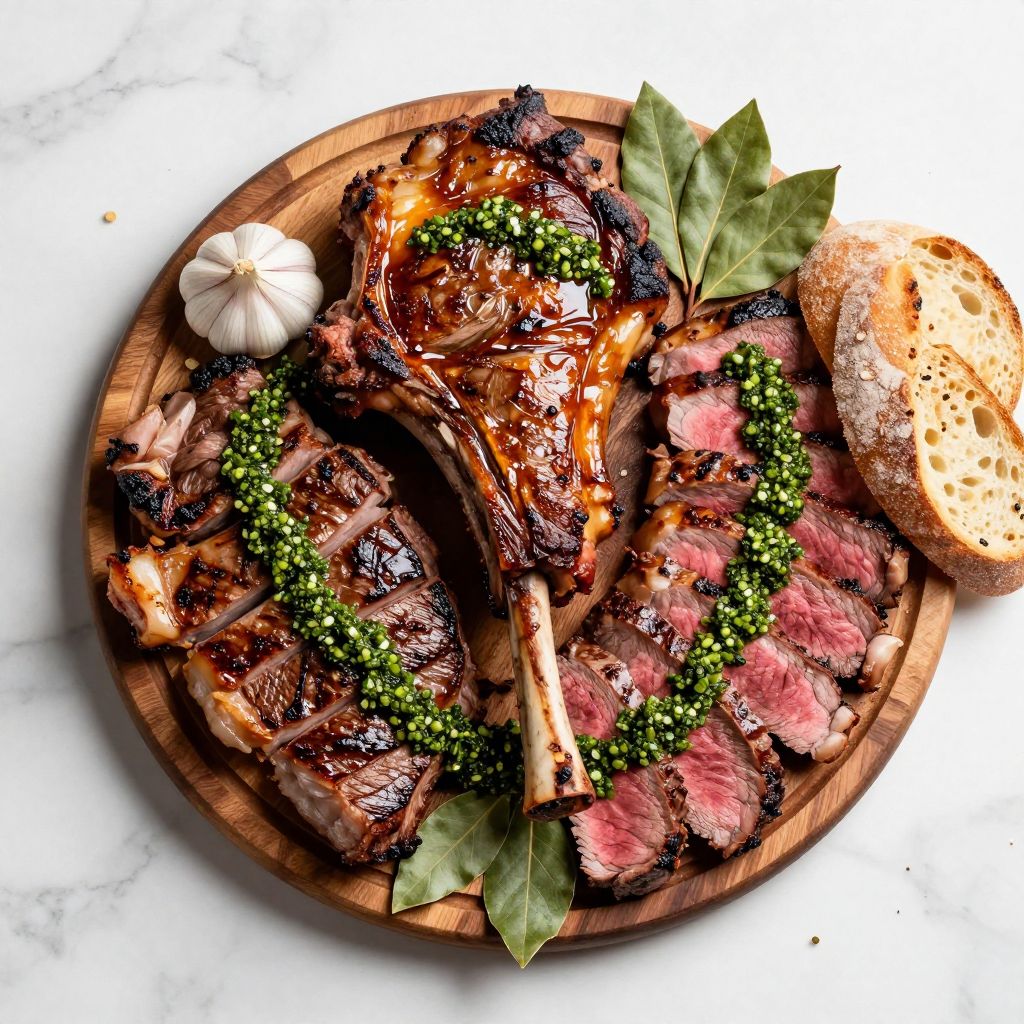
The smell of beef sizzling over an open flame while smoke curls into the afternoon air brings back memories that stick with you forever. Asado is more than just grilled meat; it’s a celebration of patience, fire, and the simple pleasure of gathering around good food with people you care about. This Argentine barbecue tradition turns inexpensive cuts into tender, smoky perfection that tastes like you spent all day in the best steakhouse in Buenos Aires.
What makes this recipe special is how the slow cooking process transforms tough cuts into juicy, flavorful meat with a gorgeous crust. The technique relies on moderate heat and time rather than fancy marinades or complicated steps. You’ll learn to control your fire, season like a gaucho, and serve meat that makes people forget about their phones for at least an hour.
Why You’ll Love This Recipe
This asado recipe delivers restaurant-quality results using basic ingredients and straightforward techniques that anyone can master. The low-and-slow cooking method practically guarantees success even if you’ve never grilled a steak in your life.
- Feeds a crowd without destroying your budget since it uses affordable cuts like short ribs and flank steak
- Requires only salt as seasoning, letting the beef flavor shine through without hiding behind spice rubs
- Creates a social cooking experience where the grill becomes the gathering spot for hours
- Works with charcoal, wood, or gas grills once you understand the heat management principles
- Produces incredibly tender meat with a smoky char that beats any steakhouse version
My Experience Making This Recipe
The first time I attempted asado, I made the rookie mistake of rushing the fire and cooking over flames that were way too hot. The outside charred while the inside stayed tough, and I learned why Argentine grill masters spend years perfecting their craft. My second attempt went much better after I committed to patience and let the coals burn down to that perfect white-ash stage.
The smell that fills your backyard during the cooking process is intoxicating, with wood smoke and beef fat creating an aroma that pulls neighbors over to investigate. I served it with chimichurri and crusty bread, and watched as people went completely silent for the first few bites. One friend declared it the best beef he’d ever eaten, which felt like high praise considering he’s visited Argentina twice.
The leftovers, though rare in quantity, made incredible sandwiches the next day. The rendered fat had solidified into a flavorful layer that I scraped off and used to fry eggs for breakfast, proving that nothing from a proper asado should go to waste.
Recipe Overview
- Recipe Name: Argentine Asado
- Servings: 8 to 10 people
- Prep Time: 20 minutes
- Cook Time: 2 to 3 hours
- Total Time: 2 hours 20 minutes to 3 hours 20 minutes
- Course: Main Course
- Cuisine: Argentine
- Calories per Serving: 520 calories
Equipment You Will Need
- Charcoal or wood-fired grill (gas grill works but produces less authentic flavor)
- Chimney starter for charcoal
- Long-handled tongs
- Wire brush for cleaning grill grates
- Large cutting board
- Sharp carving knife
- Meat thermometer (optional but helpful for beginners)
- Large serving platter
- Basting brush (optional)
Ingredients for Asado Recipe
- Beef short ribs: 4 pounds, bone-in
- Flank steak: 2 pounds
- Skirt steak: 1.5 pounds
- Coarse sea salt or kosher salt: 1/4 cup
- Whole garlic cloves: 6 cloves, smashed (optional)
- Fresh bay leaves: 4 leaves (optional)
- Chimichurri sauce: 2 cups, for serving
Ingredient Notes and Substitutions
- Beef short ribs: These provide the rich, fatty base that defines authentic asado with their marbling and bone-in flavor. You can substitute with beef back ribs or chuck ribs, though they’ll have less meat.
- Flank steak: This lean cut adds variety and cooks faster than the ribs, offering a different texture to the meal. Substitute with hanger steak or flat iron steak if flank is unavailable.
- Skirt steak: Known for its intense beef flavor and loose grain, it absorbs smoke beautifully and cooks quickly. Replace with bavette steak or even thin-cut ribeye if needed.
- Coarse salt: Large crystals allow you to season generously without over-salting, and they create a crust that seals in juices. Table salt works but use half the amount since it’s more concentrated.
- Garlic and bay leaves: These aromatics add subtle complexity when tossed on the coals during cooking. Skip them entirely for a more traditional purist approach.
- Chimichurri: This herb sauce cuts through the richness of the beef and adds brightness to each bite. A simple olive oil and lemon dressing works as a substitute.
How to Make Asado Recipe
Step 1: Prepare Your Fire
Light your charcoal using a chimney starter and wait until the coals are completely covered with white ash, about 25 to 30 minutes. Spread the coals in an even layer on one side of the grill, creating a two-zone fire with direct and indirect heat areas. This setup gives you control over cooking speed and prevents flare-ups from turning your meat into charcoal.
Step 2: Season the Meat Generously
Remove the beef from refrigeration 30 minutes before cooking to bring it closer to room temperature, which promotes even cooking. Sprinkle the coarse salt liberally over all sides of each cut, using more than feels comfortable since much of it will fall off during cooking. The salt creates a crust and draws moisture to the surface, which then caramelizes into that coveted asado exterior.
Step 3: Start with the Short Ribs
Place the short ribs bone-side down on the indirect heat zone, away from the coals, and close the lid. These thick cuts need the longest cooking time, about 2 to 2.5 hours, to break down the connective tissue into gelatin. Position them fat-side up so the rendering fat bastes the meat as it melts.
Step 4: Add Wood for Smoke Flavor
After 30 minutes, toss a handful of soaked wood chips or a small log directly onto the coals to generate smoke. The wood should smolder rather than flame, creating that signature asado smokiness that gas grills struggle to replicate. Add more wood every 45 minutes to maintain a light smoke throughout the cooking process.
Step 5: Add the Flank Steak
After the ribs have cooked for 90 minutes, place the flank steak on the indirect zone next to the ribs. This cut needs about 45 to 60 minutes to reach medium-rare perfection with a tender texture. Resist the urge to flip constantly; turn it only once halfway through its cooking time.
Step 6: Grill the Skirt Steak
About 30 minutes before you plan to serve, move the skirt steak directly over the coals for a quick, hot sear. This thin cut cooks fast, needing only 3 to 4 minutes per side to reach medium-rare with a gorgeous char. Watch it carefully since the higher fat content can cause flare-ups that turn sections into carbon if you look away.
Step 7: Check for Doneness
Insert a meat thermometer into the thickest part of the short ribs, aiming for 200 to 205 degrees Fahrenheit for fall-off-the-bone tenderness. The flank and skirt steaks should hit 130 to 135 degrees for medium-rare, though many asado purists prefer them closer to medium at 140 degrees. The meat should feel firm but yield slightly when pressed with tongs.
Step 8: Rest and Slice the Meat
Transfer all the meat to a large cutting board and let it rest for 10 to 15 minutes before slicing. This resting period allows the juices to redistribute throughout the meat rather than spilling onto the board. Slice the flank and skirt steaks against the grain into thin strips, and separate the short ribs into individual bones for serving.
Pro Tip: Keep a spray bottle filled with water near the grill to quickly tame flare-ups without moving your meat around too much. Constant repositioning disrupts the cooking process and prevents proper crust formation, so a quick spritz works better than playing musical chairs with your steaks.
Tips for the Best Asado Recipe
- Build your fire at least 45 minutes before you plan to start cooking, giving the coals time to develop that perfect gray-white ash coating. Rushing this step leads to uneven heat and burnt exteriors.
- Resist the temptation to add barbecue sauce, marinades, or complex spice rubs that mask the natural beef flavor. Salt and smoke are all you need for authentic asado.
- Keep the grill lid closed as much as possible to maintain consistent temperature and trap the smoke around the meat. Every time you lift the lid, you add 5 to 10 minutes to your cooking time.
- Place a drip pan under the indirect zone to catch rendered fat and prevent excessive smoke from burning drippings. This also gives you liquid gold for making gravies or frying potatoes later.
- Don’t slice the meat until you’re ready to serve it, since exposure to air dries out the interior quickly. Whole pieces retain heat and moisture far better than pre-cut portions.
- Invite friends over because cooking asado alone defeats the entire purpose of this communal cooking style. The grillmaster should hold court by the fire, drink in hand, while telling stories and tending the meat.
Common Mistakes to Avoid
- Cooking over flames instead of coals creates an acrid, sooty taste and burns the outside before the inside cooks through. Wait for the fire to calm down into glowing embers.
- Flipping the meat too frequently prevents proper crust development and extends cooking time unnecessarily. Turn each piece only once or twice during the entire cooking process.
- Using lean cuts exclusively results in dry, tough meat since asado relies on fat to keep things moist during long cooking times. Include at least one fatty cut like short ribs.
- Cutting into the meat to check doneness releases all the precious juices you’ve worked hours to develop. Use a thermometer or the touch method instead.
- Serving the meat immediately after removing it from the grill causes the juices to run out onto the plate rather than staying in the meat. Patience during the resting period pays off with every bite.
Serving Suggestions
Serve your asado on a large wooden board or platter, allowing guests to grab pieces directly with their hands or forks in true Argentine style. Accompany the meat with plenty of crusty bread to soak up the juices and chimichurri sauce.
- Grilled provoleta cheese as an appetizer while the meat finishes cooking
- Simple green salad with olive oil and vinegar to cut through the richness
- Roasted red peppers and onions cooked alongside the meat on the grill
- Crispy papas fritas (Argentine-style thick-cut fries) fried in beef fat
- Malbec or Cabernet Sauvignon wine, served at room temperature
Variations to Try
- Add a matambre (flank steak rolled with vegetables and hard-boiled eggs) for an impressive presentation that slices into colorful pinwheels. This traditional addition requires advance preparation but wows every single guest.
- Include chorizo sausages and blood sausage for a more diverse spread that honors the full Argentine grill tradition. These cook quickly over direct heat and serve as appetizers while the beef continues cooking.
- Finish the meat with a squeeze of fresh lemon juice instead of chimichurri for a lighter, brighter flavor profile. The acidity cuts through the fat without the herbal intensity.
- Try a coffee and cocoa rub on the short ribs for a slightly sweet, complex crust that complements the smoke beautifully. This modern twist adds depth without straying too far from tradition.
- Grill whole bell peppers, tomatoes, and spring onions alongside the meat for a vegetable-forward side that picks up the same smoky flavor. Peel and dress them with olive oil and salt after they char.
Dietary Adaptations
- Gluten-free: This recipe is naturally gluten-free as long as you serve it without bread or ensure your chimichurri contains no wheat-based thickeners. Most traditional preparations meet this requirement automatically.
- Dairy-free: Traditional asado contains no dairy products, making it suitable for lactose-intolerant guests without any modifications. Skip the provoleta cheese appetizer if serving a completely dairy-free meal.
- Low-carb/keto: This protein-heavy recipe fits perfectly into low-carb eating plans with its zero-carb meat focus. Skip the bread and potatoes, and load up on the beef and chimichurri instead.
- Vegan/vegetarian: Replace the beef with thick slices of portobello mushrooms, eggplant, and cauliflower steaks seasoned and cooked using the same slow-grilling method. The smoke flavor and technique still shine through, though the experience differs substantially.
Storage and Reheating
Refrigerator
Store leftover asado wrapped tightly in aluminum foil or in an airtight container for up to 4 days in the refrigerator. Keep different cuts separated since they reheat at different rates and maintain quality for varying lengths of time.
- Place a damp paper towel over the meat before sealing to prevent surface drying
- Pour any collected juices over the meat before storing to keep it moist
- Store chimichurri separately in a sealed jar where it will keep for up to a week
Freezer
Freeze cooked asado for up to 3 months wrapped in plastic wrap and then aluminum foil to prevent freezer burn. Slice the meat before freezing for easier portioning and faster thawing when you’re ready to eat.
- Label packages with the cut type and date since they all look similar when frozen
- Freeze in single-meal portions rather than one large block for more convenient use
- Thaw overnight in the refrigerator rather than at room temperature for food safety
Reheating
Reheat asado gently in a 300-degree Fahrenheit oven wrapped in foil with a splash of beef broth or water for about 20 minutes. The low temperature prevents the meat from drying out or overcooking beyond its original doneness level.
- Sear reheated slices quickly in a hot cast-iron skillet to refresh the crust
- Avoid using the microwave, which turns the meat rubbery and gray
- Bring meat to room temperature before reheating for more even warming
Nutrition Information
| Nutrient | Amount |
|---|---|
| Calories | 520 kcal |
| Total Fat | 36 g |
| Saturated Fat | 15 g |
| Carbohydrates | 1 g |
| Fiber | 0 g |
| Sugar | 0 g |
| Protein | 48 g |
| Sodium | 780 mg |
| Cholesterol | 145 mg |
Nutritional values are approximate and vary based on specific cuts used and portion sizes. These calculations assume a mix of all three beef cuts with visible fat trimmed to about 1/4 inch thickness.
Frequently Asked Questions
Can I make asado in the oven if I don’t have a grill?
You can roast the meat in a 275-degree oven on a wire rack set over a baking sheet, though you’ll miss the smoke flavor that defines authentic asado. Finish under the broiler for 2 to 3 minutes per side to create some char and crust.
How do I know when the short ribs are done without a thermometer?
The meat should pull away easily from the bone when prodded with a fork, and the bone itself will wiggle freely when twisted. If you meet resistance, give it another 30 minutes and check again.
Can I prepare the meat the night before?
You can salt the meat up to 24 hours in advance and refrigerate it uncovered, which actually improves the crust through a dry-brining effect. Just bring it to room temperature for 30 minutes before grilling.
Why did my flank steak turn out tough?
Argentine Asado
Argentine asado is more than just grilled meat; it’s a celebration of patience, fire, and the simple pleasure of gathering around good food. This slow-cooked barbecue tradition transforms inexpensive cuts into tender, smoky perfection with a gorgeous crust, using only salt as seasoning to let the beef flavor shine through.
- Charcoal or wood-fired grill
- Chimney starter for charcoal
- Long-handled tongs
- Wire brush for cleaning grill grates
- Large cutting board
- Sharp carving knife
- Meat thermometer
- Large serving platter
- Basting brush
Main
- 4 pounds beef short ribs (bone-in)
- 2 pounds flank steak
- 1.5 pounds skirt steak
- 1/4 cup coarse sea salt or kosher salt
- 6 cloves whole garlic cloves (smashed (optional))
- 4 leaves fresh bay leaves (optional)
- 2 cups chimichurri sauce (for serving)
- Light your charcoal using a chimney starter and wait until the coals are completely covered with white ash, about 25 to 30 minutes. Spread the coals in an even layer on one side of the grill, creating a two-zone fire with direct and indirect heat areas.
- Remove the beef from refrigeration 30 minutes before cooking to bring it closer to room temperature. Sprinkle the coarse salt liberally over all sides of each cut, using more than feels comfortable since much of it will fall off during cooking.
- Place the short ribs bone-side down on the indirect heat zone, away from the coals, and close the lid. Cook for 2 to 2.5 hours to break down the connective tissue. Position them fat-side up so the rendering fat bastes the meat as it melts.
- After 30 minutes, toss a handful of soaked wood chips or a small log directly onto the coals to generate smoke. Add more wood every 45 minutes to maintain a light smoke throughout the cooking process.
- After the ribs have cooked for 90 minutes, place the flank steak on the indirect zone next to the ribs. Cook for about 45 to 60 minutes to reach medium-rare perfection. Turn it only once halfway through its cooking time.
- About 30 minutes before you plan to serve, move the skirt steak directly over the coals for a quick, hot sear. Cook for only 3 to 4 minutes per side to reach medium-rare with a gorgeous char.
- Insert a meat thermometer into the thickest part of the short ribs, aiming for 200 to 205 degrees Fahrenheit for fall-off-the-bone tenderness. The flank and skirt steaks should hit 130 to 135 degrees for medium-rare.
- Transfer all the meat to a large cutting board and let it rest for 10 to 15 minutes before slicing. Slice the flank and skirt steaks against the grain into thin strips, and separate the short ribs into individual bones for serving.
Keep a spray bottle filled with water near the grill to quickly tame flare-ups. Build your fire at least 45 minutes before you plan to start cooking. Keep the grill lid closed as much as possible to maintain consistent temperature. Place a drip pan under the indirect zone to catch rendered fat. Don’t slice the meat until you’re ready to serve it. Store leftover asado wrapped tightly in aluminum foil or in an airtight container for up to 4 days in the refrigerator.