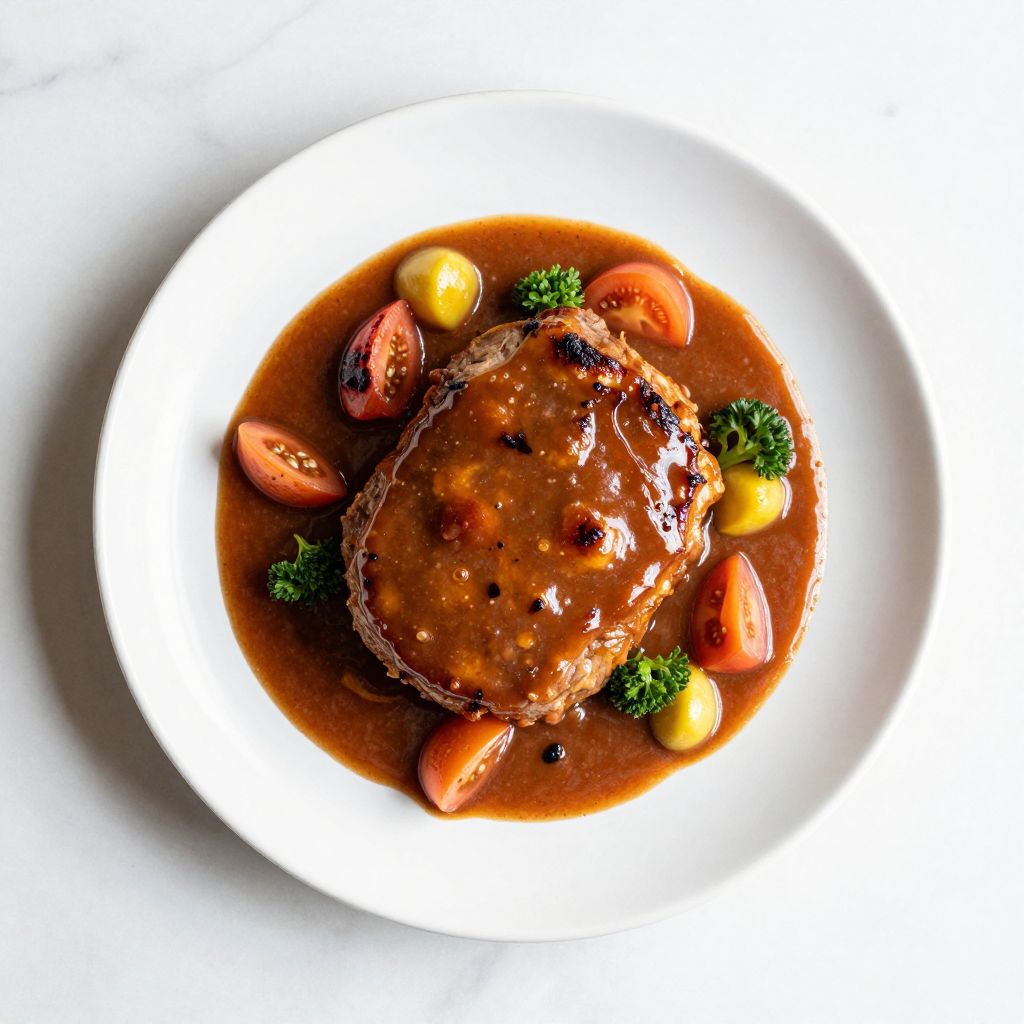
meatloaf sauce recipe
The smell of meatloaf sauce bubbling on the stove takes me straight back to my grandmother’s kitchen on Sunday afternoons. A great meatloaf sauce is the difference between a dry, forgettable loaf and one that keeps people coming back for seconds.
This recipe balances tangy, sweet, and savory notes in a way that soaks into every layer of your meatloaf while it bakes. You’ll love how simple the ingredients are, yet how deeply flavorful the result tastes.
Why You’ll Love This Recipe
This meatloaf sauce comes together in minutes and transforms an ordinary dinner into something memorable. The glaze caramelizes beautifully on top while keeping the meat tender and juicy inside.
- Ready in under 10 minutes with pantry staples you likely already have
- Creates a glossy, caramelized crust that looks restaurant-quality
- Balances sweet, tangy, and savory flavors in every bite
- Works with ground beef, turkey, or pork meatloaf equally well
- Freezes beautifully for make-ahead cooking
My Experience Making This Recipe
The first time I made this sauce, I was skeptical that something so simple could deliver such depth. Within 15 minutes of spreading it on my meatloaf, the aroma had my family gathered around the kitchen asking when dinner would be ready.
What impressed me most was how the sauce caramelizes during baking, creating a glossy, mahogany-colored top that looks like you spent hours perfecting it. The texture stays tender throughout, and the sauce actually soaks into the meat rather than sitting on top like a sticky coating.
My teenagers, who normally pick at meatloaf, actually finished their plates and asked me to make it again the next week. That’s when I knew this recipe was a keeper.
Recipe Overview
- Recipe Name: Classic Meatloaf Sauce
- Servings: 8 to 10 servings
- Prep Time: 5 minutes
- Cook Time: 50 to 60 minutes (on the meatloaf)
- Total Time: 55 to 65 minutes
- Course: Main Course
- Cuisine: American
- Calories per Serving: 95 calories
Equipment You Will Need
- Small mixing bowl
- Whisk or fork
- Measuring spoons and cups
- Loaf pan or baking sheet
- Meat thermometer (optional but helpful)
- Brush or spoon for applying sauce
Ingredients for Meatloaf Sauce
- 1/2 cup ketchup
- 1/4 cup brown sugar, packed
- 2 tablespoons apple cider vinegar
- 1 tablespoon Worcestershire sauce
- 1 teaspoon mustard powder
- 1/2 teaspoon garlic powder
- 1/4 teaspoon black pepper
- 1/4 teaspoon salt
Ingredient Notes and Substitutions
- Ketchup forms the sauce base and provides both sweetness and acidity to balance the meat. If you want less sugar, use no-sugar ketchup without changing the proportions.
- Brown sugar dissolves into the sauce and caramelizes beautifully during baking. Swap with honey (use 3 tablespoons) for a smoother texture and slightly different sweetness.
- Apple cider vinegar adds brightness and prevents the sauce from tasting one-dimensional. Regular white vinegar works fine, though it tastes sharper and less fruity.
- Worcestershire sauce brings umami depth that makes people wonder what secret ingredient you used. Tamari or soy sauce adds similar savory notes for a slightly different flavor profile.
- Mustard powder delivers spice and tang without adding moisture to the sauce. Yellow mustard paste works as a substitute, but reduce the vinegar slightly to compensate.
How to Make Meatloaf Sauce
Step 1: Gather Your Ingredients
Pull out all your ingredients and arrange them near your mixing bowl where you can see them. This prevents you from forgetting anything and makes the mixing process faster and more confident.
Step 2: Mix the Dry Ingredients
In a small bowl, whisk together the mustard powder, garlic powder, black pepper, and salt until evenly combined. Breaking up clumps of the powders now ensures even distribution throughout the sauce, so every spoonful tastes consistent.
Step 3: Add the Wet Ingredients
Pour in the ketchup, brown sugar, apple cider vinegar, and Worcestershire sauce into the same bowl with your dry ingredients. Stir everything together with a whisk or fork until the brown sugar dissolves completely and you have a smooth, pourable consistency.
Step 4: Check the Texture
The sauce should be thick enough to coat the back of a spoon but thin enough to spread easily over the meatloaf. If it feels too thick, thin it with one teaspoon of water at a time until it reaches the right consistency.
Step 5: Taste and Adjust
Dip a clean spoon into the sauce and taste it before applying it to your meatloaf. If you want more sweetness, add a teaspoon of brown sugar; if you want more tang, add a few drops of vinegar.
Step 6: Prepare Your Meatloaf for Sauce
Once your meatloaf mixture is pressed into the loaf pan and ready for baking, brush or spoon half of the sauce evenly across the top. Spreading it now allows the flavors to meld slightly before baking begins.
Step 7: Bake with the First Application
Bake your meatloaf at 350 degrees Fahrenheit for 25 to 30 minutes until the sauce begins to set and caramelize slightly. This initial baking time allows the sauce to stick to the meat and form a protective layer.
Step 8: Apply the Second Layer
Remove the meatloaf from the oven and spread the remaining sauce over the top, making sure to coat any spots that look dry. This second layer creates the glossy, caramelized finish that makes the meatloaf look restaurant-quality.
Step 9: Finish Baking
Return the meatloaf to the oven and bake for another 20 to 30 minutes until the internal temperature reaches 160 degrees Fahrenheit for beef or pork, or 165 degrees for turkey. The sauce will darken and bubble slightly at the edges, which means it has caramelized properly.
Pro Tip: Apply the sauce in two layers instead of one big coat; the first layer gives the sauce time to adhere to the meat, and the second layer caramelizes into that beautiful glossy finish that makes everyone think you spent hours on this.
Tips for the Best Meatloaf Sauce
- Make the sauce while your meatloaf mixture is coming together, so everything stays on schedule and nothing sits waiting. This keeps your kitchen workflow smooth and your dinner timeline predictable.
- Don’t skip whisking the dry spices; lumpy mustard powder or garlic powder creates bitter pockets in the sauce. A quick whisk takes 20 seconds and prevents this problem entirely.
- If your sauce looks too thin after mixing, let it sit for 5 minutes so the brown sugar fully dissolves and the consistency thickens naturally. Rushing this step sometimes leads to adding water when you don’t actually need it.
- Use a silicone brush or spoon to apply the sauce so you can reach into all the corners of the loaf pan without splattering. Metal spoons sometimes slip and create uneven coverage.
- Save any leftover sauce to drizzle over sliced meatloaf at the table; it adds moisture and extra flavor that people always appreciate. Store it in the refrigerator for up to one week.
Common Mistakes to Avoid
- Applying all the sauce at once before baking causes it to slide off into the bottom of the pan instead of sticking to the meat. The two-layer approach prevents this waste and creates better flavor distribution.
- Forgetting to whisk the sauce mixture leaves lumpy spices throughout, creating texture problems and flavor inconsistency. Always mix thoroughly, even though it only takes a minute.
- Using boiling hot water to thin the sauce breaks down the ketchup’s texture and can make the sauce separate. Use room temperature water and add it slowly, one teaspoon at a time.
- Overbaking the meatloaf after applying the sauce burns the top layer and creates a bitter crust that overpowers the sweet-savory balance. Watch the internal temperature and remove the meatloaf promptly when it reaches the correct doneness.
Serving Suggestions
Serve your meatloaf sauce-covered slices with sides that complement the sweet and tangy flavors without competing with them. The sauce itself is the star, so choose accompaniments that support rather than overshadow it.
- Creamy mashed potatoes soak up the extra sauce and balance the acidity beautifully
- Roasted green beans add a fresh, slightly bitter edge that cuts through the sweetness
- Simple white rice lets the sauce shine without adding competing flavors
- Buttered egg noodles create a comfort food vibe and trap the sauce between the noodles
- Steamed or sauteed carrots echo the sweetness in the sauce and add natural color
Variations to Try
- Spicy Kick: Add 1/2 teaspoon of cayenne pepper and 1 tablespoon of hot sauce to the sauce for a meatloaf that builds heat with each bite. This works especially well if you serve it with cooling sour cream on the side.
- Smoky Version: Stir in 1/2 teaspoon of smoked paprika and use liquid smoke instead of regular Worcestershire sauce. The smoke flavor adds complexity that makes the meatloaf taste like it came from a barbecue.
- BBQ Style: Replace the apple cider vinegar with bourbon or whiskey for deeper, more complex sweetness. Reduce the brown sugar to 3 tablespoons so the alcohol flavor stands out without overwhelming the sauce.
- Tangy Mustard: Use yellow mustard paste instead of mustard powder and increase it to 2 tablespoons for a sauce that tastes like classic ballpark mustard. This appeals to people who prefer sharper, mustard-forward flavors.
- Brown Sugar Molasses: Swap 2 tablespoons of the brown sugar for molasses for deeper, almost smoky sweetness. The molasses creates a richer color and adds layers of flavor that brown sugar alone cannot provide.
Dietary Adaptations
- Gluten-free: Check your Worcestershire sauce label, as some brands contain barley; use a certified gluten-free version and the rest of the recipe stays exactly the same without any trade-offs.
- Dairy-free: This sauce contains no dairy, so it works perfectly for dairy-free diets without any substitutions needed or flavor compromises.
- Vegan: Use vegan meatloaf instead of traditional meat, and check that your ketchup and Worcestershire sauce contain no animal products; the sauce itself is vegan-friendly as written.
- Low-carb or Keto: Substitute monk fruit sweetener or erythritol for the brown sugar at a 1:1 ratio, though you may need to adjust slightly for sweetness since these sweeteners behave differently than sugar.
- Paleo: Use coconut aminos instead of Worcestershire sauce and substitute honey for brown sugar; the flavor shifts slightly toward a more fruity profile but the sauce remains paleo-compliant.
Storage and Reheating
Refrigerator
Store leftover meatloaf in an airtight container for up to 4 days in the refrigerator. The sauce actually tastes better after a day or two as flavors continue to meld.
- Keep slices stacked with parchment paper between them to prevent sticking
- Store any leftover uncooked sauce separately in a sealed jar
- Cold meatloaf makes excellent sandwiches the next day
Freezer
Wrap cooled meatloaf slices individually in plastic wrap, then place them in a freezer bag for up to 3 months. The sauce freezes beautifully and doesn’t separate or lose flavor quality.
- Label the bag with the date so you remember when you froze it
- Thaw overnight in the refrigerator before reheating
- You can also freeze the entire unsliced meatloaf in a freezer-safe container
Reheating
Reheat slices in a 350-degree oven for 12 to 15 minutes covered with foil to prevent the sauce from drying out. Alternatively, microwave individual slices on 50% power for 2 to 3 minutes with a damp paper towel on top.
- Oven reheating keeps the sauce glossy and the meat tender
- Cover with foil to trap steam and prevent the edges from hardening
- Add a splash of water or broth if the meatloaf looks dry before reheating
Nutrition Information
| Nutrient | Amount |
|---|---|
| Calories | 95 |
| Total Fat | 1g |
| Saturated Fat | 0.2g |
| Carbohydrates | 20g |
| Fiber | 0g |
| Sugar | 17g |
| Protein | 1g |
| Sodium | 385mg |
| Cholesterol | 0mg |
These values represent the sauce alone and do not include the meatloaf itself. The nutritional profile changes when combined with your specific meatloaf recipe and ingredients.
Frequently Asked Questions
Can I make this sauce ahead of time?
Absolutely, you can mix the sauce up to 2 days in advance and store it in an airtight container in the refrigerator. The flavors actually blend and deepen overnight, so making it early is a smart move for meal planning.
What if my sauce is too thin?
Let it sit at room temperature for 5 minutes so the brown sugar can fully dissolve and thicken the mixture. If it still looks runny, whisk in an additional 1/2 teaspoon of brown sugar or let it sit another few minutes.
Can I use this sauce on turkey or chicken meatloaf?
Yes, this sauce works beautifully with poultry meatloaves and actually helps keep leaner meats from drying out during baking. The sweet-savory balance complements turkey and chicken just as well as beef or pork.
Why does my sauce burn on the edges?
This usually happens when the oven temperature is too high or the meatloaf bakes too long after the sauce is applied. Make sure your oven temperature is accurate with a thermometer, and watch the sauce during the final 10 minutes of baking.
Can I double this recipe for a larger meatloaf?
Yes, you can double or even triple the sauce recipe without any issues since it scales linearly. Just make sure you have enough sauce to apply two layers across the top of your larger meatloaf.
Is this sauce appropriate for a meat sauce recipe or should I use a different approach?
This meatloaf sauce is specifically designed for whole loaves, but a simplified version without the brown sugar works well for pasta meat sauce if you’re looking for a different application. For pasta sauce, try our chili seasoning recipe base as an alternative approach.
Final Thoughts
This meatloaf sauce recipe proves that the best flavors don’t require complicated techniques or hard-to-find ingredients. In less than 10 minutes of actual work, you create something that tastes like it took you hours to perfect.
Give this sauce a try on your next meatloaf, and I think you’ll find yourself making it every time. Your family will taste the difference immediately, and you’ll feel confident knowing exactly what you’re serving them.
Explore more comforting main course recipes and sauces on our site to build your collection of go-to dinner solutions. Happy cooking, and enjoy those clean plates at the end of the meal.
Classic Meatloaf Sauce

A tangy, sweet, and savory glaze that soaks into meatloaf and caramelizes into a glossy crust, ready in minutes with simple pantry ingredients.
- Small mixing bowl
- Whisk or fork
- Measuring spoons and cups
- Loaf pan or baking sheet
- Meat thermometer (optional but helpful)
- Brush or spoon for applying sauce
Main
- 1/2 cup ketchup
- 1/4 cup brown sugar (packed)
- 2 tablespoons apple cider vinegar
- 1 tablespoon Worcestershire sauce
- 1 teaspoon mustard powder
- 1/2 teaspoon garlic powder
- 1/4 teaspoon black pepper
- 1/4 teaspoon salt
- Gather all ingredients and arrange them next to a small mixing bowl to ensure nothing is missed.
- In the mixing bowl, whisk together mustard powder, garlic powder, black pepper, and salt until evenly combined.
- Add ketchup, brown sugar, apple cider vinegar, and Worcestershire sauce to the bowl and stir with a whisk or fork until the sugar is fully dissolved and the sauce is smooth.
- Check the consistency; if the sauce is too thick to spread easily, whisk in water 1 teaspoon at a time until it coats the back of a spoon.
- Taste the sauce and adjust sweetness or tang by adding more brown sugar or vinegar as desired.
- Brush or spoon half of the sauce evenly over the top of the prepared meatloaf in a loaf pan.
- Bake the meatloaf with the first layer of sauce at 350°F (175°C) for 25 to 30 minutes until the sauce begins to caramelize.
- Remove the meatloaf from the oven and spread the remaining sauce over the top, covering any dry spots.
- Return the meatloaf to the oven and bake for an additional 20 to 30 minutes, or until the internal temperature reaches 160°F (71°C) for beef or pork, or 165°F (74°C) for turkey.
Store any leftover uncooked sauce in a sealed container in the refrigerator for up to one week and use to drizzle over sliced meatloaf.