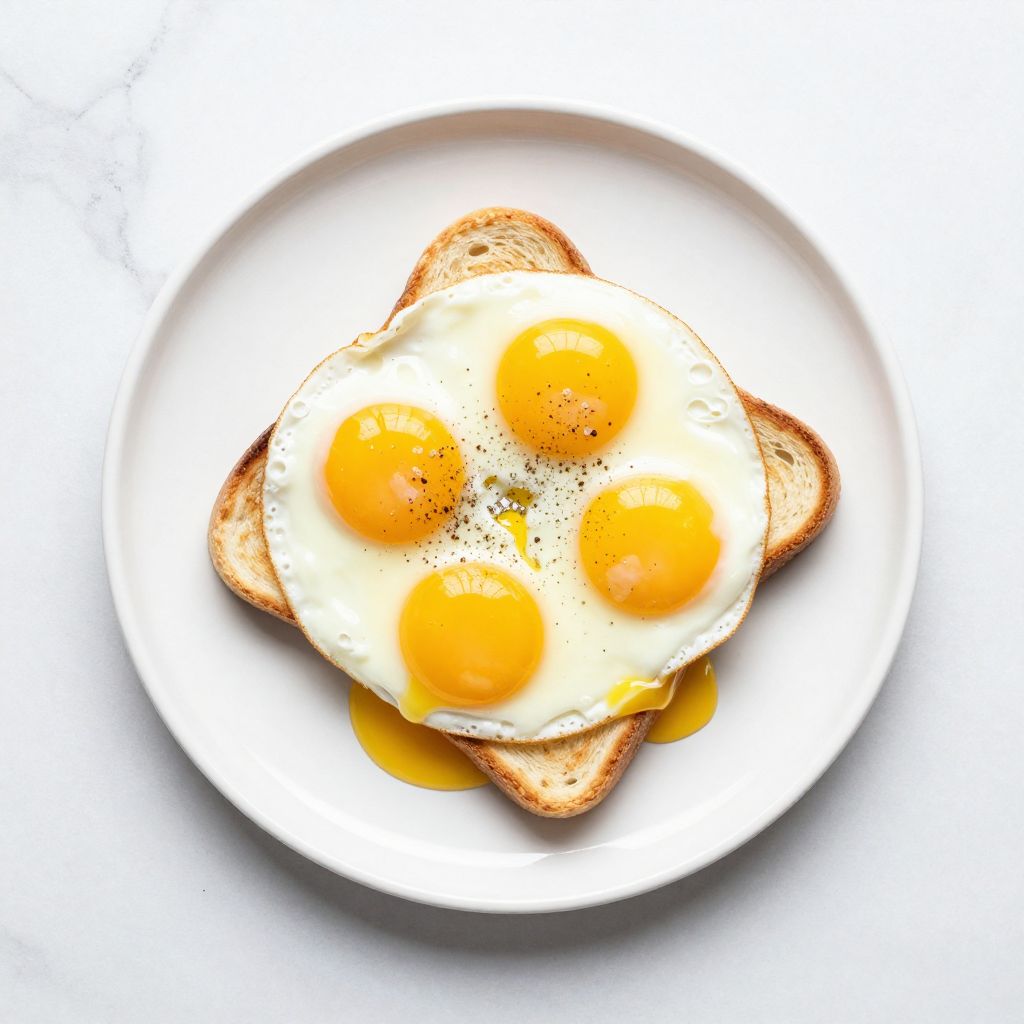
Jammy Eggs Recipe
Picture yourself cracking into a soft-boiled egg and watching that golden yolk ooze onto your toast like liquid sunshine.
Jammy eggs are that perfect middle ground between a runny soft-boiled egg and a fully hard-boiled one, with a creamy, jammy yolk and a set white that holds everything together.
This recipe takes just 13 minutes from pot to plate, requires nothing fancy, and transforms breakfast into something restaurant-quality at home.
Whether you’re serving them on buttered toast, over rice, or alongside roasted vegetables, jammy eggs deliver that satisfying richness that makes people ask for seconds.
Why You’ll Love This Recipe
Jammy eggs hit the sweet spot of simplicity and sophistication, and they’re genuinely hard to mess up once you know the timing.
- Ready in 13 minutes from start to finish with minimal hands-on time
- Works perfectly for any meal from breakfast through dinner
- Packed with protein and nutrients to keep you full
- Endlessly versatile and pairs with almost any cuisine
- Costs just pennies per serving and uses ingredients you already have
My Experience Making This Recipe
I grew up watching my mum make soft-boiled eggs in an egg cup, but I never understood the appeal until I learned about the jammy sweet spot.
The first time I nailed the timing, I actually gasped when I cut into that yolk and saw it pour onto my toast like butter.
Now I make jammy eggs at least twice a week, and they’ve become my go-to when I need something that feels special but doesn’t require real cooking skills.
Recipe Overview
- Recipe Name: Jammy Eggs
- Servings: 2
- Prep Time: 2 minutes
- Cook Time: 13 minutes
- Total Time: 15 minutes
- Course: Breakfast, Brunch, Lunch
- Cuisine: International
- Calories per Serving: 155
Equipment You Will Need
- Small saucepan
- Kitchen timer
- Slotted spoon
- Small bowl filled with ice water
- Egg cups or small cups (optional but helpful)
- Spoon for tapping and peeling
Ingredients for Jammy Eggs
- 4 large eggs, room temperature or straight from the fridge
- Salt, for the water and for seasoning
- Water, enough to cover eggs by 1 inch
- Butter, for serving (optional)
- Black pepper, to taste
- Toast or crackers, for serving
Ingredient Notes and Substitutions
- Large eggs: The size matters because it affects cooking time directly. If you use medium or extra-large eggs, add or subtract 30 seconds from the cooking time.
- Salt in the water: It raises the boiling point slightly and seasons the egg whites as they cook. You can skip it if you have no salt, but the whites will taste blander.
- Room temperature eggs: Cold eggs from the fridge take slightly longer to cook through, so they may need an extra 15 to 20 seconds. Room temperature eggs cook more evenly, but fridge eggs work fine if you adjust timing slightly.
- Butter: Adds richness and helps seasonings stick to the eggs. Olive oil or mayo works as a substitute if you want different flavor notes.
How to Make Jammy Eggs
Step 1: Fill Your Pot with Water
Bring a small saucepan of water to a rolling boil over high heat, making sure you have enough water to cover your eggs by at least 1 inch.
Deep water distributes heat evenly and prevents the water temperature from dropping too much when you add the eggs, which keeps your timing consistent.
Step 2: Add Salt to the Water
Sprinkle a generous pinch of salt into the boiling water and stir it in.
Salt seasons the egg whites as they cook and slightly raises the boiling point for more even cooking.
Step 3: Prepare an Ice Bath
While the water boils, fill a small bowl with ice water and set it near your stove.
This ice bath is your secret weapon for stopping the cooking process instantly and locking in that jammy yolk.
Step 4: Gently Lower the Eggs into the Water
Using a spoon, carefully lower your eggs into the boiling water one at a time to prevent cracking.
Gentle placement keeps the shells intact and prevents them from knocking against the pan bottom, which can cause them to crack open.
Step 5: Start Your Timer Immediately
The moment all eggs are in the water, set your timer for exactly 13 minutes.
This 13-minute window is the magic number for a perfect jammy yolk with a fully set white, though you can adjust by 30 seconds if your eggs are unusually large or small.
Step 6: Keep the Water at a Gentle Boil
Maintain a steady, gentle boil throughout cooking, not a rolling aggressive boil that bounces the eggs around.
A gentle boil cooks the eggs evenly and reduces the risk of the shells cracking from rough movement inside the pot.
Step 7: Transfer Eggs to the Ice Bath
When your timer goes off, use a slotted spoon to transfer each egg directly into your ice water bath.
The ice water shocks the eggs and stops all cooking immediately, which is what gives you that perfectly creamy yolk instead of a fully hard one.
Step 8: Let Them Cool for at Least 2 Minutes
Leave your eggs in the ice bath for 2 to 3 minutes so they cool enough to handle comfortably.
Cooling all the way through ensures the yolk stays creamy and doesn’t continue cooking from residual heat.
Step 9: Peel and Serve
Gently tap and roll each egg to crack the shell all over, then peel under cool running water for easier removal.
Serve immediately on buttered toast, in an egg cup, or however you like your eggs, then season with salt and pepper to taste.
Pro Tip: If you’re making jammy eggs regularly, buy a kitchen timer that’s loud and visible so you never miss the 13-minute mark, which is the single most important factor in nailing the jammy yolk.
Tips for the Best Jammy Eggs
- Start with boiling water: Adding eggs to already-boiling water gives you precise timing from the moment they go in the pot, which is more reliable than waiting for the water to come to a boil after adding cold eggs.
- Use a reliable timer: A phone timer or kitchen timer beats guessing, and even 30 seconds makes a real difference between undercooked and perfectly jammy.
- Don’t skip the ice bath: It’s the difference between a jammy yolk and a hard yolk, so cold water is non-negotiable for this recipe.
- Peel under running water: Cool water gets between the shell and the egg white, making peeling faster and preventing those annoying chunks of white that stick to the shell.
- Make several at once: This recipe scales beautifully, so make 4, 6, or 8 eggs at once with the exact same timing since they’re all in the same water.
Common Mistakes to Avoid
- Cooking too long: Even 1 minute extra and your yolk starts to set solid, which defeats the whole purpose, so stick to 13 minutes and use a timer.
- Skipping the ice bath: Without cold water to stop the cooking, residual heat keeps cooking the yolk, turning it hard instead of jammy.
- Adding eggs to cold water: Starting with cold water means unpredictable timing because you don’t know when the water actually reaches boiling point, so always use already-boiling water.
- Peeling while too hot: If you peel right away while the egg is steaming hot, the white sticks to the shell and tears, so patience pays off here.
Serving Suggestions
Jammy eggs work for breakfast, lunch, or dinner, and they taste incredible on almost anything.
- On buttered toast with a sprinkle of sea salt and fresh cracked pepper
- Over steamed or fried rice for an instant flavor upgrade
- With roasted vegetables and a drizzle of hot sauce
- On avocado toast for a protein-packed brunch moment
- Alongside a simple green salad dressed with vinaigrette
Variations to Try
- Soft-boiled eggs: Cook for just 6 to 7 minutes for a runnier yolk and softer whites, perfect if you love dunking soldiers of toast into your egg.
- Medium-boiled eggs: Cook for 11 minutes for a slightly firmer yolk than jammy, which some people prefer for ease of handling.
- Spiced jammy eggs: After peeling, serve with dukkah, za’atar, or curry powder sprinkled on top for a flavor boost.
- Jammy eggs with soldiers: Cook the eggs in their shells, then serve them upright in egg cups with strips of buttered toast for dunking.
- Cold jammy eggs: Make the eggs ahead, chill them completely, then peel and serve cold over a salad or with a mayo-based dip.
Dietary Adaptations
- Gluten-free: Serve with gluten-free toast or crackers, though the eggs themselves are naturally gluten-free.
- Dairy-free: Skip the butter and drizzle with olive oil instead, which adds richness and works just as well.
- Vegan: Unfortunately, this recipe relies entirely on eggs, but you can make a vegan soft-boiled tofu block using similar timing and ice bath techniques.
- Low-carb or keto: Serve the jammy eggs on their own or with roasted vegetables, and skip the toast entirely for a true low-carb meal.
Storage and Reheating
Refrigerator
Keep peeled jammy eggs in an airtight container covered with a damp paper towel to prevent them from drying out.
- Lasts up to 3 days in the fridge
- Store unpeeled for slightly longer shelf life if you prefer
Freezer
Jammy eggs don’t freeze well because the texture changes drastically, so freezing isn’t recommended for this recipe.
- The yolk becomes rubbery and the white becomes tough after thawing
- Better to make fresh eggs or store them refrigerated instead
Reheating
Gently reheat chilled jammy eggs by placing them in warm water for 2 to 3 minutes rather than microwaving, which can make them rubbery.
- Warm water restores a creamy texture without overheating
- Or serve cold straight from the fridge over salad or rice
Nutrition Information
| Nutrient | Amount |
|---|---|
| Calories | 155 |
| Total Fat | 11g |
| Saturated Fat | 3.5g |
| Carbohydrates | 1g |
| Fiber | 0g |
| Sugar | 0g |
| Protein | 13g |
| Sodium | 140mg |
| Cholesterol | 186mg |
Nutrition facts are based on 2 eggs per serving and may vary slightly depending on your specific eggs and cooking method.
Jammy Eggs

Jammy eggs offer the perfect middle ground between runny yolks and set whites, ready in just 13 minutes for a restaurant-quality breakfast at home.
- Small saucepan
- Kitchen timer
- Slotted spoon
- Small bowl filled with ice water
- Egg cups or small cups (optional but helpful)
- Spoon for tapping and peeling
Main
- 4 large eggs
- Salt (for the water and for seasoning)
- Water (enough to cover eggs by 1 inch)
- Butter (for serving (optional))
- Black pepper (to taste)
- Toast or crackers (for serving)
- Bring a small saucepan of water to a rolling boil over high heat, ensuring enough water to cover eggs by at least 1 inch.
- Sprinkle a generous pinch of salt into the boiling water and stir to dissolve.
- Fill a small bowl with ice water and set it near the stove to create an ice bath.
- Use a spoon to gently lower the eggs into the boiling water one at a time to prevent cracking.
- Immediately set a timer for 13 minutes once all eggs are in the water.
- Maintain a steady, gentle boil throughout the cooking time.
- When the timer goes off, transfer each egg with a slotted spoon into the ice water bath.
- Let the eggs chill in the ice bath for 2 to 3 minutes to stop cooking.
- Gently tap and roll each egg to crack the shell, then peel under cool running water.
- Serve immediately on buttered toast or crackers and season with salt and black pepper to taste.
Peel eggs under running water for easier removal and use an ice bath to preserve the creamy yolk.
Frequently Asked Questions
Can I make jammy eggs if my eggs are cold from the fridge?
Yes, but add 15 to 20 seconds to your cooking time since cold eggs take longer to heat through evenly. Bringing them to room temperature first makes timing more predictable.
What if I don’t have an ice bath?
You can run the eggs under cold tap water instead, though an ice bath works faster and more reliably. Keep rotating them under the water for at least 1 minute.
How do I know if my eggs are done without a timer?
You really shouldn’t trust timing by feel or eye, but if you must, the white should feel fully set while the yolk gives slightly when gently pressed. Get a timer instead.
Can I cook more than 4 eggs at once?
Absolutely, just use the same 13-minute timing since they’re all in the same boiling water, though make sure you have enough water to cover them all by 1 inch.
Why does my yolk keep coming out hard instead of jammy?
You’re either cooking too long or not using an ice bath, which allows residual heat to continue cooking the yolk. Stick to exactly 13 minutes and transfer immediately to ice water.
Can I peel jammy eggs ahead of time?
Yes, peel them as soon as they’re cool enough to handle, then store them in the fridge in an airtight container with a damp paper towel for up to 3 days.
Final Thoughts
Jammy eggs prove that some of the best foods don’t need complicated techniques or rare ingredients, just precision and a little ice water.
Once you master this 13-minute timing, you’ll find yourself making them constantly because they’re fast, delicious, and they elevate almost any meal from boring to something you actually look forward to eating.
Explore More Egg Recipes
If you loved this recipe and want to expand your egg cooking skills, check out more ways to use eggs in the kitchen.
Try our mayak eggs recipe for a different style of jammy eggs with a savory soy and butter glaze, or explore our sausage quiche recipe for a hearty dish that’s perfect for brunch or easy dinners.