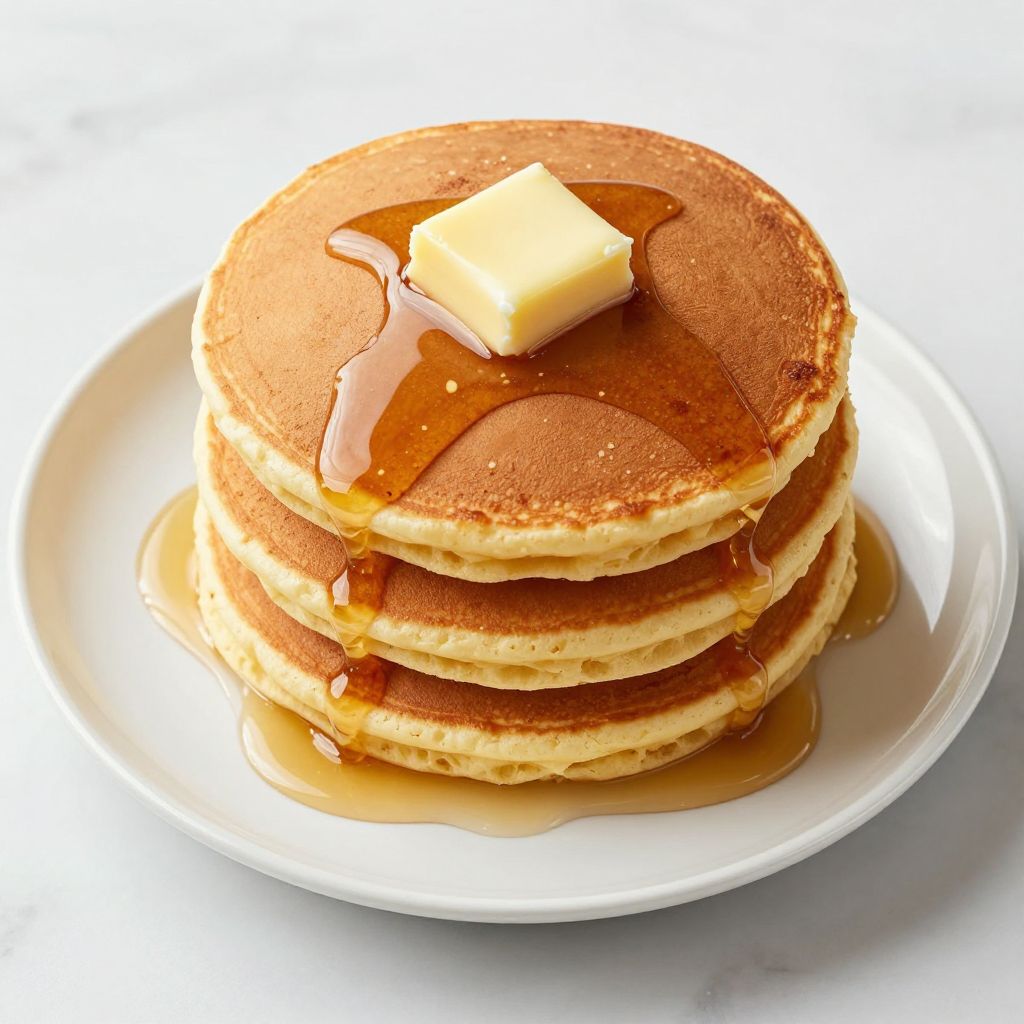
Picture this: you shuffle into your favorite diner on a lazy Sunday morning, and the smell of butter and vanilla hits you instantly.
Golden Diner Pancakes are the breakfast equivalent of a warm hug from someone who actually knows their way around a griddle. These are the pancakes that made you fall in love with breakfast in the first place, the kind with a crispy, caramelized exterior and a fluffy, tender interior that practically melts on your tongue. What makes them special is the combination of a touch of vanilla and a hint of brown sugar in the batter, which creates that signature golden color and rich flavor you find at classic diners. Once you nail this recipe, you’ll stop ordering pancakes out and start wondering why you ever trusted anyone else with breakfast.
Why You’ll Love This Recipe
These pancakes deliver the diner experience at home without any pretension or complicated techniques.
- Golden, crispy edges with a tender, fluffy center.
- Simple ingredients you likely have on hand right now.
- Ready to serve in under 20 minutes from start to finish.
- Feeds a crowd or meal-preps beautifully for busy mornings.
- The vanilla and brown sugar create depth that plain pancakes simply cannot match.
My Experience Making This Recipe
The first time I made these at home, I was chasing that exact diner memory. I had no idea how close I could actually get with the right proportions and a hot griddle.
The batter comes together in minutes, and the magic happens the moment it hits the hot butter. The edges puff up and turn golden brown while the center stays impossibly soft, and you get this incredible textural contrast that makes every bite feel special.
My family devoured a stack of eight pancakes without saving a single one for leftovers, which told me everything I needed to know. That’s when I realized I had cracked the code, and now I make these nearly every weekend.
Recipe Overview
- Recipe Name: Golden Diner Pancakes
- Servings: 12 pancakes (serves 3 to 4 people)
- Prep Time: 5 minutes
- Cook Time: 12 minutes
- Total Time: 17 minutes
- Course: Breakfast
- Cuisine: American
- Calories per Serving: 145 calories per pancake
Equipment You Will Need
- Large mixing bowl
- Medium mixing bowl
- Whisk
- Measuring cups and spoons
- Griddle or large non-stick skillet
- Spatula
- Wooden spoon
- Ladle or 1/4 cup measuring cup for portioning
Ingredients for Golden Diner Pancakes
- All-purpose flour: 1 and 3/4 cups
- Granulated sugar: 2 tablespoons
- Brown sugar: 1 tablespoon (packed)
- Baking powder: 1 and 1/2 teaspoons
- Salt: 1/2 teaspoon
- Whole milk: 1 and 1/2 cups
- Eggs: 2 large eggs
- Vanilla extract: 1 teaspoon
- Butter: 3 tablespoons (melted, plus more for the griddle)
Ingredient Notes and Substitutions
- All-purpose flour provides the structure and lift for fluffy pancakes; you can substitute with cake flour for even lighter pancakes, but the texture will be more delicate.
- Brown sugar adds moisture and a subtle molasses flavor that creates the golden color; use regular granulated sugar if you’re out, though you’ll lose some depth.
- Baking powder is the leavening agent that creates the fluffy rise; do not skip it or use baking soda without adjusting the recipe.
- Whole milk creates richness and tenderness; buttermilk works beautifully and adds slight tang, or use non-dairy milk like oat or almond milk for a similar texture.
- Vanilla extract builds warmth and complexity; almond extract or maple extract create different but equally delicious pancakes.
- Butter adds flavor and helps achieve that golden exterior; coconut oil or vegetable oil work for cooking but lack the rich flavor.
How to Make Golden Diner Pancakes
Step 1: Mix Your Dry Ingredients
Whisk together the flour, granulated sugar, brown sugar, baking powder, and salt in a large bowl. This distributes the leavening evenly throughout the batter, which gives you consistent rise and fluffy texture in every single pancake.
Step 2: Combine Your Wet Ingredients
In a medium bowl, whisk together the milk, eggs, vanilla extract, and melted butter until fully combined. The mixture should look smooth and pale, with no streaks of egg white remaining.
Step 3: Create the Batter
Pour the wet ingredients into the dry ingredients and stir gently with a wooden spoon until just combined. Stop stirring as soon as you no longer see dry flour streaks; lumps in the batter are actually your friend here because they create a more tender crumb and prevent overdeveloping gluten, which would make the pancakes tough.
Step 4: Preheat Your Griddle
Place a griddle or large non-stick skillet over medium heat and let it warm for about 2 minutes. The griddle is hot enough when a drop of water sizzles immediately on contact; too hot and your pancakes burn on the outside before cooking through, too cool and they spread thin and cook unevenly.
Step 5: Butter the Griddle
Add about 1/2 tablespoon of butter to the hot griddle and let it melt and coat the surface evenly. The butter adds flavor and helps create that gorgeous golden crust, plus it prevents sticking.
Step 6: Pour the Batter
Using a ladle or 1/4 cup measuring cup, pour batter onto the griddle in four pancake-sized portions, leaving space between each one. Do not move or flip the pancakes immediately; they need time to cook on the bottom until you see bubbles forming on the surface.
Step 7: Cook the First Side
Wait about 2 to 3 minutes until the surface is covered with bubbles and the edges look set and slightly dry. This is your cue that the pancake has cooked enough on the bottom to flip without falling apart.
Step 8: Flip and Cook the Second Side
Using a spatula, carefully flip each pancake and cook for another 1 to 2 minutes until the bottom is golden brown and the pancake springs back when gently pressed. The second side cooks faster than the first because the griddle is already fully heated and the pancake is already partially cooked.
Step 9: Transfer and Repeat
Move the finished pancakes to a warm plate and repeat with the remaining batter, buttering the griddle as needed between batches. You want to serve them warm, so keeping the first batch on a plate while you cook the rest ensures everyone eats together at their peak.
Pro Tip: Keep your finished pancakes warm by stacking them on a plate and loosely covering with foil, or place them on a baking sheet in a 200-degree oven while you finish cooking the remaining batches.
Tips for the Best Golden Diner Pancakes
- Use a kitchen thermometer to check your griddle temperature sits around 350 degrees Fahrenheit for perfect golden pancakes that cook through without burning.
- Let your batter rest for 2 to 3 minutes after mixing so the flour fully hydrates, which creates better structure and fluffier pancakes.
- Do not press down on the pancakes with your spatula while they cook, as this squeezes out the air and makes them dense and rubbery.
- Cook on medium heat rather than high heat, which gives the inside time to cook through while the outside develops that signature golden color.
- Use fresh baking powder because old baking powder loses potency and cannot lift your pancakes properly, resulting in flat, dense cakes.
- Measure flour by spooning it into your measuring cup and leveling it off rather than scooping directly from the bag, which compacts the flour and makes your batter too dense.
Common Mistakes to Avoid
- Overmixing the batter develops gluten and creates tough, chewy pancakes instead of tender, fluffy ones; stir just until the dry ingredients disappear.
- Using cold milk straight from the fridge slows down cooking and prevents even rising, so let your milk sit at room temperature or warm it slightly.
- Flipping too early tears the pancakes and releases the air bubbles needed for fluffiness, so wait until the surface is completely covered with bubbles.
- Cooking on heat that is too high burns the bottom before the inside cooks through and also causes the bottoms to be tough and bitter.
- Using old or expired baking powder means your pancakes will not rise properly and will stay flat and dense no matter how carefully you follow the rest of the recipe.
Serving Suggestions
Golden diner pancakes are a blank canvas for your favorite toppings and condiments. Stack them high and let everyone customize their plate.
- Classic butter and maple syrup, served warm from a small saucepan.
- Fresh berries like blueberries, strawberries, or raspberries with a dollop of whipped cream.
- Crispy bacon or pork sausage links on the side for a savory contrast.
- Greek yogurt and granola for a protein-packed breakfast bowl vibe.
- Cinnamon sugar and a drizzle of honey for an elevated sweet breakfast.
Variations to Try
- Blueberry pancakes: fold 1 cup of fresh or frozen blueberries into the batter just before cooking for burst pockets of fruity flavor throughout.
- Chocolate chip pancakes: add 1/2 cup of chocolate chips to the batter for indulgent breakfast vibes that feel like dessert in the best way.
- Cinnamon spice pancakes: stir 1/2 teaspoon of cinnamon and 1/4 teaspoon of nutmeg into the dry ingredients for warmth and complexity.
- Buttermilk pancakes: replace the whole milk with buttermilk and reduce the baking powder to 1 teaspoon, then add 1/4 teaspoon of baking soda for tangier, more tender pancakes.
- Banana bread pancakes: mash one ripe banana and stir it into the wet ingredients, then add 1/4 teaspoon of nutmeg to the dry mix for cozy breakfast comfort.
Dietary Adaptations
- Gluten-free: substitute the all-purpose flour with a one-to-one gluten-free flour blend, though the texture will be slightly more tender and less chewy.
- Dairy-free: use non-dairy milk like oat, almond, or coconut milk and substitute the butter with coconut oil or vegan butter for a nearly identical result.
- Vegan: use a plant-based egg replacer or mash half a banana with one-quarter cup of applesauce in place of the two eggs, and swap dairy milk and butter for non-dairy versions.
- Low-carb or keto: use almond flour or coconut flour mixed with a small amount of all-purpose flour and add a sweetener like erythritol or allulose instead of sugar, noting that texture will be denser and less fluffy.
Storage and Reheating
Refrigerator
Cooked pancakes keep perfectly in an airtight container for up to 3 days in the refrigerator.
- Stack them with parchment paper between each pancake to prevent sticking.
- Store them flat rather than folded to maintain their shape.
Freezer
These pancakes freeze beautifully for up to 2 months when stored properly.
- Freeze them in a single layer on a baking sheet for 2 hours, then transfer to a freezer bag to save space.
- Label the bag with the date so you remember when you made them.
Reheating
Bring refrigerated or frozen pancakes back to life using your toaster or oven to restore that fluffy texture.
- Toaster: place frozen or refrigerated pancakes in the toaster on a medium setting until heated through and slightly crispy on the outside.
- Oven: arrange pancakes on a baking sheet and warm at 300 degrees for about 5 minutes for refrigerated pancakes or 8 to 10 minutes for frozen ones.
- Microwave: while fastest, this method makes them rubbery, so avoid it if possible.
Nutrition Information
| Nutrient | Amount |
|---|---|
| Calories | 145 |
| Total Fat | 4 grams |
| Saturated Fat | 2 grams |
| Carbohydrates | 24 grams |
| Fiber | 0 grams |
| Sugar | 5 grams |
| Protein | 3 grams |
| Sodium | 310 milligrams |
| Cholesterol | 35 milligrams |
These values are approximate and can vary based on the exact ingredients and portion sizes used in your kitchen.
Frequently Asked Questions
Can I make the batter ahead of time?
You can prepare the dry ingredients the night before and store them in an airtight container, but mix the wet ingredients and combine everything just before cooking for the fluffiest results. Batter that sits too long before cooking loses potency and produces flatter pancakes.
Why are my pancakes coming out flat?
Flat pancakes usually mean old baking powder, overmixing, or a griddle that is not hot enough. Check that your baking powder is fresh and your griddle is properly preheated before you start cooking.
Can I use buttermilk instead of regular milk?
Absolutely, and many people prefer the slight tang and extra tenderness that buttermilk provides. Just reduce the baking powder to 1 teaspoon and add 1/4 teaspoon of baking soda to account for the acidity.
How do I keep pancakes warm while I cook the rest?
Place finished pancakes on a plate and loosely cover with foil, or stack them on a baking sheet in a 200-degree oven so they stay warm without drying out. This keeps the first batch fluffy and ready to eat when the last one comes off the griddle.
What is the difference between these and regular pancakes?
Golden diner pancakes have brown sugar and vanilla extract in the batter, which creates a richer, more complex flavor and that signature golden color that classic diner pancakes are known for. The technique of cooking on a well-buttered griddle at the right temperature also makes a huge difference in achieving those crispy edges.
Final Thoughts
These golden diner pancakes taste like you hired a professional chef to cook breakfast, yet they require almost no skill to pull off. Once you make them a few times, they become muscle memory, and you will find yourself making them every weekend.
Stop settling for mediocre breakfast and give this recipe a try this coming Sunday morning. Your kitchen will smell like a diner, your family will fight over the last pancake, and you will wonder why you ever bought frozen ones again.
Golden Diner Pancakes
Golden Diner Pancakes are the breakfast equivalent of a warm hug with a crispy, caramelized exterior and a fluffy, tender interior. The combination of vanilla and brown sugar in the batter creates that signature golden color and rich flavor you find at classic diners.
- Large mixing bowl
- Medium mixing bowl
- Whisk
- Measuring cups and spoons
- Griddle or large non-stick skillet
- Spatula
- Wooden spoon
- Ladle or 1/4 cup measuring cup for portioning
Main
- 1 and 3/4 cups all-purpose flour
- 2 tablespoons granulated sugar
- 1 tablespoon brown sugar (packed)
- 1 and 1/2 teaspoons baking powder
- 1/2 teaspoon salt
- 1 and 1/2 cups whole milk
- 2 large eggs
- 1 teaspoon vanilla extract
- 3 tablespoons butter (melted, plus more for the griddle)
- Whisk together the flour, granulated sugar, brown sugar, baking powder, and salt in a large bowl. This distributes the leavening evenly throughout the batter.
- In a medium bowl, whisk together the milk, eggs, vanilla extract, and melted butter until fully combined. The mixture should look smooth and pale, with no streaks of egg white remaining.
- Pour the wet ingredients into the dry ingredients and stir gently with a wooden spoon until just combined. Stop stirring as soon as you no longer see dry flour streaks; lumps in the batter are fine.
- Place a griddle or large non-stick skillet over medium heat and let it warm for about 2 minutes. The griddle is hot enough when a drop of water sizzles immediately on contact.
- Add about 1/2 tablespoon of butter to the hot griddle and let it melt and coat the surface evenly.
- Using a ladle or 1/4 cup measuring cup, pour batter onto the griddle in four pancake-sized portions, leaving space between each one.
- Wait about 2 to 3 minutes until the surface is covered with bubbles and the edges look set and slightly dry.
- Using a spatula, carefully flip each pancake and cook for another 1 to 2 minutes until the bottom is golden brown and the pancake springs back when gently pressed.
- Move the finished pancakes to a warm plate and repeat with the remaining batter, buttering the griddle as needed between batches.
Keep your finished pancakes warm by stacking them on a plate and loosely covering with foil, or place them on a baking sheet in a 200-degree oven while you finish cooking the remaining batches. Use a kitchen thermometer to check your griddle temperature sits around 350 degrees Fahrenheit for perfect golden pancakes. Let your batter rest for 2 to 3 minutes after mixing so the flour fully hydrates. Do not press down on the pancakes with your spatula while they cook.