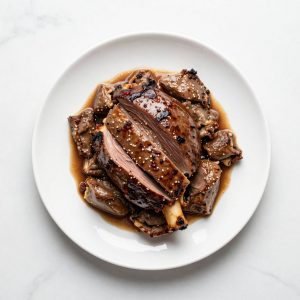
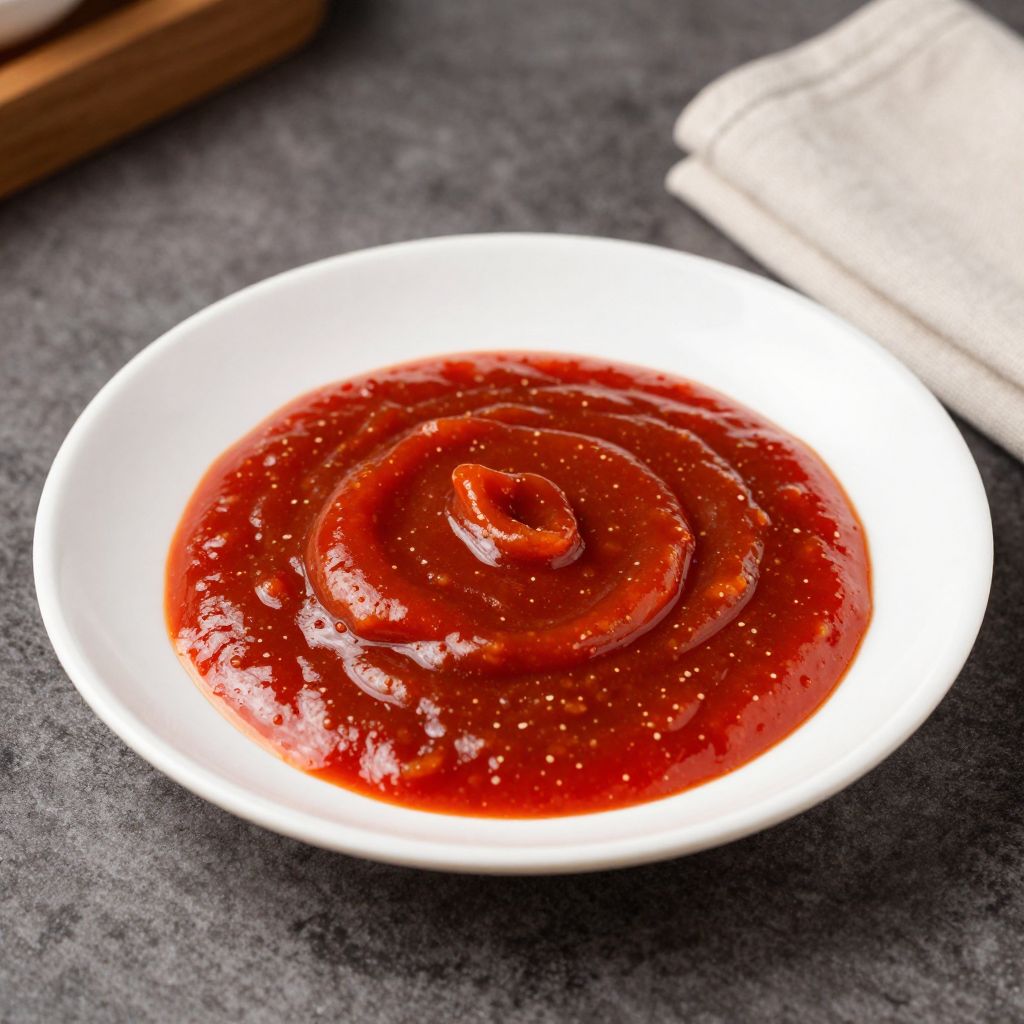
Imagine a vibrant red sauce that dances between spicy, sweet, and savory with each dip. The gochujang sauce is a staple in Korean cuisine, and once you try it, you may find yourself drizzling it on everything from grilled meats to your morning eggs.
This sauce is not just easy to whip up, but its versatility makes it a go-to in any kitchen. With its bold flavor profile and delightful texture, you’re going to want to keep this sauce on hand for everything from marinades to salad dressings.
Why You’ll Love This Recipe
This gochujang sauce is a must-make for any food enthusiast. Here’s why:
- Quick and easy to prepare.
- Perfect balance of heat and sweetness.
- Great for various dishes — from dipping sauces to marinades.
- Can be customized to your spice tolerance.
- Made with readily available ingredients.
My Experience Making This Recipe
When I first made this sauce, I was pleasantly surprised by how quickly it came together. The moment I tasted it, I knew I had struck gold — it was bursting with flavor and added a delicious kick to my meals.
Each time I whip it up, I find new ways to use it. From adding it to stir-fries to mixing it with mayo for a spicy sandwich spread, it has become a staple in my kitchen.
Recipe Overview
- Recipe Name: Gochujang Sauce
- Servings: 8
- Prep Time: 10 minutes
- Cook Time: 0 minutes
- Total Time: 10 minutes
- Course: Condiment
- Cuisine: Korean
- Calories per Serving: 35
Equipment You Will Need
- Mixing bowl
- Whisk or spoon
- Measuring spoons
- Storage container
Ingredients for Gochujang Sauce
- 3 tablespoons of gochujang (Korean chili paste)
- 1 tablespoon of soy sauce
- 1 tablespoon of rice vinegar
- 1 tablespoon of honey or maple syrup
- 1 teaspoon of sesame oil
- 1 teaspoon of minced garlic
- 1 teaspoon of water (optional, for thinning)
Ingredient Notes and Substitutions
- Gochujang: This is the heart of the sauce, providing depth and heat. If unavailable, you might try miso paste with red pepper flakes.
- Soy Sauce: Adds saltiness and umami. Tamari can be used for a gluten-free option.
- Rice Vinegar: Offers a mild acidity. Apple cider vinegar works as a substitute.
- Honey: Sweetens the sauce and balances heat. Agave syrup or sugar can be used instead.
- Sesame Oil: Gives a nutty flavor. Olive oil can be used, but the taste will differ.
- Minced Garlic: Adds fragrance and flavor. Garlic powder can be used if fresh is not available.
How to Make Gochujang Sauce
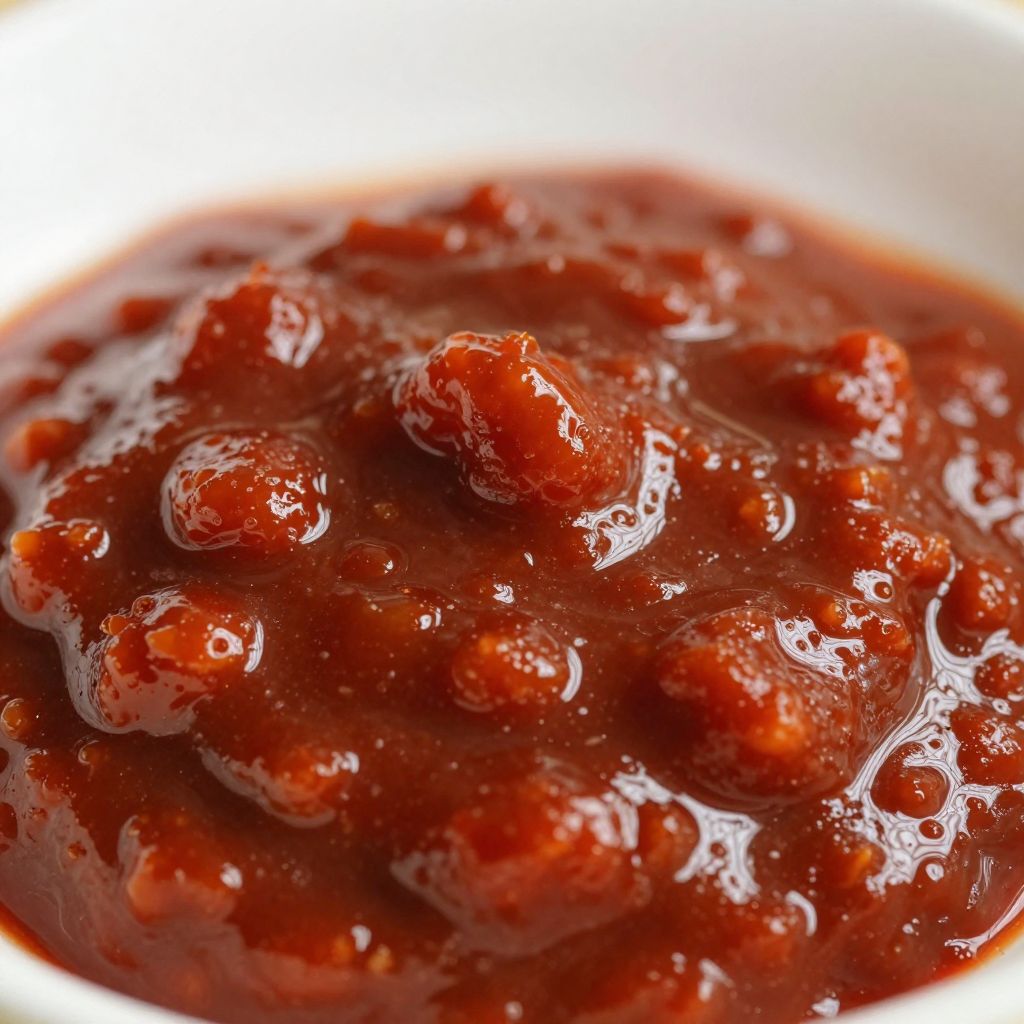
Step 1: Gather Ingredients
Start by measuring out all your ingredients. Having everything ready makes the mixing process seamless.
Step 2: Combine Gochujang and Soy Sauce
In a mixing bowl, add the gochujang and soy sauce. This forms the base of your sauce, so make sure it’s well blended.
Step 3: Add Rice Vinegar
Pour in the rice vinegar to add a tangy kick. This helps balance the heat from the gochujang.
Step 4: Mix in Honey
Stir in the honey or maple syrup for sweetness. This makes the sauce more complex and pleasing to the palate.
Step 5: Incorporate Sesame Oil
Add sesame oil for that nutty flavor. It rounds out the sauce beautifully.
Step 6: Add Minced Garlic
Mix in the minced garlic for aroma and depth. Fresh garlic will give your sauce a robust flavor.
Step 7: Adjust Consistency
If the sauce is too thick, add a teaspoon of water to thin it out. This step is optional based on your preference.
Step 8: Store and Enjoy
Transfer the sauce to a storage container and refrigerate. It will keep for about a week, but you’ll likely use it up before then!
Pro Tip: Taste as you go! Adjust the sweetness or heat to suit your personal preferences.
Tips for the Best Gochujang Sauce
- Use high-quality gochujang for the best flavor.
- Experiment with the sweetness level based on your taste.
- Let the sauce sit for an hour before using to enhance flavors.
- Store it in an airtight container to maintain freshness.
- Double the recipe if you plan to use it frequently — it freezes well!
Common Mistakes to Avoid
- Using too much gochujang can overwhelm the sauce; start with less if you are unsure.
- Forgetting to balance flavors can make the sauce one-dimensional.
- Not letting the sauce sit can result in a less developed taste.
- Using low-quality ingredients will affect the overall flavor profile.
- Skipping the garlic may leave the sauce lacking in depth.
Serving Suggestions
This sauce can elevate various dishes, so think broadly when serving. Here are some tasty pairings:
- Drizzle over grilled chicken or beef.
- Use as a dipping sauce for veggies or dumplings.
- Mix into stir-fries for added flavor.
- Spread on sandwiches for a spicy kick.
- Combine with mayonnaise for a zesty dressing.
Variations to Try
- Mix in some peanut butter for a richer, nuttier sauce.
- Add lime juice for a citrusy twist.
- Incorporate chopped scallions for freshness.
- Stir in sesame seeds for added texture.
- Use it in marinades for a deeper flavor infusion.
Dietary Adaptations
- Gluten-Free: Use tamari instead of soy sauce.
- Dairy-Free: This recipe is naturally dairy-free.
- Vegan: Substitute honey with maple syrup.
- Low-Carb/Keto: Keep the honey to a minimum or use a sugar alternative.
Storage and Reheating
Refrigerator
Store the sauce in an airtight container in the fridge. It should last about a week.
- Keep it sealed to prevent it from absorbing other odors.
- Label your container with the date for easy tracking.
Freezer
You can freeze the sauce for longer storage. Just make sure it’s in a freezer-safe container.
- Leave some space in the container to allow for expansion.
- Thaw in the fridge overnight before using.
Reheating
There’s no need to reheat the sauce, but you can warm it slightly in a saucepan if desired. Just be careful not to overheat it.
- Stir gently to avoid scorching.
- It can be served cold or at room temperature.
Nutrition Information
| Nutrient | Amount |
|---|---|
| Calories | 35 |
| Total Fat | 1g |
| Saturated Fat | 0g |
| Carbohydrates | 8g |
| Fiber | 0g |
| Sugar | 5g |
| Protein | 1g |
| Sodium | 300mg |
| Cholesterol | 0mg |
This nutritional information is an estimate and may vary based on ingredient brands and measurements.
Frequently Asked Questions
Can I substitute gochujang with something else?
While gochujang is unique, you can use a mix of chili paste and miso as a substitute for a similar flavor profile.
Can I make this sauce in advance?
Absolutely! This sauce keeps well in the fridge for about a week, allowing flavors to develop.
How should I store leftover sauce?
Store it in an airtight container in the refrigerator to maintain freshness.
Why is my sauce too thick?
If your sauce is too thick, simply add a bit of water and stir until you reach the desired consistency.
What can I use gochujang sauce with?
This sauce is great with grilled meats, stir-fries, or even as a dip for fresh vegetables.
Final Thoughts
Making your own gochujang sauce is a delightful way to add a punch of flavor to your meals. With just a few ingredients and minimal effort, you can create a sauce that brings excitement to your dishes.
So, gather your ingredients and give this recipe a try. You might just find it becomes a beloved staple in your kitchen!
If you enjoyed this recipe, feel free to explore more delicious dishes like Buldak Ramen or try out a fantastic Seafood Boil Sauce for your next gathering.
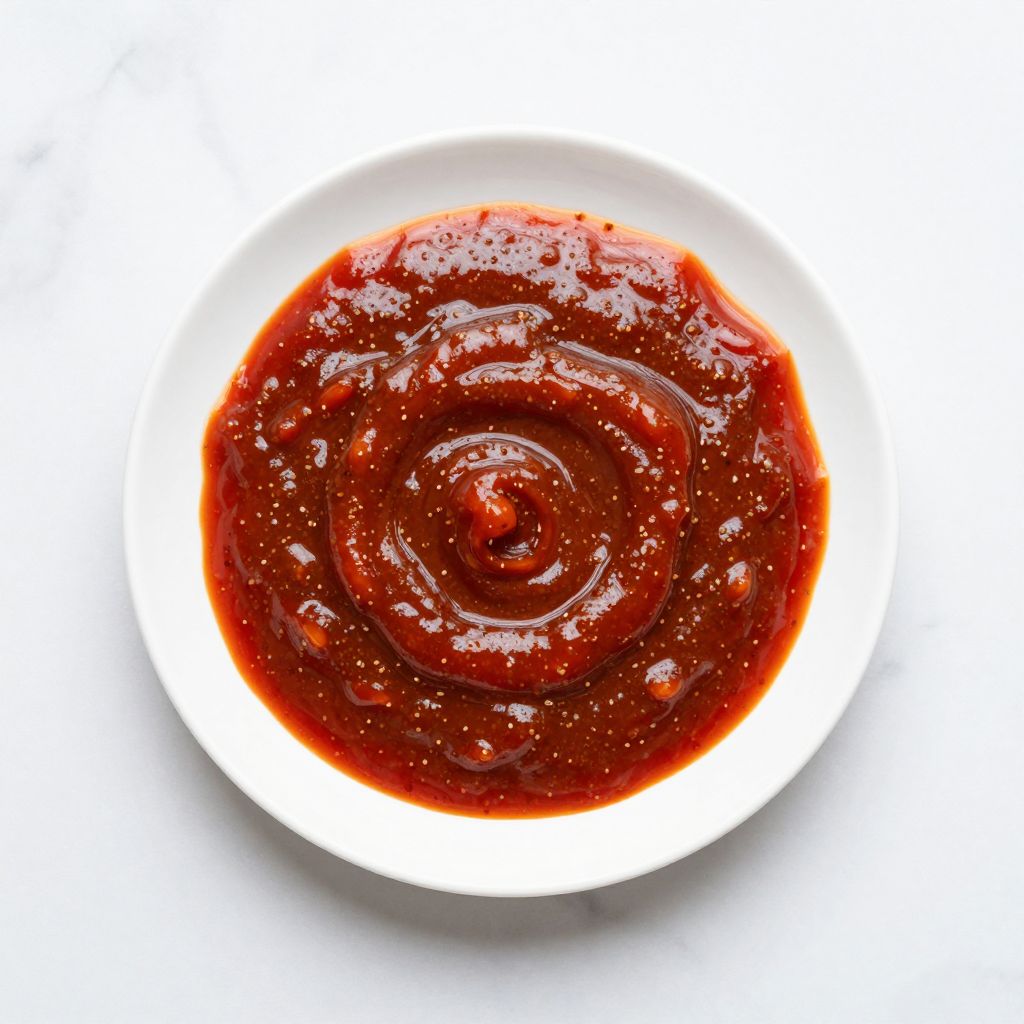
Gochujang Sauce
Ingredients
Equipment
Method
- Gather and measure all ingredients to ensure a smooth mixing process.
- In a mixing bowl, whisk together the gochujang and soy sauce until smooth.
- Add the rice vinegar and honey or maple syrup, stirring until fully combined.
- Drizzle in the sesame oil and mix thoroughly to incorporate the nutty flavor.
- Stir in the minced garlic until evenly distributed throughout the sauce.
- If the sauce is too thick, add water one teaspoon at a time until desired consistency is reached.
- Transfer the sauce to an airtight container and refrigerate for at least 1 hour to allow flavors to meld. Store in the refrigerator for up to one week.