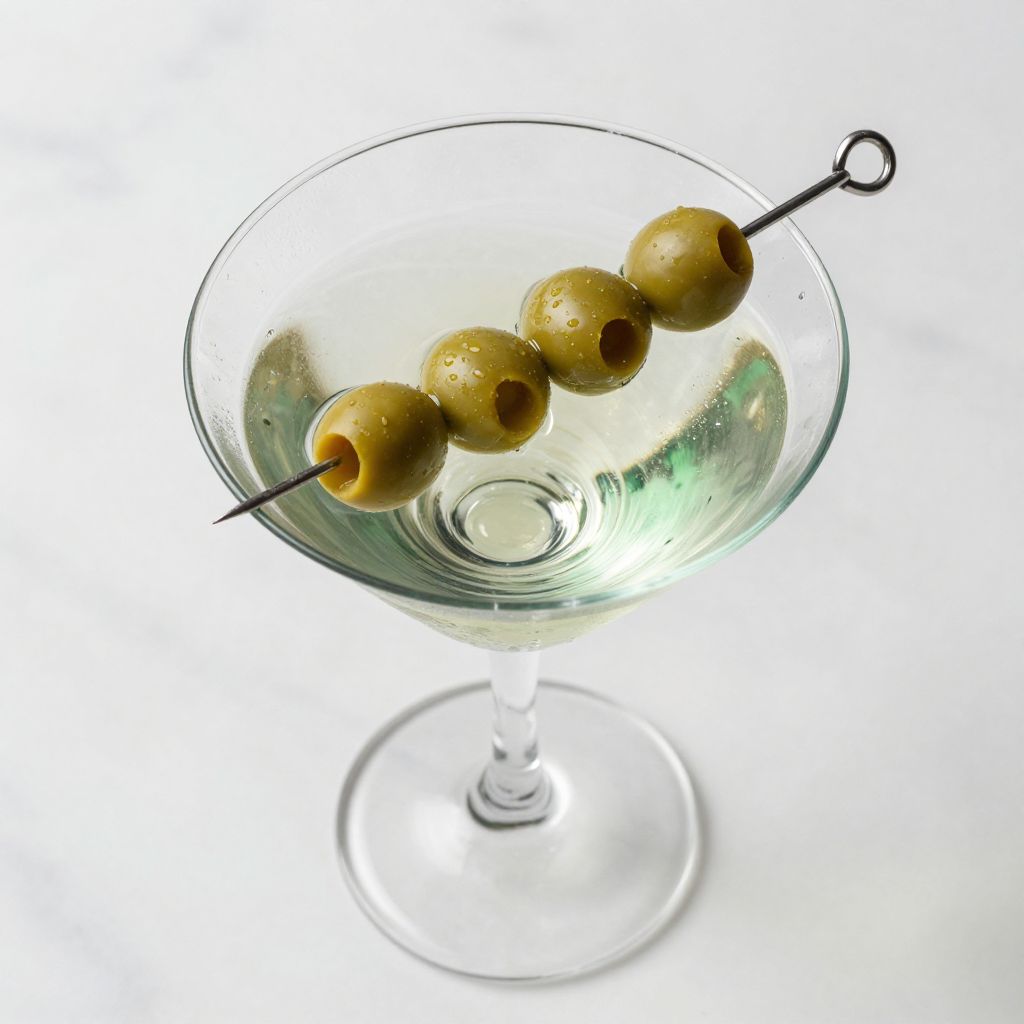
There’s something undeniably satisfying about the clink of a cocktail glass and the first sip of a perfectly chilled extra dirty martini. This isn’t your grandmother’s delicate aperitif; it’s a bold, briny drink that commands respect and delivers serious flavor in every drop.
An extra dirty martini strips away pretense and leans hard into the brine from olive juice, making it the martini for people who know what they want. The extra olive juice transforms a classic martini into something with real personality, perfect for those who crave savory complexity over botanical subtlety.
You’ll love this recipe because it’s faster to make than most cocktails, requires just a handful of quality ingredients, and tastes like you’ve been perfecting it for years. The beauty lies in its simplicity: when you nail the ratio and technique, you get a drink that’s crisp, salty, and utterly satisfying.
Why You’ll Love This Recipe
This recipe delivers a sophisticated cocktail that feels like a treat without any complicated techniques or rare ingredients. Once you master the method, you can impress anyone at your home bar.
- Ready in under five minutes from start to finish
- Uses just four simple ingredients that you likely already have on hand
- The extra briny kick works perfectly for savory palates
- Feels elevated and restaurant-quality in your own kitchen
- Endlessly customizable based on your spirit preferences
My Experience Making This Recipe
I made my first extra dirty martini on a quiet Friday evening after a long week, and something about the ritualistic nature of building the drink felt meditative. The moment the gin and vermouth touched the ice and began their dance, I knew I was onto something special.
The transformation happens when you add that olive brine; suddenly the drink goes from elegant to gutsy, and it completely won me over. My friends who claim to hate martinis have ordered seconds after tasting this version, which tells me the extra brine bridges the gap between classic cocktail and crowd-pleaser.
The most rewarding part is serving it in a chilled coupe glass with a few olives speared on a pick, watching someone’s face light up when they realize how balanced and drinkable it actually is. That moment makes every bit of effort worthwhile.
Recipe Overview
- Recipe Name: Extra Dirty Martini
- Servings: 1
- Prep Time: 2 minutes
- Cook Time: 0 minutes
- Total Time: 2 minutes
- Course: Cocktail
- Cuisine: American
- Calories per Serving: 180
Equipment You Will Need
- Mixing glass or cocktail pitcher
- Bar spoon for stirring
- Jigger or measuring cup for accurate portions
- Strainer (preferably a Hawthorne strainer)
- Coupe glass or martini glass
- Cocktail pick or small skewer for olives
- Ice cubes (preferably large ones for slower melting)
Ingredients for Extra Dirty Martini
- 2.5 ounces gin (or vodka if you prefer)
- 0.5 ounce dry vermouth
- 1 ounce olive brine (from a jar of quality olives)
- 4 to 6 pitted or stuffed olives (for garnish)
- Ice cubes
Ingredient Notes and Substitutions
- Gin: Gin provides botanical complexity and a crisp backbone; vodka creates a cleaner, more neutral version if you prefer less flavor interference.
- Dry vermouth: This ingredient balances the spirit and adds subtle herbal notes; sweet vermouth will throw off the drink completely, so don’t use it here.
- Olive brine: The briny liquid from your olive jar adds saltiness and umami that defines a dirty martini; if you have weak or low-quality brine, the drink suffers noticeably.
- Olives: Pitted olives work best for easy drinking, while stuffed olives (with blue cheese, garlic, or peppers) add extra flavor layers depending on your mood.
How to Make Extra Dirty Martini
Step 1: Chill Your Glass
Fill your coupe or martini glass with ice water and let it sit while you prepare the drink. A pre-chilled glass keeps your cocktail cold from the moment it hits the glass, preventing dilution and ensuring that first sip tastes as intended.
Step 2: Fill Your Mixing Glass with Ice
Add a handful of fresh ice cubes to your mixing glass or pitcher, preferably large cubes that melt slowly. The more surface area the ice has, the faster it melts and dilutes your drink, so larger cubes preserve the cocktail’s integrity.
Step 3: Measure and Pour the Gin
Use your jigger to measure out 2.5 ounces of gin and pour it directly over the ice in your mixing glass. Gin is your spirit base, and getting the measurement right sets the foundation for the entire drink.
Step 4: Add the Dry Vermouth
Measure 0.5 ounce of dry vermouth and add it to the mixing glass with the gin. Dry vermouth prevents the drink from being too spirit-forward and adds herbal complexity that balances the brine.
Step 5: Pour in the Olive Brine
Add 1 ounce of olive brine directly to the mixing glass, stirring gently to combine. This is what transforms an ordinary martini into a dirty one, adding saltiness and umami depth that defines the drink.
Step 6: Stir for about 30 Seconds
Using your bar spoon, stir the mixture slowly and deliberately for about 30 seconds, moving the spoon in a smooth circular motion. Stiring properly chills the cocktail, dilutes it just enough with water from the melting ice, and brings all the flavors into harmony.
Step 7: Strain into Your Chilled Glass
Empty the ice water from your pre-chilled glass and use your strainer to pour the cocktail mixture into the glass, leaving the ice behind in the mixing glass. A proper strain separates the liquid from the ice and prevents watering down your finished drink.
Step 8: Garnish with Olives
Thread four to six olives onto your cocktail pick and rest it across the rim of the glass or let it sit in the drink. Olives add visual appeal and provide a salty, briny bite between sips that enhances the overall experience.
Pro Tip: Always use quality olive brine from olives you actually enjoy eating; cheap, thin brine will result in a flat, unbalanced cocktail that tastes like salt water instead of a sophisticated drink.
Tips for the Best Extra Dirty Martini
- Invest in good gin; cheap gin tastes thin and harsh when stirred down, while quality gin maintains its botanical character and smoothness throughout the drink.
- Keep your spirits and glasses in the freezer before making the drink, which reduces the time needed to chill everything and minimizes ice dilution.
- Stir rather than shake your martini; shaking aerates the drink and creates cloudiness, while stirring keeps it silky and clear as intended.
- Taste your olive brine before using it; if it smells rancid or tastes off, start with a fresh jar because bad brine ruins the entire cocktail.
- Use fresh ice every time; old ice that’s been sitting in the freezer absorbs odors and flavors that taint your drink.
- Make the drink right before serving rather than in advance; cocktails don’t improve with time and quickly become over-diluted.
Common Mistakes to Avoid
- Using too much vermouth: This creates a muddled, herbal drink that tastes more like vermouth than gin, throwing off the entire balance.
- Adding vermouth directly to the glass: Some home bartenders skip stirring and pour vermouth into the glass before straining, which leaves undiluted vermouth at the bottom.
- Using warm or weak brine: Stale, weak, or off-tasting brine makes the drink taste flat and one-dimensional instead of complex and savory.
- Shaking instead of stirring: Shaking oxygenates the cocktail and makes it cloudy, defeating the purpose of the elegant presentation you’re going for.
- Forgetting to chill the glass: A warm glass immediately melts your ice and dilutes the drink before you even take the first sip.
Serving Suggestions
An extra dirty martini pairs beautifully with salty, savory appetizers and works perfectly as an aperitif before dinner or as the main event at happy hour. Think of it as a sophisticated companion to bold flavors.
- Serve with blue cheese stuffed olives or anchovy-stuffed olives for extra umami
- Pair with smoked salmon, cured meats, or aged cheeses for a charcuterie board vibe
- Enjoy alongside salty nuts, crispy crackers, or bacon-flavored snacks
- Make it the centerpiece of a cocktail hour before a dinner party
- Serve with pickled vegetables or pickled herring for a deeply savory experience
Variations to Try
- Vodka Dirty Martini: Swap the gin for vodka to create a cleaner, less botanical version that lets the brine and olive flavors shine without competition.
- Extra Extra Dirty Martini: Increase the olive brine to 1.5 or 2 ounces for an intensely salty, briny drink that borders on savory soup but works brilliantly for serious olive lovers.
- Blue Cheese Martini: Use blue cheese stuffed olives and add a small splash of blue cheese brine along with the olive brine for a deeply umami-forward cocktail.
- Garlic Martini: Substitute garlic-stuffed olives and their brine for regular olive brine to create a punchier, more aromatic version.
- Spicy Dirty Martini: Use jalalpeno or hot pepper stuffed olives to add a spicy kick that balances the salinity and adds complexity.
Dietary Adaptations
- Gluten-free: Most gins and dry vermouths are naturally gluten-free, but verify your specific brands; the cocktail itself contains no gluten.
- Dairy-free: This cocktail contains no dairy ingredients, making it naturally dairy-free and suitable for anyone avoiding dairy.
- Vegan: The drink is vegan as long as your olives aren’t processed with animal products; check your olive jar labels to confirm.
- Low-carb and keto: Gin and vermouth contain negligible carbohydrates, making this an excellent low-carb and keto-friendly cocktail option.
Storage and Reheating
Refrigerator
You can store prepared cocktail ingredients (gin, vermouth, and brine) in sealed containers in your refrigerator for up to two weeks. Once mixed and strained, a finished martini lasts only about an hour before the ice melts completely and dilution ruins the drink.
- Store each ingredient separately rather than mixing in advance
- Keep the measuring amounts noted so you can quickly remake drinks
Freezer
Keep your gin, vermouth, and coupe glasses in the freezer at all times; this reduces preparation time and keeps your finished cocktail colder longer. Pre-frozen spirits and glassware mean you need less ice, which prevents over-dilution.
- Store bottles in the freezer for at least two hours before use
- Chill glasses in the freezer for at least 30 minutes before serving
Reheating
Cocktails are never reheated; they’re consumed immediately after being made and strained into a chilled glass. Once consumed, simply rinse your mixing glass and make a fresh drink if needed.
- Always prepare fresh cocktails immediately before serving
- Never reheat or revive a martini that has sat and diluted
Nutrition Information
| Nutrient | Amount |
|---|---|
| Calories | 180 |
| Total Fat | 0g |
| Saturated Fat | 0g |
| Carbohydrates | 1g |
| Fiber | 0g |
| Sugar | 0g |
| Protein | 0g |
| Sodium | 480mg |
| Cholesterol | 0mg |
These values reflect the basic ingredients and do not account for variations in brands or the olives themselves. Nutritional content can vary based on the specific gin, vermouth, and brine you choose.
Frequently Asked Questions
Can I make an extra dirty martini without vermouth?
You technically can, but you’ll end up with a harsh, spirit-forward drink that lacks balance and refinement. Vermouth acts as a softening agent and adds herbal complexity that makes the cocktail smooth and sophisticated.
How much brine makes it extra dirty versus just dirty?
A standard dirty martini uses 0.5 ounce of brine, while an extra dirty martini uses 1 ounce or more. The more brine you add, the saltier and more intensely briny the drink becomes, so taste as you go until you find your preference.
Can I prepare the ingredients ahead of time?
You can measure out your gin, vermouth, and brine in separate containers and store them in the freezer, but you must mix and stir them fresh just before serving. Martinis don’t improve with time and become over-diluted if prepared in advance.
Why does my martini taste thin or watery?
This usually means your ice was too small and melted too quickly, over-diluting the drink, or your spirits and glass weren’t cold enough to begin with. Use large ice cubes, freeze everything beforehand, and stir for exactly 30 seconds rather than longer.
What’s the difference between gin and vodka in a martini?
Gin brings botanical flavors from juniper and other botanicals that add complexity, while vodka creates a cleaner, more neutral cocktail where the brine and vermouth stand out. Choose based on whether you want herbal notes or a simpler flavor profile.
Should I use pitted or unpitted olives?
Pitted olives make the drink easier to enjoy since you don’t have to spit out a pit mid-sip, while unpitted olives look more classic and elegant. Either works, so choose based on your priorities regarding convenience versus presentation.
Final Thoughts
The extra dirty martini transforms from intimidating cocktail into genuinely achievable drink once you understand the simple technique and respect the ingredient ratios. Master this recipe and you’ll have a signature cocktail that impresses everyone at your home bar.
Make one tonight, settle into a moment of peace with that first sip, and rediscover why martinis have remained a classic for over a century. The simplicity and satisfaction of a well-made cocktail never goes out of style.
Extra Dirty Martini

A bold, briny cocktail that leans hard into the brine from olive juice, making it the martini for people who know what they want. This extra dirty version transforms a classic martini into something with real personality, perfect for those who crave savory complexity over botanical subtlety.
- Mixing glass or cocktail pitcher
- Bar spoon for stirring
- Jigger or measuring cup
- Strainer (preferably a Hawthorne strainer)
- Coupe glass or martini glass
- Cocktail pick or small skewer
Main
- 2.5 ounces gin (or vodka if you prefer)
- 0.5 ounce dry vermouth
- 1 ounce olive brine (from a jar of quality olives)
- 4 to 6 pitted or stuffed olives (for garnish)
- Ice cubes
- Fill your coupe or martini glass with ice water and let it sit while you prepare the drink to pre-chill it.
- Add a handful of fresh ice cubes to your mixing glass or pitcher, preferably large cubes that melt slowly.
- Use your jigger to measure out 2.5 ounces of gin and pour it directly over the ice in your mixing glass.
- Measure 0.5 ounce of dry vermouth and add it to the mixing glass with the gin.
- Add 1 ounce of olive brine directly to the mixing glass, stirring gently to combine.
- Using your bar spoon, stir the mixture slowly and deliberately for about 30 seconds, moving the spoon in a smooth circular motion.
- Empty the ice water from your pre-chilled glass and use your strainer to pour the cocktail mixture into the glass, leaving the ice behind in the mixing glass.
- Thread four to six olives onto your cocktail pick and rest it across the rim of the glass or let it sit in the drink.
Always use quality olive brine from olives you actually enjoy eating; cheap, thin brine will result in a flat, unbalanced cocktail. Invest in good gin; cheap gin tastes thin and harsh when stirred down, while quality gin maintains its botanical character. Keep your spirits and glasses in the freezer before making the drink to reduce the time needed to chill everything and minimize ice dilution. Stir rather than shake your martini; shaking aerates the drink and creates cloudiness, while stirring keeps it silky and clear.