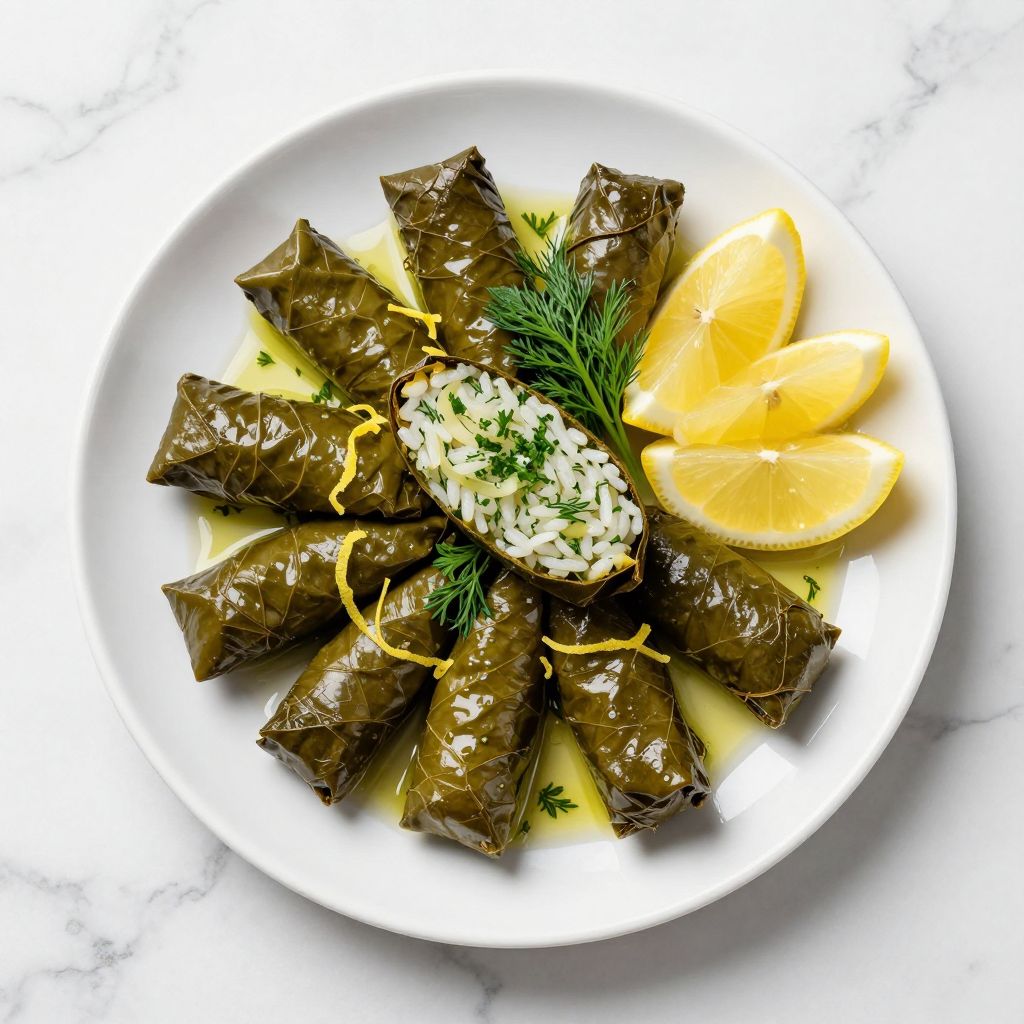
The smell of grape leaves steaming on the stovetop takes me straight back to my grandmother’s kitchen, where she’d roll these little bundles with the kind of precision that only comes from making them hundreds of times.
Dolmades are Greek stuffed grape leaves that taste far more impressive than they actually are to make. These tender, tangy parcels deliver comfort food that feels fancy enough for company but simple enough for a weeknight dinner.
What makes this recipe so special is the balance of savory rice, fresh herbs, and bright lemon that creates a dish that works equally well as an appetizer, side dish, or light main course. The best part? You can make them ahead and reheat them whenever you need something delicious.
Why You’ll Love This Recipe
This recipe checks every box for a crowd-pleasing dish that tastes authentic and doesn’t require fancy equipment or hard-to-find ingredients.
- Incredibly versatile: serve hot, cold, or at room temperature
- Make-ahead friendly: prepare them days in advance and simply reheat
- Budget-conscious: inexpensive ingredients create something special
- Naturally vegetarian and gluten-free
- Impresses guests while feeling totally manageable to execute
My Experience Making This Recipe
I first made dolmades from scratch when my friend brought a jar of preserved grape leaves home from the Greek market. I was intimidated by the rolling, but after the first few, my hands knew exactly what to do.
The house filled with the most wonderful aroma as they simmered on the stove. My family gathered around the table expecting a complicated dish, but when I explained how simple the filling actually was, they demanded I make them again the following week.
Now I keep grape leaves stocked in my pantry because these little bundles have become my go-to when I need something that looks restaurant-quality but takes less than an hour of hands-on work. They freeze beautifully too, which means I often triple the batch and have homemade appetizers ready whenever I need them.
Recipe Overview
- Recipe Name: Dolmades (Stuffed Grape Leaves)
- Servings: 24 dolmades (about 4 to 6 servings as an appetizer)
- Prep Time: 35 minutes
- Cook Time: 40 minutes
- Total Time: 75 minutes
- Course: Appetizer or Side Dish
- Cuisine: Greek
- Calories per Serving: 85 calories
Equipment You Will Need
- Large pot (at least 5-quart capacity)
- Cutting board
- Sharp knife
- Small mixing bowl
- Measuring cups and spoons
- Wooden spoon
- Paper towels
- Steamer basket or metal colander
Ingredients for Dolmades
For the Filling
- 1 cup long-grain white rice (uncooked)
- 1 medium onion (finely diced)
- 1/4 cup fresh dill (chopped)
- 2 tablespoons fresh mint (chopped)
- 1 tablespoon fresh parsley (chopped)
- 3 tablespoons olive oil (divided)
- 1/2 cup vegetable broth (or water)
- Salt and black pepper to taste
For Assembly and Cooking
- 1 jar (16 ounces) preserved grape leaves (about 40 to 50 leaves)
- 2 tablespoons olive oil
- 2 cups vegetable broth (or water)
- 2 tablespoons fresh lemon juice
- Salt to taste
Ingredient Notes and Substitutions
- Long-grain white rice: This stays fluffy and separate when cooked inside the rolls, preventing mushy dolmades. Brown rice works but requires longer cooking time and slightly more liquid.
- Fresh herbs (dill, mint, parsley): These herbs provide the bright, authentic flavor that defines Greek cooking. Dried herbs work in a pinch but use only one-third of the amount since they’re more concentrated.
- Preserved grape leaves: Jarred leaves save you the effort of fresh preparation and blanching. Fresh grape leaves from a vine work too but need to be blanched in boiling water for five minutes first.
- Olive oil: This is essential for both cooking the filling and lubricating the cooking liquid. Any quality olive oil works, and you don’t need expensive varieties here.
- Vegetable broth: Plain water works fine, but broth adds subtle flavor to the finished dolmades. Chicken broth gives richer flavor if you’re not strict about vegetarian options.
How to Make Dolmades
Step 1: Prepare Your Grape Leaves
Remove the grape leaves from the jar and gently rinse them under cool water to remove any salty brine. Lay them out on paper towels to dry completely, which prevents them from tearing when you roll them.
Step 2: Cook the Rice Filling Halfway
Heat two tablespoons of olive oil in a small mixing bowl (or use a pot). Add the diced onion and saute over medium heat for about two minutes until it softens and becomes fragrant, but don’t let it brown.
This brief cooking step softens the onion so every bite of the finished dolmades tastes perfectly blended rather than having raw onion pieces.
Step 3: Combine Filling Ingredients
Mix the sauteed onion together with the uncooked rice, dill, mint, parsley, one tablespoon of olive oil, and the half cup of vegetable broth in a mixing bowl. Add salt and pepper to taste and stir everything together until well combined.
This mixture won’t be wet, which is exactly right because the rice will absorb liquid while the dolmades cook. The herbs should be evenly distributed throughout so every roll gets the same flavor.
Step 4: Roll the First Dolmade
Place one grape leaf on your cutting board with the shiny side down (this is the back). Position it so one of the points faces toward you and locate the small vein markings in the middle of the leaf.
Place about one tablespoon of filling near the center of the leaf, staying closer to the side facing you. The amount should be roughly the size of your thumb, which gives enough flavor without making the leaf tear during rolling.
Step 5: Roll the Dolmade Tightly
Fold the side of the leaf pointing toward you up and over the filling, then fold in the left and right sides toward the center like you’re making a little envelope. Roll the entire packet away from you firmly but gently, keeping the seam on the bottom so it stays sealed during cooking.
The tension you create during rolling is what keeps dolmades from unraveling, so roll snug but not so tight that the leaf tears. A properly rolled dolmade looks like a small, uniform log about the size of your pinky finger.
Step 6: Repeat Rolling Until All Filling Is Used
Continue rolling dolmades with the remaining filling and grape leaves, placing finished rolls seam-side down on a clean plate or cutting board. You should end up with approximately 24 dolmades depending on leaf size.
As you roll more dolmades, your hands will develop a rhythm and each one will look more uniform. Don’t worry if your first few rolls look imperfect because the taste depends on flavor, not appearance.
Step 7: Arrange Dolmades in the Cooking Pot
Heat two tablespoons of olive oil in a large pot over medium-high heat. Working carefully, arrange the dolmades seam-side down in concentric circles in the pot, starting at the center and working outward to fit them in a single or double layer.
The oil coating the pot prevents sticking and adds flavor, and packing them snugly (though not crushed) keeps them from rolling around during cooking. If you have extra grape leaves, tear them up and scatter them over the dolmades to protect them.
Step 8: Add Liquid and Simmer
Pour the two cups of vegetable broth and the two tablespoons of fresh lemon juice over the dolmades. Add a pinch of salt, then place a heatproof plate or a sheet of parchment paper directly on top of the dolmades to keep them submerged and prevent them from drying out.
The liquid should come up to just below the plate. Cover the pot with a lid, reduce heat to low, and simmer for about 40 minutes until the rice is completely tender and the liquid has mostly been absorbed.
Step 9: Cool and Serve
Turn off the heat and let the dolmades rest in the pot for 10 minutes, which allows the flavors to settle and makes them easier to remove. Carefully transfer them to a serving plate using a slotted spoon, drizzling any remaining cooking liquid over them.
Serve warm, at room temperature, or chilled depending on your preference. They taste fantastic any way you serve them.
Pro Tip: Make your filling one day ahead and store it in the refrigerator so all the flavors blend together before you start rolling, which deepens the finished taste significantly.
Tips for the Best Dolmades
- Dry your grape leaves thoroughly after rinsing because excess water makes them stick together and tear when you try to separate them for rolling.
- Keep the filling cool while you roll because cold filling is easier to handle and makes tighter, neater rolls that cook evenly.
- Don’t skip the protective plate inside the pot because it keeps the dolmades submerged in the cooking liquid, preventing the tops from drying out.
- Roll tightly enough that dolmades hold their shape but gently enough that you don’t split the leaves, which takes practice but becomes intuitive after a few rolls.
- Taste the filling before rolling and adjust the salt generously because the rice absorbs liquid during cooking and needs proper seasoning to taste vibrant.
- Line up your rolling assembly so you have dry leaves on one side, a bowl of filling, and your cooking pot ready, which keeps your hands clean and speeds up the whole process.
Common Mistakes to Avoid
- Overfilling each leaf causes them to burst during cooking and leaves too much cooked filling scattered in the pot. Stick with one tablespoon of filling per roll and you’ll get perfect results.
- Rolling too loosely means dolmades unravel in the pot and fall apart when you try to serve them. Practice rolling a few tight practice rolls before starting with the ones you’ll eat.
- Skipping the protective plate on top of the dolmades lets the exposed tops dry out and turn tough. The plate keeps everything moist and tender.
- Using hot water instead of cooling the filling first makes it harder to roll neatly and can cause leaves to tear from the heat transfer. Always let filling cool before rolling.
- Not rinsing the grape leaves well enough leaves excess salt on them that overpowers the delicate flavors you’ve carefully built into the filling. Take the 30 seconds to rinse and you’ll notice the difference in taste.
Serving Suggestions
Dolmades shine on their own but taste even better paired with a cool sauce and some simple sides that complement their bright, herbaceous flavor.
- Serve with a dollop of Greek yogurt mixed with a little dill and lemon juice for a cooling contrast
- Pair with warm pita bread and hummus for a complete appetizer spread
- Add to a Mediterranean salad with cucumbers, tomatoes, olives, and feta cheese for a light lunch
- Serve cold as part of a Greek mezze platter alongside other small bites like tzatziki and marinated vegetables
- Enjoy with a simple green salad dressed in olive oil and lemon juice to keep the meal light and fresh
Variations to Try
- Meat-filled dolmades: Add one pound of ground lamb or ground beef mixed with the rice and onion, then increase the simmering time to 50 minutes so the meat cooks through completely and flavors meld with the rice.
- Currant and pine nut version: Stir one-quarter cup of dried currants and one-quarter cup of toasted pine nuts into the filling for a slightly sweet flavor that’s popular in Turkish dolma preparations.
- Extra lemony dolmades: Increase the lemon juice to three tablespoons in the cooking liquid and add the zest of one lemon to the filling for a brighter, more assertive citrus flavor.
- Spiced version: Add one-quarter teaspoon of ground cinnamon and one-eighth teaspoon of ground cloves to the filling for warmth and depth that works beautifully with the herbs.
- Tomato-braised dolmades: Replace half the vegetable broth with crushed tomatoes and add one-quarter teaspoon of dried oregano to the cooking liquid for a more Mediterranean flavor profile.
Dietary Adaptations
- Gluten-free: This recipe is naturally gluten-free, but if you serve it with side dishes, verify that all components like vegetable broth and any sauces don’t contain hidden gluten from thickening agents or additives.
- Dairy-free: Dolmades contain no dairy in the base recipe, so simply skip any yogurt sauce and serve with dairy-free options like tahini sauce or olive oil and lemon instead.
- Vegan and vegetarian: This recipe is already plant-based and vegan-friendly exactly as written, so no changes needed to make it suitable for plant-based diets.
- Low-carb and keto: Replace white rice with cauliflower rice and reduce simmering time to 20 minutes, though the texture will be less tender than traditional dolmades made with regular rice.
Storage and Reheating
Refrigerator
Place cooled dolmades in an airtight container and store them in the refrigerator for up to five days. Include the cooking liquid to keep them moist.
- Dolmades taste even better the next day as flavors continue to develop and blend together
- Serve cold directly from the refrigerator for a refreshing appetizer
- Store the cooking liquid separately if you prefer less moisture
Freezer
Freeze dolmades in a single layer on a baking sheet, then transfer them to freezer bags once solid, which prevents them from sticking together in a clump. They freeze beautifully for up to three months.
- Freeze with cooking liquid in freezer-safe containers for extra flavor and moisture
- Frozen dolmades thaw faster in a single layer than when packed together
- Label your container with the date so you remember how long they’ve been frozen
Reheating
Thaw dolmades in the refrigerator overnight, then reheat gently in a covered pot over low heat with a splash of water or broth for about 15 minutes. Alternatively, reheat them in the microwave covered for three to four minutes until warmed through.
- Low, gentle heat prevents the grape leaves from toughening or the rice from drying out
- Adding a little liquid while reheating keeps them moist and prevents them from toughening
- Don’t overheat or the leaves can become mushy rather than tender
Nutrition Information
| Nutrient | Amount |
|---|---|
| Calories | 85 |
| Total Fat | 4g |
| Saturated Fat | 1g |
| Carbohydrates | 11g |
| Fiber | 1g |
| Sugar | 1g |
| Protein | 2g |
| Sodium | 380mg |
| Cholesterol | 0mg |
Nutrition values are calculated based on one dolmade assuming 24 total rolls per batch and using vegetable broth with no added salt. Actual values vary depending on the specific brands you use and whether you add additional salt to your filling.
Frequently Asked Questions
Can I use fresh grape leaves instead of jarred ones?
Yes, fresh grape leaves work beautifully and taste slightly fresher than jarred versions. Blanch them in boiling water for five minutes until they soften before using, then spread them flat to cool and dry completely before rolling.
How far ahead can I roll the dolmades before cooking?
You can roll them up to four hours ahead and refrigerate them uncovered on a plate, which prevents condensation from making them wet. Cover them loosely just before cooking if you’re waiting longer than an hour.
What’s the best way to tell when they’re fully cooked?
The rice should be completely tender and mostly have absorbed the cooking liquid, which typically takes about 40 minutes on low heat. Taste one dolmade to confirm the rice is soft throughout rather than crunchy at the center.
Why did my dolmades burst open during cooking?
This usually happens from overfilling, rolling too loosely, or boiling instead of simmering gently. Use less filling per roll, roll more tightly, and keep the heat low enough that you only see gentle bubbles breaking the surface of the liquid.
Can I make these without grape leaves and use something else?
Cabbage leaves work as a substitute and create a milder-tasting roll. Blanch cabbage leaves in boiling water for five minutes until tender, then drain and dry before using.
Dolmades (Stuffed Grape Leaves)
Greek stuffed grape leaves filled with savory rice, fresh herbs, and bright lemon that creates a dish that works equally well as an appetizer, side dish, or light main course. These tender, tangy parcels deliver comfort food that feels fancy enough for company but simple enough for a weeknight dinner.
- Large pot (at least 5-quart capacity)
- Cutting board
- Sharp knife
- Small mixing bowl
- Measuring cups and spoons
- Wooden spoon
- Paper towels
- Steamer basket or metal colander
For the Filling
- 1 cup long-grain white rice (uncooked)
- 1 medium onion (finely diced)
- 1/4 cup fresh dill (chopped)
- 2 tablespoons fresh mint (chopped)
- 1 tablespoon fresh parsley (chopped)
- 3 tablespoons olive oil (divided)
- 1/2 cup vegetable broth or water
- Salt and black pepper to taste
For Assembly and Cooking
- 1 jar (16 ounces preserved grape leaves, about 40 to 50 leaves)
- 2 tablespoons olive oil
- 2 cups vegetable broth or water
- 2 tablespoons fresh lemon juice
- Salt to taste
- Remove the grape leaves from the jar and gently rinse them under cool water to remove any salty brine. Lay them out on paper towels to dry completely, which prevents them from tearing when you roll them.
- Heat 2 tablespoons of olive oil in a small mixing bowl or pot. Add the diced onion and sauté over medium heat for about 2 minutes until it softens and becomes fragrant, but don’t let it brown.
- Mix the sautéed onion together with the uncooked rice, dill, mint, parsley, 1 tablespoon of olive oil, and the 1/2 cup of vegetable broth in a mixing bowl. Add salt and pepper to taste and stir everything together until well combined.
- Place one grape leaf on your cutting board with the shiny side down. Position it so one of the points faces toward you. Place about 1 tablespoon of filling near the center of the leaf, staying closer to the side facing you.
- Fold the side of the leaf pointing toward you up and over the filling, then fold in the left and right sides toward the center like you’re making a little envelope. Roll the entire packet away from you firmly but gently, keeping the seam on the bottom so it stays sealed during cooking.
- Continue rolling dolmades with the remaining filling and grape leaves, placing finished rolls seam-side down on a clean plate or cutting board. You should end up with approximately 24 dolmades depending on leaf size.
- Heat 2 tablespoons of olive oil in a large pot over medium-high heat. Working carefully, arrange the dolmades seam-side down in concentric circles in the pot, starting at the center and working outward to fit them in a single or double layer.
- Pour the 2 cups of vegetable broth and the 2 tablespoons of fresh lemon juice over the dolmades. Add a pinch of salt, then place a heatproof plate or a sheet of parchment paper directly on top of the dolmades to keep them submerged. The liquid should come up to just below the plate. Cover the pot with a lid, reduce heat to low, and simmer for about 40 minutes until the rice is completely tender and the liquid has mostly been absorbed.
- Turn off the heat and let the dolmades rest in the pot for 10 minutes, which allows the flavors to settle and makes them easier to remove. Carefully transfer them to a serving plate using a slotted spoon, drizzling any remaining cooking liquid over them.
- Serve warm, at room temperature, or chilled depending on your preference.
Make your filling one day ahead and store it in the refrigerator so all the flavors blend together before you start rolling. Dry your grape leaves thoroughly after rinsing. Keep the filling cool while you roll. Don’t skip the protective plate inside the pot. Dolmades can be stored in the refrigerator for up to 5 days or frozen for up to 3 months.