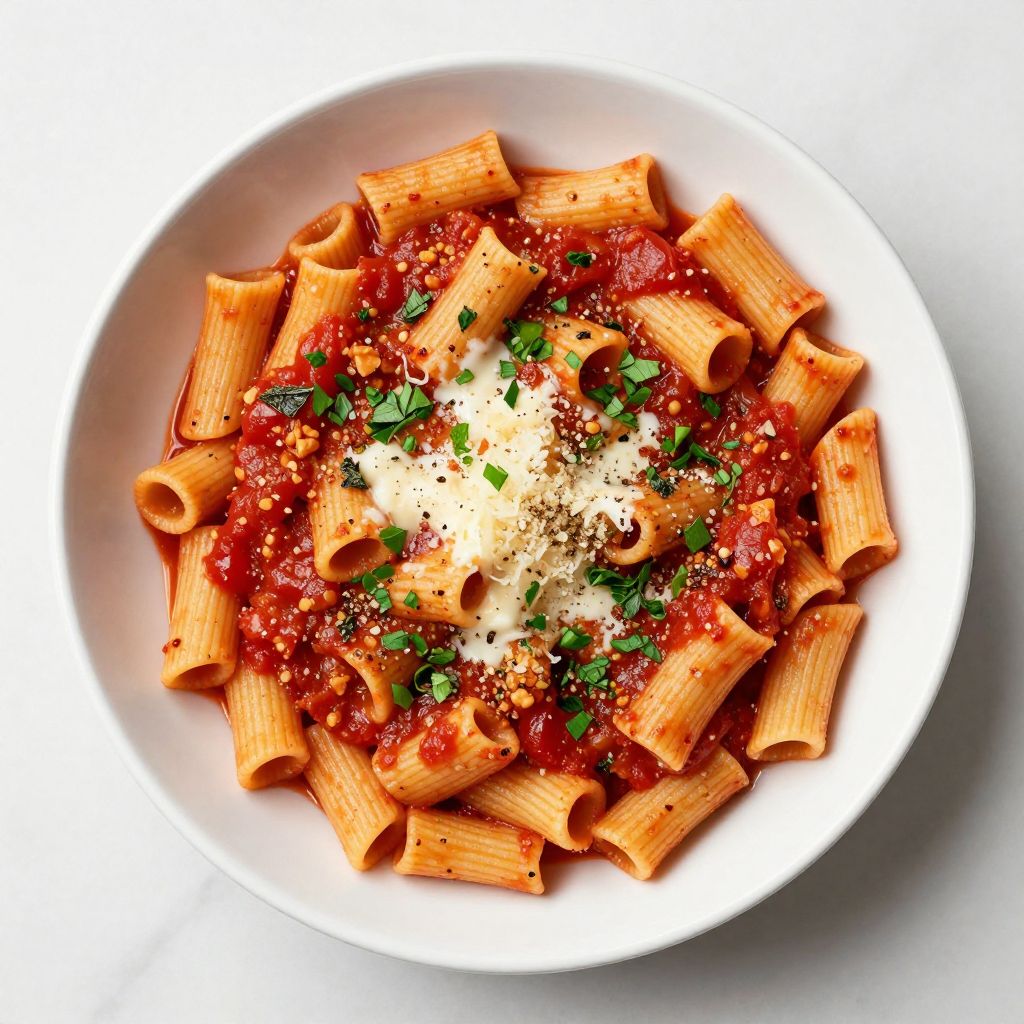
Ditalini pasta recipe brings you a comforting, hearty dish that transforms these tiny tube-shaped noodles into something truly special. This versatile pasta works beautifully in soups, but today we’re making it shine as the star of a simple, flavorful main dish that comes together in under 30 minutes.
Whether you need a quick weeknight dinner or a satisfying lunch, this recipe delivers big flavor with minimal effort. The small size of ditalini means it cooks quickly and soaks up sauce like a dream, creating the perfect bite every single time.
Why You’ll Love This Recipe
This ditalini pasta dish hits all the right notes without demanding hours in the kitchen. It’s the kind of recipe you’ll make once and then keep in your regular rotation because it just works.
- Ready in less than 30 minutes from start to finish
- Uses simple pantry ingredients you probably already have
- Kid-friendly and family-approved every single time
- Easily customizable with whatever vegetables or proteins you have on hand
- Perfect for meal prep and tastes even better the next day
My Experience Making This Recipe
I stumbled onto this recipe on a Tuesday night when I had approximately zero energy but still needed to feed actual humans. The ditalini had been sitting in my pantry for months, originally bought for a soup I never made.
What surprised me most was how the tiny pasta tubes trapped the sauce in their little centers, creating these perfect flavor bombs with every forkful. My pickiest eater asked for seconds, which frankly never happens, so I knew I had a winner.
The kitchen smelled like an Italian grandmother had taken over, all garlic and tomato and herbs. I’ve made this at least a dozen times since that first attempt, tweaking and perfecting until it became what you see here.
Recipe Overview
- Recipe Name: Ditalini Pasta Recipe
- Servings: 4
- Prep Time: 10 minutes
- Cook Time: 18 minutes
- Total Time: 28 minutes
- Course: Main Course
- Cuisine: Italian-American
- Calories per Serving: 385
Equipment You Will Need
- Large pot for boiling pasta (at least 6 quarts)
- Large skillet or saute pan (12-inch works best)
- Colander for draining
- Wooden spoon or spatula
- Measuring cups and spoons
- Garlic press or sharp knife
- Cheese grater
Ingredients for Ditalini Pasta Recipe
- 1 pound ditalini pasta
- 3 tablespoons olive oil
- 4 cloves garlic, minced
- 1 can (28 ounces) crushed tomatoes
- 1 teaspoon dried basil
- 1 teaspoon dried oregano
- 1/2 teaspoon red pepper flakes
- 1 teaspoon salt, plus more for pasta water
- 1/2 teaspoon black pepper
- 1/2 cup grated Parmesan cheese, plus more for serving
- 2 tablespoons fresh parsley, chopped
- 1/4 cup reserved pasta water
Ingredient Notes and Substitutions
- Ditalini pasta: These small tubes are perfect for catching sauce, but you can substitute with tubetti, small shells, or elbow macaroni if needed.
- Crushed tomatoes: They provide the perfect texture for this sauce, though diced tomatoes or tomato sauce work in a pinch with slightly different results.
- Fresh garlic: Garlic adds the aromatic base that makes this dish sing, but you can use 1 teaspoon of garlic powder if fresh isn’t available.
- Parmesan cheese: Real Parmigiano-Reggiano brings nutty, salty depth, though Pecorino Romano or Grana Padano make excellent substitutes.
- Olive oil: Extra virgin olive oil provides the best flavor, but regular olive oil or even vegetable oil will work if that’s what you have.
- Red pepper flakes: They add gentle heat without overwhelming the dish, but you can omit them entirely for a milder version or increase for more kick.
How to Make Ditalini Pasta Recipe
Step 1: Boil the Pasta Water
Fill your large pot with water and bring it to a rolling boil over high heat. Add a generous tablespoon of salt to the water once it’s boiling.
The salt seasons the pasta from the inside out, which you can’t achieve by adding salt later. Think of it as seasoning the pasta itself, not just the water it cooks in.
Step 2: Cook the Ditalini
Add the ditalini pasta to the boiling water and stir immediately to prevent sticking. Cook for 8 to 10 minutes, or according to package directions, until al dente.
Al dente means the pasta still has a slight bite to it, which prevents it from turning mushy when you toss it with the sauce. Before draining, scoop out and reserve 1/4 cup of the starchy pasta water.
Step 3: Start the Sauce
While the pasta cooks, heat the olive oil in your large skillet over medium heat. Add the minced garlic and cook for 60 to 90 seconds, stirring constantly.
Watch the garlic carefully because it goes from perfect to burnt in seconds. You want it fragrant and just barely golden, not brown.
Step 4: Add the Tomatoes and Seasonings
Pour the crushed tomatoes into the skillet with the garlic. Add the dried basil, oregano, red pepper flakes, salt, and black pepper.
Stir everything together and let it simmer for 8 to 10 minutes while the pasta finishes cooking. This simmering time lets the flavors meld and the sauce thicken slightly.
Step 5: Drain the Pasta
Once the pasta reaches al dente, drain it in your colander. Give it a gentle shake to remove excess water, but don’t rinse it.
Rinsing washes away the starch that helps the sauce cling to the pasta. That starchy coating is your secret weapon for a well-dressed pasta dish.
Step 6: Combine Pasta and Sauce
Add the drained ditalini directly to the skillet with the tomato sauce. Toss everything together over low heat for 1 to 2 minutes.
This step allows the pasta to absorb some of the sauce and creates a cohesive dish rather than pasta sitting in a pool of sauce. If the mixture seems dry, add some of that reserved pasta water a tablespoon at a time.
Step 7: Add the Cheese
Remove the skillet from the heat and stir in the grated Parmesan cheese. The cheese will melt into the sauce, adding creaminess and a salty, nutty flavor.
Adding cheese off the heat prevents it from clumping or becoming stringy. Stir vigorously to create a smooth, glossy coating on every piece of pasta.
Step 8: Finish and Serve
Sprinkle the fresh parsley over the pasta and give it one final toss. Taste and adjust the seasoning with more salt or pepper if needed.
Serve immediately in warm bowls with extra Parmesan cheese on the side. The pasta tastes best right away but will keep well for leftovers too.
Pro Tip: Always reserve some pasta water before draining. The starchy liquid is like liquid gold for adjusting sauce consistency and helping it stick to the pasta. It’s the secret professional chefs use to make their pasta dishes look glossy and perfectly coated.
Tips for the Best Ditalini Pasta Recipe
- Salt your pasta water generously, making it taste like the sea. This is your only chance to season the pasta itself from within.
- Don’t overcook the ditalini because these small pasta shapes turn mushy faster than larger shapes. Check for doneness a minute before the package suggests.
- Use good quality canned tomatoes, preferably San Marzano if your budget allows. The tomato sauce is simple, so quality ingredients make a noticeable difference.
- Let the sauce simmer long enough to lose that raw tomato taste. You want it to smell sweet and concentrated, not sharp and acidic.
- Toss the pasta with the sauce in the skillet rather than just pouring sauce over drained pasta. This technique ensures every piece gets coated.
- Grate your own Parmesan instead of buying pre-grated. Fresh cheese melts better and tastes infinitely more flavorful than the stuff in the green can.
Common Mistakes to Avoid
- Using too little water for boiling pasta causes the water temperature to drop and makes pasta stick together. Use at least 4 quarts of water per pound of pasta.
- Adding oil to pasta water is pointless and actually prevents sauce from sticking to the pasta later. Skip this old myth entirely.
- Rinsing cooked pasta removes the starch that helps sauce adhere. Only rinse pasta if you’re making a cold pasta salad.
- Burning the garlic by cooking it over too high heat makes the entire dish taste bitter. Medium heat and constant stirring are your friends here.
- Serving pasta on cold plates causes it to cool down too quickly. Warm your serving bowls with hot water first, then dry them before plating.
Serving Suggestions
This ditalini pasta works beautifully as a standalone meal, but it also pairs wonderfully with simple sides that complement rather than compete. Keep things light since the pasta itself is quite satisfying.
- A simple arugula salad with lemon vinaigrette cuts through the richness
- Garlic bread or crusty Italian bread for soaking up extra sauce
- Roasted vegetables like zucchini, bell peppers, or asparagus
- A light Caesar salad with crispy romaine and homemade croutons
- Sauteed spinach with garlic as a quick green side
Variations to Try
- Creamy ditalini: Stir in 1/2 cup of heavy cream or half-and-half after adding the tomatoes for a pink, vodka sauce-style dish that’s rich and indulgent.
- Protein-packed version: Add cooked Italian sausage, ground beef, or shredded chicken to make this a heartier, more substantial meal that satisfies bigger appetites.
- Veggie-loaded ditalini: Toss in sauteed mushrooms, spinach, zucchini, or bell peppers for added nutrition and texture without changing the base recipe much.
- Spicy arrabbiata style: Double or triple the red pepper flakes and add a splash of white wine for a fiery, bold version that packs serious heat.
- Pesto ditalini: Skip the tomato sauce entirely and toss the cooked pasta with basil pesto, cherry tomatoes, and mozzarella for a completely different flavor profile.
Dietary Adaptations
- Gluten-free: Use your favorite gluten-free pasta brand in place of regular ditalini. Cooking times may vary slightly, so check the package directions carefully.
- Dairy-free: Omit the Parmesan cheese and use nutritional yeast for a cheesy flavor, or try a dairy-free Parmesan alternative. The dish loses some richness but stays delicious.
- Vegan: Follow the dairy-free modification above and double-check that your pasta contains no eggs. Most dried pasta is naturally vegan, but fresh pasta often isn’t.
- Low-carb/Keto: Replace the pasta with cauliflower florets or hearts of palm pasta. The sauce works perfectly, but you lose the authentic pasta experience.
Storage and Reheating
Refrigerator
Store leftover ditalini pasta in an airtight container in the refrigerator for up to 4 days. The pasta will absorb more sauce as it sits, so you might want to add a splash of water or broth when reheating.
- Let the pasta cool to room temperature before refrigerating
- Store in shallow containers for faster cooling
- Keep sauce and pasta together rather than separating them
Freezer
Freeze ditalini pasta in freezer-safe containers for up to 3 months. The texture changes slightly after freezing, but it still tastes good.
- Portion into single servings for easier thawing
- Leave a bit of headspace in containers as the sauce expands when frozen
- Label containers with the date and contents
- Thaw overnight in the refrigerator before reheating
Reheating
Reheat ditalini pasta gently to prevent it from drying out or becoming mushy. Add a splash of water, broth, or even a bit more tomato sauce to refresh it.
- Microwave method: Heat in 1-minute intervals, stirring between, until hot throughout
- Stovetop method: Warm in a skillet over medium-low heat with added liquid, stirring frequently
- Oven method: Cover with foil and bake at 350°F for 15 to 20 minutes
Nutrition Information
| Nutrient | Amount |
|---|---|
| Calories | 385 |
| Total Fat | 12g |
| Saturated Fat | 3g |
| Carbohydrates | 56g |
| Fiber | 4g |
| Sugar | 6g |
| Protein | 13g |
| Sodium | 680mg |
| Cholesterol | 8mg |
Nutritional values are estimates based on standard ingredient measurements and may vary based on specific brands used. These calculations assume one serving equals one-quarter of the total recipe.
Frequently Asked Questions
Can I use fresh tomatoes instead of canned?
Yes, but you’ll need about 2 pounds of fresh tomatoes, peeled and crushed. Canned tomatoes actually work better here because they’re picked and processed at peak ripeness, giving you consistent flavor year-round.
Can I make this recipe ahead of time?
You can make the sauce up to 3 days ahead and store it separately, then cook the pasta fresh when ready to serve. Pasta tastes best when freshly cooked, but you can combine everything and reheat if needed.
Why does my pasta stick together?
Pasta sticks when there’s not enough water in the pot or when you don’t stir it right after adding it to the boiling water. Use plenty of water and stir within the first minute or two of cooking.
What if I don’t have ditalini pasta?
Any small pasta shape works beautifully with this sauce. Try tubetti, small shells, elbows, or even orzo for similar results with slightly different textures.
Can I add meat to this recipe?
Absolutely, and it’s delicious with Italian sausage, ground beef, or even pancetta. Brown the meat first, remove it from the pan, then make the sauce and add the meat back in.
How do I keep the sauce from being too acidic?
Add a pinch of sugar or a grated carrot to the sauce while it simmers. The natural sweetness balances the acidity of the tomatoes without making the sauce taste sweet.
What’s the difference between ditalini and other small pasta?
Ditalini are small, smooth tubes about the size of a kernel of corn. Their hollow centers trap sauce perfectly, making them ideal for hearty dishes where you want sauce in every bite.
Final Thoughts
This ditalini pasta recipe proves that simple ingredients can create something truly satisfying when treated with care. The tiny tubes become vehicles for all that garlicky, tomatoey goodness, making every forkful a perfect balance of pasta and sauce.
Give this recipe a try on your next busy weeknight, and I bet it becomes part of your regular rotation. Sometimes the best meals are the ones that don’t require a culinary degree or hours of prep work, just good ingredients and a little know-how.
Ditalini Pasta Recipe
A comforting, hearty dish that transforms tiny tube-shaped ditalini noodles into something truly special. This versatile pasta works beautifully with a simple garlic tomato sauce that comes together in under 30 minutes, perfect for quick weeknight dinners.
- Large pot for boiling pasta (at least 6 quarts)
- Large skillet or saute pan (12-inch)
- Colander for draining
- Wooden spoon or spatula
- Measuring cups and spoons
- Garlic press or sharp knife
- Cheese grater
Main
- 1 pound ditalini pasta
- 3 tablespoons olive oil
- 4 cloves garlic (minced)
- 1 can (28 ounces crushed tomatoes)
- 1 teaspoon dried basil
- 1 teaspoon dried oregano
- 1/2 teaspoon red pepper flakes
- 1 teaspoon salt (plus more for pasta water)
- 1/2 teaspoon black pepper
- 1/2 cup grated Parmesan cheese (plus more for serving)
- 2 tablespoons fresh parsley (chopped)
- 1/4 cup reserved pasta water
- Fill your large pot with water and bring it to a rolling boil over high heat. Add a generous tablespoon of salt to the water once it’s boiling.
- Add the ditalini pasta to the boiling water and stir immediately to prevent sticking. Cook for 8 to 10 minutes, or according to package directions, until al dente. Before draining, scoop out and reserve 1/4 cup of the starchy pasta water.
- While the pasta cooks, heat the olive oil in your large skillet over medium heat. Add the minced garlic and cook for 60 to 90 seconds, stirring constantly, until fragrant and just barely golden.
- Pour the crushed tomatoes into the skillet with the garlic. Add the dried basil, oregano, red pepper flakes, salt, and black pepper. Stir everything together and let it simmer for 8 to 10 minutes while the pasta finishes cooking.
- Once the pasta reaches al dente, drain it in your colander. Give it a gentle shake to remove excess water, but don’t rinse it.
- Add the drained ditalini directly to the skillet with the tomato sauce. Toss everything together over low heat for 1 to 2 minutes. If the mixture seems dry, add some of the reserved pasta water a tablespoon at a time.
- Remove the skillet from the heat and stir in the grated Parmesan cheese. Stir vigorously to create a smooth, glossy coating on every piece of pasta.
- Sprinkle the fresh parsley over the pasta and give it one final toss. Taste and adjust the seasoning with more salt or pepper if needed. Serve immediately in warm bowls with extra Parmesan cheese on the side.
Always reserve some pasta water before draining – the starchy liquid helps adjust sauce consistency and helps it stick to the pasta. For best results, use good quality canned tomatoes and grate your own Parmesan cheese instead of buying pre-grated. The pasta can be stored in an airtight container in the refrigerator for up to 4 days or frozen for up to 3 months.