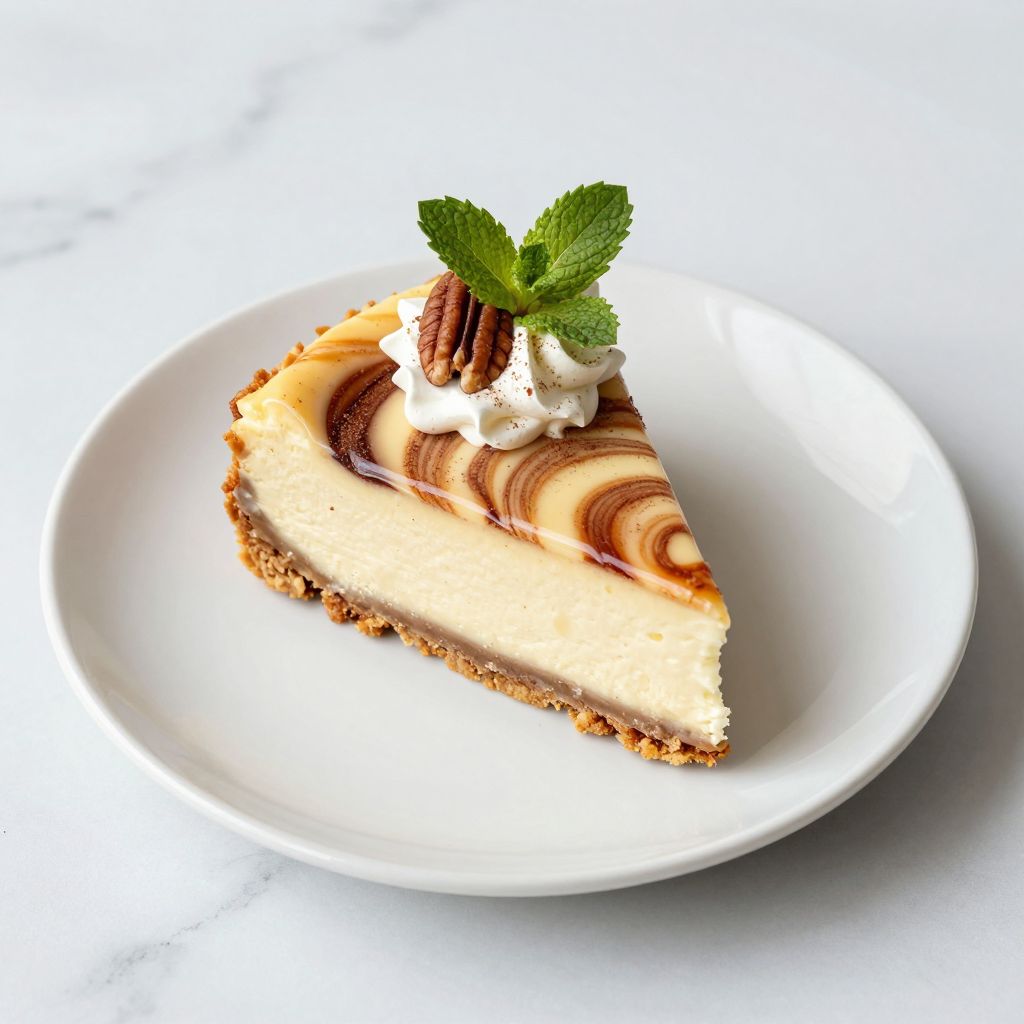
Picture this: the aroma of cinnamon and vanilla swirling through your kitchen while a creamy cheesecake bakes in the oven, promising something far more decadent than your typical morning pastry. Cinnamon roll cheesecake takes two beloved desserts and merges them into one showstopping creation that tastes like indulgence but feels approachable enough for home cooks to master.
This recipe delivers the comfort of warm cinnamon rolls paired with the rich, tangy luxury of cheesecake, all built on a sturdy graham cracker crust. The result is a dessert that impresses at dinner parties, satisfies cravings, and keeps beautifully in the fridge for days.
Why You’ll Love This Recipe
This dessert combines crowd-pleasing flavors in a format that looks restaurant-quality but comes together in your own kitchen. You get all the joy of cinnamon rolls with none of the fiddling and rolling.
- Rich, creamy cheesecake base infused with cinnamon and vanilla warmth
- Swirls of cinnamon sugar throughout every slice for visual appeal and texture contrast
- Graham cracker crust provides a sturdy, buttery foundation
- Make-ahead friendly: bake it days in advance and serve straight from the fridge
- Serves 12 to 16 people, making it perfect for feeding a crowd
My Experience Making This Recipe
The first time I baked this cheesecake, I was skeptical that swirling cinnamon sugar into cheesecake batter would actually work. Within minutes of pulling it from the oven, the kitchen smelled like a cinnamon roll factory, and my skepticism evaporated completely.
What surprised me most was how the cinnamon deepens as the cheesecake cools, creating layers of flavor that weren’t obvious in the raw batter. My family demolished half of it within two days, and I found myself baking it again the following weekend.
The texture stays creamy and dense when chilled, and the cinnamon swirls hold their definition beautifully through slicing. This is the kind of dessert that looks like you spent hours in the kitchen but actually requires straightforward mixing and baking.
Recipe Overview
- Recipe Name: Cinnamon Roll Cheesecake
- Servings: 12 to 16 slices
- Prep Time: 20 minutes
- Cook Time: 55 to 65 minutes
- Total Time: 3 hours 20 minutes (including cooling and chilling)
- Course: Dessert
- Cuisine: American
- Calories per Serving: 385 calories
Equipment You Will Need
- 9-inch springform pan
- Large mixing bowl
- Medium mixing bowl
- Electric mixer or whisk
- Measuring cups and spoons
- Rubber spatula
- Knife for swirling
- Roasting pan or larger baking dish (for water bath)
- Aluminum foil
- Instant-read thermometer (optional but helpful)
Ingredients for Cinnamon Roll Cheesecake
For the Graham Cracker Crust
- 2 cups graham cracker crumbs
- 1/4 cup granulated sugar
- 6 tablespoons melted butter
- 1/4 teaspoon salt
For the Cheesecake Filling
- 32 ounces cream cheese, room temperature
- 1 cup granulated sugar
- 1/4 cup all-purpose flour
- 2 teaspoons vanilla extract
- 1/2 teaspoon salt
- 4 large eggs, room temperature
- 1/2 cup sour cream
For the Cinnamon Swirl
- 1/3 cup granulated sugar
- 2 tablespoons ground cinnamon
- 2 tablespoons melted butter
Ingredient Notes and Substitutions
- Cream cheese at room temperature blends smoothly without lumps and creates a silky texture. Swap with mascarpone for a tangier result, though the texture will be slightly softer.
- All-purpose flour stabilizes the filling and prevents excessive cracking. Rice flour works as a substitute with identical results and keeps the recipe gluten-free.
- Sour cream adds tang and richness to the filling. Greek yogurt provides similar acidity and creaminess while reducing calories by about 30 per serving.
- Eggs must be room temperature to incorporate smoothly and create a uniform batter. Cold eggs can create lumps and dense spots in the finished cake.
- Ground cinnamon is essential for the swirl layer. Ceylon cinnamon has a sweeter, milder flavor if you prefer less spice punch, while cassia cinnamon delivers bold warmth.
How to Make Cinnamon Roll Cheesecake
Step 1: Prepare Your Pan and Preheat the Oven
Preheat your oven to 325 degrees Fahrenheit. Wrap the outside of a 9-inch springform pan with two layers of aluminum foil, making sure to seal the bottom and sides completely to prevent water from seeping in during the water bath.
Step 2: Make the Graham Cracker Crust
In a medium bowl, combine 2 cups graham cracker crumbs, 1/4 cup sugar, 6 tablespoons melted butter, and 1/4 teaspoon salt. Mix until the texture resembles wet sand.
Press this mixture firmly into the bottom of your prepared springform pan, using the bottom of a measuring cup to create an even, compact layer. This crust acts as a barrier and adds textural contrast to each slice.
Step 3: Beat the Cream Cheese
In a large bowl, beat 32 ounces of room-temperature cream cheese with an electric mixer on medium speed for about 2 to 3 minutes, until it becomes smooth and light. Scrape down the sides of the bowl several times during this process.
Working the cream cheese alone first incorporates air and prevents lumps that can ruin your final texture. This step is worth the extra minute.
Step 4: Add Sugar and Flour
Gradually add 1 cup sugar to the cream cheese while mixing on medium speed. Once combined, add 1/4 cup all-purpose flour and mix until just incorporated.
The flour prevents excessive cracking and helps the filling set properly during baking. Do not overmix at this stage, or you risk incorporating too much air and creating a fluffy rather than dense cheesecake.
Step 5: Incorporate Wet Ingredients
Add 2 teaspoons vanilla extract and 1/2 teaspoon salt to the mixture, stirring gently to combine. Then add 1/2 cup sour cream and fold it in with a rubber spatula until no streaks remain.
Sour cream adds the tangy backbone that elevates a standard cheesecake into something more complex. The acidity also helps prevent overbaking.
Step 6: Add the Eggs
Add the 4 room-temperature eggs one at a time, folding gently with a spatula after each addition. Make sure each egg is fully incorporated before adding the next one.
Cold eggs can cause the batter to break or create uneven cooking. Room-temperature eggs blend seamlessly and ensure a uniform texture throughout the finished cake.
Step 7: Create the Cinnamon Swirl
In a small bowl, stir together 1/3 cup sugar, 2 tablespoons ground cinnamon, and 2 tablespoons melted butter until you have a thick, spreadable paste. Pour half of the cheesecake batter into the prepared crust.
Drizzle or dollop half of the cinnamon mixture over this base layer, then add the remaining batter on top. Finish with the remaining cinnamon mixture on the surface.
Step 8: Swirl and Prepare for Water Bath
Using a knife or skewer, gently drag it through the layers in a figure-eight or zigzag pattern to create visible swirls. Do not overmix or the cinnamon will fully incorporate and lose its visual impact.
Place the springform pan inside a larger roasting pan. Pour hot water into the roasting pan until it reaches halfway up the sides of the springform pan, creating a water bath that ensures even, gentle heat.
Step 9: Bake the Cheesecake
Bake in your preheated 325-degree oven for 55 to 65 minutes. The cheesecake is done when the edges are set and slightly puffed but the center still jiggles very slightly when you gently shake the pan.
Do not bake until the center is completely firm or you will have an overbaked, cracked cheesecake. The residual heat continues cooking the center as it cools.
Step 10: Cool Gradually
Turn off the oven and crack the door open about 3 to 4 inches. Let the cheesecake sit in the warm oven for 1 hour.
This gradual cooling prevents the dramatic temperature shock that causes cracking. Many cheesecake failures happen in this final step when bakers remove the cake too quickly.
Step 11: Chill Thoroughly
Remove the cheesecake from the oven and let it cool to room temperature on the counter for another hour. Then refrigerate for at least 4 hours, preferably overnight, before slicing.
Chilling allows the flavors to deepen and the structure to fully set. A cold cheesecake also slices more cleanly than a warm one.
Pro Tip: Use a hot, wet knife to slice the cheesecake for clean edges; wipe the blade between each cut and redip it in hot water.
Tips for the Best Cinnamon Roll Cheesecake
- Use full-fat cream cheese and sour cream; reduced-fat versions contain more water and can make the filling grainy or cause cracking.
- Let all ingredients reach room temperature before mixing, especially eggs and cream cheese, to ensure smooth incorporation and even baking.
- Do not skip the water bath; it distributes heat evenly and prevents the edges from setting too quickly while the center remains undercooked.
- Crack the oven door during cooling to prevent the rapid temperature change that causes the classic cheesecake crater in the center.
- Make this dessert a day or two ahead; the flavors intensify and the texture becomes silkier after a night in the fridge.
- If your oven runs hot, place a baking sheet on the rack below the cheesecake to catch any water bath overflow and insulate from bottom heat.
Common Mistakes to Avoid
- Overmixing the batter after adding eggs incorporates excess air, leading to a puffy cake that cracks and deflates as it cools. Fold gently and stop as soon as ingredients are combined.
- Baking at too high a temperature causes the edges to set before the center is done, creating a cracked surface and dense texture. The low 325-degree temperature is crucial.
- Skipping the water bath results in uneven cooking, with the edges becoming dry while the center remains wet. The water distributes heat gently and evenly.
- Removing the cheesecake from the oven too quickly or exposing it to rapid temperature changes causes the characteristic crack down the middle. Gradual cooling is non-negotiable.
- Using cold cream cheese or eggs creates lumps and inconsistent texture throughout the finished cake. Always bring these to room temperature first.
Serving Suggestions
Serve slices at room temperature or directly from the fridge, depending on your preference for creaminess versus firmness. A warm slice melts on the tongue, while a cold slice offers cleaner definition of the cinnamon swirls.
- Drizzle with warm cream cheese frosting or a simple vanilla glaze for extra indulgence
- Top with crushed graham crackers or candied pecans for a textural contrast
- Serve with fresh whipped cream and a sprinkle of cinnamon for a bakery-style presentation
- Pair with strong black coffee or vanilla chai for a breakfast-inspired dessert course
- Accompany with a berry compote to add brightness and cut through the richness
Variations to Try
- Brown Butter Cinnamon: Toast the melted butter in the cinnamon swirl mixture until it browns and deepens in flavor, adding a subtle nuttiness that elevates the entire cake.
- Cream Cheese Frosting Swirl: Layer a tangy cream cheese frosting mixed with cinnamon between the batter layers for a dessert that tastes like biting into an actual cinnamon roll.
- Maple Cinnamon Version: Replace half the granulated sugar in the swirl with maple sugar, creating a deeper, more complex cinnamon roll flavor that borders on autumn spice.
- No-Bake Variation: Skip baking and use a mixture of whipped cream cheese, whipped cream, and crushed graham crackers layered with cinnamon sugar for a lighter, mousse-like texture in half the time.
- Mini Cheesecakes: Divide the batter among a muffin tin lined with cupcake liners for individual portions that bake in 20 to 25 minutes and offer portion control.
Dietary Adaptations
- Gluten-Free: Replace all-purpose flour with a 1:1 gluten-free flour blend and use gluten-free graham crackers for the crust; the texture will be nearly identical.
- Dairy-Free: Swap cream cheese for cashew-based cream cheese and use coconut cream instead of sour cream, though the flavor will shift slightly earthier.
- Vegan: Use silken tofu blended with cashew cream as a replacement for the filling and aquafaba (liquid from canned chickpeas) whisked stiff in place of eggs, accepting a lighter, less dense final product.
- Low-Carb or Keto: Use allulose or erythritol in place of all granulated sugar and substitute the graham cracker crust with a blend of almond flour, melted butter, and sweetener for a crust that keeps carbs under 5 per serving.
Storage and Reheating
Refrigerator
Store your cheesecake in an airtight container or cover the springform pan tightly with plastic wrap. It keeps safely for up to 5 days in the fridge.
- The flavors actually improve after the first day as the cinnamon deepens
- Keep it in the springform pan for the easiest serving and storage
Freezer
Cheesecake freezes exceptionally well when wrapped properly. Wrap the entire pan in plastic wrap, then layer with foil, and freeze for up to 3 months.
- Thaw overnight in the refrigerator before serving to avoid condensation on the surface
- Sliced cheesecake can be individually wrapped and thawed in about 2 hours at room temperature
Reheating
Cheesecake does not require reheating; serve it cold or at room temperature. If you prefer a slightly warm slice, let it sit on the counter for 15 to 20 minutes before eating.
- Never microwave cheesecake; it becomes rubbery and the texture suffers
- Leaving it at room temperature for an hour softens the center slightly and enhances creaminess
Nutrition Information
| Nutrient | Amount |
|---|---|
| Calories | 385 |
| Total Fat | 24g |
| Saturated Fat | 15g |
| Carbohydrates | 38g |
| Fiber | 0g |
| Sugar | 32g |
| Protein | 7g |
| Sodium | 320mg |
| Cholesterol | 95mg |
Nutritional values are estimates based on 14 servings and standard ingredient brands. Actual values vary based on specific products and serving size.
Frequently Asked Questions
Can I make this cheesecake without a water bath?
You can, but results suffer significantly. The water bath distributes heat gently and prevents the edges from overbaking while the center cooks through, reducing cracking and creating a creamy texture.
What if my cheesecake cracked?
A few small cracks are nearly invisible once you add toppings or when you cut slices. If cracks bother you, cover them with frosting, whipped cream, fruit, or a cinnamon swirl on top.
How far in advance can I bake this?
Bake it up to 3 days ahead and store it covered in the fridge. The cinnamon flavor actually deepens after a day, making it taste even better.
Cinnamon Roll Cheesecake

This cinnamon roll cheesecake takes two beloved desserts and merges them into one showstopping creation. It delivers the comfort of warm cinnamon rolls paired with the rich, tangy luxury of cheesecake, all built on a sturdy graham cracker crust. The result is a dessert that impresses at dinner parties, satisfies cravings, and keeps beautifully in the fridge for days.
- 9-inch springform pan
- Large mixing bowl
- Medium mixing bowl
- Electric mixer or whisk
- Measuring cups and spoons
- Rubber spatula
- Knife for swirling
- Roasting pan or larger baking dish
- Aluminum foil
Graham Cracker Crust
- 2 cups graham cracker crumbs
- 1/4 cup granulated sugar
- 6 tablespoons melted butter
- 1/4 teaspoon salt
Cheesecake Filling
- 32 ounces cream cheese (room temperature)
- 1 cup granulated sugar
- 1/4 cup all-purpose flour
- 2 teaspoons vanilla extract
- 1/2 teaspoon salt
- 4 large eggs (room temperature)
- 1/2 cup sour cream
Cinnamon Swirl
- 1/3 cup granulated sugar
- 2 tablespoons ground cinnamon
- 2 tablespoons melted butter
- Preheat your oven to 325 degrees Fahrenheit. Wrap the outside of a 9-inch springform pan with two layers of aluminum foil, making sure to seal the bottom and sides completely to prevent water from seeping in during the water bath.
- In a medium bowl, combine 2 cups graham cracker crumbs, 1/4 cup sugar, 6 tablespoons melted butter, and 1/4 teaspoon salt. Mix until the texture resembles wet sand.
- Press this mixture firmly into the bottom of your prepared springform pan, using the bottom of a measuring cup to create an even, compact layer.
- In a large bowl, beat 32 ounces of room-temperature cream cheese with an electric mixer on medium speed for about 2 to 3 minutes, until it becomes smooth and light. Scrape down the sides of the bowl several times during this process.
- Gradually add 1 cup sugar to the cream cheese while mixing on medium speed. Once combined, add 1/4 cup all-purpose flour and mix until just incorporated.
- Add 2 teaspoons vanilla extract and 1/2 teaspoon salt to the mixture, stirring gently to combine. Then add 1/2 cup sour cream and fold it in with a rubber spatula until no streaks remain.
- Add the 4 room-temperature eggs one at a time, folding gently with a spatula after each addition. Make sure each egg is fully incorporated before adding the next one.
- In a small bowl, stir together 1/3 cup sugar, 2 tablespoons ground cinnamon, and 2 tablespoons melted butter until you have a thick, spreadable paste.
- Pour half of the cheesecake batter into the prepared crust. Drizzle or dollop half of the cinnamon mixture over this base layer, then add the remaining batter on top. Finish with the remaining cinnamon mixture on the surface.
- Using a knife or skewer, gently drag it through the layers in a figure-eight or zigzag pattern to create visible swirls. Do not overmix or the cinnamon will fully incorporate and lose its visual impact.
- Place the springform pan inside a larger roasting pan. Pour hot water into the roasting pan until it reaches halfway up the sides of the springform pan, creating a water bath.
- Bake in your preheated 325-degree oven for 55 to 65 minutes. The cheesecake is done when the edges are set and slightly puffed but the center still jiggles very slightly when you gently shake the pan.
- Turn off the oven and crack the door open about 3 to 4 inches. Let the cheesecake sit in the warm oven for 1 hour.
- Remove the cheesecake from the oven and let it cool to room temperature on the counter for another hour. Then refrigerate for at least 4 hours, preferably overnight, before slicing.
- Use a hot, wet knife to slice the cheesecake for clean edges; wipe the blade between each cut and redip it in hot water.
Use full-fat cream cheese and sour cream for best results. Let all ingredients reach room temperature before mixing. Do not skip the water bath as it distributes heat evenly and prevents cracking. Make this dessert a day or two ahead as the flavors intensify after a night in the fridge. Store covered in the fridge for up to 5 days or freeze for up to 3 months.