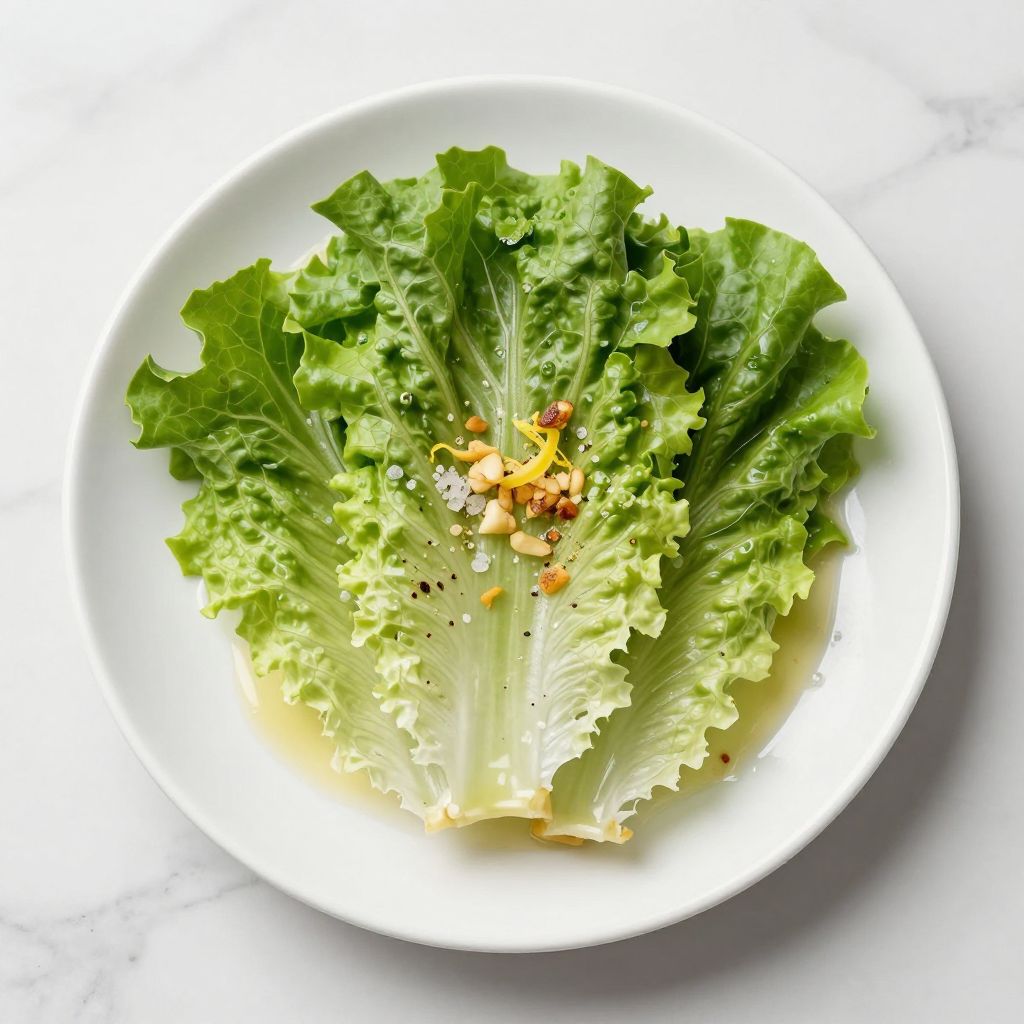
There’s something quietly magical about watching crisp lettuce transform into silky, tender greens in a hot pan with a little heat and fat. Wilted lettuce might sound like a sad salad mishap, but it’s actually a beloved cooking technique that brings out sweet, delicate flavors you never knew were hiding in those leaves.
This recipe celebrates simplicity at its finest, turning humble greens into a sophisticated side dish in under ten minutes. The magic happens when you apply gentle heat to soften the lettuce while keeping its natural flavor intact, making it perfect alongside roasted chicken, fish, or even creamy pasta.
What makes this dish shine is how the lettuce becomes buttery and tender without turning to mush, and how the aromatics meld into every leaf. Whether you’re cooking for yourself on a weeknight or impressing guests at dinner, you’ll find this straightforward technique opens up a whole new way to enjoy your greens.
Why You’ll Love This Recipe
This recipe delivers restaurant-quality results with ingredients you likely have on hand right now. The technique is foolproof once you understand the timing, and the whole dish comes together faster than you can set the table.
- Ready in under 10 minutes from start to finish
- Uses basic pantry staples like butter, garlic, and salt
- Works with any tender lettuce variety
- Pairs beautifully with almost any main protein
- Naturally low in calories and packed with vitamins
My Experience Making This Recipe
I first learned to make wilted lettuce from my grandmother, who treated it like a secret weapon for transforming sad salad greens before they went bad. She’d toss handfuls of butter lettuce into a hot pan with a whisper of garlic, and within minutes, something completely different emerged on the plate.
The first time I made it for myself, I was shocked at how the texture shifted from crisp to silky, and how the lettuce actually tasted sweeter after cooking. My partner took one bite and asked if I’d changed the lettuce variety, not realizing it was the same humble head I’d bought three days earlier.
Now I make this whenever I want a vegetable side that feels elegant but requires zero fussing. Guests always ask what I did to make the lettuce taste so good, and the answer is always the same: nothing fancy, just heat, fat, and a little patience.
Recipe Overview
- Recipe Name: Wilted Lettuce
- Servings: 4
- Prep Time: 5 minutes
- Cook Time: 5 minutes
- Total Time: 10 minutes
- Course: Side Dish
- Cuisine: French-inspired
- Calories per Serving: 95
Equipment You Will Need
- Large skillet or saute pan
- Cutting board
- Sharp chef’s knife
- Wooden spoon or silicone spatula
- Measuring spoons
- Colander (optional, for washing)
Ingredients for Wilted Lettuce
- 1 large head butter lettuce or romaine, roughly chopped (about 8 cups)
- 3 tablespoons unsalted butter
- 4 cloves garlic, minced
- 1/4 teaspoon fine sea salt
- 1/8 teaspoon freshly cracked black pepper
- 2 tablespoons vegetable or chicken broth (optional, for added moisture)
- Pinch of nutmeg (optional, for depth)
Ingredient Notes and Substitutions
- Butter adds richness and helps carry flavor into every leaf. If you prefer a lighter version, use olive oil instead, though the dish will taste less creamy and more herbaceous.
- Garlic infuses the dish with savory depth and prevents blandness. You can swap this for shallots if you want a milder, slightly sweet onion flavor.
- Sea salt enhances all the natural flavors in the lettuce. Kosher salt works just as well, but use slightly less because the crystals are larger.
- Broth adds subtle moisture and keeps the lettuce tender without drying out. Water works fine if you don’t have broth on hand, though the flavor will be less complex.
- Butter lettuce is ideal because its tender leaves wilt beautifully without falling apart. Romaine, spinach, or even Swiss chard work well, though chard takes slightly longer to cook.
How to Make Wilted Lettuce
Step 1: Prepare Your Lettuce
Rinse your lettuce under cool running water and pat it completely dry with paper towels or a clean kitchen cloth. Moisture is the enemy of proper wilting because it creates steam instead of allowing the pan to do its work, and wet lettuce won’t brown properly or develop flavor.
Rough chop the lettuce into bite-sized pieces, leaving some texture rather than chopping it too fine. You want pieces large enough to feel like a vegetable dish, not small enough to look like lettuce soup.
Step 2: Mince the Garlic
Mince your garlic cloves into small, even pieces so they cook uniformly and distribute their flavor throughout the dish. Uneven pieces will burn on the outside before the larger chunks finish cooking, creating bitter spots in your finished dish.
Step 3: Heat Your Pan
Place a large skillet over medium-high heat and let it warm for about 30 seconds until it’s hot but not smoking. A properly heated pan is crucial because you want the pan to be hot enough to wilt the lettuce quickly without cooking it into submission.
Step 4: Melt the Butter and Toast the Garlic
Add your butter to the hot pan and let it melt completely, swirling the pan so it coats the bottom evenly. Once the butter is foaming, immediately add your minced garlic and stir constantly for about 20 to 30 seconds until it becomes fragrant but not browned.
This brief toasting mellows the raw garlic bite and releases its essential oils into the butter, creating a flavorful base for your greens. You want to stop before the garlic turns golden because even a moment too long will make it bitter and sharp.
Step 5: Add Half the Lettuce
Pour about half of your chopped lettuce into the pan and stir with a wooden spoon, tossing it in the hot butter and garlic. This initial batch will seem like a massive pile, but it shrinks dramatically as it heats.
Keep stirring for about 1 to 2 minutes, allowing the lettuce to soften and begin releasing its moisture into the pan. You’re looking for the leaves to start looking limp and translucent, not completely collapsed.
Step 6: Add the Remaining Lettuce
Once the first batch has wilted enough to make room, add the remaining lettuce to the pan and continue stirring gently. The pan will temporarily overflow with greens again, but they’ll continue to shrink as they heat through.
Step 7: Season and Finish Cooking
Sprinkle the salt and black pepper over the lettuce and stir well to distribute the seasonings evenly. If you’re using broth or nutmeg, add those now and stir for another 30 seconds to a minute until everything is combined and the lettuce is completely tender.
The lettuce should look silky and dark green, with no raw-looking patches remaining. The whole cooking process from adding the first lettuce to finishing should take about 3 to 5 minutes total.
Step 8: Taste and Adjust
Remove the pan from heat and take a quick taste of the wilted lettuce. If it needs more salt or pepper, add a small pinch and stir through quickly while the pan is still hot.
Transfer your wilted lettuce to a serving dish immediately while it’s still warm and at its best texture. Letting it sit in the hot pan risks overcooking it and turning it mushy or releasing too much liquid.
Pro Tip: Don’t overcrowd your pan with lettuce at the start if you’re doubling the recipe. Work in batches or use two pans instead, because overcrowding drops the pan temperature and causes the lettuce to steam rather than wilt, making it soggy instead of silky.
Tips for the Best Wilted Lettuce
- Dry your lettuce thoroughly after washing because water prevents proper heat transfer and creates steam that makes the greens soggy. Use a salad spinner or pat everything down with clean paper towels.
- Keep your heat at medium-high rather than cranking it to maximum, because excessively high heat can burn the garlic and butter before the lettuce finishes wilting. The sweet spot is hot enough for quick cooking but gentle enough to avoid scorching.
- Don’t stir constantly once you’ve added all the lettuce, or you’ll break down the leaves too much and end up with a mushy texture. A gentle toss every 20 to 30 seconds is plenty to ensure even cooking.
- Add a squeeze of fresh lemon juice or a splash of good vinegar at the very end for a bright, acidic note that cuts through the richness of the butter. This single addition transforms the dish from simple to sophisticated.
- Taste your lettuce before adding more salt because lettuce already contains some natural sodium, and you can always add more seasoning but you can’t remove it. Start with less and build up to your preference.
- Serve the wilted lettuce immediately while it’s still warm and silky, because it continues to release moisture and soften as it sits, eventually becoming limp and unappetizing.
Common Mistakes to Avoid
- Cooking the lettuce on too high heat causes the garlic to burn and the exterior leaves to scorch before the interior ones finish wilting. This creates bitter, unpleasant flavors that overpower the delicate taste of the greens.
- Adding wet lettuce to the pan steams the greens instead of wilting them, resulting in a limp, mushy texture and weak flavor. Always dry your lettuce completely before cooking.
- Overcooking the lettuce by stirring too much or leaving it on the heat too long breaks down the cell structure and turns it into a collapsed, watery mess. The entire process should take only 5 minutes from first lettuce to serving dish.
- Skipping the garlic toasting step and adding it simultaneously with the lettuce results in raw, harsh garlic flavor that dominates the dish. Those 20 seconds of pre-cooking are essential for mellowing and developing the garlic’s sweetness.
- Using cold butter instead of letting it melt and foam first prevents even cooking and heat distribution. The foaming action is a sign the butter is ready to accept the garlic and then the lettuce.
Serving Suggestions
Wilted lettuce shines as a vegetable side next to almost any protein, adding elegance to your plate without requiring extra effort. The tender, buttery greens complement rich mains like salmon or steak beautifully, and also balance lighter dishes like roasted chicken or white fish.
- Serve alongside herb-crusted roasted salmon for a restaurant-quality dinner
- Pair with creamy pasta dishes to add a vegetable element that doesn’t feel heavy
- Use as an elegant side for holiday roasts and special occasion meats
- Serve under a perfectly seared steak to absorb the meat’s flavorful juices
- Combine with roasted potatoes for a complete French-style dinner plate
Variations to Try
- Creamy Wilted Lettuce: Add a splash of heavy cream or creme fraiche in the final minute of cooking for a luxurious, silky texture. This transforms the dish into something rich enough to serve with simpler proteins like baked chicken breast.
- Asian-Style Wilted Lettuce: Replace the garlic-butter base with sesame oil and minced ginger, then finish with a splash of soy sauce and a sprinkle of sesame seeds. This version pairs beautifully with Asian-inspired mains and feels completely different from the classic version.
- Bacon and Wilted Lettuce: Cook chopped bacon until crispy, remove it from the pan, and use the rendered fat instead of butter to cook the lettuce, then toss the bacon back in at the end. The smoky, salty bacon elevates this side dish into something more substantial.
- Wilted Lettuce with Anchovies: Mince a few anchovies and cook them with the garlic in the butter, which adds a subtle salty, umami depth. This version works especially well if you’re serving the wilted lettuce alongside fish or seafood.
- Wilted Lettuce with Caramelized Onions: Skip the plain garlic and instead cook sliced onions in butter until they’re sweet and golden, then add the lettuce to finish. This variation takes longer but delivers a sweeter, more complex flavor profile.
Dietary Adaptations
- Gluten-free: This recipe is naturally gluten-free, but verify your broth is certified gluten-free if you use store-bought. No ingredient adjustments are necessary.
- Dairy-free: Substitute olive oil or avocado oil for the butter in equal amounts, though the dish will taste less rich and more herbaceous. The cooking technique remains exactly the same.
- Vegan: Use dairy-free butter or high-quality olive oil instead of regular butter, and use vegetable broth for the optional liquid. The flavor profile shifts slightly but remains delicious.
- Low-carb or keto: This recipe is excellent as written because lettuce is very low in carbs and butter is keto-friendly. A single serving contains less than 2 grams of net carbs.
Storage and Reheating
Refrigerator
Wilted lettuce is best served immediately, but leftovers will keep in an airtight container for up to 2 days in the refrigerator. The texture will soften further and the greens will release more liquid as they sit, but they’ll still taste good.
- Store in an airtight container to prevent the lettuce from absorbing fridge odors
- Drain excess liquid before reheating if a lot has accumulated
- Don’t store for longer than 2 days because the greens deteriorate in quality
Freezer
Freezing wilted lettuce is not recommended because the texture becomes mushy and unpleasant when thawed. The ice crystals that form during freezing break down the delicate leaves beyond recovery.
- This recipe doesn’t freeze well, so it’s best made fresh
- If you have leftovers, eat them within 2 days rather than attempting to freeze
Reheating
To reheat leftover wilted lettuce, place it in a skillet over medium heat and warm through for 1 to 2 minutes, stirring gently until it’s hot. Avoid microwaving because the uneven heating makes the greens texture even mushier.
- Add a small amount of butter or broth if the lettuce seems dry
- Taste and adjust seasoning before serving because some salt flavor may have dissipated
- Keep reheating time brief to prevent the lettuce from breaking down further
Nutrition Information
| Nutrient | Amount |
|---|---|
| Calories | 95 |
| Total Fat | 9g |
| Saturated Fat | 5.5g |
| Carbohydrates | 3g |
| Fiber | 1.5g |
| Sugar | 0.5g |
| Protein | 1.5g |
| Sodium | 185mg |
| Cholesterol | 23mg |
These values are approximate and based on USDA standard data for butter lettuce and unsalted butter. Individual nutrition will vary slightly depending on your exact ingredients and portion sizes.
Frequently Asked Questions
Can I Make Wilted Lettuce Ahead of Time?
Wilted lettuce is best made fresh because it continues to soften and release liquid as it sits. If you need to prep ahead, chop and wash your lettuce earlier in the day, then cook it right before serving for the best texture.
What Type of Lettuce Works Best?
Butter lettuce, romaine, and bibb lettuce all work beautifully because their tender leaves wilt quickly without falling apart. Avoid crispy varieties like iceberg because they’re too sturdy and won’t develop the silky texture you’re after.
Can I Use Garlic Powder Instead of Fresh Garlic?
Fresh garlic is much better because it develops a sweet, mellow flavor when toasted in butter, while garlic powder tends to taste dusty and one-dimensional. If you only have powder, use one-quarter teaspoon and add it with the salt rather than toasting it in the butter.
Why Did My Lettuce Turn Out Watery?
Watery lettuce usually means you didn’t dry it thoroughly before cooking, or you overcooked it past the silky stage. Make sure your lettuce is completely dry before it enters the pan, and serve it immediately once it’s tender.
Can I Cook This Recipe in a Smaller Skillet?
You can, but you may need to work in batches because overcrowding the pan drops the temperature and causes steaming instead of wilting. A large 12-inch skillet gives you plenty of room to toss the lettuce without having it overflow.
What Should I Do If My Garlic Burns?
If your garlic turns dark or smells burnt, dump it out and start over with fresh butter and minced garlic rather than salvaging the batch. Burnt garlic tastes bitter and will
Wilted Lettuce

This recipe celebrates simplicity at its finest, turning humble greens into a sophisticated side dish in under ten minutes. The magic happens when you apply gentle heat to soften the lettuce while keeping its natural flavor intact, creating buttery and tender greens that pair perfectly alongside roasted chicken, fish, or creamy pasta.
- Large skillet or saute pan
- Cutting board
- Sharp chef’s knife
- Wooden spoon or silicone spatula
- Measuring spoons
- Colander (optional, for washing)
Main
- 1 large head butter lettuce or romaine (roughly chopped (about 8 cups))
- 3 tablespoons unsalted butter
- 4 cloves garlic (minced)
- 1/4 teaspoon fine sea salt
- 1/8 teaspoon freshly cracked black pepper
- 2 tablespoons vegetable or chicken broth (optional, for added moisture)
- Pinch of nutmeg (optional, for depth)
- Rinse your lettuce under cool running water and pat it completely dry with paper towels or a clean kitchen cloth. Rough chop the lettuce into bite-sized pieces, leaving some texture rather than chopping it too fine.
- Mince your garlic cloves into small, even pieces so they cook uniformly and distribute their flavor throughout the dish.
- Place a large skillet over medium-high heat and let it warm for about 30 seconds until it’s hot but not smoking.
- Add your butter to the hot pan and let it melt completely, swirling the pan so it coats the bottom evenly. Once the butter is foaming, immediately add your minced garlic and stir constantly for about 20 to 30 seconds until it becomes fragrant but not browned.
- Pour about half of your chopped lettuce into the pan and stir with a wooden spoon, tossing it in the hot butter and garlic. Keep stirring for about 1 to 2 minutes, allowing the lettuce to soften and begin releasing its moisture into the pan.
- Once the first batch has wilted enough to make room, add the remaining lettuce to the pan and continue stirring gently.
- Sprinkle the salt and black pepper over the lettuce and stir well to distribute the seasonings evenly. If you’re using broth or nutmeg, add those now and stir for another 30 seconds to a minute until everything is combined and the lettuce is completely tender.
- Remove the pan from heat and taste the wilted lettuce. If it needs more salt or pepper, add a small pinch and stir through quickly while the pan is still hot.
- Transfer your wilted lettuce to a serving dish immediately while it’s still warm and at its best texture. Serve immediately.
Don’t overcrowd your pan with lettuce at the start if you’re doubling the recipe. Work in batches or use two pans instead, because overcrowding drops the pan temperature and causes the lettuce to steam rather than wilt, making it soggy instead of silky. Dry your lettuce thoroughly after washing because water prevents proper heat transfer. Add a squeeze of fresh lemon juice at the very end for a bright, acidic note that cuts through the richness of the butter.