
Picture a sun-drenched kitchen filled with the sweet scent of simmering fruit. Making your own candied fruit is like capturing summer’s essence in a jar, a delightful treat that feels a bit nostalgic and a whole lot satisfying.
This recipe is special because it transforms ordinary fruit into something extraordinary with just a few simple steps. You’ll love the combination of sweet, chewy texture and vibrant flavors that can brighten up any dish or stand alone as a snack.
Why You’ll Love This Recipe
Homemade candied fruit is a delightful addition to your pantry. It adds a burst of flavor to desserts and breakfast dishes.
- Customizable with your favorite fruits.
- Perfect for gifting or special occasions.
- Great for adding a unique twist to baked goods.
- Simple ingredients that create complex flavors.
My Experience Making This Recipe
When I first made candied fruit, I was amazed at how easy it was to transform everyday fruit into something festive. The vibrant colors and tantalizing aromas filled my kitchen, and I couldn’t resist sneaking a piece or two.
Sharing my homemade candied fruit with friends brought smiles and compliments, making every bit of effort worth it. It’s become a cherished recipe that I revisit often, especially around the holidays.
Recipe Overview
- Recipe Name: Candied Fruit
- Servings: 10
- Prep Time: 15 minutes
- Cook Time: 1 hour
- Total Time: 1 hour 15 minutes
- Course: Snack/Dessert
- Cuisine: Various
- Calories per Serving: 120
Equipment You Will Need
- Medium saucepan
- Wooden spoon
- Sharp knife
- Cutting board
- Baking sheet
- Parchment paper
Ingredients for Candied Fruit
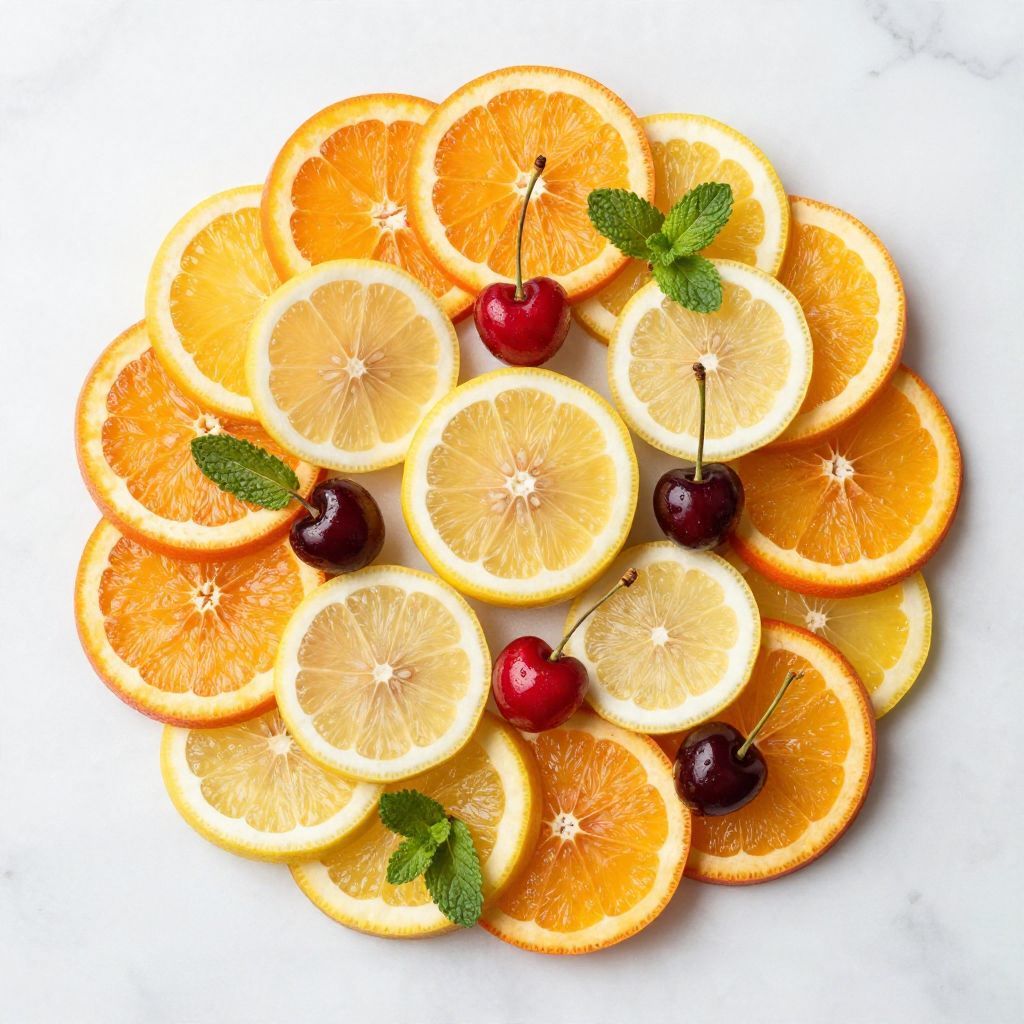
- 2 cups of your choice of fruit (like oranges, lemons, or cherries)
- 1 cup granulated sugar
- 1 cup water
- 1/2 teaspoon lemon juice
- 1/2 teaspoon vanilla extract (optional)
Ingredient Notes and Substitutions
- Fruit: Fresh or dried fruit works well, adding natural sweetness and flavor. Dried fruit can be used for a quicker process.
- Sugar: Granulated sugar is best for a classic candy texture. You can use brown sugar for a deeper flavor.
- Lemon Juice: It brightens the flavor and helps preserve the color. Vinegar can be a substitute, but will alter the taste.
- Vanilla Extract: Adds an extra layer of flavor. Feel free to skip it for a more straightforward taste.
How to Make Candied Fruit
Step 1: Prepare the Fruit
Begin by washing and drying your chosen fruit. This ensures you remove any dirt and pesticides, leading to a cleaner final product.
Step 2: Slice the Fruit
Cut the fruit into even pieces to ensure uniform cooking. Even pieces will cook at the same rate, preventing some from becoming too soft while others remain crunchy.
Step 3: Create the Syrup
In a medium saucepan, combine the sugar, water, and lemon juice. Heat over medium until the sugar dissolves, forming a syrup that will coat the fruit beautifully.
Step 4: Add the Fruit
Gently add the fruit slices to the syrup. Stir carefully to coat them evenly without breaking the fruit apart.
Step 5: Simmer
Allow the fruit to simmer in the syrup for about 45 minutes to an hour. This slow cooking process helps infuse the flavors and transforms the texture.
Step 6: Drain the Fruit
Once the fruit is tender and translucent, remove it from the heat. Drain the fruit in a colander to get rid of excess syrup.
Step 7: Dry the Fruit
Spread the drained fruit onto a baking sheet lined with parchment paper. Let them dry at room temperature for several hours or overnight for the best texture.
Step 8: Store the Candied Fruit
Once dry, store the candied fruit in an airtight container. This keeps them fresh and prevents them from becoming sticky.
Pro Tip: For a more intense flavor, try using spices like cinnamon or nutmeg in the syrup!
Tips for the Best Candied Fruit
- Use ripe fruit for the best flavor; underripe fruit won’t have the same sweetness.
- Don’t rush the simmering process; low and slow yields the best texture.
- Experiment with different fruits for variety; they all bring their unique tastes.
- Make sure to use a non-reactive pan to avoid any metallic tastes in the syrup.
- Store in a cool, dry place to maintain the best texture and flavor.
Common Mistakes to Avoid
- Using overripe fruit can lead to mushy results; stick to firm fruit for better texture.
- Not stirring enough can cause the sugar to crystallize, ruining the candy.
- Skipping the drying step will leave the fruit sticky and hard to handle.
- Not using enough syrup can lead to uneven coating; make sure the fruit is well-covered.
Serving Suggestions
These delightful treats can be enjoyed in a variety of ways. From topping on cakes to snacking straight from the jar, the possibilities are endless.
- Add to oatmeal or yogurt for a sweet breakfast boost.
- Use as a garnish for cocktails or festive drinks.
- Mix into cookie dough for a fruity surprise.
- Include in a charcuterie board for a colorful touch.
Variations to Try
- Mango and chili powder for a sweet and spicy treat.
- Pineapple with coconut for a tropical twist.
- Grapefruit for a tangy, refreshing option.
- Spiced apple slices with cinnamon for a warm flavor.
Dietary Adaptations
- Gluten-Free: This recipe is naturally gluten-free; no adjustments needed.
- Dairy-Free: No dairy is used, making it suitable for all diets.
- Vegan: All ingredients are plant-based; perfect for vegan diets.
- Low-Carb/Keto: Use sugar substitutes like erythritol to lower carbs.
Storage and Reheating
Refrigerator
Store candied fruit in an airtight container in the fridge. This can help prolong freshness.
- Keep in a cool area to maintain texture.
- Use within a month for best flavor.
Freezer
Candied fruit can be frozen for longer storage. Just make sure they are well-wrapped.
- Use freezer-safe containers or bags.
- Thaw in the fridge before use for best results.
Reheating
No reheating is necessary; enjoy them at room temperature. They retain their flavor and texture well.
Nutrition Information
| Nutrient | Amount |
|---|---|
| Calories | 120 |
| Total Fat | 0g |
| Saturated Fat | 0g |
| Carbohydrates | 31g |
| Fiber | 1g |
| Sugar | 30g |
| Protein | 0g |
| Sodium | 1mg |
| Cholesterol | 0mg |
This nutritional information is approximate and can vary based on the specific fruit and quantities used.
Frequently Asked Questions
Can I use frozen fruit for this recipe?
Frozen fruit can work, but it’s best to thaw and drain excess moisture before proceeding. This helps avoid a watery syrup.
How long does homemade candied fruit last?
When stored properly, it can last up to a month in the refrigerator. Freezing extends the shelf life even further.
Can I make this ahead of time?
Absolutely! Candied fruit is a great make-ahead treat. Just store it in an airtight container until you’re ready to use it.
What can I do if the syrup crystallizes?
If crystallization occurs, reheat the syrup gently and stir until it dissolves again. Avoid stirring too vigorously while it simmers.
Can I adjust the sweetness?
Yes, you can reduce the sugar for a less sweet version, but this may affect the texture. Experiment to find what you like best!
Final Thoughts
Making your own candied fruit is a rewarding experience that brings a touch of sweetness to your life. It’s a delightful way to enjoy fruit and impress your friends with your culinary skills.
So gather your ingredients and get started on this delicious project. You’ll be glad you did!
If you’re looking for more ways to enjoy fruits, check out my candied yams with marshmallows recipe or try making candied walnuts for another sweet treat.
Candied Fruit
Ingredients
Equipment
Method
- Wash and dry your chosen fruit.
- Cut the fruit into even pieces.
- In a medium saucepan, combine the sugar, water, and lemon juice. Heat over medium until the sugar dissolves.
- Gently add the fruit slices to the syrup. Stir carefully to coat them evenly.
- Allow the fruit to simmer in the syrup for about 45 minutes to an hour.
- Once the fruit is tender and translucent, remove it from the heat and drain in a colander.
- Spread the drained fruit onto a baking sheet lined with parchment paper and let them dry at room temperature for several hours or overnight.
- Once dry, store the candied fruit in an airtight container.