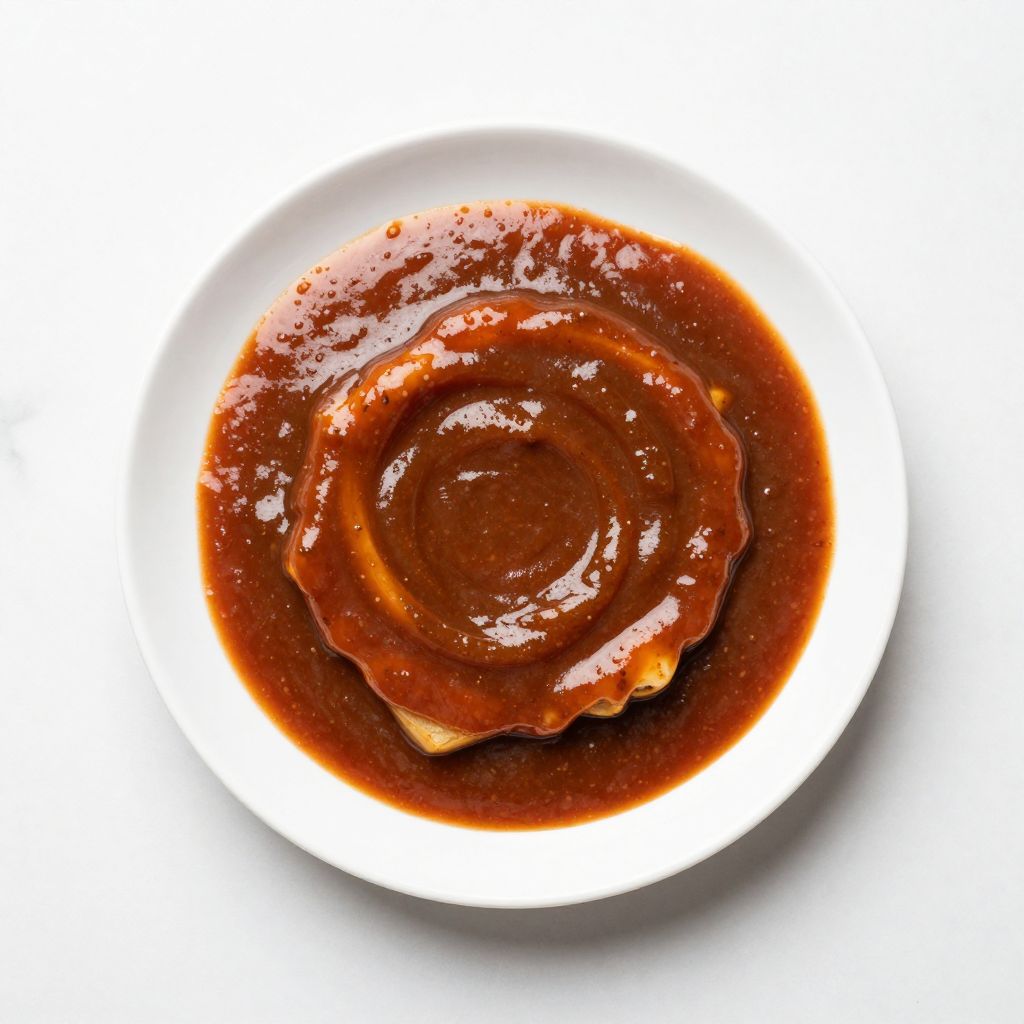
The smell of smoke and sizzling meat over an open flame hits different when you’ve got a sauce that actually makes people stop and ask for the recipe.
Campfire sauce is that perfect blend of sweet, tangy, and smoky that works on everything from grilled chicken to hot dogs, and it comes together faster than you can say “pass the skewers.”
What makes this sauce special is how it balances brown sugar’s caramel sweetness with vinegar’s sharp bite, all wrapped up in a smoky depth that makes you feel like you’ve been tending a fire all day (even if you’ve only been cooking for twenty minutes).
You’ll make a batch once and find yourself reaching for it all summer long.
Why You’ll Love This Recipe
This sauce hits every note you want from a grilling companion without any fussy steps or hard-to-find ingredients.
- Ready in under 15 minutes with minimal active cooking time
- Works on chicken, beef, pork, ribs, and vegetables with equal confidence
- Sweet-smoky-tangy flavor profile that complements rather than overpowers meat
- Doubles or triples easily for feeding a crowd
- Stores beautifully for weeks, so you can make ahead
My Experience Making This Recipe
I first made this sauce on a camping trip in the mountains, working with whatever condiments we’d packed and a cast iron skillet balanced over hot coals.
The result was so good that my brother literally abandoned his hot dog mid-bite to watch the second batch simmer down, which tells you something about its power.
Since then I’ve refined the proportions to get that smoke-to-sweetness ratio just right, and I’ve tested it on every protein I could reasonably grill.
Recipe Overview
- Recipe Name: Campfire Sauce
- Servings: Makes about 1 cup (16 servings of 1 tablespoon each)
- Prep Time: 5 minutes
- Cook Time: 10 minutes
- Total Time: 15 minutes
- Course: Condiment
- Cuisine: American BBQ
- Calories per Serving: 45 calories
Equipment You Will Need
- Small saucepan (2 to 3 quart capacity)
- Wooden spoon or heatproof spatula for stirring
- Measuring spoons and measuring cups
- Whisk (optional but helpful)
- Glass jar or airtight container for storage
Ingredients for Campfire Sauce
- Ketchup: 3/4 cup
- Brown sugar: 1/4 cup packed
- Apple cider vinegar: 3 tablespoons
- Worcestershire sauce: 2 tablespoons
- Smoked paprika: 1 teaspoon
- Garlic powder: 1/2 teaspoon
- Onion powder: 1/2 teaspoon
- Black pepper: 1/4 teaspoon
- Salt: 1/4 teaspoon
- Liquid smoke: 1/2 teaspoon (optional but recommended)
Ingredient Notes and Substitutions
- Ketchup: This is your sauce base and brings sweetness and body. If you hate store-bought ketchup, use tomato paste mixed with a bit of sugar, though the texture and flavor profile will shift slightly.
- Brown sugar: Creates the caramel notes that make this sauce sing. Honey or maple syrup can substitute, but use 3 tablespoons instead of 1/4 cup and expect a thinner sauce.
- Apple cider vinegar: The tang that balances sweetness and adds complexity. Red wine vinegar or distilled vinegar work in a pinch, though they taste sharper and less fruity.
- Smoked paprika: Delivers the campfire smoke note without needing actual smoke. Regular paprika loses that smoky depth, so don’t swap these one-to-one.
- Liquid smoke: Optional, but it’s the secret weapon for that authentic campfire taste. Skip it only if you’re grilling over actual wood smoke.
How to Make Campfire Sauce
Step 1: Gather and Measure All Ingredients
Set out all your ingredients before you start cooking so nothing gets forgotten mid-simmer.
This takes thirty seconds and prevents that sinking feeling when you realize you forgot the garlic powder halfway through.
Step 2: Pour Ketchup Into the Saucepan
Add the ketchup to your saucepan and set it over medium heat.
Using medium instead of high heat keeps the sauce from scorching on the bottom, which would add a bitter burnt taste that no amount of fixing can recover from.
Step 3: Add Brown Sugar and Vinegar
Stir in the packed brown sugar and apple cider vinegar, mixing well to dissolve the sugar.
You should see the mixture lighten slightly as the vinegar mixes in and the brown sugar breaks down.
Step 4: Incorporate Worcestershire Sauce
Add the Worcestershire sauce and stir to combine thoroughly.
This adds umami depth and a slight fermented tang that makes people wonder what the secret ingredient is.
Step 5: Add the Dry Spices
Sprinkle in the smoked paprika, garlic powder, onion powder, and black pepper while stirring constantly.
Stirring while adding dry spices prevents little flavor pockets from forming and keeps the sauce smooth and evenly spiced.
Step 6: Season With Salt and Liquid Smoke
Add the salt and liquid smoke, stirring until everything is fully combined.
The liquid smoke should distribute evenly throughout, giving you that campfire character in every spoonful.
Step 7: Simmer the Sauce
Bring the mixture to a gentle simmer, then reduce heat to medium-low and let it bubble softly for 8 to 10 minutes.
The simmering time lets all the flavors marry together and allows the sauce to thicken slightly as some liquid reduces.
Step 8: Taste and Adjust
Remove from heat and taste a small spoonful once it cools for a few seconds.
Need more sweetness? Add brown sugar one tablespoon at a time and stir well. Need more tang? A splash of vinegar fixes it. Want it smokier? A few drops more liquid smoke does the job.
Pro Tip: Let the sauce cool to room temperature before tasting for final adjustments, since hot sauce tastes different than cooled sauce and you might add more seasoning than you actually need.
Tips for the Best Campfire Sauce
- Use actual smoked paprika, not regular paprika, because that smoky note is what separates this from a basic BBQ sauce.
- Don’t skip the simmering step, as it’s when the flavors actually blend rather than just sitting next to each other in a jar.
- Make a double batch and store it in the fridge so you always have sauce ready for unexpected grilling moments.
- If you like things spicier, add cayenne pepper or hot sauce a pinch at a time until you hit your heat level.
- For a chunkier texture, add minced garlic and onion in the last minute of cooking instead of using powder.
Common Mistakes to Avoid
- Cooking on high heat causes the bottom to burn before the flavors properly blend, leaving you with a slightly bitter sauce that tastes cooked rather than balanced.
- Skipping the liquid smoke makes it taste like a regular condiment rather than something special that actually tastes like it was made over a fire.
- Not tasting as you go means you might over-salt or make it too sweet with no easy way to fix it once it’s cooled.
- Adding all the dry spices at once without stirring can create little clumps that don’t dissolve, leading to unexpected flavor bursts instead of smooth sauce.
- Bottling the sauce while it’s still hot can lead to condensation in the jar and mold developing over time in storage.
Serving Suggestions
This sauce is your secret weapon for transforming basic grilled items into something memorable, and it works equally well as a dipping sauce or a finishing glaze.
- Brush on chicken breasts or thighs in the last few minutes of grilling for a sticky, caramelized finish
- Dollop onto grilled burgers and hot dogs for that campfire concession stand flavor
- Toss with pulled pork or brisket as a finishing sauce
- Serve alongside grilled vegetables like corn and peppers as a dipping sauce
- Use as a base for glazed ribs, applying in the final 10 minutes of cooking
Variations to Try
- Spicy Campfire Sauce: Add 1/4 teaspoon cayenne pepper and 1 tablespoon hot sauce for a version that brings heat without losing the sweet balance.
- Maple Campfire Sauce: Replace brown sugar with 3 tablespoons pure maple syrup for a deeper, more autumnal flavor that works especially well on pork.
- Bourbon Campfire Sauce: Stir in 2 tablespoons bourbon whiskey during the last minute of cooking for a smoky, slightly boozy edge that appeals to grown-up palates.
- Mustard-Forward Version: Replace 1/4 cup of the ketchup with yellow mustard for tanginess that pushes the vinegar notes forward and creates a more savory sauce.
- Pineapple Campfire Sauce: Add 3 tablespoons pineapple juice and 2 tablespoons minced fresh pineapple for tropical sweetness that pairs beautifully with ham or ribs.
Dietary Adaptations
- Gluten-Free: Most ketchup and Worcestershire sauce are gluten-free, but check labels as some brands sneak wheat in. Use certified gluten-free Worcestershire if needed, with no change to measurements.
- Dairy-Free: This recipe is naturally dairy-free with no swaps required, making it safe for anyone avoiding milk products.
- Vegan: Standard ketchup and most Worcestershire sauces work fine, though some Worcestershire contains anchovies. Look for vegan Worcestershire or use soy sauce in equal measure.
- Low-Carb/Keto: Replace brown sugar and ketchup with sugar-free versions and use erythritol or monk fruit sweetener instead, though expect a different flavor profile.
Storage and Reheating
Refrigerator
Store the cooled sauce in an airtight glass jar or container for up to three weeks.
- The flavors actually deepen slightly over the first few days as ingredients continue melding
- If you notice any mold or smell anything off, discard the entire batch
Freezer
This sauce freezes beautifully for up to three months in a freezer-safe container or even ice cube trays for portion control.
- Thaw overnight in the refrigerator rather than on the counter
- Frozen sauce may separate slightly when thawed, so give it a good stir to recombine
Reheating
Warm the sauce gently in a saucepan over low heat or microwave in 30-second bursts, stirring between each burst to heat evenly.
- Don’t let it boil or the flavors can flatten
- If it thickened too much in storage, stir in a teaspoon of water or vinegar to loosen it back up
Nutrition Information
| Nutrient | Amount |
|---|---|
| Calories | 45 |
| Total Fat | 0g |
| Saturated Fat | 0g |
| Carbohydrates | 11g |
| Fiber | 0g |
| Sugar | 9g |
| Protein | 0g |
| Sodium | 240mg |
| Cholesterol | 0mg |
Nutrition values are approximate and based on one tablespoon serving of finished sauce.
Frequently Asked Questions
Can I Make This Sauce Without Liquid Smoke?
You can, but you lose that authentic campfire taste that makes this recipe special. If you’re grilling over real wood smoke, skip the liquid smoke entirely and let the grill do the work.
How Far in Advance Can I Make This Sauce?
Make it up to a week ahead and store it in the refrigerator, which actually gives the flavors time to meld better. Just warm it gently before serving.
What If My Sauce Turned Out Too Sweet?
Add a tablespoon of vinegar and stir well, tasting as you go. Keep adding vinegar in small amounts until the balance feels right.
Can I Use This Sauce as a Finishing Glaze on Meat?
Absolutely. Brush it on during the last few minutes of grilling so it caramelizes without burning, creating a sticky, flavorful crust.
Does This Sauce Work on Vegetables?
Yes, it’s fantastic on grilled corn, peppers, and zucchini. Either brush it on while grilling or serve it alongside as a dipping sauce.
Can I Double This Recipe?
Yes, doubling it works perfectly with no changes needed. Just simmer it a minute or two longer to let all the flavors blend together properly.
Final Thoughts
This sauce proves that you don’t need a complicated recipe or rare ingredients to taste like you’ve been cooking outdoors all summer. It comes together in fifteen minutes and tastes like you’ve been standing over a fire for hours.
Make a batch this weekend and watch your grilled meats get the attention they deserve. Your friends will be asking for the recipe, and you’ll have the satisfaction of knowing you created something truly special from just a handful of pantry staples.
Explore More Grilling Sauces
If you loved this campfire sauce, check out these other amazing condiments for your next grilling session.
Try making cowboy butter recipe for a rich, melting finish on steaks and vegetables. You might also love exploring seafood boil sauce recipe to expand your sauce repertoire beyond the traditional.
Campfire Sauce
A sweet, tangy, and smoky barbecue sauce that comes together in 15 minutes and elevates grilled meats and vegetables.
- Small saucepan (2 to 3 quart capacity)
- Wooden spoon or heatproof spatula
- Measuring spoons and measuring cups
- Whisk (optional)
- Glass jar or airtight container for storage
Main
- 3/4 cup ketchup
- 1/4 cup packed brown sugar
- 3 tablespoons apple cider vinegar
- 2 tablespoons Worcestershire sauce
- 1 teaspoon smoked paprika
- 1/2 teaspoon garlic powder
- 1/2 teaspoon onion powder
- 1/4 teaspoon black pepper
- 1/4 teaspoon salt
- 1/2 teaspoon liquid smoke (optional)
- Gather and measure all ingredients before starting.
- Add ketchup to a small saucepan and set over medium heat.
- Stir in brown sugar and apple cider vinegar until the sugar dissolves.
- Add Worcestershire sauce and stir to combine.
- Sprinkle in smoked paprika, garlic powder, onion powder, and black pepper while stirring constantly.
- Add salt and liquid smoke, stirring until fully combined.
- Bring the mixture to a gentle simmer, reduce heat to medium-low, and let bubble for 8 to 10 minutes.
- Remove from heat, let cool slightly, taste and adjust seasoning as needed.
Store cooled sauce in an airtight container in the refrigerator for up to three weeks or freeze for up to three months.