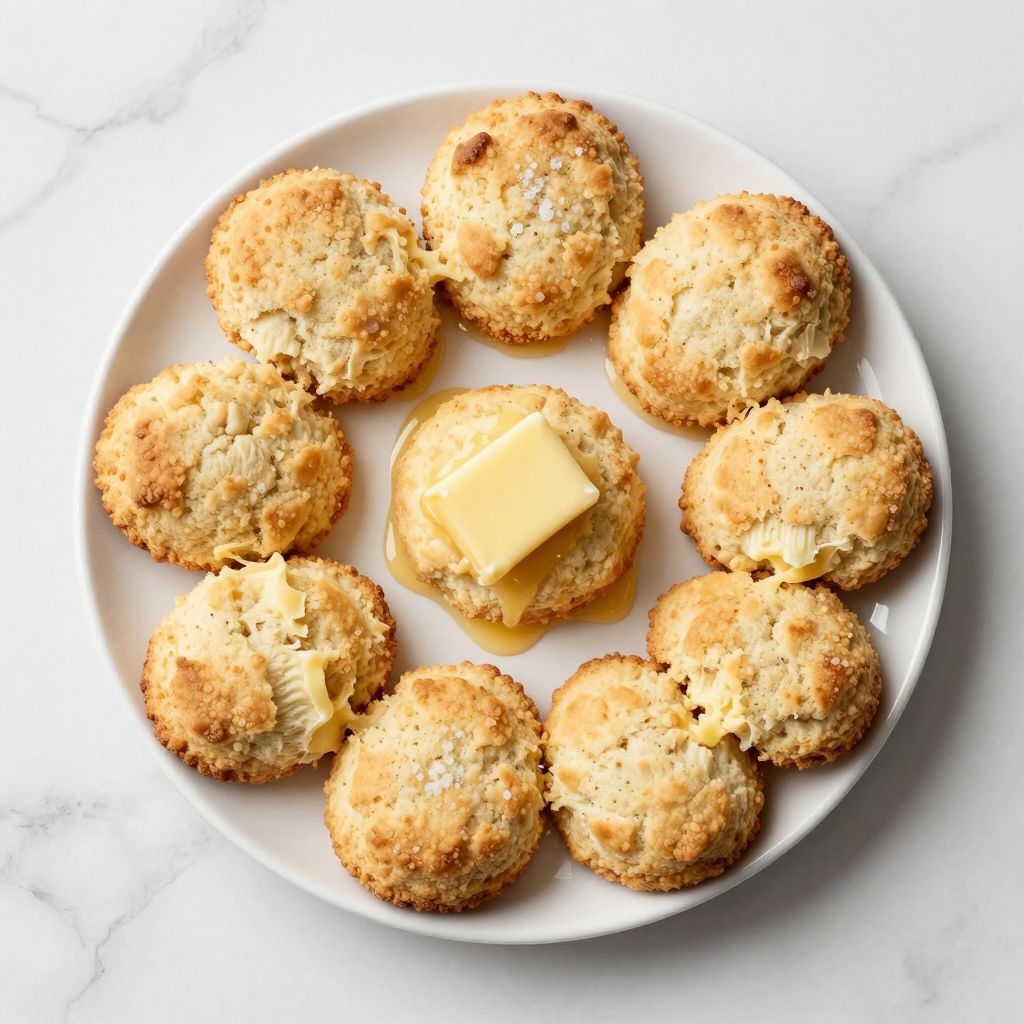
Picture this: golden, pillowy biscuits emerging from the oven, swimming in a pool of melted butter that makes them impossibly tender and rich.
Butter swim biscuits are a Southern classic that sounds fancy but tastes like pure comfort. The magic happens when you bake these biscuits in butter rather than on top of it, creating a crispy bottom and a buttery, tender crumb that makes regular biscuits seem ordinary.
These biscuits come together in under an hour and require just a handful of pantry staples. What makes them special is their texture: they’re crispy on the edges, soft inside, and infused with butter throughout.
Whether you’re serving them at breakfast, dinner, or as a side to your favorite soup or stew, these biscuits disappear fast. Let’s get to it.
Why You’ll Love This Recipe
Butter swim biscuits deliver restaurant-quality results in your own kitchen with minimal effort and maximum flavor. Here’s what makes them worth your time.
- Irresistibly tender crumb with a crispy, buttery exterior
- Ready in under an hour from start to finish
- Only six basic ingredients you likely have on hand
- Impresses guests and family without fuss or stress
- Perfect for breakfast, dinner, or alongside any meal
My Experience Making This Recipe
The first time I made butter swim biscuits, I was skeptical about baking them directly in butter. Would they get soggy, I wondered? The moment they came out of the oven, golden and glistening, I understood the genius.
My kitchen smelled incredible, and the biscuits had this incredible contrast: crispy bottoms and edges with an almost fluffy interior that held together perfectly. My partner ate three before dinner even started.
Since then, I’ve made them dozens of times for everything from Sunday breakfast to holiday dinners. They’ve never disappointed, and friends always ask for the recipe.
Recipe Overview
- Recipe Name: Butter Swim Biscuits
- Servings: 12 biscuits
- Prep Time: 15 minutes
- Cook Time: 20 minutes
- Total Time: 35 minutes
- Course: Breakfast, Side Dish
- Cuisine: Southern American
- Calories per Serving: 185
Equipment You Will Need
- 9×13 inch baking dish
- Large mixing bowl
- Measuring cups and spoons
- Fork or pastry cutter
- Oven
- Baking sheets (optional, for cooling)
- Wire cooling rack
Ingredients for Butter Swim Biscuits
- 3 cups all-purpose flour
- 1 tablespoon baking powder
- 1 teaspoon salt
- 6 tablespoons cold unsalted butter, cubed
- 1 1/4 cups whole milk, cold
- 4 tablespoons unsalted butter, melted (for the baking dish)
Ingredient Notes and Substitutions
- All-purpose flour: The foundation of any good biscuit, all-purpose flour creates structure and lift. You can substitute with cake flour for slightly softer biscuits, though they may be less sturdy.
- Baking powder: This leavening agent is essential for rise and fluffiness. Do not substitute with baking soda alone, as it requires an acid to activate properly.
- Cold butter (cubed): Cold butter creates steam pockets that make biscuits flaky. Softened butter will make them dense, so keep it cold straight from the fridge.
- Cold milk: Cold liquid keeps the butter from melting during mixing, preserving those precious flaky layers. Warm milk will make the dough greasy and tough.
- Melted butter (for swimming): This creates the signature crispy bottom and buttery flavor. Ghee works beautifully if you want a nuttier taste.
How to Make Butter Swim Biscuits
Step 1: Preheat the Oven and Prepare the Dish
Heat your oven to 450 degrees Fahrenheit and pour the 4 tablespoons of melted butter into a 9×13 inch baking dish. Tilt and rotate the dish so the butter coats the bottom evenly, including the corners.
This butter is your biscuits’ ticket to crispy, golden bottoms, so don’t skimp or skip this step.
Step 2: Mix the Dry Ingredients
In a large mixing bowl, whisk together the flour, baking powder, and salt. Make sure the baking powder and salt are evenly distributed throughout the flour so every biscuit gets the same lift and seasoning.
Take your time here; lumpy baking powder leads to uneven rising and dense spots.
Step 3: Cut in the Cold Butter
Add the cubed cold butter to the dry mixture and use a fork or pastry cutter to break it into pea-sized pieces. Work quickly and keep the butter as cold as possible; you want distinct butter pockets, not a uniform paste.
This step takes about 2 minutes if you work fast, and the result is what makes biscuits flaky instead of dense.
Step 4: Add the Cold Milk
Pour the cold milk into the dry mixture and stir gently with a fork until the dough just comes together. Stop as soon as you see no dry flour; overmixing develops gluten and makes tough biscuits.
The dough should look shaggy and slightly rough, not smooth or completely uniform.
Step 5: Turn Out and Shape the Dough
Turn the dough out onto a lightly floured surface and gently press it into a rough rectangle about 3/4 inch thick. Do not knead or overwork the dough; just shape it loosely with your hands.
If the dough feels sticky, sprinkle a tiny bit more flour on top, but resist the urge to add too much.
Step 6: Cut the Biscuits
Using a sharp knife or biscuit cutter, cut the dough into 12 roughly equal squares or rounds. You can get creative with the shape; uniform size helps them bake evenly, but the exact shape doesn’t matter much.
For cleaner cuts, dip your knife in flour between cuts so the dough doesn’t stick.
Step 7: Place Biscuits in the Butter
Gently place each biscuit into the buttered baking dish, arranging them in rows so they fit snugly but aren’t crammed. The butter should come partway up the sides of each biscuit; if it doesn’t, you can add a touch more melted butter.
This is where the magic happens: the butter gets into the crevices and under the biscuits, creating that signature texture.
Step 8: Bake Until Golden
Bake at 450 degrees Fahrenheit for 18 to 22 minutes, until the tops are light golden brown and the edges are deep golden. The biscuits will puff up noticeably as they bake, which means the baking powder is doing its job.
Every oven bakes differently, so start checking at 18 minutes rather than waiting the full 22.
Step 9: Cool and Serve
Let the biscuits rest in the pan for 2 to 3 minutes before transferring them to a cooling rack or serving directly. This brief rest lets them set slightly so they don’t fall apart, but eating them while still warm is the whole point.
Serve warm with jam, gravy, honey, or alongside your favorite dish.
Pro Tip: Keep your butter and milk ice cold, and work as quickly as possible when mixing the dough; cold ingredients and speed are the secrets to flaky, tender biscuits.
Tips for the Best Butter Swim Biscuits
- Use a kitchen thermometer to verify your oven temperature; ovens often run hot or cold, which throws off baking time and color.
- Don’t skip the cold ingredients step; this is non-negotiable for flakiness and texture.
- If your biscuits brown too quickly on top but aren’t cooked through, lower the oven temperature to 425 degrees and bake a bit longer.
- Make the dough in a cool kitchen or on a cool surface; warm environments cause butter to soften and ruin the texture.
- Measure flour by spooning it into a measuring cup and leveling with a knife, not by dipping the cup into the flour bag.
- Brush the tops with a little extra melted butter after baking for even more richness and color.
Common Mistakes to Avoid
- Overmixing the dough: This develops gluten and makes biscuits tough and dense instead of tender and flaky. Mix just until the dough comes together.
- Using warm or softened butter: Warm butter melts into the flour, creating a greasy dough that bakes into dense, heavy biscuits rather than flaky ones.
- Skipping the melted butter in the pan: This step creates the crispy, golden bottom that makes these biscuits special; without it, they’re just ordinary biscuits.
- Baking at the wrong temperature: Too hot and they brown outside before cooking through; too cool and they spread and flatten instead of rising.
- Cutting biscuits unevenly: Different-sized biscuits bake at different rates, leaving some undercooked and others overdone.
Serving Suggestions
Butter swim biscuits shine in almost any breakfast, lunch, or dinner setting. Serve them warm and watch them disappear.
- Alongside creamy biscuits and gravy for a classic Southern breakfast
- With jam, honey, or flavored butters for a sweet breakfast treat
- Paired with soup, stew, or chili for a hearty dinner
- Next to fried chicken for a picnic-ready meal
- With smoked salmon and cream cheese for a brunch upgrade
Variations to Try
- Herb Butter Swim Biscuits: Add 1 teaspoon of dried thyme, rosemary, or Italian seasoning to the dry ingredients for a savory twist that pairs beautifully with soups.
- Cheese Biscuits: Stir in 1 cup of shredded sharp cheddar cheese after cutting in the butter for tangy, rich biscuits that kids and adults adore.
- Jalapeño Cheddar: Combine the cheese variation with 2 to 3 diced jalapeños for a spicy kick that wakes up any meal.
- Sweet Biscuits: Add 2 tablespoons of sugar and 1/2 teaspoon of vanilla extract to the dough, then brush the tops with melted butter mixed with cinnamon and sugar right after baking.
- Garlic Parmesan: Mix 2 minced garlic cloves into the melted butter, and sprinkle the baking dish with grated Parmesan cheese before adding the biscuits.
Dietary Adaptations
- Gluten-Free: Substitute all-purpose flour with a 1-to-1 gluten-free baking blend; the texture may be slightly denser, but the results are very close.
- Dairy-Free: Use dairy-free butter and unsweetened oat milk or almond milk in place of regular butter and milk, though the flavor will be less rich.
- Vegan: Combine the dairy-free swaps above and add 1/2 teaspoon of baking soda to boost lift since you’re removing the dairy fat.
- Low-Carb or Keto: Replace all-purpose flour with almond flour or a low-carb flour blend, reduce by 1/4 cup, and expect a slightly different texture and crumb.
Storage and Reheating
Refrigerator
Store leftover biscuits in an airtight container in the refrigerator for up to 3 days. They firm up as they cool but taste wonderful cold or reheated.
- Keep them in a sealed container to prevent them from drying out
- Separate layers with parchment paper so they don’t stick together
Freezer
Freeze baked biscuits in a freezer bag or airtight container for up to 2 months. Freeze them in a single layer first, then transfer to a bag once solid.
- Thaw at room temperature for 30 minutes before reheating
- Wrap unbaked dough tightly and freeze for up to 1 month, then bake from frozen, adding 2 to 3 minutes to the bake time
Reheating
Warm refrigerated or frozen biscuits in a 350-degree oven for 5 to 7 minutes until heated through. A quick oven warm-up restores their crispy exterior and soft interior better than microwaving.
- Wrap them loosely in foil to prevent them from drying out
- Brush with melted butter before reheating for extra richness
Nutrition Information
| Nutrient | Amount |
|---|---|
| Calories | 185 |
| Total Fat | 9g |
| Saturated Fat | 5.5g |
| Carbohydrates | 23g |
| Fiber | 0.5g |
| Sugar | 0.5g |
| Protein | 4g |
| Sodium | 340mg |
| Cholesterol | 24mg |
These values are approximate and calculated for one biscuit out of a batch of 12. Actual nutrition may vary based on specific ingredients and preparation methods.
Frequently Asked Questions
Can I make the dough ahead and bake it later?
Yes, you can prepare the dough up to 4 hours in advance and refrigerate it in the baking dish covered with plastic wrap. Just add an extra 2 to 3 minutes to the baking time since the dough will be cold.
Why are my biscuits turning out dense and heavy?
Dense biscuits usually result from overmixing the dough or using warm butter and milk. Handle the dough gently and keep all ingredients cold.
Can I use buttermilk instead of regular milk?
Buttermilk works beautifully and adds a subtle tangy flavor and extra tenderness. Use the same amount as you would regular milk, and reduce the salt slightly since buttermilk is often more acidic.
What if I don’t have a 9×13 baking dish?
A 10-inch cast-iron skillet or similar-sized baking vessel works perfectly. The key is having enough butter to coat the bottom and come partway up the sides of the biscuits.
How do I get a golden top if my biscuits are browning too fast?
Tent the biscuits loosely with foil for the first 10 minutes, then remove it to allow browning. You can also lower the oven temperature to 425 degrees and extend the bake time by a few minutes.
Can I double the recipe?
Yes, double everything and use two 9×13 baking dishes or one larger baking vessel. The baking time should stay roughly the same, but check at 18 minutes for doneness.
Final Thoughts
Butter swim biscuits are proof that simple ingredients and basic technique create extraordinary food. Once you master this recipe, you’ll make it again and again because it never disappoints and always impresses.
Give these biscuits a try this weekend and discover why they’re a Southern staple worth learning. Your kitchen will smell incredible, and your guests will ask for the recipe.
Butter Swim Biscuits

Golden, pillowy biscuits baked in a pool of melted butter, creating a crispy bottom and buttery, tender crumb. These Southern classic biscuits are ready in under an hour with just six basic ingredients.
- 9×13 inch baking dish
- Large mixing bowl
- Measuring cups and spoons
- Fork or pastry cutter
- Oven
- Wire cooling rack
Main
- 3 cups all-purpose flour
- 1 tablespoon baking powder
- 1 teaspoon salt
- 6 tablespoons cold unsalted butter (cubed)
- 1 1/4 cups whole milk (cold)
- 4 tablespoons unsalted butter (melted (for the baking dish))
- Preheat your oven to 450 degrees Fahrenheit and pour the 4 tablespoons of melted butter into a 9×13 inch baking dish. Tilt and rotate the dish so the butter coats the bottom evenly, including the corners.
- In a large mixing bowl, whisk together the flour, baking powder, and salt. Make sure the baking powder and salt are evenly distributed throughout the flour.
- Add the cubed cold butter to the dry mixture and use a fork or pastry cutter to break it into pea-sized pieces. Work quickly and keep the butter as cold as possible, about 2 minutes.
- Pour the cold milk into the dry mixture and stir gently with a fork until the dough just comes together. Stop as soon as you see no dry flour. The dough should look shaggy and slightly rough.
- Turn the dough out onto a lightly floured surface and gently press it into a rough rectangle about 3/4 inch thick. Do not knead or overwork the dough.
- Using a sharp knife or biscuit cutter, cut the dough into 12 roughly equal squares or rounds. Dip your knife in flour between cuts so the dough doesn’t stick.
- Gently place each biscuit into the buttered baking dish, arranging them in rows so they fit snugly but aren’t crammed. The butter should come partway up the sides of each biscuit.
- Bake at 450 degrees Fahrenheit for 18 to 22 minutes, until the tops are light golden brown and the edges are deep golden. Start checking at 18 minutes.
- Let the biscuits rest in the pan for 2 to 3 minutes before transferring them to a cooling rack or serving directly. Serve warm with jam, gravy, honey, or alongside your favorite dish.
Keep your butter and milk ice cold, and work as quickly as possible when mixing the dough; cold ingredients and speed are the secrets to flaky, tender biscuits. Do not overmix the dough as this develops gluten and makes tough biscuits. Store leftover biscuits in an airtight container in the refrigerator for up to 3 days, or freeze for up to 2 months.