
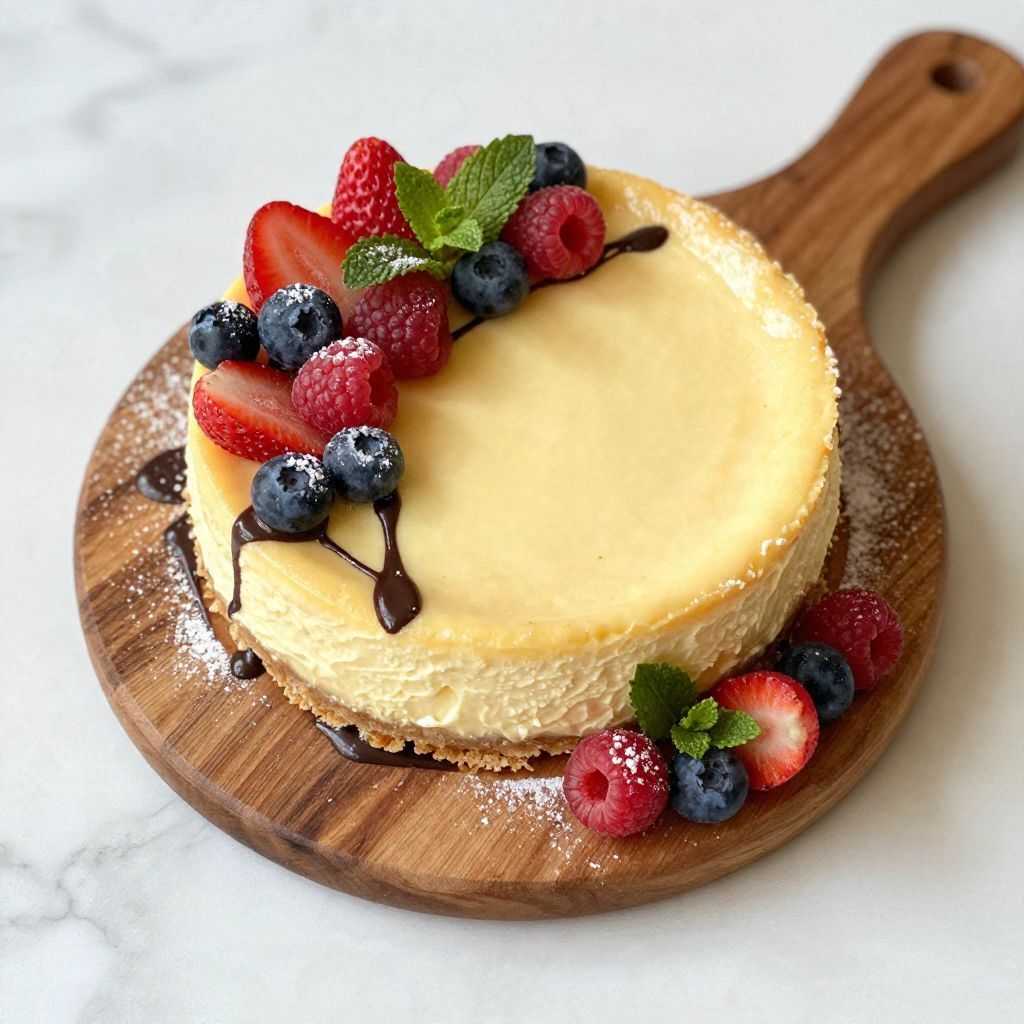
There’s something magical about pulling a perfectly baked cheesecake from the oven, its golden top perfectly smooth and just begging to be sliced. This small cheesecake recipe is not just a delightful treat; it’s a compact version that’s perfect for those intimate gatherings or when you simply want a slice without the leftovers. With its creamy texture and rich flavor, it’s a true crowd-pleaser that’s both easy to make and wonderfully satisfying. Let’s dive into the ingredients and how to create this little piece of heaven!
Why You’ll Love This Recipe
Whether you’re a cheesecake lover or just looking for a sweet treat, this recipe is a winner. Here are some reasons to fall in love with it:
- Perfect portion size for small gatherings or a cozy night in.
- Rich, creamy texture that melts in your mouth.
- Easy to customize with your favorite toppings.
- Quick prep time, so you won’t spend all day in the kitchen.
- Minimal ingredients make it simple and accessible.
My Experience Making This Recipe
The first time I made this small cheesecake, I was amazed at how quickly it came together. The aroma wafting through my kitchen had my family eagerly waiting for a taste.
When I finally sliced into it, the creamy filling paired perfectly with a hint of vanilla and a buttery crust. It was a hit at our small family gathering, and the compliments just kept coming!
Recipe Overview
- Recipe Name: Small Cheesecake
- Servings: 4-6
- Prep Time: 15 minutes
- Cook Time: 30 minutes
- Total Time: 45 minutes
- Course: Dessert
- Cuisine: American
- Calories per Serving: 250
Equipment You Will Need
- 9-inch springform pan
- Mixing bowl
- Electric mixer
- Rubber spatula
- Oven
Ingredients for Small Cheesecake
- 1 cup graham cracker crumbs
- 2 tablespoons sugar
- 1/4 cup unsalted butter, melted
- 16 ounces cream cheese, softened
- 1/2 cup sugar
- 1 teaspoon vanilla extract
- 2 large eggs
Ingredient Notes and Substitutions
- Graham cracker crumbs: These create a classic crust. You can use digestive biscuits as a substitute.
- Unsalted butter: Used for binding the crust. Coconut oil can be a dairy-free alternative.
- Cream cheese: This gives the cheesecake its creamy texture. Neufchâtel cheese works as a lighter option.
- Sugar: Adds sweetness. For a healthier option, use honey or maple syrup.
- Vanilla extract: Enhances flavor. You can use almond extract for a different twist.
How to Make Small Cheesecake
Step 1: Prepare the Crust
In a mixing bowl, combine the graham cracker crumbs, sugar, and melted butter. This forms a base that will hold everything together.
Step 2: Press the Crust
Firmly press the mixture into the bottom of a 9-inch springform pan. A well-packed crust ensures a sturdy base for your cheesecake.
Step 3: Preheat the Oven
Preheat your oven to 325°F (160°C). This temperature is ideal for baking the cheesecake evenly without cracking.
Step 4: Beat the Cream Cheese
In a new bowl, beat the softened cream cheese until smooth. This step is crucial for eliminating lumps and achieving a silky texture.
Step 5: Add Sugar and Vanilla
Mix in the sugar and vanilla extract until well combined. This adds sweetness and enhances the overall flavor profile.
Step 6: Incorporate the Eggs
Add the eggs one at a time, mixing on low speed after each addition. This helps to keep the batter light and airy.
Step 7: Pour the Batter
Pour the cream cheese mixture over the prepared crust in the springform pan. Make sure it’s evenly distributed for a consistent bake.
Step 8: Bake
Bake in the preheated oven for 30 minutes or until the edges are set but the center still jiggles slightly. This will ensure a perfectly creamy texture.
Pro Tip: Let the cheesecake cool completely in the pan to prevent cracks and ensure a smooth finish.
Tips for the Best Small Cheesecake
- Make sure your cream cheese is at room temperature for easy mixing.
- Don’t overmix the batter after adding the eggs to keep it light.
- Use a water bath during baking to minimize cracking.
- Chill the cheesecake in the refrigerator for at least 4 hours before serving.
- Top with fresh fruits or chocolate for an extra treat.
Common Mistakes to Avoid
- Using cold cream cheese can lead to lumps in your batter.
- Overbaking makes the cheesecake dry instead of creamy.
- Skipping the cooling step can cause cracks on the surface.
- Not allowing enough chilling time makes it hard to slice.
Serving Suggestions
This small cheesecake is delicious on its own, but a few toppings can elevate it further. Consider these pairing ideas:
- Fresh berries for a burst of flavor.
- Chocolate sauce for a rich, decadent touch.
- Whipped cream for added creaminess.
- Caramel drizzle for a sweet finish.
Variations to Try
- Add lemon zest for a refreshing citrus twist.
- Incorporate chocolate chips for a hint of chocolate flavor.
- Use flavored cream cheese, like strawberry, for a unique taste.
- Top with a fruit compote for a homemade touch.
Dietary Adaptations
- Gluten-free: Substitute gluten-free graham cracker crumbs for the crust.
- Dairy-free: Use coconut cream or a dairy-free cream cheese alternative.
- Vegan: Replace eggs with flaxseed meal and use dairy-free cream cheese.
- Low-carb/Keto: Use almond flour for the crust and a low-carb sweetener.
Storage and Reheating
Refrigerator
Store any leftovers in an airtight container in the fridge. This keeps the cheesecake fresh for up to five days.
- Wrap slices individually for easy access.
- Keep it in the springform pan until ready to serve.
Freezer
This cheesecake freezes well for later enjoyment. Just make sure it is fully cooled before wrapping.
- Wrap tightly in plastic wrap and then foil.
- Store for up to three months.
Reheating
Thaw the cheesecake in the refrigerator overnight before serving. This ensures it retains its texture.
- Let it sit at room temperature for about 30 minutes before slicing.
Nutrition Information
| Nutrient | Amount |
|---|---|
| Calories | 250 |
| Total Fat | 18g |
| Saturated Fat | 10g |
| Carbohydrates | 20g |
| Fiber | 1g |
| Sugar | 14g |
| Protein | 4g |
| Sodium | 250mg |
| Cholesterol | 80mg |
Note that nutritional values may vary based on specific ingredients used.
Frequently Asked Questions
Can I make this cheesecake ahead of time?
Absolutely! It’s great to prepare this cheesecake a day in advance for the best flavor.
What can I use instead of cream cheese?
You can use Neufchâtel cheese or a dairy-free cream cheese alternative for a different twist.
How do I store leftovers?
Keep leftovers in an airtight container in the refrigerator for up to five days.
Why is my cheesecake cracking?
This usually happens from overmixing or baking at too high a temperature. Cooling slowly helps too.
Can I freeze cheesecake?
Yes, it freezes well when tightly wrapped and stored for up to three months.
Final Thoughts
This small cheesecake recipe is a delightful way to satisfy your sweet tooth without the guilt of a large dessert. It’s perfect for any occasion, and you’ll find yourself making it over and over again.
Don’t forget to explore more delicious recipes like cherry cheesecake or cinnamon roll cheesecake. Happy baking!
Small Cheesecake
Ingredients
Equipment
Method
- In a mixing bowl, combine the graham cracker crumbs, sugar, and melted butter to form the crust.
- Firmly press the mixture into the bottom of a 9-inch springform pan.
- Preheat your oven to 325°F (160°C).
- In a new bowl, beat the softened cream cheese until smooth.
- Mix in the sugar and vanilla extract until well combined.
- Add the eggs one at a time, mixing on low speed after each addition.
- Pour the cream cheese mixture over the prepared crust.
- Bake in the preheated oven for 30 minutes or until the edges are set and the center jiggles slightly.
- Let the cheesecake cool completely in the pan before serving.