The soften of onions, celery, and carrots hitting a hot pan is the smell of French cooking coming alive in your kitchen. Mirepoix is the holy trinity of aromatics that forms the flavor foundation for countless soups, stews, sauces, and broths, and once you master it, you’ll find yourself reaching for it again and again.
This recipe teaches you the proper technique for building mirepoix so it becomes a golden, caramelized base rather than a pile of raw vegetables. It’s quick to prepare, infinitely versatile, and honestly makes you feel like you know what you’re doing in the kitchen.
Why You’ll Love This Recipe
Mirepoix is the workhorse of the kitchen that transforms ordinary dishes into something with real depth and complexity. Once you learn this one technique, you unlock the door to restaurant-quality soups, stews, and stocks.
- Takes only 10 minutes to prepare and cook properly.
- Works as a flavor base for soups, stews, braises, stocks, and sauces.
- Uses simple, affordable ingredients you likely have on hand.
- Teaches you a fundamental cooking technique that professionals use daily.
- Freezes beautifully for meal prep and quick weeknight cooking.
My Experience Making This Recipe
The first time I really understood mirepoix was watching a chef at a local cooking class sweat the vegetables low and slow until they turned translucent and golden. I’d been throwing raw veggie scraps into pots my whole life, completely missing the magic that happens when you take five extra minutes to cook them properly.
Since then, I keep a batch prepped in my freezer almost constantly. When I’m making a quick weeknight minestrone or a simple chicken soup, I just grab a container and go, and the flavor difference is night and day compared to using raw vegetables.
My family noticed the change too, though they couldn’t quite put their finger on what made my soups taste “restaurant-y” all of a sudden. It’s funny how one small technique can make such a big difference in how people perceive your cooking.
Recipe Overview
- Recipe Name: Classic French Mirepoix
- Servings: Makes approximately 3 cups
- Prep Time: 10 minutes
- Cook Time: 8 minutes
- Total Time: 18 minutes
- Course: Base/Aromatic
- Cuisine: French
- Calories per Serving: 25 calories (per 1/4 cup serving)
Equipment You Will Need
- Sharp chef’s knife
- Cutting board
- Large heavy-bottomed pot or skillet
- Wooden spoon or silicone spatula
- Measuring cups
- Measuring spoons
Ingredients for Classic French Mirepoix
- 2 cups yellow onion, diced into 1/4-inch pieces (about 1 large onion)
- 1 cup celery, diced into 1/4-inch pieces (about 3 ribs)
- 1 cup carrots, diced into 1/4-inch pieces (about 2 medium carrots)
- 2 tablespoons unsalted butter
- 1/2 teaspoon fine sea salt
- 1/4 teaspoon freshly cracked black pepper
Ingredient Notes and Substitutions
- Onion: Yellow onions provide a sweet, mellow base that caramelizes beautifully. White onions work as a substitute but taste slightly more peppery.
- Celery: Celery adds herbaceous notes and subtle bitterness that balance the sweetness. Fennel can substitute for a different aromatic profile, though it changes the traditional flavor.
- Carrots: Carrots contribute natural sweetness and bright color. Parsnips offer a nuttier sweetness if you want to swap them, but the flavor becomes richer.
- Butter: Butter helps vegetables release their juices and creates a silky texture. Olive oil or neutral vegetable oil works as a substitute, though you’ll lose some richness.
- Salt and pepper: These season the vegetables and draw out moisture. Use kosher salt if that’s what you have; just measure by weight if possible for accuracy.
How to Make Classic French Mirepoix
Step 1: Prepare Your Vegetables
Cut the onion, celery, and carrots into uniform 1/4-inch dice. Uniform size matters here because it ensures everything cooks at the same rate, preventing some pieces from browning while others remain raw.
Step 2: Heat Your Pan and Add Butter
Place a large heavy-bottomed pot or skillet over medium heat and add the butter. Let it melt completely and foam slightly, which takes about 1 minute and signals that the pan is ready to receive the vegetables.
Step 3: Add the Onions First
Add the diced onions to the foaming butter and stir to coat them evenly. Onions go in first because they take slightly longer to soften than celery and carrots, so starting them ahead ensures everything finishes together.
Step 4: Cook the Onions Until Translucent
Stir occasionally and cook the onions for about 3 minutes until they become soft and translucent. You’ll see them start to release their liquid and become glossy; this is the moisture being drawn out by the salt and heat.
Step 5: Add the Celery and Carrots
Add the diced celery and carrots to the onions and stir to combine. The vegetables should sizzle gently when they hit the pan, which means you’re at the right temperature.
Step 6: Season and Continue Cooking
Sprinkle the salt and pepper over the vegetables and stir well. The salt helps draw out moisture from the vegetables and seasons them evenly throughout the cooking process.
Step 7: Sweat Until Golden and Caramelized
Continue cooking for another 4 to 5 minutes, stirring occasionally, until the vegetables are soft, sweet-smelling, and just beginning to turn golden at the edges. The goal is to caramelize them slightly without browning too heavily, which would make them bitter.
Step 8: Cool and Use or Store
Remove from heat and let cool if you’re not using it immediately in a recipe. At this point, you can use your mirepoix right away, refrigerate it for up to 5 days, or freeze it for up to 3 months.
Pro Tip: Keep your knife sharp and your cutting board stable while dicing, and you’ll prep the vegetables in half the time while maintaining uniform pieces that cook evenly.
Tips for the Best Classic French Mirepoix
- Use fresh vegetables at their peak; old carrots and wilted celery won’t release as much flavor.
- Keep the heat at medium, not high; rushing the process with high heat will brown the vegetables too quickly and create a bitter taste.
- Stir occasionally but not constantly; you want the vegetables to make contact with the hot pan so they can caramelize slightly.
- Prep all your vegetables before you start cooking so you’re not frantically chopping while things are cooking.
- Use a heavy-bottomed pot or pan that distributes heat evenly; thin pans create hot spots that burn vegetables unevenly.
- Don’t skip the salt; it draws out the vegetables’ natural moisture and intensifies their flavor dramatically.
Common Mistakes to Avoid
- Cooking on too high heat causes the vegetables to brown too fast and turn bitter instead of sweet and caramelized.
- Uneven dice means some pieces finish cooking while others are still raw, ruining the consistency of your base.
- Adding cold vegetables or not waiting for the butter to foam fully results in steaming rather than sweating, producing a pale, flavorless result.
- Overcrowding the pan traps steam and causes the vegetables to boil instead of caramelize, making them mushy.
- Skipping the salt prevents proper moisture release and flavor development, leaving you with flat-tasting aromatics.
Serving Suggestions
Mirepoix isn’t served on its own but rather used as the aromatic foundation for countless dishes. Once prepared, add it to your favorite soups, stews, braised meats, stocks, and sauces to build flavor from the ground up.
- Chicken stock or homemade broth as the traditional French base.
- Vegetable soup, minestrone, or hearty bean soups for instant depth.
- Beef stew, coq au vin, or any braised meat dish for rich, complex flavor.
- Cream sauces, gravies, or pan sauces to add background flavor without overpowering.
- Tomato-based sauces for soups or pasta as an aromatic layer beneath the tomatoes.
Variations to Try
- Cajun Holy Trinity: Replace celery with equal parts onion and bell pepper, then use bacon fat instead of butter for a New Orleans-inspired base with spicy, smoky notes.
- Mediterranean Soffritto: Add garlic, fresh herbs like rosemary and thyme, and use olive oil instead of butter for an Italian-inspired base with bright, herbal flavors.
- Asian Aromatics: Add ginger, garlic, and a splash of soy sauce to your standard mirepoix for a base that works beautifully in Asian broths and stir-fries.
- Creole Mirepoix: Include diced green bell pepper alongside the traditional three vegetables, cooked in bacon fat for a deeper, smokier foundation for gumbo and Creole dishes.
- Fennel Version: Replace the celery with equal parts fennel for a more herbaceous, licorice-tinged base that pairs beautifully with fish stocks and seafood soups.
Dietary Adaptations
- Gluten-free: Mirepoix is naturally gluten-free since it contains only vegetables, butter, salt, and pepper with no grains or thickeners involved.
- Dairy-free: Swap the butter for olive oil or coconut oil in equal amounts; you’ll lose some richness but maintain the caramelization and flavor development.
- Vegan/Vegetarian: Mirepoix is already vegetarian and vegan when made with olive oil instead of butter; the flavor remains excellent.
- Low-carb/Keto: Mirepoix fits perfectly into low-carb cooking since vegetables are the only ingredient and carbs from onions are minimal when used as a base rather than eaten in large quantities.
Storage and Reheating
Refrigerator
Store cooked mirepoix in an airtight container in the refrigerator for up to 5 days. The flavors actually improve slightly as it sits and the vegetables continue to soften.
- Keep in a glass or plastic container with a tight-fitting lid.
- Portion into ice cube trays if you want single-serving sizes for easy future use.
- Don’t store raw mirepoix; always cook it first for food safety.
Freezer
Cooked mirepoix freezes beautifully for up to 3 months, making it a lifesaver for busy weeknights. Freeze it in ice cube trays, then pop the cubes into freezer bags once solid.
- Freeze in single-serving portions using ice cube trays for easy future use.
- Label your containers with the date so you remember when you made it.
- Use frozen mirepoix directly in soups, stews, and sauces without thawing first.
Reheating
Thaw refrigerated mirepoix in the fridge overnight, or use it straight from frozen when adding to hot dishes. No special reheating is needed since it’s going into a dish that will cook further anyway.
- Add directly to soups and stews from frozen; it will thaw and blend in as everything simmers.
- If reheating on the stovetop, use medium heat and add a splash of water or stock to prevent sticking.
- Microwave thawed mirepoix on 50% power for 1 to 2 minutes, stirring halfway through.
Nutrition Information
| Nutrient | Amount |
|---|---|
| Calories | 25 |
| Total Fat | 1.5g |
| Saturated Fat | 1g |
| Carbohydrates | 2.5g |
| Fiber | 0.5g |
| Sugar | 1.5g |
| Protein | 0.3g |
| Sodium | 95mg |
| Cholesterol | 4mg |
Nutrition values are estimates based on per 1/4 cup serving of finished mirepoix and may vary depending on specific ingredient brands and preparation methods used.
Frequently Asked Questions
Can I make mirepoix without butter?
Yes, olive oil, vegetable oil, or bacon fat all work beautifully as substitutes. Butter creates a richer flavor, but other fats will still allow the vegetables to caramelize properly.
How do I know when mirepoix is done cooking?
The vegetables should be soft and translucent, with edges just beginning to turn golden. The whole kitchen should smell sweet and aromatic, not raw or overly browned.
Can I prep mirepoix ahead of time?
You can dice the vegetables several hours ahead and store them in the refrigerator in separate containers to prevent browning. Cook them fresh when you’re ready to use them for the best flavor and texture.
What’s the difference between mirepoix and soffritto?
Mirepoix is the French aromatic base of onions, celery, and carrots, while soffritto is the Italian version that typically includes garlic and often omits celery. Both serve the same purpose of building flavor foundations for dishes.
Can I double this recipe for meal prep?
Absolutely, and I recommend it for busy cooks. Double or triple the batch, freeze it in portions, and you’ll always have a shortcut to restaurant-quality soups and stews on hand.
Why does my mirepoix taste bitter?
Bitter flavor usually means the heat was too high and the vegetables browned too quickly. Keep your heat at medium, stir occasionally, and watch for golden edges rather than dark brown ones.
Final Thoughts
Learning to make mirepoix properly is one of those small cooking skills that transforms everything you make afterward. It’s not fancy or complicated, but it’s the invisible foundation that makes soups taste like they came from a real restaurant kitchen.
Start making this today, freeze a batch this weekend, and you’ll find yourself reaching for it constantly. Your weeknight cooking is about to get noticeably better.
If you’re excited about building flavor foundations, check out how to make your own chicken stock recipe or try a chicken brine recipe for even more depth in your cooking. Happy cooking!
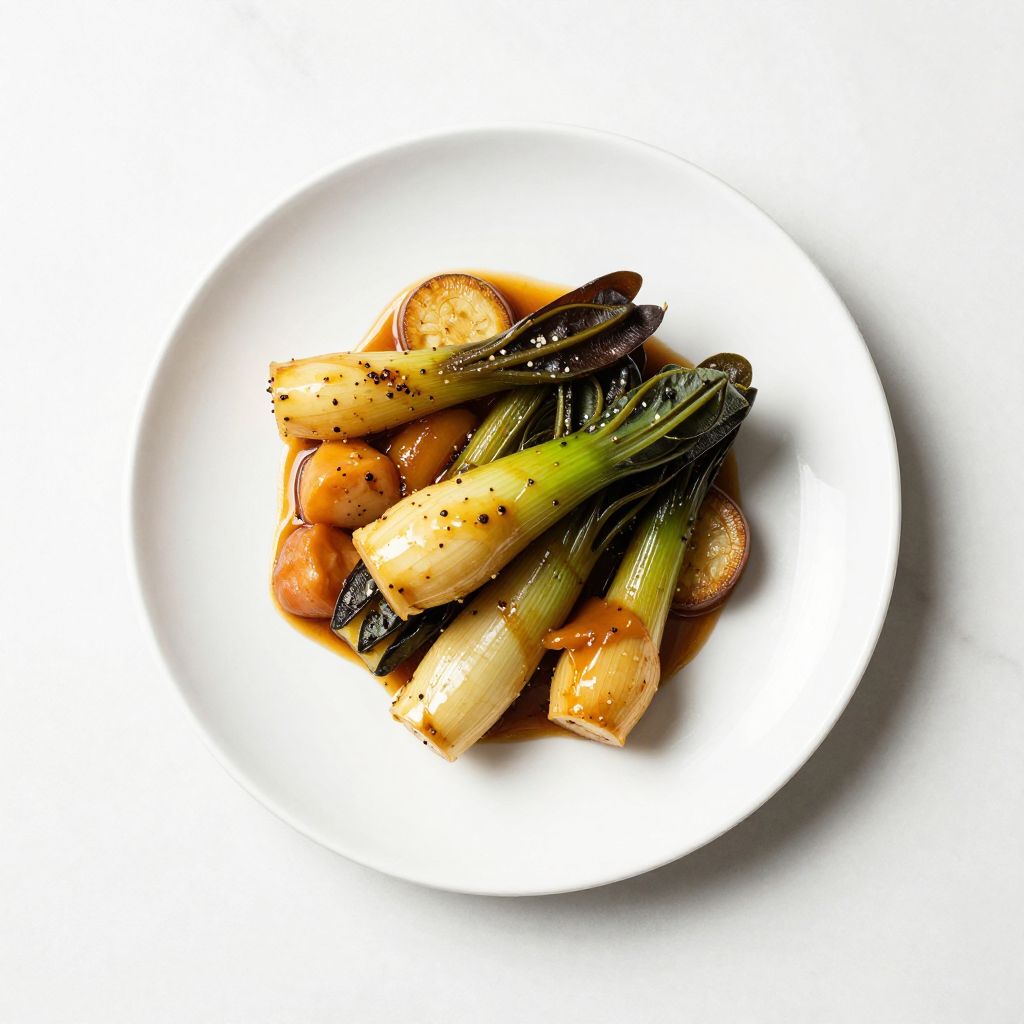
Classic French Mirepoix
Ingredients
Equipment
Method
- Cut the onion, celery, and carrots into uniform 1/4-inch dice to ensure even cooking.
- Place a large heavy-bottomed pot or skillet over medium heat and add the butter; let it melt and foam slightly, about 1 minute.
- Add the diced onions to the foaming butter and stir to coat evenly.
- Cook the onions, stirring occasionally, for about 3 minutes until they become soft and translucent.
- Add the diced celery and carrots to the onions and stir to combine, ensuring they sizzle gently in the pan.
- Sprinkle the salt and pepper over the vegetables and stir well to season.
- Continue cooking on medium heat, stirring occasionally, for 4 to 5 minutes until the vegetables are soft and just beginning to turn golden at the edges.
- Remove from heat and let cool; use immediately in recipes or refrigerate for up to 5 days or freeze for up to 3 months.