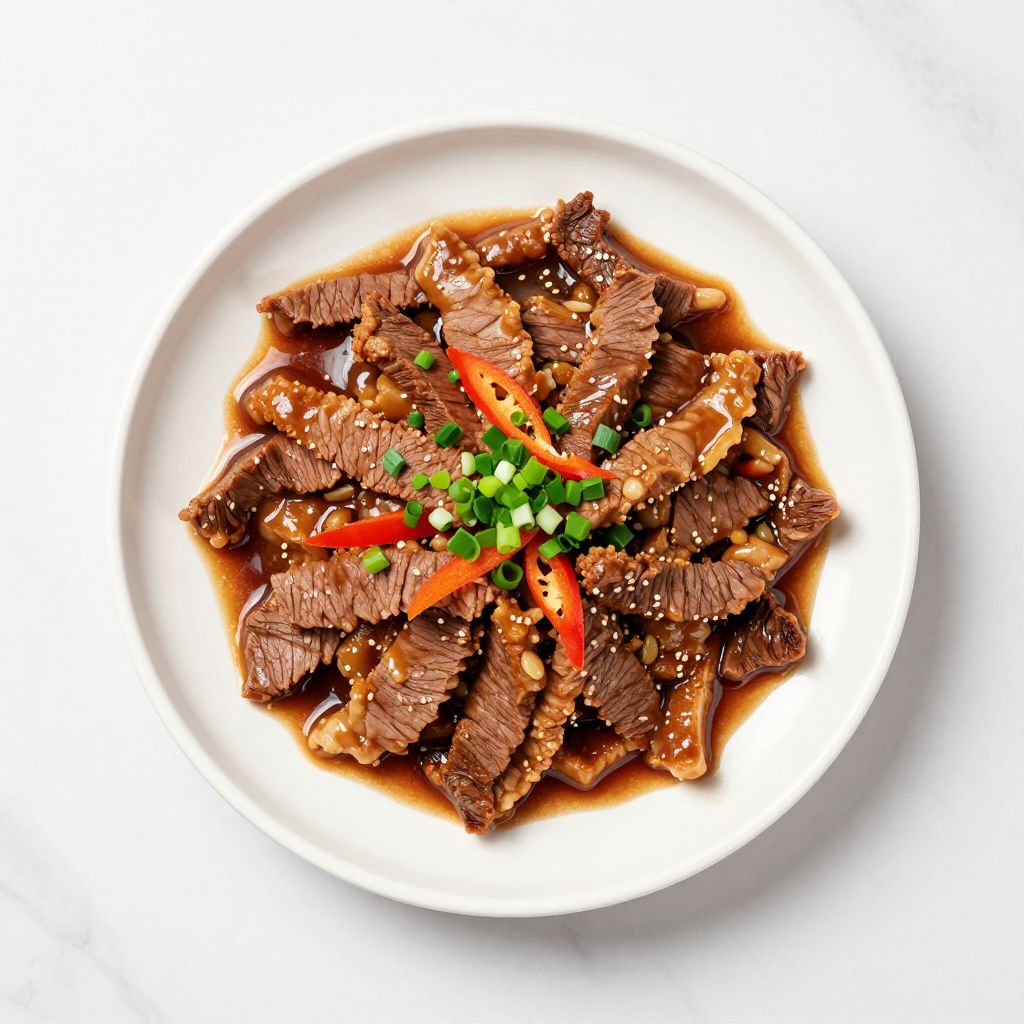
Picture this: crispy beef strips glistening under restaurant lights, coated in a glossy, slightly sweet and tangy sauce that makes your mouth water before you even take a bite. Beijing beef is that magical dish that tastes like takeout magic but comes together in your own kitchen in under 30 minutes.
This recipe delivers the crispy-chewy texture and bold flavors that make you order it again and again at your favorite Chinese restaurant. The beauty lies in the contrast: tender beef against a shatteringly crisp exterior, all tied together with a sauce that balances heat, sweetness, and savory depth.
What makes this version special is that you don’t need a wok or special equipment to nail it. The steps are straightforward, the ingredient list is short, and the result tastes authentically restaurant-quality without the delivery fee.
Why You’ll Love This Recipe
Beijing beef checks all the boxes for a weeknight winner that also impresses at the dinner table. It’s faster than delivery, cheaper, and tastes better because you control every element.
- Ready in under 30 minutes from start to finish
- Crispy exterior with tender, juicy beef inside
- Bold, complex sauce that balances sweet, salty, and tangy notes
- Uses pantry staples and ingredients you likely already have
- Versatile enough for weeknight dinners or casual entertaining
My Experience Making This Recipe
The first time I made Beijing beef at home, I was skeptical that I could replicate that restaurant crispiness without a professional kitchen. My first attempt taught me that the secret isn’t fancy equipment but rather technique: proper marinating, double coating, and hot oil.
The moment the beef hit the pan, the kitchen filled with an aroma that transported me back to my favorite Chinese restaurant on a Friday night. My spouse came in from the other room asking what smelled so good, and when the dish came together, they actually preferred it to takeout because the beef was more tender and the sauce tasted fresher.
Since then, I’ve made it dozens of times, tweaking the sauce heat level and even experimenting with different cuts of beef. It’s become my go-to recipe when I want to impress without spending an hour in the kitchen.
Recipe Overview
- Recipe Name: Beijing Beef
- Servings: 4
- Prep Time: 15 minutes
- Cook Time: 12 minutes
- Total Time: 27 minutes
- Course: Main Course
- Cuisine: Chinese
- Calories per Serving: 380
Equipment You Will Need
- Cutting board
- Sharp chef’s knife
- Two shallow bowls for marinating and coating
- Large skillet or wok
- Wooden spoon or spatula
- Paper towels
- Medium saucepan
- Measuring spoons and cups
- Whisk or fork for mixing
Ingredients for Beijing Beef
- 1.5 pounds flank steak, thinly sliced against the grain
- 3 tablespoons soy sauce, divided
- 1 tablespoon cornstarch
- 1 teaspoon sesame oil
- 2 tablespoons vegetable oil, for marinating
- 1/2 cup cornstarch, for coating
- 4 cloves garlic, minced
- 1 tablespoon fresh ginger, minced
- 1/4 teaspoon red pepper flakes
- 1/3 cup hoisin sauce
- 3 tablespoons rice vinegar
- 2 tablespoons honey
- 1 tablespoon water
- 3 cups vegetable oil, for frying
- 2 scallions, sliced thin, for garnish
- 1 tablespoon sesame seeds, for garnish
Ingredient Notes and Substitutions
- Flank steak is lean and flavorful, slicing easily against the grain for tender pieces. If unavailable, sirloin or skirt steak works as a backup, though sirloin may require thinner slicing.
- Cornstarch for coating creates that signature crispy exterior by absorbing moisture and frying up golden. All-purpose flour can substitute, though the texture will be slightly less crispy and more bread-like.
- Hoisin sauce provides savory sweetness and depth that’s hard to replicate. If you don’t have it, mix equal parts ketchup and soy sauce with a touch of honey as a rough substitute.
- Sesame oil adds a nutty, aromatic finish that’s integral to the flavor. Skip it if allergic, but the sauce will lose some complexity and authenticity.
- Rice vinegar provides brightness without the sharpness of white vinegar. White vinegar can substitute at a slightly reduced amount, starting with 2 tablespoons.
How to Make Beijing Beef
Step 1: Slice and Prepare Your Beef
Cut the flank steak into thin strips, about 1/4 inch thick, slicing across the grain. Slicing against the grain breaks down muscle fibers, making each bite tender rather than chewy.
Step 2: Marinate the Beef
In a shallow bowl, combine 1.5 tablespoons soy sauce, 1 tablespoon cornstarch, 1 teaspoon sesame oil, and 2 tablespoons vegetable oil. Add the beef slices and toss until every piece is coated, then let sit for 5 to 10 minutes at room temperature.
The marinade tenderizes the meat and helps it retain moisture during the high-heat cooking process. This short rest also allows the cornstarch to begin adhering to the surface.
Step 3: Prepare Your Coating Station
Pour the 1/2 cup cornstarch into a shallow bowl or plate. Working in batches, remove beef from the marinade and dredge each piece thoroughly in the cornstarch, shaking off excess.
This double coating technique creates maximum crispiness when the beef fries. The excess cornstarch will create those crispy, craggy bits that everyone loves.
Step 4: Heat Your Oil
Pour 3 cups of vegetable oil into a large skillet or wok and heat to 350 degrees Fahrenheit (about 3 to 4 minutes over medium-high heat). The oil should shimmer but not smoke; if it smokes, it’s too hot and will burn the beef.
Getting the temperature right is critical because too-cool oil absorbs into the beef, making it greasy rather than crispy. Too-hot oil burns the coating before the inside cooks through.
Step 5: Fry the Beef in Batches
Working in two batches to avoid overcrowding, carefully place the cornstarch-coated beef strips into the hot oil. Fry for 2 to 3 minutes, stirring occasionally, until golden brown and crispy on all sides.
Don’t skip the batching step; overcrowding drops the oil temperature and steams the beef instead of frying it. Each batch needs space to make contact with the hot oil.
Step 6: Drain the Fried Beef
Using a slotted spoon or strainer, transfer the fried beef to a plate lined with paper towels to drain excess oil. Pat gently with additional paper towels if needed, but avoid pressing hard, which will compress the crispy coating.
This step removes excess oil without sacrificing crispiness. The beef can rest here while you finish the sauce.
Step 7: Make the Sauce
In a medium saucepan over medium heat, add the minced garlic and ginger, stirring for about 30 seconds until fragrant. Add the red pepper flakes and cook for another 15 seconds.
Blooming these aromatics in heat releases their oils and flavors. The short cooking time keeps them from burning and becoming bitter.
Step 8: Build the Sauce
Add the hoisin sauce, rice vinegar, honey, remaining 1.5 tablespoons soy sauce, and water to the pan. Stir constantly for 1 to 2 minutes until the mixture is smooth and combined.
The sauce should look glossy and coat the back of a spoon. Taste a tiny spoon of sauce and adjust the heat with more red pepper flakes or sweetness with a touch more honey if needed.
Step 9: Combine Beef and Sauce
Add the fried beef to the warm sauce, gently tossing to coat every piece evenly. Work quickly and carefully to preserve the crispy coating while ensuring each strip gets sauce.
Some of the crispy coating will soften from the sauce, which is expected and delicious. This balance between crispy and saucy is what makes Beijing beef so satisfying.
Step 10: Plate and Garnish
Transfer the Beijing beef to a serving platter or individual bowls. Top with sliced scallions and a sprinkle of sesame seeds for color, freshness, and nutty aroma.
The green of the scallions brightens the dish visually and adds a sharp, fresh contrast to the sweet and savory sauce. Sesame seeds add textural interest and visual appeal.
Pro Tip: Don’t add the beef to the sauce more than a few minutes before serving; letting it sit too long will soften the crispy coating, turning it into a soggy exterior rather than the crispy-chewy contrast that makes this dish special.
Tips for the Best Beijing Beef
- Slice your beef as thinly as possible, about 1/4 inch thick. Thinner slices cook faster and become more tender, and they also fry up crispier with more surface area exposed to hot oil.
- Keep your oil at a consistent temperature by bringing it back up to 350 degrees between batches. A quick thermometer takes the guesswork out and ensures even cooking every time.
- Don’t skip the double coating step with cornstarch. This technique is what separates restaurant-quality crispy beef from soggy homemade versions that disappoint.
- Use sesame oil as a finishing touch rather than cooking with it. Sesame oil has a low smoke point and will become bitter if heated too long, but its nutty flavor shines when added to warm sauce off the heat.
- Taste the sauce before combining it with the beef and make adjustments. Hoisin can vary in saltiness between brands, so a quick taste check prevents an overly salty dish that you can’t fix after the fact.
- Serve immediately after combining beef and sauce. Beijing beef is best enjoyed when the contrast between crispy and saucy is at its peak, which happens within the first few minutes of assembly.
Common Mistakes to Avoid
- Slicing with the grain instead of against it creates chewy, tough pieces that feel unpleasant to eat. Always identify the grain direction and cut perpendicular to it for tender results.
- Overcrowding the pan while frying lowers the oil temperature and steams the beef instead of crisping it. Work in smaller batches and maintain oil temperature throughout the cooking process.
- Using low-quality soy sauce or hoisin that’s been open for years results in flat, dull sauce flavor. These ingredients are flavor anchors, so freshness matters more than you’d expect.
- Forgetting to pat the marinated beef dry before coating it causes the cornstarch to clump rather than adhere. A quick pat with paper towels prevents this common problem.
- Adding beef to the sauce too early results in a soggy dish where crispiness is lost. Keep the beef separate until serving time, then combine just before plating for maximum textural contrast.
Serving Suggestions
Beijing beef shines when served over fluffy white rice or with steamed jasmine rice that soaks up the glossy sauce. A simple green vegetable or crisp side salad balances the richness and adds freshness to the plate.
- Serve over steamed white rice or jasmine rice to soak up the sauce
- Pair with steamed broccoli or bok choy for a vegetable element
- Add crispy chow mein noodles for textural contrast and a more indulgent presentation
- Serve alongside a simple cucumber and sesame vinaigrette salad for brightness
- Include a cold beer or crisp white wine to cut through the sweetness and richness
Variations to Try
- Spicy Version: Double or triple the red pepper flakes and add a teaspoon of sriracha to the sauce for serious heat lovers who want to feel the burn with every bite.
- Chicken Beijing: Substitute chicken breast cut into bite-sized pieces for the beef, reducing frying time to 2 minutes since chicken cooks faster than beef and can dry out if overcooked.
- Crispy Tofu Version: Cube extra-firm tofu and fry it using the same coating and technique, then toss with the sauce for a vegetarian option that maintains all the textural appeal.
- Orange Beef Fusion: Add 2 tablespoons of fresh orange juice and 1 teaspoon of orange zest to the sauce for a citrus twist that adds brightness and complexity without changing the technique.
- Glazed Rather Than Saucy: Reduce the water amount by half and cook the sauce longer to create a thick glaze that clings to the beef rather than pooling on the plate, for a more elegant presentation.
Dietary Adaptations
- Gluten-Free: Replace soy sauce with tamari and ensure your hoisin sauce is labeled gluten-free, as some brands contain wheat. All other ingredients are naturally gluten-free, making this adaptation straightforward with no flavor loss.
- Dairy-Free: This recipe is naturally dairy-free, with no butter or cream involved at any step. The rich, savory flavor comes from hoisin, soy sauce, and sesame oil rather than dairy products.
- Vegan: Substitute the beef with extra-firm tofu or a meat alternative like seitan cut into strips, frying using the same technique and timing. Use tamari instead of soy sauce to ensure it’s certified vegan, as some soy sauce contains fish-based additives.
- Low-Carb or Keto: Reduce the honey to 1 teaspoon and skip the cornstarch coating, instead using an almond flour or pork rinds coating for crispiness. Serve over cauliflower rice instead of regular rice to keep carbs minimal while maintaining the dish’s spirit.
Storage and Reheating
Refrigerator
Store cooked Beijing beef and sauce separately in airtight containers in the refrigerator for up to 3 days. Keeping them separate preserves the beef’s crispiness better than storing them together, where the sauce will soften the coating.
- Place beef in one container lined with paper towels to absorb excess moisture
- Store sauce in a separate, sealed container
- Combine just before reheating or eating for the best texture
Freezer
Freeze the fried beef in a single layer on a baking sheet for 2 hours, then transfer to a freezer bag for up to 2 months. Store the sauce separately in a freezer container for the same duration.
- Freeze beef on a sheet pan before bagging to prevent pieces from sticking together
- Thaw beef overnight in the refrigerator before reheating
- Freeze sauce in a flat, resealable bag for easy thawing and reheating
Reheating
Reheat the beef in a 350-degree oven for 5 to 8 minutes to restore crispiness, then warm the sauce separately on the stovetop. Combining them in the oven or microwave risks making the beef soggy.
- Place beef on a baking sheet in a 350-degree oven for 5 to 8 minutes until heated through and crispy
- Warm sauce over medium-low heat on the stovetop, stirring occasionally, for 2 to 3 minutes
- Combine beef and sauce just before serving to maintain texture contrast
- Avoid the microwave, which makes the beef rubbery and soft rather than crispy
Nutrition Information
| Nutrient | Amount |
|---|---|
| Calories | 380 |
| Total Fat | 18g |
| Saturated Fat | 5g |
| Carbohydrates | 22g |
| Fiber | 1g |
| Sugar | 8g |
| Protein | 32g |
| Sodium | 520mg |
| Cholesterol | 68mg |
These values are estimates based on a typical recipe yield of 4 servings. Actual nutritional content may vary depending on specific brands used and cooking methods.
Frequently Asked Questions
Can I make Beijing beef ahead of time?
Yes, you can fry the beef and make the sauce up to 8 hours ahead, storing both separately in the refrigerator. Combine them just before serving to preserve the crispy texture that makes this dish special.
What if my oil isn’t crispy enough or the beef is too greasy?
Your oil temperature likely wasn’t hot enough, causing the beef to absorb oil rather than fry in it. A quick thermometer is your best investment to nail this step consistently.
Can I use a different cut of beef?
Yes, sirloin or skirt steak work, though they may require slightly thinner slicing and shorter cooking times to stay tender. Flank steak is ideal because it’s lean, flavorful, and becomes tender when sliced against the grain.
How do I know if my sauce is the right consistency?
The sauce should coat the back of a spoon and drip slowly off, not run off like water and not stick thickly like paste. If it’s too thin, simmer it for another minute or two; if too thick, add a touch more water.
Is there a substitute for hoisin sauce if I can’t find it?
Mix equal parts ketchup and soy sauce with a touch of honey and a pinch of five-spice powder as a backup. It won’t taste identical, but the flavors are close enough to work in a pinch.
Can I double this recipe for a crowd?
Yes, double all the ingredients and fry the beef in more batches to avoid overcrowding the pan. You’ll need a larger pot or multiple pans to maintain oil temperature and get consistent results across all the beef.
Final Thoughts
Beijing beef transforms a weeknight dinner into something restaurant-worthy without the delivery wait or the dent in your wallet. Once you master the technique of getting that perfect crispy-to-saucy ratio, you’ll find yourself making it again and again.
The beauty of this recipe is that it feels fancy and special while being surprisingly straightforward to execute. Give it a try, tweak the sauce to your heat and sweetness preference, and enjoy a homemade version that tastes better than takeout.
Explore More Recipes
Love crispy, saucy beef dishes that hit the spot? Check out more delicious Asian-inspired recipes on our site that bring restaurant flavors to your home kitchen.
Try our beef lo mein recipe for another satisfying beef noodle dish that’s equally quick and impressive. Or explore our gyudon recipe for a Japanese rice bowl that offers a different flavor profile but the same tender beef and aromatic sauce combination.
Beijing Beef
Crispy beef strips tossed in a glossy sweet and tangy sauce, perfect for a restaurant-quality meal in under 30 minutes.
- Cutting board
- Sharp chef’s knife
- Two shallow bowls
- Large skillet or wok
- Wooden spoon or spatula
- Paper towels
- Medium saucepan
- Measuring spoons and cups
- Whisk or fork
Main
- 1.5 pounds flank steak (thinly sliced against the grain)
- 3 tablespoons soy sauce (divided)
- 1 tablespoon cornstarch
- 1 teaspoon sesame oil
- 2 tablespoons vegetable oil (for marinating)
- 1/2 cup cornstarch (for coating)
- 4 cloves garlic (minced)
- 1 tablespoon fresh ginger (minced)
- 1/4 teaspoon red pepper flakes
- 1/3 cup hoisin sauce
- 3 tablespoons rice vinegar
- 2 tablespoons honey
- 1 tablespoon water
- 3 cups vegetable oil (for frying)
- 2 scallions (sliced thin, for garnish)
- 1 tablespoon sesame seeds (for garnish)
- Cut the flank steak into 1/4 inch thick strips against the grain to ensure tenderness.
- In a shallow bowl, combine 1.5 tablespoons soy sauce, 1 tablespoon cornstarch, 1 teaspoon sesame oil, and 2 tablespoons vegetable oil; add the beef strips and toss to coat, then let rest for 5 to 10 minutes at room temperature.
- Pour 1/2 cup cornstarch into another shallow bowl; working in batches, dredge the marinated beef strips in the cornstarch, shaking off any excess.
- Heat 3 cups of vegetable oil in a large skillet or wok over medium-high heat until it reaches 350°F (about 3 to 4 minutes).
- Fry the coated beef strips in two batches for 2 to 3 minutes each, stirring occasionally, until golden brown and crispy; maintain oil temperature between batches.
- Transfer the fried beef to a paper towel-lined plate and drain excess oil; let rest while you prepare the sauce.
- In a medium saucepan over medium heat, sauté the minced garlic and ginger for about 30 seconds until fragrant, then add the red pepper flakes and cook for another 15 seconds.
- Stir in the hoisin sauce, remaining 1.5 tablespoons soy sauce, rice vinegar, honey, and water; cook for 1 to 2 minutes until the sauce is smooth and glossy.
- Add the fried beef to the sauce and gently toss to coat each piece evenly, working quickly to preserve the crispy exterior.
- Transfer the Beijing beef to a serving platter, garnish with sliced scallions and sesame seeds, and serve immediately to maintain the crispy-chewy contrast.
Combine beef and sauce just before serving to preserve crispiness and enjoy the ideal crispy-chewy texture.