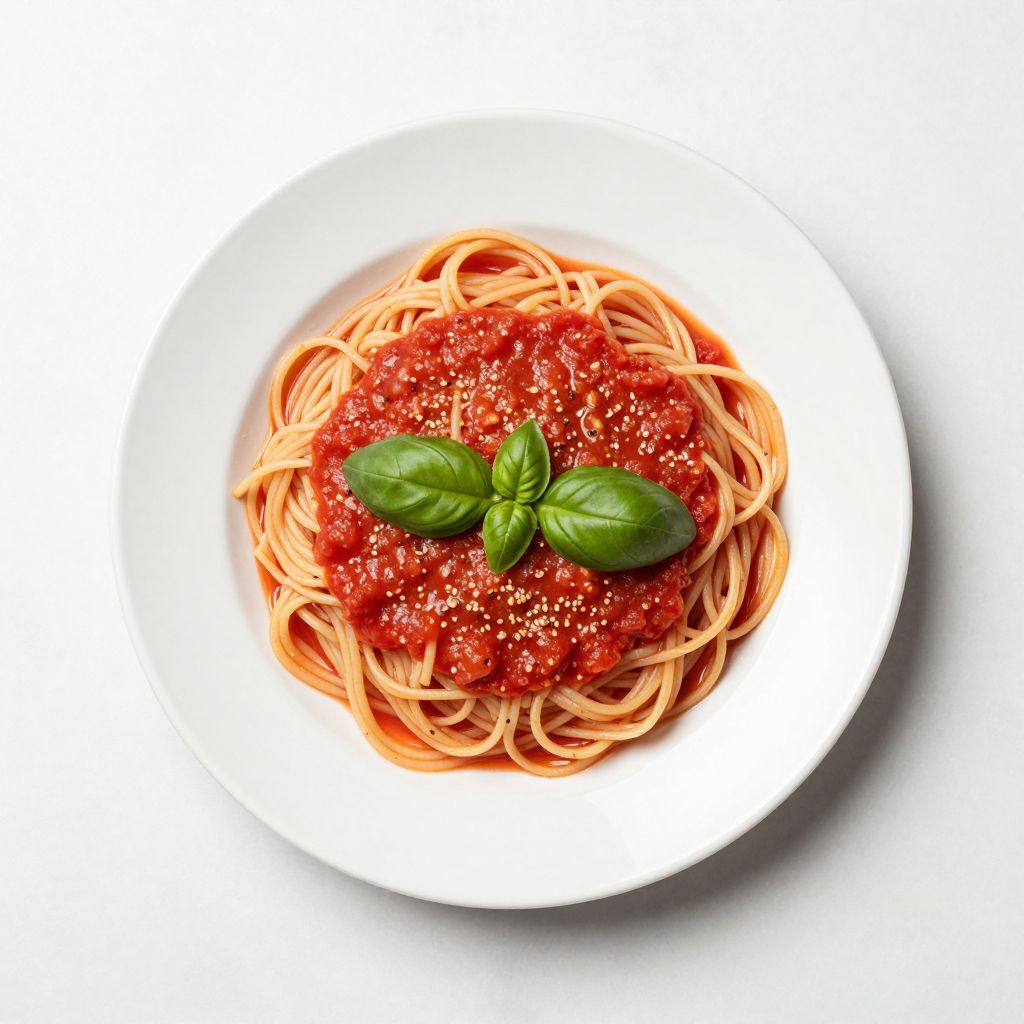
The smell of fresh tomatoes simmering in garlic and olive oil is the smell of Italy in a pot, and it’s the easiest way to turn a weeknight dinner into something that tastes like you spent hours in the kitchen.
Pomodoro sauce is a masterclass in simplicity. With just five core ingredients, you build layers of flavor that somehow taste more complex than their ingredient list suggests. This is the kind of sauce that home cooks and restaurant chefs both reach for because it works every single time.
Why You’ll Love This Recipe
This sauce comes together in under thirty minutes and proves that you don’t need cream, meat, or complicated techniques to make something genuinely delicious. It’s versatile, forgiving, and tastes even better the next day.
- Ready in less than thirty minutes from start to finish
- Uses just five basic pantry ingredients you probably already have
- Works with dried pasta, fresh pasta, gnocchi, or even vegetables
- Naturally vegan and vegetarian without any substitutions needed
- Makes enough to freeze for quick dinners throughout the month
My Experience Making This Recipe
I made this sauce for the first time after a trip to Rome, trying to chase that memory of eating pasta al pomodoro at a tiny neighborhood trattoria. My version wasn’t going to beat theirs, but I wanted to understand how they made something so good with so little.
The breakthrough came when I stopped fussing with it. I let good canned tomatoes do the work, added my garlic early enough to toast it slightly, and resisted the urge to add cream or sugar.
My family ate the entire pot that night, and my partner asked me to make it again the next day. Now it’s the sauce I make when I want comfort food that doesn’t feel heavy, which means it shows up on our table at least twice a month.
Recipe Overview
- Recipe Name: Pomodoro Sauce
- Servings: 4 servings
- Prep Time: 10 minutes
- Cook Time: 20 minutes
- Total Time: 30 minutes
- Course: Main Course or Sauce
- Cuisine: Italian
- Calories per Serving: 120
Equipment You Will Need
- Large saucepan or shallow pot with a lid
- Wooden spoon for stirring
- Measuring spoons and cups
- Chef’s knife for chopping garlic and basil
- Cutting board
- Can opener
Ingredients for Pomodoro Sauce
- Canned whole tomatoes: 28 ounces (one 28-ounce can, preferably San Marzano)
- Extra virgin olive oil: 1/4 cup
- Garlic: 4 cloves, thinly sliced
- Sea salt: 1 teaspoon, plus more to taste
- Fresh basil: 10 to 12 leaves, torn by hand
- Red pepper flakes: 1/4 teaspoon (optional, for heat)
Ingredient Notes and Substitutions
- Canned whole tomatoes: Whole tomatoes hold their shape better than crushed and give you more control over the sauce’s final texture. If you only have crushed tomatoes, use them but add one minute less cooking time.
- Extra virgin olive oil: The quality of your oil matters here since it’s such a prominent ingredient. Use good oil that you actually like the taste of. Regular olive oil works but won’t have the same fruity depth.
- Garlic: Fresh garlic is non-negotiable. Jarred garlic or garlic powder creates a flat, stale taste that this simple sauce can’t hide.
- Fresh basil: Basil adds brightness at the end. If you only have dried basil, use one teaspoon and add it during cooking instead of at the end.
- Red pepper flakes: These add a gentle warmth without heat if you keep them minimal. Skip them if you prefer no spice at all.
How to Make Pomodoro Sauce
Step 1: Prepare Your Tomatoes
Open your can of whole tomatoes and pour them into a bowl, crushing them by hand as they go into the bowl. You want them broken down but still with some texture, not pureed into liquid.
Step 2: Heat Your Olive Oil
Pour the extra virgin olive oil into your saucepan over medium heat. Let it warm for about one minute, just until it shimmers and becomes fragrant.
Step 3: Toast the Garlic
Add your sliced garlic to the warm oil and stir constantly for about one minute until it turns light golden and fills your kitchen with that unmistakable aroma. This step releases the garlic’s sweet, mellow flavors and infuses the oil.
Don’t let it brown or burn, because burnt garlic becomes bitter and ruins the whole sauce.
Step 4: Add the Tomatoes
Pour in your crushed tomatoes along with all their liquid, stirring everything together. The oil will sizzle slightly and create a beautiful combination.
Step 5: Season with Salt
Add your salt and red pepper flakes if using them. Salt brings out the natural sweetness of the tomatoes and rounds out all the flavors.
Taste it now and remember this baseline, because salt is easier to add than remove.
Step 6: Simmer the Sauce
Turn your heat down to medium-low and let the sauce simmer gently without a lid for fifteen to twenty minutes. You want small, lazy bubbles breaking the surface, not a rolling boil that reduces too quickly.
Stir occasionally and let the flavors meld and deepen. The sauce will darken slightly and become more concentrated as it cooks.
Step 7: Taste and Adjust
After about eighteen minutes, taste your sauce again. Add more salt if needed, keeping in mind that pasta water and pasta itself will add saltiness when you combine them.
The sauce should taste bright and tomato-forward, not flat or one-dimensional.
Step 8: Add Fresh Basil
Remove your saucepan from the heat and tear the fresh basil leaves by hand, then stir them in. Hand-tearing instead of cutting keeps the basil from bruising and turning black.
The warm sauce will release the basil’s oils and fill everything with that fresh, herbaceous scent.
Pro Tip: Save one cup of your pasta cooking water before you drain the pasta, and stir a few tablespoons into your sauce just before tossing it with the pasta. The starch in that water helps the sauce coat the pasta evenly and cling to every strand.
Tips for the Best Pomodoro Sauce
- Choose San Marzano tomatoes if you can find them, since they have fewer seeds and a naturally sweet flavor that makes a real difference in a five-ingredient sauce.
- Slice your garlic thin rather than mincing it, because thinner slices toast evenly and won’t have harsh, raw edges in some spots.
- Don’t cover the pot while simmering, since you want some liquid to evaporate and the sauce to concentrate and intensify.
- Add the basil only after removing from heat so it stays bright green and fragrant instead of turning dark and losing its fresh flavor.
- Make a double batch and freeze half in ice cube trays for quick portions that work for single servings or small meals.
- Let the finished sauce sit for five minutes before serving to let everything fully combine and settle.
Common Mistakes to Avoid
- Using jarred minced garlic instead of fresh cloves, which creates a musty, stale taste that ruins the clean simplicity of this sauce.
- Cooking the sauce at too high a heat, which causes the tomatoes to break down too fast and the oil to separate rather than emulsify into the sauce.
- Adding sugar to compensate for acidic tomatoes, which hides the true tomato flavor instead of letting quality canned tomatoes shine on their own.
- Overcooking the sauce beyond twenty minutes, which makes it taste concentrated but loses the fresh, lively quality that makes pomodoro special.
- Cutting the basil instead of tearing it, which bruises the leaves and turns them dark before they even hit the pot.
Serving Suggestions
This sauce pairs beautifully with thin, delicate pastas that let the sauce coat every strand. Serve it over hot pasta immediately after finishing, and always top with fresh basil and a drizzle of your best olive oil.
- Spaghetti or linguine with a grating of Parmigiano-Reggiano cheese
- Fresh pasta sheets layered with ricotta for a simple lasagna
- Gnocchi with a scatter of toasted breadcrumbs for texture
- Zucchini noodles for a lighter, vegetable-based version
- Polenta topped with sauce and melted mozzarella cheese
Variations to Try
- Add a pinch of dried oregano or thyme during cooking for a slightly earthier version that works especially well with heartier pastas.
- Stir in heavy cream or mascarpone at the end for a rosa sauce that’s still light but has a subtle richness.
- Roast fresh tomatoes instead of using canned for a concentrated, caramelized depth during summer when tomatoes are at their peak.
- Include a whole chili pepper during cooking and remove it before serving for a slow-building heat that develops as you eat.
- Finish with a drizzle of hot chili oil and crispy garlic chips for extra flavor and textural contrast.
Dietary Adaptations
- Gluten-free: This sauce is naturally gluten-free, just pair it with gluten-free pasta and verify your canned tomatoes have no additives.
- Dairy-free: The sauce contains no dairy, making it naturally suitable for vegan and dairy-free diets without any modifications.
- Vegan and vegetarian: This recipe is completely vegan and vegetarian as written, with no animal products at any stage.
- Low-carb and keto: Serve over spiralized vegetables or cauliflower rice instead of pasta to keep carbs minimal while enjoying the sauce.
Storage and Reheating
Refrigerator
Let your sauce cool completely before storing it in an airtight container. It keeps for up to five days in the refrigerator.
- Store in glass containers rather than plastic to prevent oil staining and flavor absorption
- Keep the fresh basil separate and add it just before serving for the best flavor
Freezer
This sauce freezes beautifully for up to three months. Freeze it flat in a bag for easy storage, or in ice cube trays for single-serving portions.
- Cool the sauce completely before freezing to prevent condensation
- Leave a tiny bit of headspace in containers since the sauce expands slightly when frozen
- Don’t add fresh basil before freezing, save it for after reheating
Reheating
Thaw frozen sauce overnight in the refrigerator, or reheat from frozen over low heat in a saucepan with a splash of water. Stir occasionally until heated through, about eight to ten minutes.
- Gentle, low heat prevents the tomatoes from breaking down further and keeps the sauce bright
- Add fresh basil only after reheating to preserve its fresh flavor
Nutrition Information
| Nutrient | Amount |
|---|---|
| Calories | 120 |
| Total Fat | 13g |
| Saturated Fat | 2g |
| Carbohydrates | 5g |
| Fiber | 1g |
| Sugar | 3g |
| Protein | 2g |
| Sodium | 440mg |
| Cholesterol | 0mg |
These values are calculated for the sauce alone without pasta or additional toppings. Nutritional content may vary slightly based on your specific brands and ingredients used.
Pomodoro Sauce
A simple and versatile Italian tomato sauce made with just five ingredients in under thirty minutes.
- Large saucepan or shallow pot with lid
- Wooden spoon
- Measuring spoons and cups
- Chef’s knife
- Cutting board
- Can opener
Main
- 28 ounces one 28-ounce can canned whole tomatoes, preferably San Marzano
- 1/4 cup extra virgin olive oil
- 4 cloves garlic (thinly sliced)
- 1 teaspoon sea salt (plus more to taste)
- 10 to 12 fresh basil leaves (torn by hand)
- 1/4 teaspoon red pepper flakes (optional for heat)
- Open the can of whole tomatoes and pour into a bowl. Crush the tomatoes by hand until broken down but still textured.
- Heat the olive oil in a large saucepan over medium heat for about 1 minute, until the oil shimmers and becomes fragrant.
- Add the sliced garlic and stir constantly for about 1 minute, until light golden and fragrant. Avoid browning.
- Pour in the crushed tomatoes and all their liquid, stirring to combine with the oil and garlic.
- Add the sea salt and red pepper flakes (if using), stir well, and taste to establish seasoning baseline.
- Reduce heat to medium-low and simmer the sauce uncovered for 15 to 20 minutes, stirring occasionally, until slightly thickened.
- Taste the sauce and adjust the salt if needed, keeping in mind pasta will also add salt.
- Remove the saucepan from heat and stir in the torn fresh basil leaves by hand, allowing their oils to infuse the sauce.
Reserve some pasta cooking water to stir into the sauce before tossing with pasta to help it cling evenly.
Frequently Asked Questions
Can I use fresh tomatoes instead of canned?
Absolutely. Use about two pounds of ripe tomatoes, blanch them briefly in boiling water to slip the skins off, then chop and crush them before cooking. Fresh tomato sauce takes slightly longer to reduce and concentrates since fresh tomatoes have more water content.
What if my sauce tastes too acidic?
Add a pinch of baking soda, which neutralizes acid and creates small bubbles as it reacts. Start with just a quarter teaspoon and stir, testing as you go since it works fast and you want to avoid making the sauce bitter.
How do I thicken a sauce that’s too watery?
Let it simmer uncovered for a few extra minutes to evaporate more liquid, or stir in a slurry of one tablespoon cornstarch mixed with two tablespoons water to thicken it instantly. Both methods work, depending on how much time you have.
Can I make this sauce ahead of time?
Yes, this sauce actually tastes better the next day after flavors have melded overnight in the refrigerator. Make it up to two days ahead, then reheat gently and add fresh basil just before serving.
Why does my sauce taste flat and one-dimensional?
You probably need more salt. Taste it and add salt by the quarter-teaspoon until the tomato flavor suddenly pops and becomes vibrant. Salt doesn’t make food taste salty, it amplifies the flavors that are already there.
Can I add other ingredients like garlic or herbs?
This recipe is a purist pomodoro, but it absolutely welcomes additions. Try a small can of anchovies melted into the oil for umami depth, or a dried chili for warmth, or fresh oregano for earthiness. Just remember that additions can mask the simple tomato flavor that makes this sauce special.
Final Thoughts
This sauce proves that cooking doesn’t have to be complicated to be delicious. Five ingredients and twenty minutes stand between you and something that tastes like you’ve been simmering tomatoes all afternoon.
Make it this week, and I bet you’ll make it again next week. That’s how simple, satisfying, and genuinely good pomodoro sauce is.
Want more pasta sauce ideas? Try our meat sauce recipe for when you want something richer, or explore our tomato gravy recipe for a different take on tomato-based sauces. Each one brings its own character to the table, but they all start with the same simple principle: let quality ingredients do the talking.