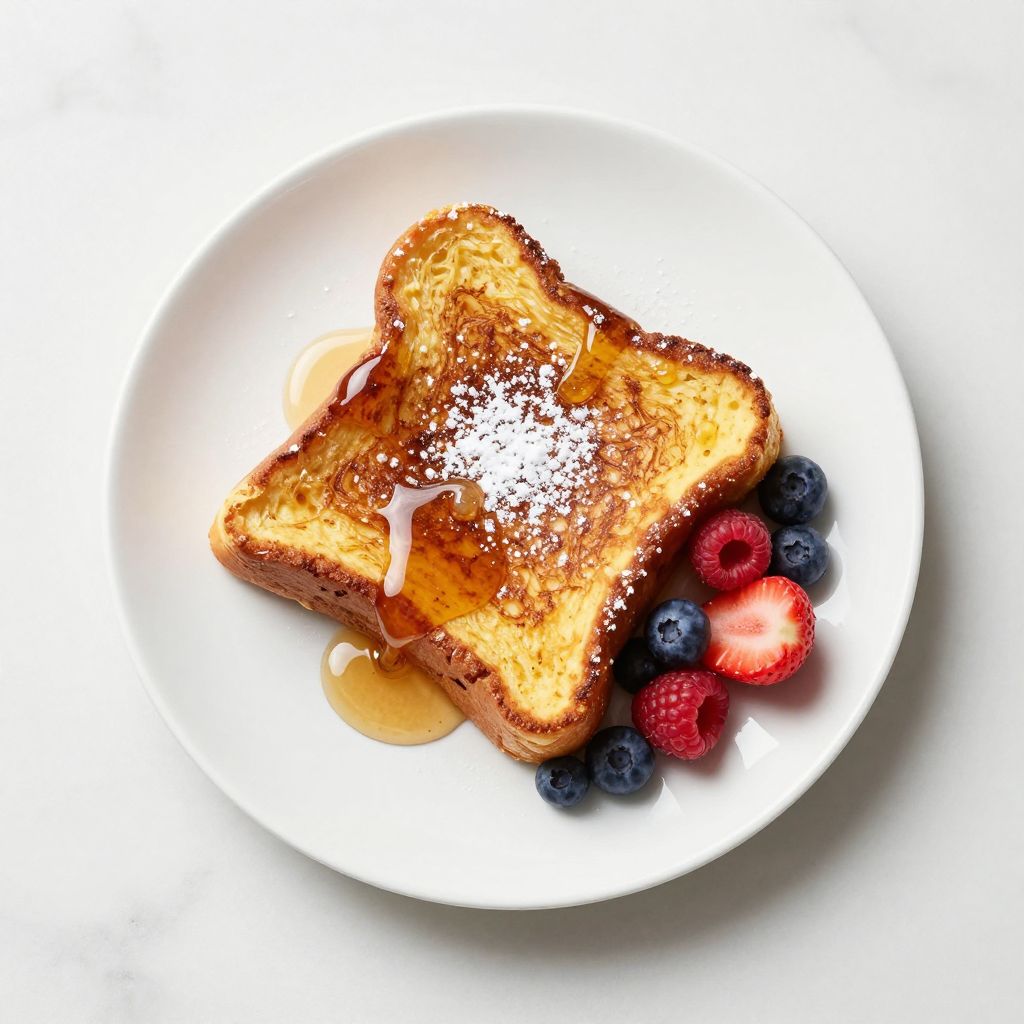
Picture this: you wake up on a quiet Saturday morning, the house is still, and you have exactly zero intention of sharing breakfast with anyone. French toast for one is not just a scaled-down version of a crowd-pleaser; it’s a small act of self-care wrapped in cinnamon and butter.
This single-serving recipe gives you all the crispy-edged, custardy-centered glory you crave without leftover egg mixture going to waste or a sink full of dishes. It takes less than 10 minutes from start to finish, uses ingredients you already have, and transforms ordinary bread into something that feels a little luxurious.
Let’s get you to the table with a breakfast that’s worth waking up for.
Why You’ll Love This Recipe
This recipe respects your time and your appetite without skimping on flavor or texture. It’s proof that cooking for one can be just as satisfying as cooking for a crowd.
- Takes under 10 minutes from cracking the egg to plating
- Uses just one egg and minimal ingredients, so nothing goes to waste
- Perfectly portioned for a solo breakfast without leftovers
- Delivers crispy golden edges with a soft, custardy center
- Easily customizable with sweet or savory toppings
My Experience Making This Recipe
I started making this on weekday mornings when I realized I was skipping breakfast because “cooking for one felt like too much effort.” Turns out, cracking a single egg into a shallow bowl and dunking two slices of bread takes less time than my coffee brews.
The first bite always delivers that satisfying contrast: the outside shatters with a buttery crunch, and the inside gives way to soft, vanilla-scented custard. I’ve served this to myself dozens of times now, tweaking the cinnamon level and experimenting with different breads.
When my roommate smelled it cooking one morning, she asked why I never made her any. I told her to get her own egg.
Recipe Overview
- Recipe Name: French Toast for 1
- Servings: 1
- Prep Time: 3 minutes
- Cook Time: 6 minutes
- Total Time: 9 minutes
- Course: Breakfast
- Cuisine: American
- Calories per Serving: 385
Equipment You Will Need
- Shallow bowl or pie dish
- Fork or small whisk
- Nonstick skillet or griddle
- Spatula
- Measuring spoons
- Plate for serving
Ingredients for French Toast for 1
- 1 large egg
- 3 tablespoons whole milk (or milk of choice)
- 1/4 teaspoon vanilla extract
- 1/4 teaspoon ground cinnamon
- Pinch of salt
- 2 slices of bread (thick-cut works best)
- 1 tablespoon butter (for cooking)
- Maple syrup (for serving)
- Powdered sugar (optional, for dusting)
Ingredient Notes and Substitutions
- Whole milk: Adds richness and helps create a creamy custard; substitute with almond milk, oat milk, or even heavy cream for extra decadence.
- Vanilla extract: Provides warm, sweet aromatics that define classic French toast; swap with almond extract or omit entirely for a simpler version.
- Ground cinnamon: Adds warmth and depth without overpowering; replace with pumpkin pie spice or nutmeg for a different flavor profile.
- Thick-cut bread: Absorbs custard without falling apart and creates the best texture; substitute with brioche, challah, sourdough, or even day-old sandwich bread in a pinch.
- Butter: Creates a golden crust and adds rich flavor; use coconut oil or a neutral oil if dairy-free, though you’ll lose some of that classic buttery taste.
How to Make French Toast for 1
Step 1: Prepare the Custard Mixture
Crack the egg into a shallow bowl and add the milk, vanilla extract, cinnamon, and a pinch of salt. Whisk everything together with a fork until the mixture is completely smooth and no streaks of egg white remain.
A shallow bowl works better than a deep one because it allows you to submerge the bread slices evenly. The pinch of salt balances the sweetness and enhances all the other flavors.
Step 2: Heat Your Skillet
Place your nonstick skillet over medium heat and let it warm up for about 1 minute. You want the pan hot enough that a drop of water sizzles gently but doesn’t immediately evaporate.
Starting with a properly heated pan ensures even browning and prevents the bread from sticking. Too hot and the outside burns before the inside cooks; too cool and you get soggy, pale French toast.
Step 3: Soak the Bread
Place one slice of bread into the custard mixture and let it sit for about 10 seconds, then flip it and soak the other side for another 10 seconds. Repeat with the second slice.
The goal is thorough saturation without turning the bread to mush. Thicker bread can handle a longer soak, while thinner slices need just a quick dip on each side.
Step 4: Add Butter to the Pan
Add the butter to your heated skillet and swirl it around as it melts, coating the entire cooking surface. Let it foam slightly but pull the pan off the heat if it starts to brown.
Butter adds flavor and creates that irresistible golden crust, but burned butter tastes bitter and ruins the dish. Watch it closely during these few seconds.
Step 5: Cook the First Side
Place both soaked bread slices into the buttered skillet and let them cook undisturbed for 2 to 3 minutes. You’ll know they’re ready to flip when the edges look set and the underside is deep golden brown.
Resist the urge to peek too early or press down on the bread with your spatula. Let the heat do its work to develop that crispy exterior.
Step 6: Flip and Cook the Second Side
Use your spatula to carefully flip each slice and cook for another 2 to 3 minutes on the second side. The French toast should feel slightly firm to the touch and show no wet, eggy spots.
The second side usually cooks a bit faster than the first since the pan is fully heated and the custard is already setting. Watch for that same golden-brown color you achieved on the first side.
Step 7: Check for Doneness
Gently press the center of one slice with your spatula. It should feel set and springy, not squishy or wet.
Undercooked French toast has a raw egg texture in the middle that’s unpleasant, while overcooked French toast turns rubbery. You’re looking for that sweet spot where the custard is just cooked through.
Step 8: Plate and Serve
Transfer your French toast to a plate and top immediately with maple syrup, a dusting of powdered sugar, fresh berries, or whatever toppings make your morning feel special. Serve while still hot for the best texture contrast.
French toast continues to steam after you remove it from the pan, so eating it right away preserves that crispy exterior. Waiting even five minutes softens the crust.
Pro Tip: Use day-old bread instead of fresh. Slightly stale bread absorbs the custard mixture better without falling apart and creates a superior texture with more structure and less sogginess.
Tips for the Best French Toast for 1
- Let your bread sit out uncovered for an hour before cooking, or toast it lightly to dry it out. Drier bread soaks up custard more efficiently and holds together better during cooking.
- Don’t skip the vanilla extract even though it’s a small amount. It provides that signature French toast flavor that makes the dish taste intentional rather than like scrambled eggs on bread.
- Keep your heat at medium rather than cranking it up to speed things along. High heat browns the outside before the custard inside can set, leaving you with burned toast and raw egg.
- Whisk the custard mixture thoroughly to break up the egg completely. Streaks of egg white will cook into unpleasant white bits on your finished toast.
- Use real maple syrup instead of pancake syrup if you can. The difference in flavor is significant, and you only need a tablespoon or two.
- Add a tiny pinch of nutmeg to the custard along with the cinnamon for a more complex, warming spice profile that elevates the dish.
Common Mistakes to Avoid
- Soaking the bread too long turns it into a soggy mess that falls apart when you try to transfer it to the pan. Twenty seconds total is plenty for most breads.
- Using bread that’s too thin means it can’t absorb enough custard to develop that creamy interior. Aim for slices at least 3/4 inch thick.
- Cooking over high heat seems like a time-saver but results in a burned exterior and raw, eggy middle. Medium heat gives you control and even cooking.
- Skipping the salt in the custard makes the French toast taste flat and one-dimensional. Salt amplifies the vanilla and cinnamon and balances the sweetness.
- Not letting the pan preheat properly means the bread sits in butter longer than it should, absorbing grease instead of crisping up. Give your skillet a full minute to heat.
Serving Suggestions
French toast for one is a blank canvas that works with both classic and creative toppings. The key is balancing the rich, eggy base with something bright, sweet, or textured.
- Fresh berries and a dollop of whipped cream for a classic combination that adds freshness
- Sliced banana with a drizzle of honey and chopped walnuts for natural sweetness and crunch
- Crispy bacon on the side for a sweet-and-savory contrast that satisfies multiple cravings
- Greek yogurt and a handful of granola for added protein and a healthier spin
- Cream cheese and jam spread between two slices for a stuffed French toast experience
Variations to Try
- Stuffed French toast: Spread cream cheese or Nutella between two slices before dipping in custard, then cook as usual for a decadent filled version. The filling melts slightly and creates pockets of rich flavor.
- Savory French toast: Skip the cinnamon and vanilla, add a pinch of black pepper and garlic powder to the custard, then top with avocado and hot sauce. This turns the dish into a satisfying savory breakfast that pairs well with eggs.
- Cinnamon roll French toast: Use a thick slice of cinnamon roll bread or swirl bread for extra cinnamon flavor throughout. The existing sweetness in the bread caramelizes beautifully in the pan.
- Chai-spiced French toast: Replace the cinnamon with a chai spice blend including cardamom, ginger, and cloves for a warming, aromatic version. This works especially well in fall and winter.
- Orange zest French toast: Add 1/4 teaspoon of fresh orange zest to the custard mixture for a bright, citrusy note that cuts through the richness. Pair with fresh berries for a vibrant breakfast.
Dietary Adaptations
- Gluten-free: Use your favorite gluten-free bread, though you may need to reduce soaking time as GF bread tends to be more delicate and can fall apart more easily.
- Dairy-free: Swap the milk for almond milk, oat milk, or coconut milk and use vegan butter or coconut oil for cooking; the texture stays similar but you lose some richness.
- Vegan: Replace the egg with 3 tablespoons of mashed banana or 2 tablespoons of ground flaxseed mixed with 5 tablespoons of water; the result won’t be identical but still delivers a tasty breakfast.
- Low-carb/Keto: Use low-carb bread and replace the milk with heavy cream or unsweetened almond milk; top with sugar-free syrup and berries to keep carbs minimal.
Storage and Reheating
Refrigerator
Let the French toast cool completely, then store in an airtight container for up to 2 days. The texture won’t be quite as crispy after storage, but it still makes a quick breakfast.
- Place parchment paper between slices to prevent sticking
- Refrigerate within 2 hours of cooking to prevent bacterial growth
Freezer
Cool the French toast completely, wrap each slice individually in plastic wrap, then place in a freezer bag for up to 1 month. Frozen French toast reheats surprisingly well and makes for convenient grab-and-go breakfasts.
- Label with the date so you use it within the optimal timeframe
- Remove from the freezer the night before and thaw in the refrigerator for best results
Reheating
The toaster or toaster oven works best for reheating because it restores some of the exterior crispness. A microwave makes French toast soggy and rubbery, so avoid it if possible.
- Toast on medium setting for 2 to 3 minutes until warmed through and slightly crispy
- Use a regular oven at 350°F for 5 to 7 minutes if reheating multiple slices
- Add a pat of butter to the pan if reheating on the stovetop for extra flavor
Nutrition Information
| Nutrient | Amount |
|---|---|
| Calories | 385 |
| Total Fat | 16g |
| Saturated Fat | 8g |
| Carbohydrates | 45g |
| Fiber | 2g |
| Sugar | 6g |
| Protein | 13g |
| Sodium | 420mg |
| Cholesterol | 201mg |
Nutritional values are approximate and based on standard ingredients without toppings. Your actual values will vary based on the specific bread and milk you use.
Frequently Asked Questions
Can I make the custard mixture ahead of time?
Yes, you can whisk the egg mixture and store it covered in the refrigerator for up to 24 hours. Give it a quick stir before using since the cinnamon may settle to the bottom.
What’s the best bread to use for French toast?
Thick-cut brioche or challah produces the most luxurious results, but day-old sandwich bread, sourdough, or even Texas toast all work well. Avoid thin sandwich bread as it gets too soggy.
Why is my French toast soggy in the middle?
You either soaked the bread too long or cooked it over heat that was too high, which browned the outside before the inside could set. Use medium heat and limit soaking to 20 seconds total.
Can I double this recipe?
Absolutely, just double all ingredients and use a larger skillet or cook in batches. Keep the first batch warm in a 200°F oven while you cook the second.
Do I need to add sugar to the custard?
Not for this recipe, as the maple syrup provides plenty of sweetness. Some people like adding 1/2 teaspoon of sugar to the custard for a slightly sweeter base, but it’s completely optional.
Can I use egg whites only?
You can, but the French toast won’t be as rich or have the same golden color. The yolk contributes flavor, color, and that signature custardy texture.
How do I know when the French toast is fully cooked?
Press the center gently with your spatula; it should feel firm and springy, not wet or squishy. The custard should be completely set with no liquid egg remaining.
Final Thoughts
Cooking for one doesn’t mean settling for cereal or skipping breakfast entirely. This French toast recipe proves that a satisfying, made-from-scratch meal can happen in less time than it takes to scroll through your phone.
Treat yourself to this simple pleasure on a weekday morning or a lazy weekend. You deserve breakfast that tastes like someone who loves you made it, even if that someone is you.
French Toast for 1

A perfectly portioned single-serving French toast that delivers crispy golden edges with a soft, custardy center in less than 10 minutes. This recipe uses just one egg and minimal ingredients, making it ideal for a quick solo breakfast without waste.
- Shallow bowl or pie dish
- Fork or small whisk
- Nonstick skillet or griddle
- Spatula
- Measuring spoons
- Plate for serving
Main
- 1 large egg
- 3 tablespoons whole milk (or milk of choice)
- 1/4 teaspoon vanilla extract
- 1/4 teaspoon ground cinnamon
- Pinch of salt
- 2 slices of bread (thick-cut works best)
- 1 tablespoon butter (for cooking)
For Serving
- Maple syrup
- Powdered sugar (optional, for dusting)
- Crack the egg into a shallow bowl and add the milk, vanilla extract, cinnamon, and a pinch of salt. Whisk everything together with a fork until the mixture is completely smooth and no streaks of egg white remain.
- Place your nonstick skillet over medium heat and let it warm up for about 1 minute. You want the pan hot enough that a drop of water sizzles gently but doesn’t immediately evaporate.
- Place one slice of bread into the custard mixture and let it sit for about 10 seconds, then flip it and soak the other side for another 10 seconds. Repeat with the second slice.
- Add the butter to your heated skillet and swirl it around as it melts, coating the entire cooking surface. Let it foam slightly but pull the pan off the heat if it starts to brown.
- Place both soaked bread slices into the buttered skillet and let them cook undisturbed for 2 to 3 minutes. You’ll know they’re ready to flip when the edges look set and the underside is deep golden brown.
- Use your spatula to carefully flip each slice and cook for another 2 to 3 minutes on the second side. The French toast should feel slightly firm to the touch and show no wet, eggy spots.
- Gently press the center of one slice with your spatula. It should feel set and springy, not squishy or wet.
- Transfer your French toast to a plate and top immediately with maple syrup, a dusting of powdered sugar, fresh berries, or whatever toppings make your morning feel special. Serve while still hot for the best texture contrast.
Use day-old bread instead of fresh. Slightly stale bread absorbs the custard mixture better without falling apart and creates a superior texture with more structure and less sogginess. Don’t skip the vanilla extract even though it’s a small amount as it provides that signature French toast flavor. Keep your heat at medium rather than high to avoid burning the outside before the custard inside can set.