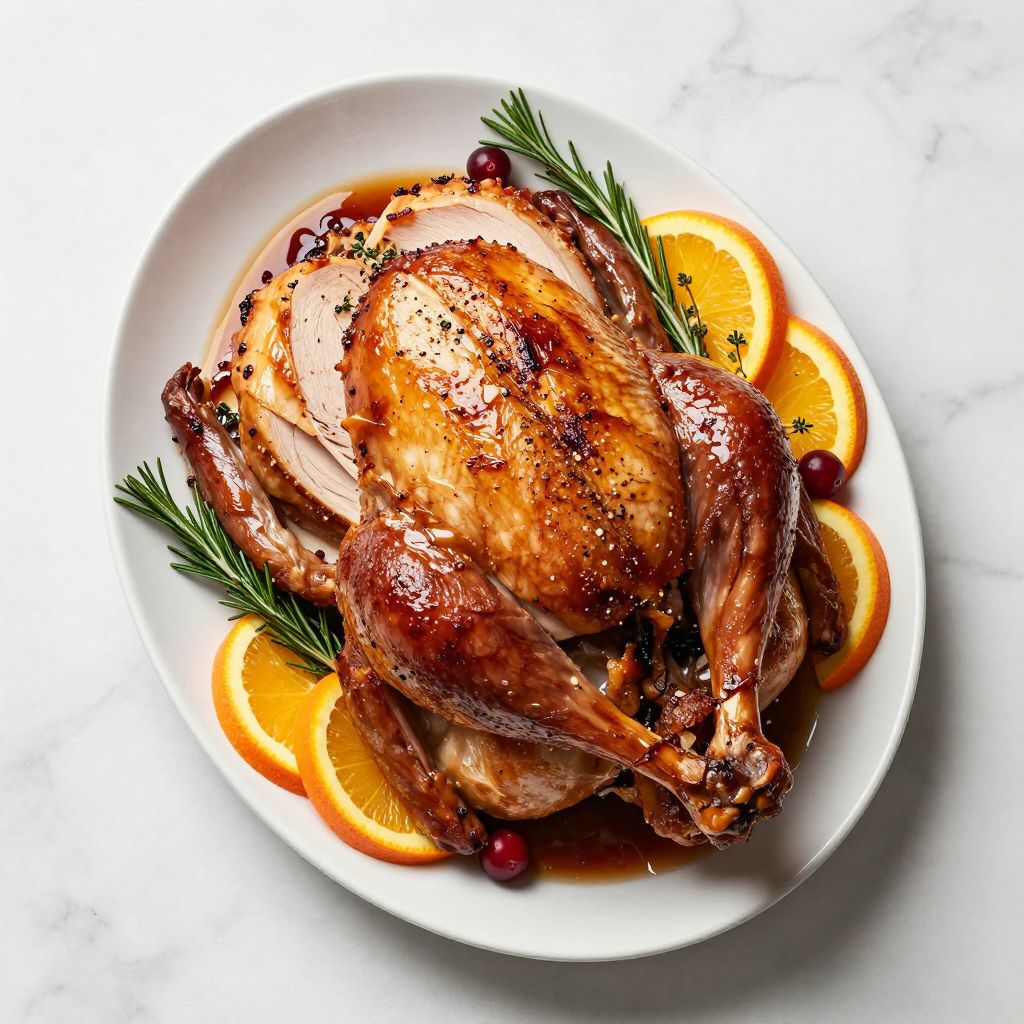
Turkey injection recipe transforms an ordinary holiday bird into a juicy, flavor-packed centerpiece that will have everyone asking for your secret. By injecting a savory marinade directly into the meat, you bypass the limitations of surface seasoning and deliver moisture and flavor deep into the turkey breast and thighs. This method works beautifully for Thanksgiving, Christmas, or any time you want to serve an unforgettable roasted turkey.
The best part about this technique is how simple it is once you understand the basics. You’ll need just a handful of pantry ingredients and about 10 minutes of prep time to inject your bird before roasting.
Why You’ll Love This Recipe
This injection marinade solves the age-old problem of dry turkey by delivering moisture where it matters most. The blend of butter, broth, and seasonings creates a self-basting effect from the inside out.
- Keeps white and dark meat incredibly moist without brining for 24 hours
- Takes only 10 minutes to prepare and inject compared to lengthy brine times
- Delivers deep flavor that surface rubs and seasonings cannot reach
- Works perfectly for both oven roasting and deep frying methods
- Uses common ingredients you likely already have in your kitchen
My Experience Making This Recipe
I started using turkey injections about five years ago after one too many dry Thanksgiving disasters. The first time I tried this method, I was skeptical that such a simple mixture could make a real difference.
When I carved that first injected turkey, the breast meat released a stream of flavorful juice that pooled on the cutting board. My family noticed immediately, and my uncle declared it the best turkey he’d ever eaten, which coming from him meant something real.
Now I refuse to roast a turkey without injecting it first. The peace of mind knowing the meat will stay moist is worth the small extra effort every single time.
Recipe Overview
- Recipe Name: Turkey Injection Recipe
- Servings: Enough for one 12 to 14 pound turkey
- Prep Time: 10 minutes
- Cook Time: Varies by turkey size and method
- Total Time: 10 minutes (injection only)
- Course: Main Course
- Cuisine: American
- Calories per Serving: 45 (per 2 tablespoon injection portion)
Equipment You Will Need
- Meat injector with a large gauge needle (2 ounce capacity recommended)
- Medium saucepan
- Fine mesh strainer or cheesecloth
- Measuring cups and spoons
- Whisk
- Heat-safe bowl or measuring cup for straining
- Paper towels for cleanup
Ingredients for Turkey Injection Recipe
- 1 cup low-sodium chicken broth or turkey stock
- 1/2 cup unsalted butter
- 2 tablespoons lemon juice, freshly squeezed
- 2 tablespoons Worcestershire sauce
- 1 tablespoon garlic powder
- 1 tablespoon onion powder
- 2 teaspoons kosher salt
- 1 teaspoon black pepper, freshly ground
- 1 teaspoon paprika
- 1/2 teaspoon cayenne pepper (optional for heat)
- 1/2 teaspoon dried thyme
Ingredient Notes and Substitutions
- Low-sodium chicken broth: This provides the liquid base and savory flavor without making the injection too salty. You can substitute turkey stock or even vegetable broth for similar results.
- Unsalted butter: This adds richness and helps carry fat-soluble flavors throughout the meat. Substitute with melted ghee or even olive oil if you need a dairy-free option, though the flavor will be slightly different.
- Lemon juice: The acidity brightens the flavors and helps tenderize the meat fibers slightly. White wine or apple cider vinegar works as a substitute in equal amounts.
- Worcestershire sauce: This provides umami depth and complexity to the injection. Soy sauce or liquid aminos can replace it, but reduce the salt slightly if using soy sauce.
- Garlic powder and onion powder: These aromatics dissolve easily and distribute flavor evenly without clogging the injector needle. Fresh garlic and onion will clog your injector, so stick with powdered versions.
- Paprika: This adds a subtle sweetness and color to the injection mixture. Smoked paprika creates a deeper, smokier flavor profile if you prefer that direction.
How to Make Turkey Injection Recipe
Step 1: Combine the Ingredients
Add the chicken broth, butter, lemon juice, and Worcestershire sauce to a medium saucepan over medium heat. Stir occasionally as the butter melts completely into the liquid, which should take about 3 to 4 minutes.
Keeping the heat at medium prevents the butter from separating and helps everything blend smoothly. A smooth mixture injects more easily and distributes more evenly through the turkey meat.
Step 2: Add the Seasonings
Whisk in the garlic powder, onion powder, salt, black pepper, paprika, cayenne pepper if using, and dried thyme. Continue whisking for about 1 minute to fully dissolve all the dry ingredients into the liquid base.
Proper dissolution matters here because any undissolved clumps will clog your injector needle and create frustration during the injection process. The mixture should look uniform with no visible dry spots floating on the surface.
Step 3: Simmer and Blend
Bring the mixture to a gentle simmer and cook for 2 to 3 minutes, stirring frequently. This brief cooking time allows the flavors to meld together and ensures all the seasonings are completely incorporated.
You’ll notice the aroma intensifying as the garlic and onion powders bloom in the hot liquid. Remove the saucepan from heat once the mixture is fragrant and steaming.
Step 4: Strain the Injection
Pour the hot mixture through a fine mesh strainer or several layers of cheesecloth into a heat-safe bowl or large measuring cup. Press gently on any solids with the back of a spoon to extract all the liquid.
Straining removes any particles that could clog your injector needle and creates a smooth liquid that flows easily. Even small bits of herbs or undissolved spices can cause problems, so don’t skip this step.
Step 5: Cool the Mixture
Let the strained injection marinade cool to room temperature, which takes about 20 to 30 minutes. You can speed this process by placing the container in an ice bath if you’re short on time.
Injecting hot liquid into cold turkey can promote bacterial growth in the danger zone temperature range. Room temperature injection also flows more smoothly through the needle than cold liquid would.
Step 6: Prepare Your Turkey
Pat your turkey completely dry with paper towels, paying special attention to the cavity and under the skin. Remove the neck and giblets if they’re still inside the cavity.
Dry skin allows better browning during roasting and ensures the injection sites seal properly. Any surface moisture will steam rather than crisp, giving you pale, rubbery skin instead of that beautiful golden finish.
Step 7: Fill the Injector
Draw the cooled injection marinade into your meat injector by pulling back the plunger while the needle tip is submerged in the liquid. Fill it completely, then hold the injector upright and push the plunger slightly to remove any air bubbles.
Air bubbles take up space that should contain marinade and can cause the injection to spray unpredictably. A full injector without air delivers a consistent amount with each injection point.
Step 8: Inject the Turkey
Insert the needle deep into the thickest part of each breast, thigh, and drumstick at a 45-degree angle. Push the plunger slowly and steadily while gradually withdrawing the needle to distribute the marinade throughout the muscle.
You should inject about 1 ounce of marinade per pound of turkey, spacing your injection sites about 2 inches apart. Watch for the meat to swell slightly as you inject, which indicates you’re filling the muscle fibers properly rather than just pooling liquid under the skin.
Step 9: Massage and Rest
After injecting all areas, gently massage the turkey to help distribute the marinade evenly through the meat. You can roast immediately or refrigerate the injected turkey uncovered for up to 24 hours.
Refrigerating allows the flavors to penetrate further and the skin to dry out even more, which creates extra crispy skin during roasting. Either way, the injection has already done its primary job of delivering moisture deep into the meat.
Pro Tip: Always inject your turkey over a rimmed baking sheet or large dish because some marinade will leak back out through the injection holes. This is completely normal and doesn’t mean you’re doing anything wrong.
Tips for the Best Turkey Injection Recipe
- Make a double batch if you’re roasting a turkey larger than 16 pounds, as bigger birds need more injection marinade to stay proportionally moist. You want about 1 ounce of injection per pound of turkey.
- Inject the turkey 2 to 4 hours before roasting if you’re pressed for time, but overnight yields even better flavor penetration. The salt in the injection needs time to work its way through the muscle fibers.
- Target the breast meat with extra injections since white meat dries out faster than dark meat. I typically use about 60% of my injection in the breasts and 40% in the legs and thighs.
- Keep your injector needle clean between uses by immediately rinsing it with hot water. Dried marinade turns cement-hard and ruins the needle for future use.
- Warm the injection slightly if it has been refrigerated, as cold butter will solidify and clog your injector. A few seconds in the microwave brings it back to the perfect flowing consistency.
- Mark your injection sites mentally as you work so you don’t accidentally inject the same spot twice. Overlapping injections waste marinade and can make those areas mushy.
Common Mistakes to Avoid
- Using fresh garlic or onion instead of powder will clog your injector needle immediately and create a frustrating mess. Always stick with powdered aromatics for injection marinades.
- Injecting the turkey while it’s frozen or partially frozen prevents proper marinade distribution and can damage the meat structure. Always thaw your turkey completely in the refrigerator first.
- Pushing the plunger too quickly forces the marinade out through the entry hole instead of dispersing it through the meat. Slow and steady pressure gives the liquid time to spread through the muscle fibers.
- Skipping the straining step leaves particles that will clog your needle mid-injection, forcing you to stop and clean the equipment. Those two minutes of straining save you ten minutes of frustration later.
- Injecting too much marinade in one spot creates pockets of liquid that leak out during cooking rather than staying in the meat. Multiple smaller injections work better than fewer large ones.
Serving Suggestions
This beautifully moist and flavorful turkey deserves equally impressive side dishes. The savory injection pairs wonderfully with both traditional holiday sides and lighter, modern accompaniments.
- Classic herb stuffing or cornbread dressing to soak up all those delicious pan drippings
- Creamy mashed potatoes with roasted garlic for a comforting, rich pairing
- Roasted Brussels sprouts with bacon to add a crispy, savory vegetable element
- Cranberry sauce with orange zest to provide bright, tart contrast to the rich turkey
- Green bean casserole or sauteed green beans with almonds for a classic holiday touch
Variations to Try
- Cajun-style injection swaps the paprika for 2 teaspoons of Cajun seasoning and adds an extra 1/2 teaspoon of cayenne for serious heat. This version works beautifully for deep-fried turkeys and adds a Louisiana kick to your holiday table.
- Herb-forward version uses 2 teaspoons each of dried rosemary, sage, and thyme instead of the paprika and cayenne. The result tastes like traditional Thanksgiving herbs but delivered from the inside out.
- Maple bourbon injection adds 3 tablespoons of bourbon and 2 tablespoons of maple syrup while reducing the broth slightly. This sweet and boozy variation creates caramelized flavors that pair incredibly with sweet potato sides.
- Garlic butter injection doubles the garlic powder to 2 tablespoons and increases the butter to 3/4 cup. If you’re a garlic lover, this rich version delivers intense, savory flavor throughout every bite.
- Asian-inspired injection replaces Worcestershire with soy sauce, adds 1 tablespoon of sesame oil, and includes 1 teaspoon of ground ginger. This completely changes the flavor profile and works great for non-traditional holiday meals.
Dietary Adaptations
- Gluten-free: Use tamari instead of Worcestershire sauce and verify your broth is certified gluten-free. Most major brands are safe, but always check labels to be certain.
- Dairy-free: Replace the butter with olive oil or melted coconut oil for a dairy-free version. The injection won’t be quite as rich, but it still delivers excellent moisture and flavor.
- Low-sodium: Use no-salt-added broth and reduce the kosher salt to 1/2 teaspoon or omit it entirely. The Worcestershire sauce and other seasonings provide enough flavor to carry the injection without added salt.
- Paleo: This recipe is already paleo-friendly if you use compliant broth and swap Worcestershire for coconut aminos. Check that your broth contains no added sugars or non-paleo ingredients.
Storage and Reheating
Refrigerator
Store leftover injection marinade in an airtight container in the refrigerator for up to 5 days. The butter will solidify, so you’ll need to warm it gently before using it for another turkey or even for injecting chicken.
- Label the container with the date so you remember when you made it
- Reheat in a saucepan over low heat or microwave in 15-second intervals
- Strain again after reheating if any separation has occurred
Freezer
Freeze unused injection marinade in ice cube trays for convenient portioning, then transfer the frozen cubes to a freezer bag. This method lets you thaw exactly what you need for smaller birds or chicken.
- Freeze for up to 3 months without quality loss
- Thaw overnight in the refrigerator before using
- Each standard ice cube holds about 2 tablespoons of marinade
Reheating
Leftover turkey that was injected with this marinade reheats beautifully without drying out. The injected moisture helps the meat retain its juiciness even during the second heating.
- Reheat sliced turkey in a covered dish with a splash of broth at 325°F for 15 to 20 minutes
- Microwave individual portions covered with a damp paper towel on 50% power in 1-minute intervals
- Add leftover turkey to soups or casseroles where it will rehydrate naturally
Nutrition Information
| Nutrient | Amount |
|---|---|
| Calories | 45 |
| Total Fat | 4g |
| Saturated Fat | 2.5g |
| Carbohydrates | 2g |
| Fiber | 0g |
| Sugar | 1g |
| Protein | 1g |
| Sodium | 285mg |
| Cholesterol | 10mg |
Nutritional values are approximate and calculated per 2 tablespoon serving of injection marinade. Actual nutritional content will vary based on how much marinade remains in the finished turkey versus what cooks off or drips away during roasting.
Frequently Asked Questions
Can I inject my turkey the night before roasting?
Yes, injecting your turkey 12 to 24 hours before roasting actually improves the results by allowing more time for flavor penetration. Just make sure to refrigerate the injected turkey uncovered so the skin dries out properly for better browning.
How much injection marinade do I need for different turkey sizes?
Use approximately 1 ounce of injection marinade per pound of turkey as a general guideline. A 12-pound turkey needs about 1.5 cups of injection, while a 20-pound bird needs roughly 2.5 cups.
What should I do if my injector needle keeps clogging?
Remove the needle and flush it with hot water immediately, then make sure you’ve properly strained your marinade. If problems continue, your needle opening might be too small, so consider upgrading to a large-gauge injector designed for thicker marinades.
Can I use this injection for a
Turkey Injection Recipe

This turkey injection recipe transforms an ordinary holiday bird into a juicy, flavor-packed centerpiece by injecting a savory marinade directly into the meat. The blend of butter, broth, and seasonings creates a self-basting effect from the inside out, keeping white and dark meat incredibly moist without lengthy brining.
- Meat injector with large gauge needle (2 ounce capacity recommended)
- Medium saucepan
- Fine mesh strainer or cheesecloth
- Measuring cups and spoons
- Whisk
- Heat-safe bowl or measuring cup
- Paper towels
Main
- 1 cup low-sodium chicken broth or turkey stock
- 1/2 cup unsalted butter
- 2 tablespoons lemon juice (freshly squeezed)
- 2 tablespoons Worcestershire sauce
- 1 tablespoon garlic powder
- 1 tablespoon onion powder
- 2 teaspoons kosher salt
- 1 teaspoon black pepper (freshly ground)
- 1 teaspoon paprika
- 1/2 teaspoon cayenne pepper (optional)
- 1/2 teaspoon dried thyme
- Add the chicken broth, butter, lemon juice, and Worcestershire sauce to a medium saucepan over medium heat. Stir occasionally as the butter melts completely into the liquid, about 3 to 4 minutes.
- Whisk in the garlic powder, onion powder, salt, black pepper, paprika, cayenne pepper if using, and dried thyme. Continue whisking for about 1 minute to fully dissolve all the dry ingredients into the liquid base.
- Bring the mixture to a gentle simmer and cook for 2 to 3 minutes, stirring frequently, until the flavors meld together and all seasonings are completely incorporated. Remove from heat.
- Pour the hot mixture through a fine mesh strainer or several layers of cheesecloth into a heat-safe bowl or large measuring cup. Press gently on any solids with the back of a spoon to extract all the liquid.
- Let the strained injection marinade cool to room temperature, about 20 to 30 minutes. You can speed this process by placing the container in an ice bath if needed.
- Pat your turkey completely dry with paper towels, paying special attention to the cavity and under the skin. Remove the neck and giblets if still inside.
- Draw the cooled injection marinade into your meat injector by pulling back the plunger while the needle tip is submerged in the liquid. Fill it completely, then hold the injector upright and push the plunger slightly to remove any air bubbles.
- Insert the needle deep into the thickest part of each breast, thigh, and drumstick at a 45-degree angle. Push the plunger slowly and steadily while gradually withdrawing the needle to distribute the marinade throughout the muscle. Inject about 1 ounce of marinade per pound of turkey, spacing injection sites about 2 inches apart.
- After injecting all areas, gently massage the turkey to help distribute the marinade evenly through the meat. Roast immediately or refrigerate the injected turkey uncovered for up to 24 hours before cooking.
Always inject your turkey over a rimmed baking sheet or large dish because some marinade will leak back out through the injection holes. Target the breast meat with extra injections since white meat dries out faster than dark meat. Use about 60% of injection in the breasts and 40% in the legs and thighs. Make a double batch for turkeys larger than 16 pounds. Store leftover injection marinade in refrigerator for up to 5 days or freeze for up to 3 months.