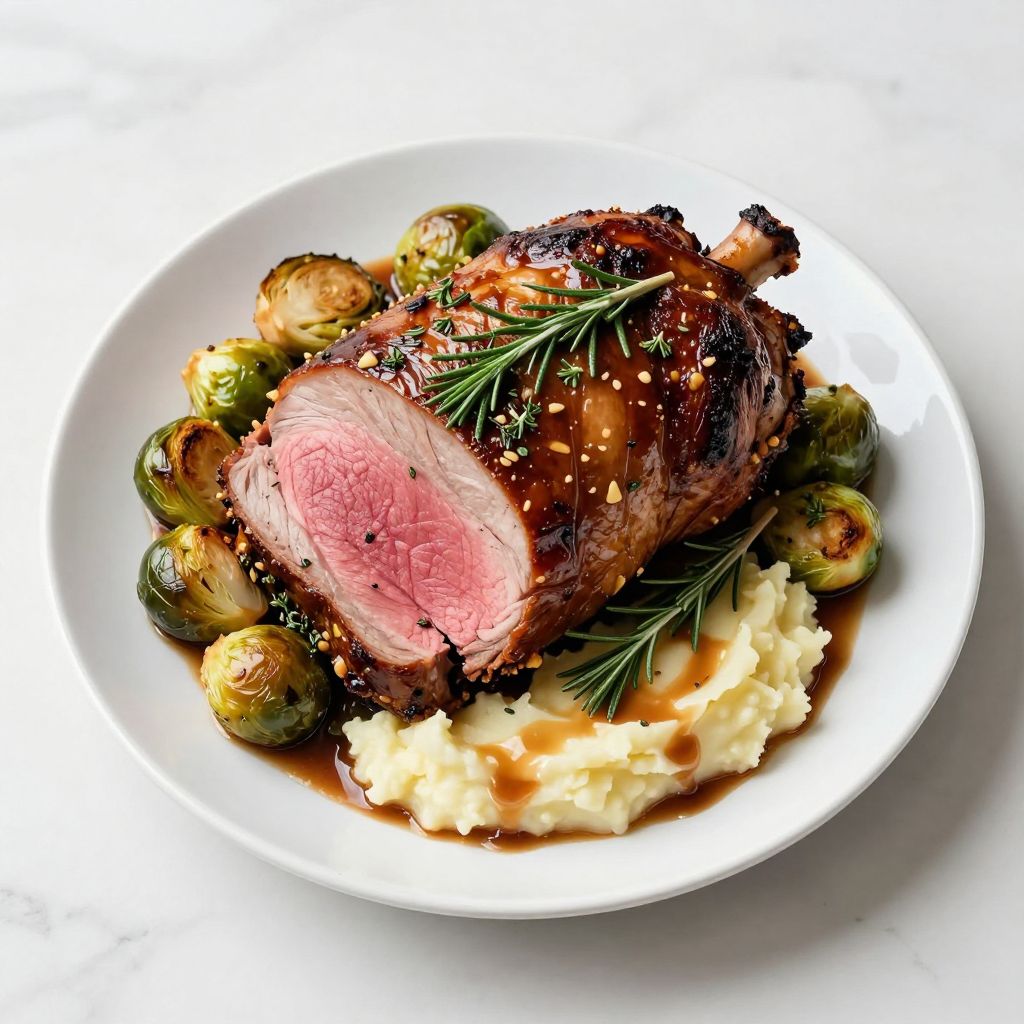
Top round roast recipe delivers tender, juicy beef that transforms a budget-friendly cut into a show-stopping centerpiece for Sunday dinner or holiday gatherings. This lean cut from the rear leg of the cow becomes incredibly flavorful when slow-roasted with the right technique and seasoning. With just a handful of ingredients and a little patience, you’ll serve up slices that rival expensive prime rib at a fraction of the cost.
Whether you’re feeding a crowd or meal-prepping for the week ahead, this recipe gives you perfectly cooked beef every time. Let me show you exactly how to make it happen.
Why You’ll Love This Recipe
This method takes an economical cut and turns it into something spectacular without requiring fancy equipment or advanced skills. The results speak for themselves at the dinner table.
- Budget-friendly cut that feeds a crowd without breaking the bank
- Simple seasoning lets the natural beef flavor shine through
- Leftovers make incredible sandwiches and salads for days
- Hands-off cooking method means you can focus on side dishes
- Guaranteed tender results when you follow the low and slow approach
My Experience Making This Recipe
I ruined my first top round roast by treating it like a tender cut and cranking the oven to 425 degrees. The result was tough, gray, and honestly pretty sad on the plate.
After researching and testing different approaches, I learned that low temperature and a good sear make all the difference. Now I make this roast at least once a month, and my family actually requests it for special occasions.
The aroma that fills the kitchen during roasting is incredible, with garlic and herbs creating an irresistible smell that builds anticipation. That first slice always reveals a perfect pink center surrounded by a deeply browned crust.
Recipe Overview
- Recipe Name: Top Round Roast
- Servings: 8
- Prep Time: 15 minutes
- Cook Time: 2 hours 15 minutes
- Total Time: 2 hours 30 minutes (plus resting time)
- Course: Main Dish
- Cuisine: American
- Calories per Serving: 285
Equipment You Will Need
- Large cast iron skillet or heavy-bottomed pan
- Roasting pan with rack
- Meat thermometer
- Sharp carving knife
- Cutting board with juice groove
- Kitchen twine for tying
- Aluminum foil for resting
- Tongs for handling the roast
Ingredients for Top Round Roast Recipe
- 3 to 4 pounds top round roast, trimmed of excess fat
- 3 tablespoons olive oil, divided
- 2 tablespoons kosher salt
- 1 tablespoon black pepper, freshly ground
- 6 cloves garlic, minced
- 2 tablespoons fresh rosemary, chopped
- 2 tablespoons fresh thyme, leaves stripped from stems
- 1 teaspoon onion powder
- 1 teaspoon smoked paprika
- 1 cup beef broth, for the roasting pan
Ingredient Notes and Substitutions
- Top round roast: This lean cut benefits from slow roasting to break down tough fibers. You can substitute eye of round, but it will be even leaner and requires more careful monitoring.
- Olive oil: The oil helps the seasoning stick and promotes browning during searing. Avocado oil works great as a substitute with its high smoke point.
- Fresh herbs: Fresh rosemary and thyme provide the best flavor and aroma during roasting. Dried herbs can work in a pinch, but use only one-third the amount since dried herbs are more concentrated.
- Smoked paprika: This adds depth and a subtle smoky note without overwhelming the beef. Regular paprika or a pinch of chipotle powder can substitute if needed.
- Beef broth: The liquid in the pan keeps the roast moist and creates the base for pan sauce. Low-sodium chicken broth or red wine mixed with water works as an alternative.
How to Make Top Round Roast Recipe
Step 1: Prepare and Season the Roast
Remove the roast from the refrigerator 45 minutes before cooking to bring it to room temperature. Pat the entire surface completely dry with paper towels, since moisture will prevent proper browning.
Mix the salt, pepper, minced garlic, rosemary, thyme, onion powder, and smoked paprika in a small bowl to create your seasoning blend. Rub 2 tablespoons of olive oil all over the roast, then press the seasoning mixture firmly into all sides of the meat, ensuring even coverage.
Step 2: Tie the Roast
Use kitchen twine to tie the roast at 2-inch intervals along its length. This step keeps the roast in a uniform shape, which promotes even cooking throughout.
A uniform shape prevents thin ends from overcooking while the center reaches the target temperature. Think of it as insurance for consistent results.
Step 3: Sear All Sides
Heat the remaining tablespoon of olive oil in a cast iron skillet over high heat until it just begins to smoke. Place the roast in the pan and sear for 3 to 4 minutes per side, developing a deep brown crust on all surfaces including the ends.
This crust adds tremendous flavor through the Maillard reaction and creates an appealing presentation. Don’t rush this step or move the meat too soon, as patience here pays dividends in taste.
Step 4: Set Up the Roasting Pan
Preheat your oven to 275 degrees while you finish searing the roast. Pour the beef broth into the bottom of a roasting pan and place a roasting rack inside.
The broth creates a humid environment that helps prevent the lean meat from drying out during the long cooking time. The rack elevates the roast so hot air can circulate completely around it.
Step 5: Slow Roast to Perfection
Transfer the seared roast to the rack in the roasting pan. Insert a meat thermometer into the thickest part of the roast, making sure it doesn’t touch any fat or the pan.
Roast for approximately 1.5 to 2 hours until the internal temperature reaches 125 degrees for medium-rare or 135 degrees for medium. The low temperature ensures the meat cooks gently and stays tender rather than seizing up and becoming tough.
Step 6: Rest the Roast
Remove the roast from the oven when it reaches your target temperature and immediately tent it loosely with aluminum foil. Let it rest for 20 minutes on a cutting board before slicing.
Resting allows the juices to redistribute throughout the meat instead of spilling onto the cutting board. The internal temperature will also rise another 5 to 10 degrees during this time, a phenomenon called carryover cooking.
Step 7: Slice Against the Grain
Remove the kitchen twine and locate the direction of the muscle fibers running through the roast. Using a sharp carving knife, slice the meat perpendicular to these fibers in slices about 1/4 inch thick.
Cutting against the grain shortens the muscle fibers, making each bite more tender and easier to chew. Slicing with the grain results in chewy, stringy meat that’s difficult to enjoy.
Step 8: Make a Quick Pan Sauce
Pour the drippings from the roasting pan into a small saucepan, scraping up any browned bits stuck to the bottom. Simmer over medium heat for 5 minutes to reduce and concentrate the flavors.
This simple sauce adds moisture and richness when drizzled over the sliced beef. You can thicken it with a cornstarch slurry if you prefer a gravy-like consistency.
Pro Tip: Invest in a reliable meat thermometer and trust it completely. Visual cues can be misleading with lean cuts like top round, but an accurate temperature reading guarantees perfectly cooked beef every single time.
Tips for the Best Top Round Roast Recipe
- Choose a roast with some marbling if possible, as the thin streaks of fat add moisture and flavor to this naturally lean cut. Look for bright red color without brown spots.
- Bring the meat to room temperature before cooking to ensure even heat penetration from surface to center. Cold meat straight from the fridge cooks unevenly.
- Don’t skip the searing step, even though it seems like extra work. That caramelized crust provides the majority of the roast’s flavor complexity.
- Use the lower end of the temperature range and pull the roast a bit early rather than late. You can always cook it more, but you can’t undo overcooked meat.
- Save any leftovers for sandwiches, as the cold sliced beef is phenomenal on crusty bread with horseradish sauce. Some people argue the leftovers are better than the original meal.
- Let your knife do the work when slicing, using long, smooth strokes rather than sawing motions. A sharp blade makes clean cuts that preserve the meat’s texture and appearance.
Common Mistakes to Avoid
- Cooking at too high a temperature causes the exterior to overcook before the center reaches the right temperature. Low and slow is the only way to handle this lean cut properly.
- Skipping the resting period means all those precious juices run out onto the cutting board instead of staying in the meat. Patience here is absolutely critical.
- Slicing too thick makes the meat seem tougher than it actually is. Thin slices are more tender and make the roast go further for serving a crowd.
- Not using a meat thermometer leads to guesswork and often results in overcooked, dry beef. This inexpensive tool eliminates all the uncertainty.
- Cutting with the grain instead of against it ruins the texture, making even perfectly cooked meat seem chewy and unpleasant. Always check the fiber direction before you start slicing.
Serving Suggestions
This roast pairs beautifully with classic steakhouse sides and hearty vegetables that can stand up to the rich beef flavor. Balance the protein with lighter, fresh elements to create a complete meal.
- Creamy mashed potatoes or garlic roasted potatoes for a traditional combination
- Roasted Brussels sprouts or green beans with almonds for a vegetable element
- Horseradish cream sauce or au jus for dipping the sliced beef
- Fresh arugula salad with lemon vinaigrette to cut through the richness
- Yorkshire pudding or dinner rolls to soak up the pan juices
Variations to Try
- Mediterranean style: Replace the rosemary and thyme with oregano, add lemon zest to the rub, and serve with tzatziki sauce. The bright, tangy flavors complement the beef beautifully.
- Coffee-crusted: Mix finely ground coffee into the spice rub for an earthy, complex flavor that intensifies the beef’s natural richness. The coffee adds depth without tasting like your morning brew.
- Asian-inspired: Use a rub of five-spice powder, ginger, and garlic, then serve thinly sliced with hoisin sauce and steamed bao buns. This transforms the roast into something completely different but equally delicious.
- Herb and Dijon: Spread Dijon mustard all over the roast before applying the herb rub, creating a tangy crust that pairs perfectly with the beef. The mustard adds sharpness and helps the seasonings adhere.
- Smoky barbecue: Add more smoked paprika, brown sugar, and cumin to the rub for a BBQ flavor profile that works great for casual gatherings. Serve with coleslaw and baked beans.
Dietary Adaptations
- Gluten-free: This recipe is naturally gluten-free as written, making it perfect for those avoiding gluten. Just verify that your beef broth is certified gluten-free if you have celiac disease.
- Dairy-free: The recipe contains no dairy products, so it already fits dairy-free diets without any modifications needed. Skip any butter-based sauces if serving with sides.
- Low-carb and keto: Top round roast is an excellent choice for low-carb diets with zero carbohydrates and high protein content. Pair it with cauliflower mash instead of potatoes to keep the meal keto-friendly.
- Paleo: This recipe aligns perfectly with paleo guidelines, using only whole food ingredients without processed items. Serve with roasted root vegetables for a completely paleo meal.
Storage and Reheating
Refrigerator
Store leftover roast wrapped tightly in aluminum foil or placed in an airtight container. Properly stored beef will keep for 3 to 4 days in the refrigerator.
- Slice only what you need and keep the remaining roast whole to prevent drying out
- Pour any leftover pan juices into a separate container to use for reheating or sandwiches
- Let the meat cool to room temperature before refrigerating to prevent condensation
Freezer
Freeze the roast for longer storage by wrapping it tightly in plastic wrap, then again in aluminum foil or a freezer bag. Frozen roast beef maintains quality for up to 3 months.
- Slice the meat before freezing for easier portioning and faster thawing
- Label the package with the date so you can track how long it has been frozen
- Thaw overnight in the refrigerator rather than at room temperature for food safety
Reheating
Reheat sliced beef gently to avoid overcooking and drying it out further. The goal is to warm the meat without continuing to cook it.
- Place slices in a covered dish with a few tablespoons of beef broth and warm in a 250-degree oven for 15 minutes
- Microwave individual portions on 50% power in 30-second intervals until just warmed through
- For sandwiches, use cold sliced beef straight from the refrigerator without reheating
Nutrition Information
| Nutrient | Amount |
|---|---|
| Calories | 285 |
| Total Fat | 12g |
| Saturated Fat | 3g |
| Carbohydrates | 2g |
| Fiber | 0g |
| Sugar | 0g |
| Protein | 42g |
| Sodium | 680mg |
| Cholesterol | 95mg |
Nutritional values are approximate and will vary based on the specific cut of beef and exact portion sizes. These calculations assume a 4-pound roast serving 8 people.
Frequently Asked Questions
Can I use a different cut of beef for this recipe?
Yes, bottom round or eye of round work with the same method, though they’re even leaner than top round. Chuck roast can substitute but requires a longer cooking time since it has more connective tissue to break down.
How do I know when the roast is done without a thermometer?
Honestly, you really need a meat thermometer for consistent results with lean cuts like this. The finger test and visual cues are unreliable and often lead to overcooked meat that’s tough and dry.
Can I prepare this roast ahead of time?
You can season the roast up to 24 hours in advance and refrigerate it covered. Let it come to room temperature for 45 minutes before searing and roasting for the best results.
Why did my roast turn out tough and chewy?
The most common culprits are cooking at too high a temperature or taking it past medium doneness. Top round has little fat, so it becomes tough quickly when overcooked or subjected to high heat.
Can I cook this roast in a slow cooker?
Yes, but the results will be more like pot roast than traditional roast beef. Sear the meat first, then cook on low for 6 to 8 hours with liquid, understanding that you’ll get a falling-apart texture rather than sliceable roast beef.
How thinly should I slice the roast?
Aim for slices about 1/4 inch thick, which provides tenderness while maintaining structure. Thinner slices work great for sandwiches, while slightly thicker cuts are better for plating as a main course.
What should I do with the pan drippings?
The drippings make an incredible base for gravy or au jus when reduced and seasoned. You can also refrigerate them to use for sautéing vegetables or adding flavor to soups throughout the week.
Final Thoughts
This top round roast recipe proves that you don’t need an expensive cut to serve impressive, flavorful beef
Top Round Roast
This top round roast recipe delivers tender, juicy beef that transforms a budget-friendly cut into a show-stopping centerpiece. Slow-roasted with herbs and garlic, this lean cut becomes incredibly flavorful when cooked low and slow with the right technique.
- Large cast iron skillet or heavy-bottomed pan
- Roasting pan with rack
- Meat thermometer
- Sharp carving knife
- Cutting board with juice groove
- Kitchen twine for tying
- Aluminum foil for resting
- Tongs for handling the roast
Main
- 3 to 4 pounds top round roast (trimmed of excess fat)
- 3 tablespoons olive oil (divided)
- 2 tablespoons kosher salt
- 1 tablespoon black pepper (freshly ground)
- 6 cloves garlic (minced)
- 2 tablespoons fresh rosemary (chopped)
- 2 tablespoons fresh thyme (leaves stripped from stems)
- 1 teaspoon onion powder
- 1 teaspoon smoked paprika
- 1 cup beef broth (for the roasting pan)
- Remove the roast from the refrigerator 45 minutes before cooking to bring it to room temperature. Pat the entire surface completely dry with paper towels.
- Mix the salt, pepper, minced garlic, rosemary, thyme, onion powder, and smoked paprika in a small bowl to create your seasoning blend. Rub 2 tablespoons of olive oil all over the roast, then press the seasoning mixture firmly into all sides of the meat.
- Use kitchen twine to tie the roast at 2-inch intervals along its length to keep it in a uniform shape for even cooking.
- Heat the remaining tablespoon of olive oil in a cast iron skillet over high heat until it just begins to smoke. Place the roast in the pan and sear for 3 to 4 minutes per side, developing a deep brown crust on all surfaces including the ends.
- Preheat your oven to 275 degrees F. Pour the beef broth into the bottom of a roasting pan and place a roasting rack inside.
- Transfer the seared roast to the rack in the roasting pan. Insert a meat thermometer into the thickest part of the roast, making sure it doesn’t touch any fat or the pan.
- Roast for approximately 1.5 to 2 hours until the internal temperature reaches 125 degrees F for medium-rare or 135 degrees F for medium.
- Remove the roast from the oven when it reaches your target temperature and immediately tent it loosely with aluminum foil. Let it rest for 20 minutes on a cutting board before slicing.
- Remove the kitchen twine and locate the direction of the muscle fibers running through the roast. Using a sharp carving knife, slice the meat perpendicular to these fibers in slices about 1/4 inch thick.
- Pour the drippings from the roasting pan into a small saucepan, scraping up any browned bits stuck to the bottom. Simmer over medium heat for 5 minutes to reduce and concentrate the flavors. Drizzle over the sliced beef.
Invest in a reliable meat thermometer and trust it completely for perfectly cooked beef every time. Let your knife do the work when slicing, using long, smooth strokes rather than sawing motions. Save any leftovers for sandwiches, as the cold sliced beef is phenomenal on crusty bread with horseradish sauce.