Ingredients
Equipment
Method
- Take your butter and eggs out of the refrigerator at least 30 minutes before you start. Room temperature ingredients blend together much more smoothly and create a lighter, fluffier frangipane that bakes more evenly.
- Beat the softened butter and sugar together in your mixing bowl on medium-high speed for about 3 minutes until the mixture looks pale, fluffy, and almost doubled in volume.
- Crack in one egg and beat until completely incorporated, then add the second egg and repeat. Adding eggs one at a time prevents the mixture from curdling and keeps the emulsion stable.
- Pour in the vanilla and almond extracts, then beat for another 30 seconds.
- Add the almond flour, all-purpose flour, and salt to the bowl. Use your spatula to fold gently until just combined, scraping down the sides and bottom to catch any pockets of flour. Stop as soon as you no longer see streaks of flour.
- Check that your finished frangipane is thick, smooth, and spreadable, similar to very soft peanut butter. If it seems too stiff, you can add a teaspoon of milk or cream to loosen it slightly.
- You can use the frangipane right away by spreading it into your prepared tart shell or pastry. Alternatively, transfer it to an airtight container and refrigerate for up to one week or freeze for up to three months.
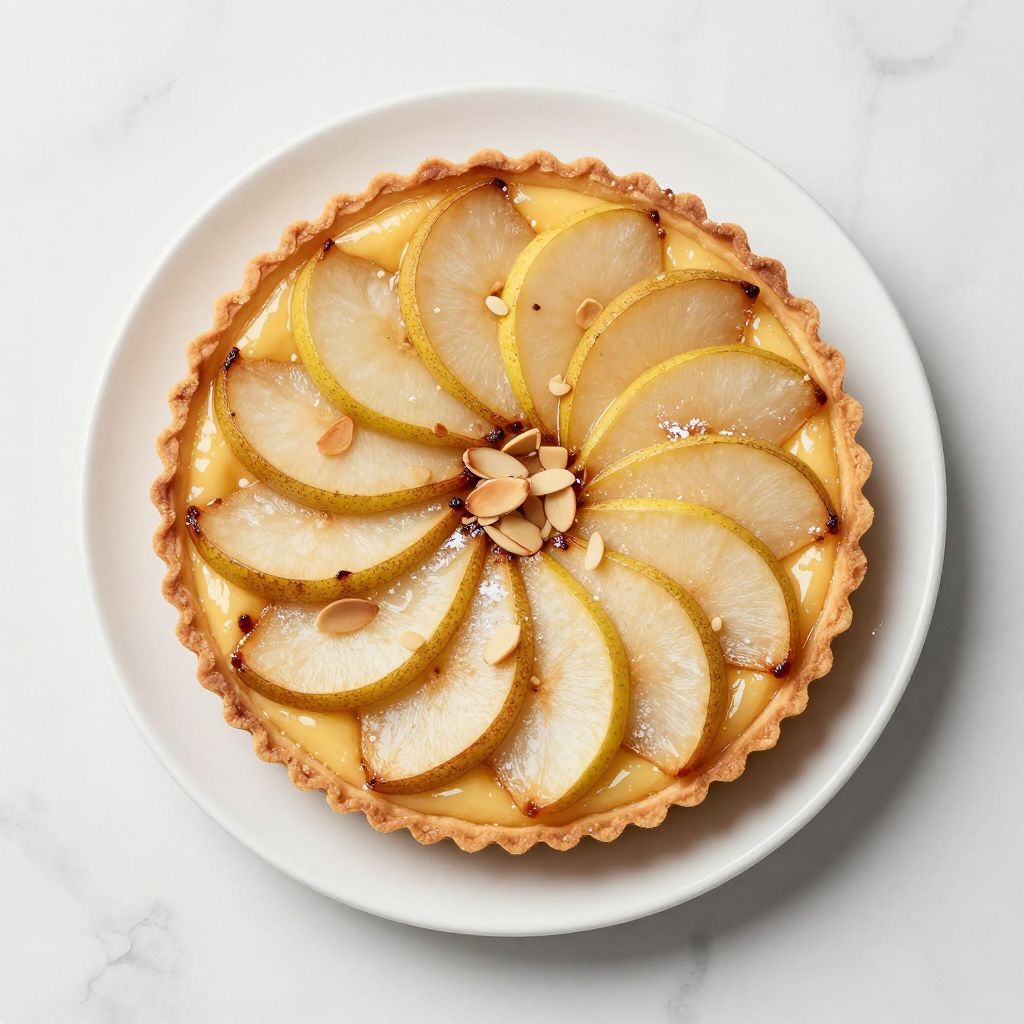
- When baking frangipane in a tart, spread it evenly in your pre-baked shell and bake at 350°F (175°C) for 25-30 minutes until golden brown and set in the center. The frangipane should puff up slightly and develop a beautiful golden color on top, with a toothpick inserted in the center coming out with just a few moist crumbs.
Notes
Always bring your frangipane back to room temperature before using it if you have stored it in the fridge. Cold frangipane is nearly impossible to spread smoothly and can tear your pastry dough. Store unbaked frangipane in an airtight container in the refrigerator for up to one week or freeze for up to 3 months. Baked frangipane tarts keep covered in the fridge for 3-4 days.