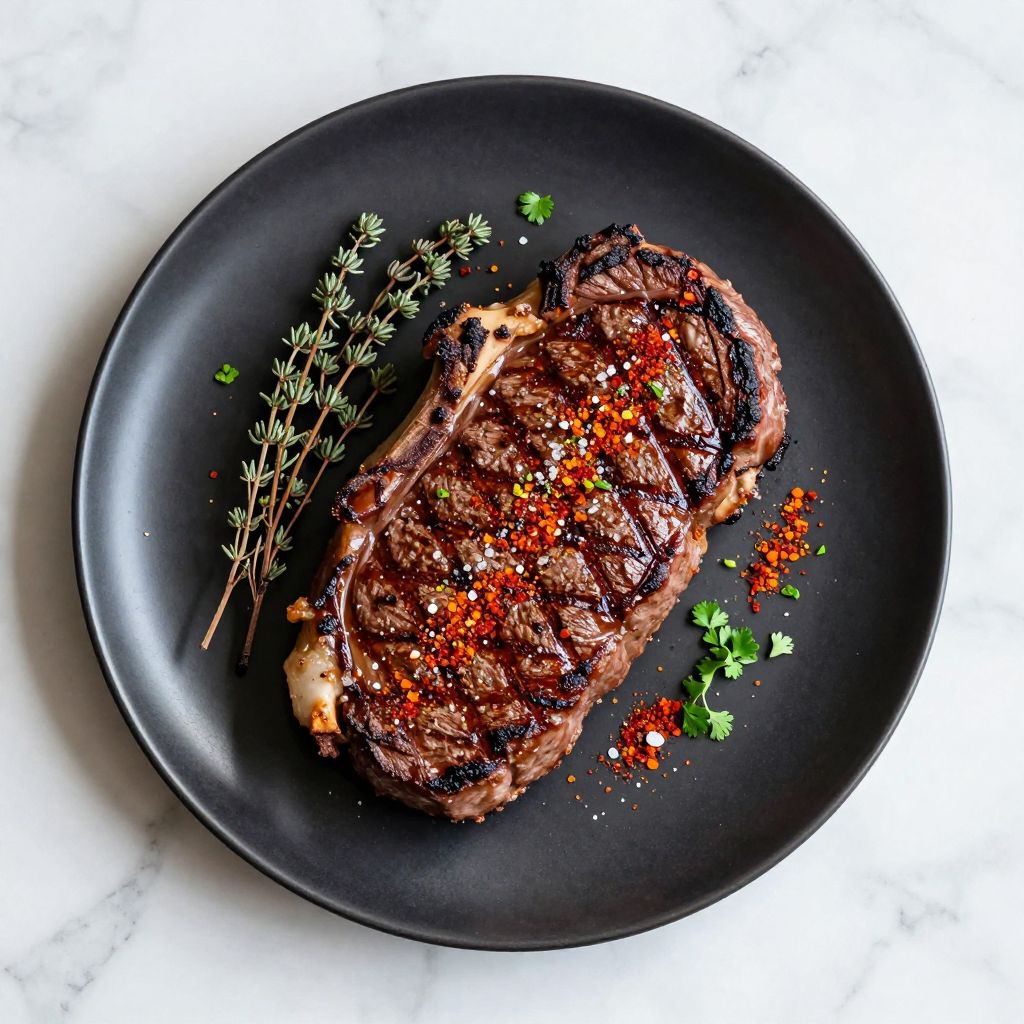
Steak seasoning recipe transforms ordinary beef into a flavor-packed masterpiece with just a handful of spices you probably already have in your pantry. This homemade blend beats store-bought versions every time, giving you complete control over salt levels and spice intensity while saving you money.
Making your own steak seasoning takes less than five minutes and lasts for months. Let me show you how to create a versatile blend that works on everything from ribeyes to chicken thighs.
Why You’ll Love This Recipe
This steak seasoning delivers steakhouse-quality flavor without the premium price tag or mysterious ingredients. You can adjust the heat and saltiness to match your exact preferences.
- Ready in under 5 minutes with zero cooking required
- Costs a fraction of pre-made blends and tastes infinitely better
- Works on beef, pork, chicken, fish, and roasted vegetables
- Stores for up to 6 months in an airtight container
- Contains no fillers, anti-caking agents, or weird preservatives
My Experience Making This Recipe
I started making this blend after reading the label on a popular steak seasoning and realizing I owned every single spice listed. The homemade version tasted cleaner and brighter, with garlic that actually smelled like garlic instead of garlic-scented dust.
My family can’t tell when I’ve seasoned steaks with this versus expensive brands, which tells you everything you need to know. I now keep a jar by the stove and another in my camping gear because it makes even basic grilled meat taste like I tried hard.
The aroma when this hits a hot cast iron pan is absolutely intoxicating. Guests always ask what my secret is, and I love watching their faces when I tell them it’s six common spices mixed in a jar.
Recipe Overview
- Recipe Name: Homemade Steak Seasoning
- Yield: About 1/2 cup (enough for 15-20 steaks)
- Prep Time: 5 minutes
- Cook Time: 0 minutes
- Total Time: 5 minutes
- Course: Seasoning/Condiment
- Cuisine: American
- Calories per Serving: 6 calories per teaspoon
Equipment You Will Need
- Small mixing bowl
- Measuring spoons
- Whisk or fork
- Airtight glass jar or spice container
- Small funnel (optional but helpful)
- Labels for dating your seasoning
Ingredients for Steak Seasoning Recipe
- 4 tablespoons coarse kosher salt
- 2 tablespoons black pepper, freshly ground if possible
- 1 tablespoon garlic powder
- 1 tablespoon onion powder
- 1 tablespoon smoked paprika
- 2 teaspoons dried thyme
- 1 teaspoon cayenne pepper (optional, for heat)
Ingredient Notes and Substitutions
- Kosher salt: The coarse texture provides better control when seasoning and doesn’t dissolve too quickly. You can substitute with sea salt flakes, but avoid fine table salt as it will make the blend too salty per volume.
- Black pepper: Freshly ground pepper has oils that create more complex flavor than pre-ground. Pre-ground works fine, but your seasoning won’t be quite as aromatic.
- Garlic powder: Provides savory depth without the moisture of fresh garlic that would spoil. Never substitute garlic salt, which will make the blend inedibly salty.
- Smoked paprika: Adds smoky flavor and gorgeous color to the meat crust. Regular paprika works but lacks that campfire quality that makes steaks taste grilled even when pan-seared.
- Dried thyme: Contributes an earthy, slightly minty note that balances the other spices. Dried oregano or rosemary can substitute, though rosemary can be overpowering.
- Cayenne pepper: Brings adjustable heat to the party. Reduce to 1/2 teaspoon for mild heat, omit entirely for no heat, or double it if you like sweating while you eat.
How to Make Steak Seasoning Recipe
Step 1: Gather and Measure Your Spices
Measure out all your spices into small prep bowls or directly into your mixing bowl. This ensures you don’t accidentally double an ingredient or forget something halfway through.
Having everything measured before mixing prevents that annoying moment when you realize you’re out of paprika after you’ve already committed the other spices. Trust me, I’ve been there, and it’s frustrating.
Step 2: Combine the Base Ingredients
Add the kosher salt, black pepper, garlic powder, and onion powder to your mixing bowl. These four ingredients form the foundation of any good steak seasoning.
The ratio here is crucial because too much salt overwhelms everything else, while too little makes the blend taste flat. This balance lets the meat shine while adding serious flavor.
Step 3: Add the Paprika and Thyme
Sprinkle in the smoked paprika and dried thyme over the base mixture. The paprika not only adds flavor but also helps create that beautiful dark crust on seared steaks.
Thyme might seem like a small player here, but it ties all the other flavors together. Without it, the seasoning tastes one-dimensional.
Step 4: Incorporate the Cayenne (If Using)
If you want heat, add the cayenne pepper now. Start with less if you’re unsure about spice tolerance since you can always add more later but can’t take it out.
Cayenne doesn’t just add heat but also deepens the overall flavor complexity. Even 1/2 teaspoon makes a noticeable difference without setting your mouth on fire.
Step 5: Whisk Everything Together Thoroughly
Use a whisk or fork to blend all the spices together for at least 30 seconds. You want complete integration so every pinch contains the same flavor profile.
Uneven mixing means some steaks get all the garlic while others taste mostly like pepper. Whisk longer than you think you need to, especially if your spices have clumped.
Step 6: Break Up Any Clumps
Press any visible clumps against the side of the bowl with your whisk or the back of a spoon. Garlic powder and onion powder love to form little rocks that resist mixing.
Breaking up clumps now prevents unpleasant concentrated pockets of single spices on your meat. Nobody wants a mouthful of pure garlic powder.
Step 7: Transfer to Storage Container
Funnel or carefully spoon your finished seasoning into an airtight jar or spice container. Glass works better than plastic because it won’t absorb the spice oils over time.
Make sure your container is completely dry before adding the seasoning. Even a drop of moisture can cause clumping and potentially introduce mold.
Step 8: Label and Date Your Seasoning
Write the name and date on a label and stick it on your container. Homemade spice blends all start looking identical after a few weeks, and you’ll forget which is which.
Dating it helps you track freshness since even dried spices lose potency over time. After six months, the flavors will be noticeably weaker.
Pro Tip: Store your steak seasoning in a cool, dark cabinet away from the stove. Heat and light degrade the spices quickly, especially the paprika, which can turn bitter and lose its vibrant color within weeks if exposed to direct sunlight or stove heat.
Tips for the Best Steak Seasoning Recipe
- Use fresh spices that smell strong when you open the container. Old spices create bland seasoning no matter how perfectly you mix them.
- Apply seasoning at least 40 minutes before cooking or right before hitting the heat. The in-between time draws out moisture that prevents good crust formation.
- Use about 1 teaspoon of seasoning per pound of meat as a starting point. You can always add more, but over-seasoned steak tastes like a spice bomb.
- Don’t add sugar to this base recipe even though some blends include it. Sugar burns easily and creates bitter spots on high-heat seared steaks.
- Make a double or triple batch since the effort is the same. Having backup seasoning means you’ll never run out mid-cookout.
- Shake the container before each use because the different particle sizes naturally separate over time. A quick shake redistributes everything evenly.
Common Mistakes to Avoid
- Using fine table salt instead of kosher salt makes the blend about twice as salty by volume. Table salt packs much denser, so measurements don’t translate directly.
- Storing the seasoning in a container near the stove exposes it to heat and moisture that degrade flavor fast. Steam from boiling pots is particularly damaging.
- Adding the seasoning to cold meat right before it hits the pan prevents proper adhesion. The seasoning slides off instead of forming a crust.
- Making the blend with garlic salt or onion salt instead of the powdered versions creates an inedibly salty mess. You’re essentially tripling the salt content.
- Skipping the whisking step and just shaking the jar doesn’t integrate the spices properly. The heavier salt sinks while lighter spices float on top.
Serving Suggestions
This seasoning obviously belongs on steaks, but it works magic on just about any protein or vegetable you throw on the grill or in a hot pan. I use it more often on chicken and pork than I do on beef.
- Rub it on ribeyes, New York strips, or filet mignon 40 minutes before grilling for perfect crust
- Coat chicken thighs or breasts before roasting at high heat for crispy, flavorful skin
- Toss it with potato wedges or sweet potato fries before baking
- Season pork chops or tenderloin for a quick weeknight dinner upgrade
- Sprinkle on roasted vegetables like Brussels sprouts, carrots, or cauliflower
Variations to Try
- Coffee Steak Rub: Add 1 tablespoon finely ground coffee for earthy bitterness that complements beef beautifully. The coffee enhances the crust and adds unexpected complexity.
- Herb-Forward Version: Increase thyme to 1 tablespoon and add 1 tablespoon dried rosemary for a more Mediterranean profile. This works exceptionally well on lamb.
- Extra Smoky Blend: Replace regular smoked paprika with 2 tablespoons total and add 1/2 teaspoon chipotle powder. Your steaks will taste like they spent hours over hickory wood.
- Montreal-Style Seasoning: Add 1 tablespoon crushed coriander seeds and 1 tablespoon crushed red pepper flakes for that iconic steakhouse flavor. Coarser texture is key here.
- Asian-Inspired Rub: Replace thyme with 2 teaspoons Chinese five-spice powder and add 1 teaspoon ground ginger. This creates an interesting fusion that works great on flank steak.
Dietary Adaptations
- Low-Sodium: Replace half or all of the salt with granulated garlic or onion powder, though the blend won’t stick to meat as well. You lose some of the crust-forming properties salt provides.
- Nightshade-Free: Omit the paprika and cayenne, replacing them with 2 tablespoons dried oregano or basil. The color won’t be as vibrant, but the flavor remains solid.
- Anti-Inflammatory: Add 1 teaspoon turmeric and 1/2 teaspoon ground ginger for their health benefits. Be aware this changes the color to golden-orange.
- AIP-Compliant: Remove all peppers and use only salt, garlic powder, onion powder, and dried herbs like thyme, rosemary, and oregano. This version is milder but still flavorful.
Storage and Reheating
Refrigerator
You don’t need to refrigerate this seasoning blend, but you can if you want extra insurance against humidity. Cold storage can cause condensation when you bring the jar to room temperature, though.
- Store in an airtight container if refrigerating to prevent moisture absorption
- Let the jar come to room temperature before opening to avoid condensation
- Lasts up to 8 months in the refrigerator
Freezer
Freezing spice blends is overkill and can actually damage the texture of some ingredients. The kosher salt can absorb moisture when thawed, creating rock-hard clumps.
- Not recommended for this seasoning blend
- Room temperature storage in a dark cabinet works better
Room Temperature Storage
A cool, dark cabinet away from heat sources is the ideal storage location. The seasoning maintains peak flavor for about 6 months under these conditions.
- Use an airtight glass or metal container to prevent moisture and light exposure
- Keep away from the stove, dishwasher, and sunny windowsills
- Shake before each use to redistribute settled spices
- Replace after 6 months when the aroma starts fading
Nutrition Information
| Nutrient | Amount |
|---|---|
| Calories | 6 |
| Total Fat | 0.1g |
| Saturated Fat | 0g |
| Carbohydrates | 1.2g |
| Fiber | 0.3g |
| Sugar | 0.1g |
| Protein | 0.2g |
| Sodium | 580mg |
| Cholesterol | 0mg |
Nutritional values are estimates based on 1 teaspoon serving size. Actual values vary depending on specific brands and measurements used.
Frequently Asked Questions
Can I use this seasoning on fish?
Absolutely, though you might want to reduce the amount since fish has more delicate flavor than beef. Use about 1/2 teaspoon per pound of fish and skip the cayenne if you’re cooking mild white fish like cod or halibut.
How far in advance can I season my steak?
Season at least 40 minutes ahead or immediately before cooking for best results. The 10-to-40-minute window draws out moisture that prevents proper browning and crust formation.
Why does my homemade seasoning clump up?
Moisture is the enemy of spice blends, especially those with garlic and onion powder. Store your seasoning in an airtight container away from the stove and consider adding a few grains of rice to absorb excess humidity.
Can I grind whole spices for this recipe?
Yes, and freshly ground spices will make your blend even more aromatic. Grind black peppercorns, coriander seeds, or dried thyme in a spice grinder right before mixing for maximum flavor impact.
What’s the difference between garlic powder and granulated garlic?
Granulated garlic has a coarser texture than garlic powder, similar to sand versus flour. Either works in this recipe, but garlic powder integrates more smoothly and distributes more evenly throughout the blend.
Can I reduce the salt without affecting the recipe?
You can cut the salt in half without major issues, though the seasoning won’t adhere as well to the meat. Salt helps other flavors stick and creates better crust, so reducing it too much impacts both flavor and texture.
Does this seasoning work in a dry brine?
It works perfectly for dry brining, which is basically just salting meat in advance. Apply the seasoning 2 to 24 hours before cooking and leave the meat uncovered in the refrigerator for maximum flavor penetration and moisture retention.
Final Thoughts
Making your own steak seasoning puts you in control of every flavor note while saving money and cabinet space. This blend proves that simple combinations of quality ingredients beat complicated recipes with 15 mysterious components.
Give this recipe a try on your next steak night and pay attention to how much better your kitchen smells. You’ll never go back to store-bought seasoning once you realize how easy and superior homemade really is.
Homemade Steak Seasoning
This homemade steak seasoning transforms ordinary beef into a flavor-packed masterpiece with just a handful of spices. Ready in under 5 minutes, this blend beats store-bought versions every time and works on everything from ribeyes to chicken thighs.
- Small mixing bowl
- Measuring spoons
- Whisk or fork
- Airtight glass jar or spice container
- Small funnel (optional)
- Labels for dating
Main
- 4 tablespoons coarse kosher salt
- 2 tablespoons black pepper (freshly ground if possible)
- 1 tablespoon garlic powder
- 1 tablespoon onion powder
- 1 tablespoon smoked paprika
- 2 teaspoons dried thyme
- 1 teaspoon cayenne pepper (optional, for heat)
- Measure out all your spices into small prep bowls or directly into your mixing bowl. This ensures you don’t accidentally double an ingredient or forget something halfway through.
- Add the kosher salt, black pepper, garlic powder, and onion powder to your mixing bowl. These four ingredients form the foundation of the steak seasoning.
- Sprinkle in the smoked paprika and dried thyme over the base mixture. The paprika adds flavor and helps create a beautiful dark crust on seared steaks.
- If you want heat, add the cayenne pepper now. Start with less if you’re unsure about spice tolerance since you can always add more later but can’t take it out.
- Use a whisk or fork to blend all the spices together for at least 30 seconds. You want complete integration so every pinch contains the same flavor profile.
- Press any visible clumps against the side of the bowl with your whisk or the back of a spoon. Break up clumps to prevent concentrated pockets of single spices on your meat.
- Funnel or carefully spoon your finished seasoning into an airtight jar or spice container. Make sure your container is completely dry before adding the seasoning.
- Write the name and date on a label and stick it on your container. Store in a cool, dark cabinet away from the stove for up to 6 months.
Store your steak seasoning in a cool, dark cabinet away from the stove. Heat and light degrade the spices quickly. Apply seasoning at least 40 minutes before cooking or right before hitting the heat. Use about 1 teaspoon of seasoning per pound of meat as a starting point. Shake the container before each use because the different particle sizes naturally separate over time.