
There’s something truly special about the aroma of freshly baked bread wafting through your home, and squaw bread is no exception. This delightful bread, with its rich, slightly sweet flavor and dense texture, is a wonderful nod to tradition, making it a perfect addition to any meal or cozy gathering.
What sets this recipe apart is its unique combination of whole grains and molasses, creating a hearty loaf that’s both satisfying and versatile. Whether you enjoy it with butter, as a base for sandwiches, or simply on its own, this bread is sure to become a cherished staple in your kitchen.
Why You’ll Love This Recipe
This squaw bread recipe offers a delightful twist that makes it a must-try.
- Rich, sweet flavor that pairs beautifully with savory dishes.
- Dense, hearty texture that keeps you satisfied.
- Simple ingredients that you probably already have at home.
- Perfect for sandwiches or served with soups and stews.
- A great way to introduce whole grains into your diet.
My Experience Making This Recipe
When I first tried making squaw bread, I was surprised by how easy it was. The combination of molasses and whole wheat flour created a warm, inviting scent that filled my kitchen and brought back memories of family gatherings.
As I pulled the bread from the oven, its rich brown color and enticing aroma had everyone gathered around, eagerly waiting for a slice. The first bite was pure bliss, with a perfect balance of sweetness and earthiness that left me craving more.
Recipe Overview
- Recipe Name: Squaw Bread
- Servings: 12
- Prep Time: 15 minutes
- Cook Time: 30 minutes
- Total Time: 45 minutes
- Course: Bread
- Cuisine: American
- Calories per Serving: 150
Equipment You Will Need
- Mixing bowl
- Measuring cups and spoons
- Loaf pan
- Wooden spoon or spatula
- Oven
Ingredients for Squaw Bread
- 2 cups whole wheat flour
- 1 cup all-purpose flour
- 1 cup warm water
- 1/4 cup molasses
- 1 tablespoon sugar
- 1 teaspoon salt
- 2 teaspoons active dry yeast
- 2 tablespoons vegetable oil
Ingredient Notes and Substitutions
- Whole wheat flour: Provides a nutty flavor and dense texture. You can substitute with spelt flour for a different flavor.
- All-purpose flour: Adds lightness to the bread. If desired, use bread flour for a chewier texture.
- Molasses: Adds sweetness and depth of flavor. Honey or agave syrup can be used as alternatives.
- Active dry yeast: Helps the bread rise. Instant yeast can be used without any adjustments to the recipe.
How to Make Squaw Bread
Step 1: Activate the Yeast
In a mixing bowl, combine the warm water, sugar, and yeast. Let it sit for about 5 minutes until it becomes foamy, which indicates the yeast is active.
Step 2: Mix the Dry Ingredients
In a separate bowl, whisk together the whole wheat flour, all-purpose flour, and salt. This ensures even distribution of the ingredients.
Step 3: Combine Wet and Dry Ingredients
Add the molasses and vegetable oil to the yeast mixture, then pour it into the bowl of dry ingredients. Stir until the dough starts to come together.
Step 4: Knead the Dough
Transfer the dough onto a floured surface and knead for about 5 to 7 minutes. Kneading develops gluten, which gives the bread its structure.
Step 5: First Rise
Place the dough in a greased bowl, cover it with a clean cloth, and let it rise in a warm place for about 1 hour or until doubled in size. This step is essential for a light and airy loaf.
Step 6: Shape the Dough
Punch down the risen dough to release air, then shape it into a loaf. Place it in a greased loaf pan, ensuring it fits snugly.
Step 7: Second Rise
Cover the loaf pan with a cloth and let it rise again for about 30 minutes. This will give the bread its final lift before baking.
Step 8: Bake the Bread
Preheat your oven to 375°F (190°C). Bake the bread for 25 to 30 minutes until it sounds hollow when tapped on the bottom. This step ensures a perfect crust and a fully cooked interior.
Pro Tip: Make sure to let the bread cool completely before slicing for the best texture.
Tips for the Best Squaw Bread
- Use fresh yeast for the best rise and flavor.
- Measure your flour correctly by spooning it into the cup and leveling it off.
- For added flavor, consider incorporating seeds like sunflower or pumpkin.
- Store the bread in an airtight container to keep it fresh longer.
- Don’t skip the second rise; it contributes to the bread’s texture.
Common Mistakes to Avoid
- Not activating the yeast properly can lead to dense bread.
- Using cold water instead of warm can prevent the yeast from working.
- Over-kneading the dough can make the bread tough.
- Skipping the resting times will result in a dense loaf.
Serving Suggestions
This squaw bread is wonderfully versatile and pairs well with a variety of dishes.
- Enjoy it with a hearty soup like chili.
- Use it as a base for a delicious turkey or ham sandwich.
- Pair it with creamy butter and jam for breakfast.
- Serve alongside a cheese platter for a cozy gathering.
Variations to Try
- Add nuts like walnuts or pecans for a crunchy texture.
- Incorporate dried fruit such as raisins or cranberries for a sweet twist.
- Experiment with different sweeteners like brown sugar or maple syrup.
- Add spices like cinnamon or nutmeg to enhance the flavor.
Dietary Adaptations
- Gluten-free: Substitute with a gluten-free flour blend, but expect a different texture.
- Dairy-free: This recipe is already dairy-free, making it a great option.
- Vegan: Ensure the molasses is vegan-friendly; the recipe is already vegan.
- Low-carb/keto: Use almond flour and reduce the sweetener for a low-carb version.
Storage and Reheating
Refrigerator
Store any leftover bread in an airtight container in the fridge.
- It will last up to a week.
- Wrap slices individually for easy access.
Freezer
To freeze, wrap the loaf tightly in plastic wrap and then foil.
- It will keep for up to 3 months.
- Thaw at room temperature before serving.
Reheating
Reheat slices in a toaster or toaster oven for a few minutes.
- This will refresh the texture and flavor.
- Alternatively, warm in the oven at 350°F (175°C) for a few minutes.
Nutrition Information
| Nutrient | Amount |
|---|---|
| Calories | 150 |
| Total Fat | 3g |
| Saturated Fat | 0.5g |
| Carbohydrates | 28g |
| Fiber | 3g |
| Sugar | 5g |
| Protein | 5g |
| Sodium | 150mg |
| Cholesterol | 0mg |
This information is an estimate and can vary based on specific ingredients used.
Frequently Asked Questions
Can I make this recipe ahead of time?
Absolutely! You can prepare the dough and let it rise, then refrigerate it overnight before baking.
What can I use if I don’t have molasses?
You can substitute molasses with honey or agave syrup, keeping in mind that it will alter the flavor slightly.
Why is my bread dense?
A dense texture usually means the yeast didn’t activate properly or the dough was not kneaded enough.
Can I double the recipe?
Yes, simply double all the ingredients and use a larger loaf pan or bake in two pans.
How should I store leftover bread?
Wrap it in plastic wrap and keep it in an airtight container in the refrigerator for up to a week.
Final Thoughts
Making squaw bread is a delightful experience that rewards you with a comforting loaf perfect for any occasion. I encourage you to give this recipe a try and enjoy the warm, homemade goodness that comes from your kitchen.
If you loved this recipe, explore more delicious options like fry bread or check out this delightful Navajo fry bread recipe for more adventures in baking!
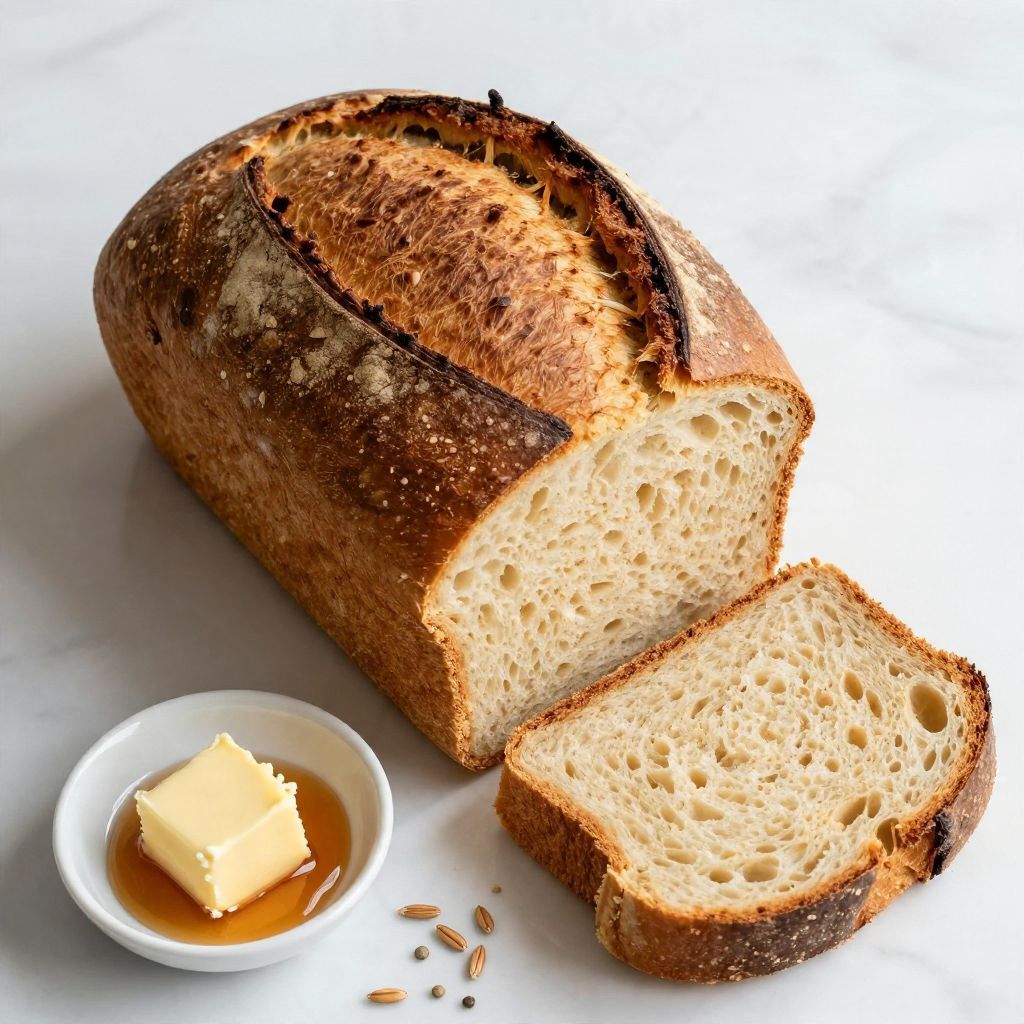
Squaw Bread
Ingredients
Equipment
Method
- In a mixing bowl, combine the warm water, sugar, and yeast. Let it sit for about 5 minutes until foamy.
- In a separate bowl, whisk together the whole wheat flour, all-purpose flour, and salt.
- Add the molasses and vegetable oil to the yeast mixture, then pour it into the dry ingredients. Stir until a dough forms.
- Transfer the dough to a floured surface and knead for about 5 to 7 minutes.
- Place the dough in a greased bowl, cover it, and let it rise in a warm place for about 1 hour.
- Punch down the risen dough and shape it into a loaf. Place in a greased loaf pan.
- Cover the loaf pan and let it rise again for about 30 minutes.
- Preheat the oven to 375°F (190°C). Bake the bread for 25 to 30 minutes.
- Let the bread cool completely before slicing.