
Picture this: a buttery, melt-in-your-mouth crust that crumbles just right under the weight of your favorite filling. That’s the magic of a shortbread crust. This recipe is not just a classic but a versatile base for countless desserts, from cheesecakes to tarts. Its rich flavor and crumbly texture make it a must-try for any home cook. Plus, it comes together in a snap, making it perfect for busy afternoons or last-minute gatherings.
Why You’ll Love This Recipe
This shortbread crust is delightful and easy to whip up, perfect for both novice bakers and seasoned pros.
- Only requires a handful of ingredients.
- Rich, buttery flavor that pairs well with many fillings.
- Quick to prepare and bake.
- Can be made ahead of time and stored.
- Perfect for sweet and savory dishes alike.
My Experience Making This Recipe
The first time I made this shortbread crust, I was amazed at how simple the process was. Just mixing butter, sugar, and flour created this beautiful dough that smelled heavenly.
When I baked it, the aroma filled my kitchen, and I could hardly wait for it to cool before adding a luscious filling. Every bite was a reminder of why this crust has become a staple in my dessert repertoire.
Recipe Overview
- Recipe Name: Shortbread Crust
- Servings: 8
- Prep Time: 10 minutes
- Cook Time: 20 minutes
- Total Time: 30 minutes
- Course: Dessert
- Cuisine: American
- Calories per Serving: 150
Equipment You Will Need
- Mixing bowl
- Measuring cups and spoons
- 9-inch pie dish or tart pan
- Fork or pastry cutter
- Rolling pin (optional)
Ingredients for Shortbread Crust
- 1 cup unsalted butter, softened
- 1/2 cup granulated sugar
- 2 cups all-purpose flour
- 1/4 teaspoon salt
Ingredient Notes and Substitutions
- Unsalted butter: This is used for a pure buttery flavor; you can substitute with margarine, but the taste will differ.
- Granulated sugar: It sweetens and helps with texture; powdered sugar can be used for a slightly softer crust.
- All-purpose flour: This provides structure; substitute with gluten-free flour for a gluten-free option.
- Salt: Enhances flavor; omit if using salted butter.
How to Make Shortbread Crust
Step 1: Preheat the Oven
Start by preheating your oven to 350°F (175°C). This ensures even baking once your crust is ready to go in.
Step 2: Cream the Butter and Sugar
In a mixing bowl, combine the softened butter and granulated sugar. Beat them together until the mixture is light and fluffy, which helps incorporate air for a tender crust.
Step 3: Add Flour and Salt
Gradually add the all-purpose flour and salt to the butter mixture. Mix until just combined, being careful not to overwork the dough to maintain a tender texture.
Step 4: Form the Dough
Once mixed, the dough should be slightly crumbly. Press it together with your hands until it forms a cohesive ball; this will help create that classic shortbread texture.
Step 5: Press Into the Pan
Transfer the dough to your pie dish or tart pan. Use your fingers to press it evenly into the bottom and up the sides, ensuring it is compact for a sturdy crust.
Step 6: Prick with a Fork
Use a fork to prick the bottom of the crust. This prevents bubbling during baking and ensures it bakes evenly.
Step 7: Bake the Crust
Place the crust in the preheated oven and bake for about 20 minutes, or until it’s lightly golden. Keep an eye on it to avoid over-browning, as every oven varies.
Step 8: Cool Before Filling
Once baked, remove the crust from the oven and allow it to cool completely before adding your filling. This prevents the filling from melting into the warm crust.
Pro Tip: For a more flavorful crust, consider adding a teaspoon of vanilla extract or zest from a lemon or orange.
Tips for the Best Shortbread Crust
- Use room temperature butter for easy mixing and a smoother texture.
- Chill the crust for 30 minutes before baking to help it hold its shape.
- Try adding a touch of almond extract for a unique flavor twist.
- For a sweeter crust, increase the sugar slightly.
- Keep an eye on the baking time; even a minute too long can change the texture.
Common Mistakes to Avoid
- Using cold butter can lead to a tough crust; always let it soften.
- Overmixing the dough can make it dense; mix just until combined.
- Not pricking the crust can cause it to bubble; always poke it with a fork.
- Skipping the cooling step may result in a soggy crust; patience is key.
Serving Suggestions
This crust is incredibly versatile and can be paired with a variety of fillings.
- Rich chocolate ganache
- Fresh fruit and whipped cream
- Creamy cheesecake filling
- Lemon curd for a zesty finish
- Custard for a classic tart experience
Variations to Try
- Add cocoa powder for a chocolate shortbread crust.
- Incorporate nuts like pecans or almonds for added flavor and texture.
- Mix in herbs like rosemary for a savory twist.
- Use brown sugar instead of white for a deeper caramel flavor.
Dietary Adaptations
- Gluten-free: Use a gluten-free flour blend for an alternative that still tastes great.
- Dairy-free: Substitute butter with a vegan butter alternative.
- Vegan: Replace butter with coconut oil or other vegan butters.
- Low-carb/Keto: Use almond flour instead of all-purpose flour for a low-carb option.
Storage and Reheating
Refrigerator
Store any leftover crust in an airtight container in the refrigerator for up to a week.
- Wrap tightly to prevent drying out.
- Keep it separate from fillings to maintain texture.
Freezer
You can freeze the crust for up to three months. Make sure it is well-wrapped.
- Wrap in plastic wrap followed by aluminum foil.
- Thaw overnight in the refrigerator before using.
Reheating
To reheat, place it in a 350°F (175°C) oven for about 10 minutes. This will restore its crispness.
- Check frequently to avoid burning.
- Let it cool slightly before filling again.
Nutrition Information
| Nutrient | Amount |
|---|---|
| Calories | 150 |
| Total Fat | 10g |
| Saturated Fat | 6g |
| Carbohydrates | 14g |
| Fiber | 0g |
| Sugar | 5g |
| Protein | 2g |
| Sodium | 50mg |
| Cholesterol | 30mg |
This information is approximate and can vary based on specific ingredients used.
Frequently Asked Questions
Can I make this crust ahead of time?
Yes, you can prepare the crust in advance and store it in the refrigerator or freezer until ready to use.
What can I use instead of butter?
You can substitute with margarine or vegan butter, but it may alter the flavor slightly.
How long does this crust last?
In the refrigerator, it will last about a week; in the freezer, it can last up to three months.
Why did my crust turn out tough?
This usually happens from overmixing the dough; mix just until combined for a tender result.
What fillings work best with this crust?
This crust pairs well with anything from cheesecake to fruit fillings and custards.
Final Thoughts
Once you try this shortbread crust, you might just find it a staple in your baking adventures. Its buttery richness and crisp texture are hard to resist.
So, gather your ingredients and give it a go! You can always check out more delicious recipes like this Betty Crocker Pie Crust Recipe or this Chicken Pot Pie Crust Recipe for inspiration.
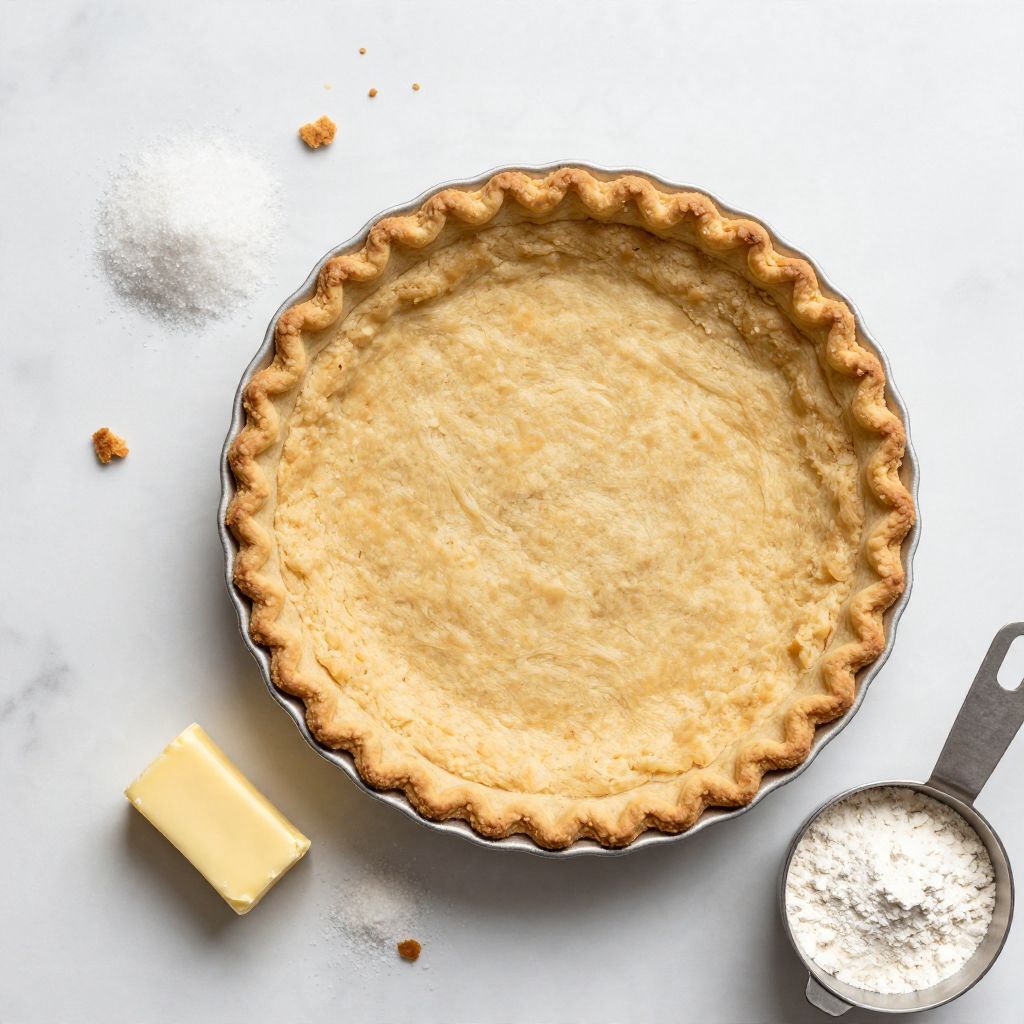
Shortbread Crust
Ingredients
Equipment
Method
- Preheat your oven to 350°F (175°C).
- In a mixing bowl, combine the softened butter and granulated sugar. Beat until light and fluffy.
- Gradually add the all-purpose flour and salt. Mix until just combined.
- Press the dough together with your hands until it forms a cohesive ball.
- Transfer the dough to your pie dish or tart pan and press it evenly into the bottom and up the sides.
- Prick the bottom of the crust with a fork.
- Bake for about 20 minutes, or until lightly golden.
- Remove from the oven and allow to cool completely before adding filling.