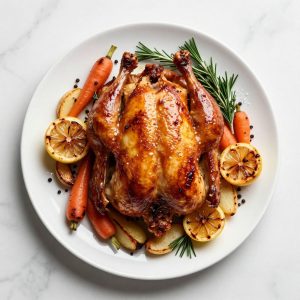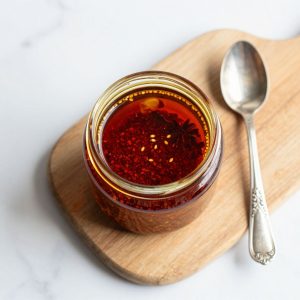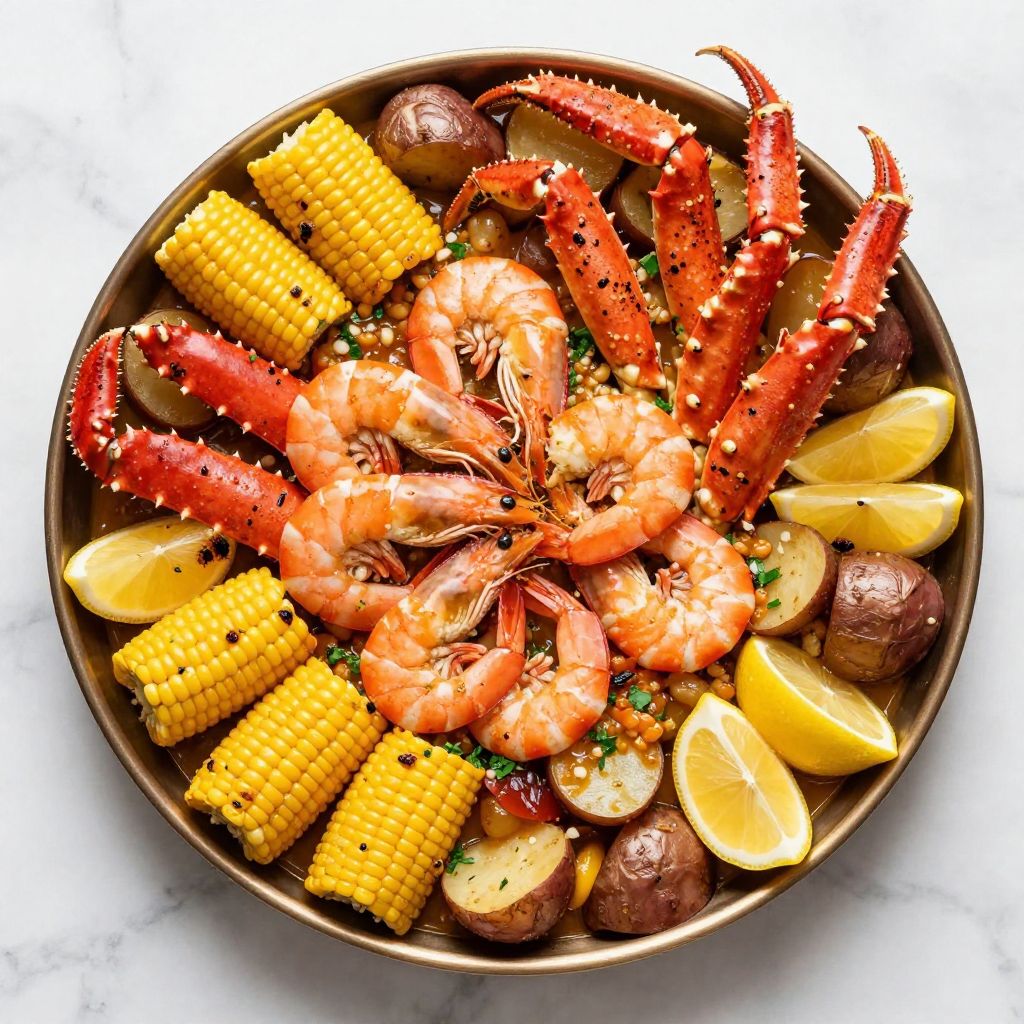
Seafood boil sauce recipe transforms a pile of shrimp, crab, and corn into something your guests will remember for months. This buttery, garlicky, spicy sauce is the secret weapon that separates a good boil from a legendary one.
Once you nail this sauce, you will never go back to plain melted butter. Let me show you exactly how to make it right.
What Makes This Recipe Worth Your Time
This sauce takes fifteen minutes and uses ingredients you probably already have. It turns a simple seafood boil into a restaurant quality experience without the restaurant bill.
- Customizable heat level lets you dial the spice from mild to scorching based on your crowd
- Makes enough sauce for dipping, drizzling, and soaking up with crusty bread
- Balances richness with brightness so the seafood flavor still shines through
- Comes together in one pan while your boil finishes cooking
- Stores and reheats beautifully for leftover seafood the next day
A Little Background on This Dish
Seafood boil sauce traces its roots to Louisiana Cajun country, where communal crawfish and shrimp boils have been a social tradition for generations. The sauce evolved as cooks realized that while the boil itself was good, a rich butter sauce elevated the whole experience.
What started as simple garlic butter has grown into a regional obsession with countless variations. Some lean heavy on Old Bay, others go Cajun with paprika and cayenne, and Vietnamese American versions add lemongrass and fish sauce for a completely different direction.
My Experience With This Recipe
I started making this sauce after a disappointing seafood boil at a friend’s house where we had beautiful crab legs and nothing but plain butter to dip them in. It felt like a missed opportunity, and I knew I could do better at home.
My first few attempts were disasters of epic proportions. I burned the garlic twice, made one batch so spicy my eyes watered from across the kitchen, and once added the lemon juice too early which caused the butter to seize into a grainy mess.
The night I finally got it right, the sauce had this glossy sheen and smelled like pure summer on the Gulf Coast. My kids actually asked for seconds of the vegetables just so they had an excuse to eat more sauce, which told me everything I needed to know.
Before You Start: Key Things to Know
This recipe suits cooks of any skill level, but the timing requires your attention. The biggest challenge is managing heat to bloom the garlic without burning it.
- Difficulty level: Easy, perfect for beginners who want impressive results
- Active time vs passive time: About 12 minutes of active cooking with no waiting around
- Most important equipment: A heavy bottomed saucepan that distributes heat evenly
- Step requiring most attention: Sautéing the garlic, which can burn in seconds if neglected
Recipe at a Glance
- Recipe Name: Seafood Boil Sauce
- Yield: 8 servings (about 2 cups)
- Prep Time: 5 minutes
- Cook Time: 10 minutes
- Total Time: 15 minutes
- Difficulty: Easy
- Course: Sauce, Condiment
- Cuisine: Cajun, Southern American
- Calories per Serving: 215
How to Source the Best Ingredients
The quality of your butter and garlic will make or break this sauce since they form the foundation of every bite. Spend the extra dollar on good butter and fresh garlic here.
- Butter: Choose unsalted butter with at least 82% butterfat; European style brands like Kerrygold or Plugra melt smoother and taste richer
- Garlic: Buy whole heads that feel firm and heavy with no green sprouts; pre minced garlic lacks the punch you need
- Lemons: Select lemons that feel heavy for their size with thin, bright yellow skin; they contain more juice
- Cayenne pepper: Check the expiration date since old cayenne loses heat and tastes dusty; fresh cayenne should smell sharp when you open the jar
- Paprika: Hungarian sweet paprika has the deepest color and flavor; smoked paprika works if you want a smokier profile
Ingredients for Seafood Boil Sauce
For the Sauce Base
- 1 cup (2 sticks) unsalted butter
- 10 cloves garlic, minced
- 1 tablespoon Old Bay seasoning
- 1 teaspoon paprika
- 1 teaspoon cayenne pepper (adjust to taste)
- 1 teaspoon black pepper, freshly ground
- ½ teaspoon kosher salt
For Finishing
- 3 tablespoons fresh lemon juice (about 1 large lemon)
- 2 tablespoons Worcestershire sauce
- 1 tablespoon hot sauce (Louisiana style preferred)
- 2 tablespoons fresh parsley, finely chopped
Smart Substitutions and Swaps
- Butter: Provides richness and carries fat soluble flavors; substitute with ghee for dairy sensitivity or use half butter and half olive oil for a lighter sauce
- Old Bay seasoning: Adds the signature seafood boil flavor profile; make your own with celery salt, paprika, black pepper, and a pinch of allspice if unavailable
- Cayenne pepper: Delivers clean heat without altering flavor; swap with red pepper flakes for texture or use half the amount of ghost pepper powder for extreme heat
- Lemon juice: Provides acidity that cuts through the richness; white wine vinegar works in a pinch but use only half the amount
- Worcestershire sauce: Adds umami depth and slight sweetness; substitute with soy sauce plus a tiny splash of tamarind paste
- Hot sauce: Contributes vinegar tang along with heat; any cayenne based hot sauce works, or skip entirely for a mild version
Tools and Equipment You Will Need
Having everything within arm’s reach before you start prevents the garlic from burning while you hunt for a measuring spoon. This sauce moves fast once the butter melts.
- Heavy bottomed saucepan, 2 to 3 quart capacity (distributes heat evenly to prevent hot spots)
- Wooden spoon or heat resistant spatula
- Measuring spoons
- Measuring cups
- Sharp knife and cutting board
- Citrus juicer or reamer (extracts more juice than squeezing by hand)
- Small bowls for prepped ingredients
- Serving bowl or gravy boat
How to Make Seafood Boil Sauce
Read through all the steps before starting and have every ingredient measured and ready beside the stove. The garlic should be minced, the lemon juiced, and the parsley chopped before you turn on the heat.
Step 1: Prep Your Mise en Place
Measure out all the spices into a small bowl: the Old Bay, paprika, cayenne, black pepper, and salt. Mince the garlic finely and keep it in a separate small bowl near the stove.
This organization matters because once the butter melts, you have seconds to add ingredients at the right moment. Scrambling for a measuring spoon while garlic burns is a mistake you only make once.
Your prep is complete when everything sits within arm’s reach and you can make the entire sauce without stepping away from the stove.
Step 2: Melt the Butter Slowly
Place your saucepan over medium low heat and add the butter, cut into tablespoon sized pieces. Let it melt slowly without stirring for the first minute, then gently swirl the pan.
Melting butter slowly prevents the milk solids from browning too quickly, which gives you more control in the next steps. Rushing this with high heat creates brown butter, which tastes great but is not the flavor profile we want here.
The butter is ready when it is completely liquid with a thin layer of foam on top and no visible solid pieces remaining.
Step 3: Bloom the Garlic
Add all the minced garlic to the melted butter and stir constantly with your wooden spoon. Keep the heat at medium low and watch the garlic like it owes you money.
Blooming garlic in fat releases its aromatic compounds and mellows the sharp raw bite into something sweet and fragrant. This step is where the sauce builds its flavor foundation, so do not rush it or walk away.
The garlic is ready after 60 to 90 seconds when it turns light golden and smells intensely aromatic but not at all bitter or acrid.
Step 4: Add the Dry Spices
Pour in the bowl of mixed spices and stir immediately to distribute them throughout the butter. Keep stirring for about 30 seconds as the spices toast in the hot fat.
Toasting spices in fat blooms their essential oils and creates a deeper, more complex flavor than adding raw spices at the end. The fat also helps carry those flavors across your tongue when you taste the sauce.
Watch for the mixture to become fragrant and slightly darker in color, and you will see the butter take on a rich orange hue from the paprika.
Step 5: Incorporate the Worcestershire Sauce
Add the Worcestershire sauce to the pan and stir well to combine. The sauce will bubble slightly when it hits the hot butter.
Worcestershire sauce adds umami depth, a hint of sweetness, and a subtle tanginess that makes the other flavors pop. It is the secret ingredient that makes people ask what is in this sauce.
Stir until the bubbling subsides and the Worcestershire is fully incorporated, about 15 seconds.
Step 6: Add the Hot Sauce
Pour in the hot sauce and stir to combine completely. Taste the sauce now if you want to adjust the heat level before proceeding.
Adding hot sauce separately from the cayenne gives you two layers of heat: the clean burn from cayenne and the vinegar forward heat from the hot sauce. This creates complexity that single source heat cannot match.
The sauce should taste noticeably spicy at this point but not painfully so; remember it will coat rich seafood that can handle bold flavors.
Step 7: Simmer for Integration
Reduce the heat to low and let the sauce simmer gently for 3 minutes, stirring occasionally. Do not let it boil vigorously.
This gentle simmer allows all the flavors to marry together and gives the spices time to fully hydrate in the fat. Skipping this step results in a sauce that tastes like separate ingredients rather than a unified whole.
Watch for a consistent gentle bubbling around the edges of the pan; aggressive boiling can cause the butter to separate.
Step 8: Add the Lemon Juice
Remove the pan from the heat completely before adding the lemon juice. Pour it in slowly while whisking constantly to emulsify.
Adding acid to hot butter off the heat prevents the emulsion from breaking and creating a greasy, separated mess. The lemon juice brightens all the rich flavors and provides the acidity that makes the sauce crave worthy.
The sauce should look glossy and cohesive; if you see pools of yellow fat separating from a watery layer, whisk more vigorously or add a splash of cold water while whisking.
Step 9: Fold in the Fresh Parsley
Add the chopped fresh parsley and stir gently to distribute it throughout the sauce. The residual heat will slightly wilt the parsley without cooking it.
Fresh herbs added at the end provide color, freshness, and a flavor note that dried herbs cannot replicate. The parsley also adds tiny pops of green that make the sauce look as good as it tastes.
Stir just until the parsley is evenly distributed; overmixing will bruise the delicate leaves.
Step 10: Taste and Adjust the Seasoning
Taste the sauce with a clean spoon and evaluate the balance of salt, heat, acid, and richness. Add more salt, cayenne, lemon juice, or hot sauce as needed.
Every batch of sauce will taste slightly different based on your specific ingredients, so this final adjustment is not optional. Professional cooks taste and adjust constantly, and you should too.
The finished sauce should taste bold enough to stand up to rich seafood, with no single flavor dominating; you should taste butter, garlic, spice, and brightness in harmony.
Step 11: Transfer and Serve Immediately
Pour the sauce into a warmed serving bowl or divide among individual dipping cups. Serve immediately while the butter is still liquid and glossy.
Butter sauces begin to solidify as they cool, so timing your sauce to finish right when your seafood comes out of the pot matters. A warm bowl helps keep the sauce liquid longer.
The sauce is ready when it coats a spoon in a thin, even layer and slides off slowly rather than dripping like water.
Step 12: Reheat if Needed
If your sauce cools before serving, return it to the saucepan over the lowest possible heat. Whisk constantly while it warms to prevent separation.
Reheating emulsified butter sauces requires patience and low heat; too much heat or not enough stirring will cause the sauce to break. Adding a teaspoon of cold water while whisking can help re emulsify a sauce that starts to look oily.
Remove from heat the moment the sauce is warm and flowing freely; it does not need to be hot, just liquid.
Pro Tip: Reserve a few tablespoons of the boil cooking liquid and whisk it into the finished sauce for an extra layer of seafood flavor that ties everything together on the plate.
The Science Behind the Technique
This sauce is an emulsion, which means it combines fat (butter) with water based liquids (lemon juice, Worcestershire) that normally would not mix. The garlic and spice particles act as emulsifiers, helping to keep the mixture stable and creamy.
Temperature control is everything with emulsified butter sauces. When butter gets too hot, the milk proteins and water separate from the fat, creating an oily, broken sauce that no amount of stirring can fix.
Chef Note: If your sauce ever breaks, add an ice cube and whisk furiously; the cold shocks the emulsion back together about 80% of the time.
Tips for Getting It Right Every Time
- Prep everything first because this sauce moves fast and there is no time to measure once you start cooking
- Use a thermometer if you are nervous about the heat; keep the butter between 160°F and 180°F while cooking
- Mince the garlic by hand rather than using a press, which releases too much moisture and can cause splattering
- Warm your serving bowl by filling it with hot water while you cook, then drying it before adding the sauce
- Double the recipe for large gatherings because people always want more sauce than you expect
- Taste as you go and trust your palate over exact measurements since ingredient brands vary in intensity
Mistakes That Will Ruin Your Dish
- Burning the garlic creates an acrid, bitter flavor that permeates the entire sauce and cannot be fixed
- Adding lemon juice over high heat breaks the emulsion and leaves you with greasy, separated butter floating on sour liquid
- Using salted butter combined with Old Bay makes the sauce inedibly salty since both contain significant sodium
- Boiling the sauce vigorously causes the butter to separate and leaves you with an oily, broken mess
- Making the sauce too far ahead means it will solidify and require careful reheating that risks breaking the emulsion
Make Ahead and Meal Prep Tips
This sauce works best made fresh, but you can prep components ahead to speed up the final cooking. The sauce itself can be made up to 2 hours ahead and kept warm.
- Garlic: Mince up to 4 hours ahead and store covered in the refrigerator; bring to room temperature before using
- Spice mixture: Combine all dry spices up to a week ahead and store in an airtight container at room temperature
- Lemon juice: Squeeze and strain up to 24 hours ahead; refrigerate in a sealed container
- Finished sauce: Keep warm in a small slow cooker on the lowest setting for up to 2 hours, stirring occasionally
What to Serve With Seafood Boil Sauce
This sauce belongs at the center of a casual, hands on meal where everyone gathers around the table and gets messy. Think backyard party, not formal dinner.
- Classic seafood boil: Shrimp, crab legs, crawfish, corn on the cob, andouille sausage, and red potatoes all benefit from this sauce
- Crusty French bread: Essential for soaking up every last drop of sauce from your plate
- Coleslaw: The cool, creamy crunch balances the rich, spicy sauce perfectly
- Corn on the cob: Even beyond the boil, grilled or roasted corn is incredible with this sauce drizzled over it
- Steamed artichokes: The leaves become vehicles for the sauce, turning a simple vegetable into an indulgent appetizer
Drink Pairings
A crisp, cold beer is the classic match here, cutting through the richness while standing up to the bold Cajun spices. The carbonation cleanses your palate between bites.
- Wine: An unoaked Chardonnay or Albariño with bright acidity complements the butter without competing with the spice
- Beer: A light lager, wheat beer, or pilsner with clean malt character refreshes the palate and tames the heat
- Non alcoholic: Fresh squeezed lemonade with extra ice handles the spice while echoing the citrus in the sauce
- Hot drink: Not traditionally paired, but hot buttered rum makes a surprisingly good match for cool weather boils
Flavour Variations Worth Trying
- Lemon herb version: Double the lemon juice and add fresh thyme and tarragon for a brighter, more herbaceous sauce. The flavor shifts toward French bistro rather than Cajun.
- Asian fusion version: Replace Worcestershire with soy sauce, add minced ginger, and finish with sesame oil and green onions. The profile becomes umami forward with subtle heat.
- Smoky chipotle version: Swap cayenne for minced chipotle peppers in adobo sauce and use smoked paprika. The sauce takes on a deep, smoky character with earthy heat.
- Honey garlic version: Add 2 tablespoons of honey and double the garlic for a sweeter, stickier sauce. Perfect for those who prefer less heat and more sweetness.
- White wine version: Add ¼ cup of dry white wine after the garlic and reduce by half before adding spices. The sauce becomes more elegant and complex.
How to Adapt This Recipe for Your Diet
- Gluten free: Use gluten free Worcestershire sauce (standard Worcestershire often contains barley malt); all other ingredients are naturally gluten free
- Dairy free: Replace butter with refined coconut oil or vegan butter; the sauce will taste slightly different but still delicious
- Vegan: Use vegan butter and a vegan Worcestershire substitute; this version works great for dipping vegetables and bread
- Low carb: This recipe is already very low carb with less than 2 grams per serving; use liberally on keto friendly proteins
- High protein: Stir in 2 tablespoons of nutritional yeast for added protein and a subtle savory depth
How to Store and Reheat
In the Refrigerator
Store leftover sauce in an airtight glass container for up to 5 days. The butter will solidify completely, which is normal and expected.
- Let the sauce cool to room temperature before covering and refrigerating
- Store away from strong smelling foods since butter absorbs odors easily
In the Freezer
This sauce freezes well for up to 3 months, making it worth doubling the recipe. Freeze in ice cube trays for easy portioning.
- Transfer frozen cubes to a freezer bag once solid, pressing out excess air
- Label with the date and use within 3 months for best flavor
Reheating
The best method is gentle stovetop reheating over the lowest possible heat with constant whisking. Never microwave this sauce on high power.
- Oven reheating: Not recommended as the indirect heat takes too long and risks separation
- Stovetop reheating: Best method; use lowest heat and whisk constantly until just liquid and warm
- Microwave reheating: Use 50% power in 15 second bursts, whisking between each; high power will break the emulsion
Cost Breakdown
Making this sauce at home costs a fraction of what restaurants charge for their seafood boil sauces. One batch costs roughly what you would pay for a single tiny cup of dipping sauce at a seafood restaurant.
| Ingredient | Estimated Cost |
|---|---|
| Unsalted butter (1 cup) | $2.50 |
| Garlic (10 cloves) | $0.40 |
| Old Bay seasoning | $0.30 |
| Paprika and cayenne | $0.20 |
| Lemon (1 large) | $0.50 |
| Worcestershire and hot sauce | $0.25 |
| Fresh parsley | $0.35 |
| Total Per Serving | $0.56 |
Nutrition Information
| Nutrient | Amount |
|---|---|
| Calories | 215 |
| Total Fat | 23g |
| Saturated Fat | 14g |
| Trans Fat | 0g |
| Cholesterol | 61mg |
| Sodium | 380mg |
| Total Carbohydrates | 2g |
| Dietary Fiber | 0g |
| Total Sugars | 1g |
| Added Sugars | 0g |
| Protein | 1g |
| Vitamin D | 0mcg |
| Calcium | 15mg |
| Iron | 0.5mg |
| Potassium | 45mg |
Nutritional values are estimates and will vary based on specific brands and portion sizes used.
Frequently Asked Questions
Can I use salted butter instead of unsalted?
You can, but reduce or eliminate the added salt and cut the Old Bay in half. Taste carefully as you go since oversalting is the most common way to ruin this sauce.
Can I make this sauce ahead of time?
Yes, make it up to 2 hours ahead and keep warm in a small slow cooker on the lowest setting. For longer storage, refrigerate and reheat gently over low heat.
How long will this sauce last in the refrigerator?
Properly stored in an airtight container, the sauce keeps for 5 days. The butter will solidify but returns to liquid with gentle reheating.
Why did my sauce turn grainy and separate?
The heat was too high when you added the lemon juice. Next time, remove the pan completely from heat before adding any acidic ingredients.
Can I double or triple this recipe for a large party?
Absolutely, the recipe scales perfectly. Use a larger pan to ensure even heating and allow a bit more time for the garlic to bloom properly.
Does this sauce work without Old Bay seasoning?
Yes, but the flavor profile changes significantly. Substitute with equal parts celery salt, paprika, and black pepper plus a pinch of allspice and dry mustard.
Can I use this sauce for other dishes besides seafood boils?
This sauce is incredible on grilled steak, roasted chicken, steamed vegetables, pasta, and even drizzled over pizza. Think of it as a flavor amplifier for anything savory.
My Final Word
This seafood boil sauce is the kind of recipe that makes people think you know some secret they do not. It is simple, fast, and turns a basic seafood dinner into something people talk about.
I have made this sauce more times than I can count, and it has never let me down. Trust the process, keep your heat low, and taste as you go.
If you try this recipe, I would love to hear how it turned out for you. Drop a comment below or tag Recipe Papa on social media with your seafood boil spread.
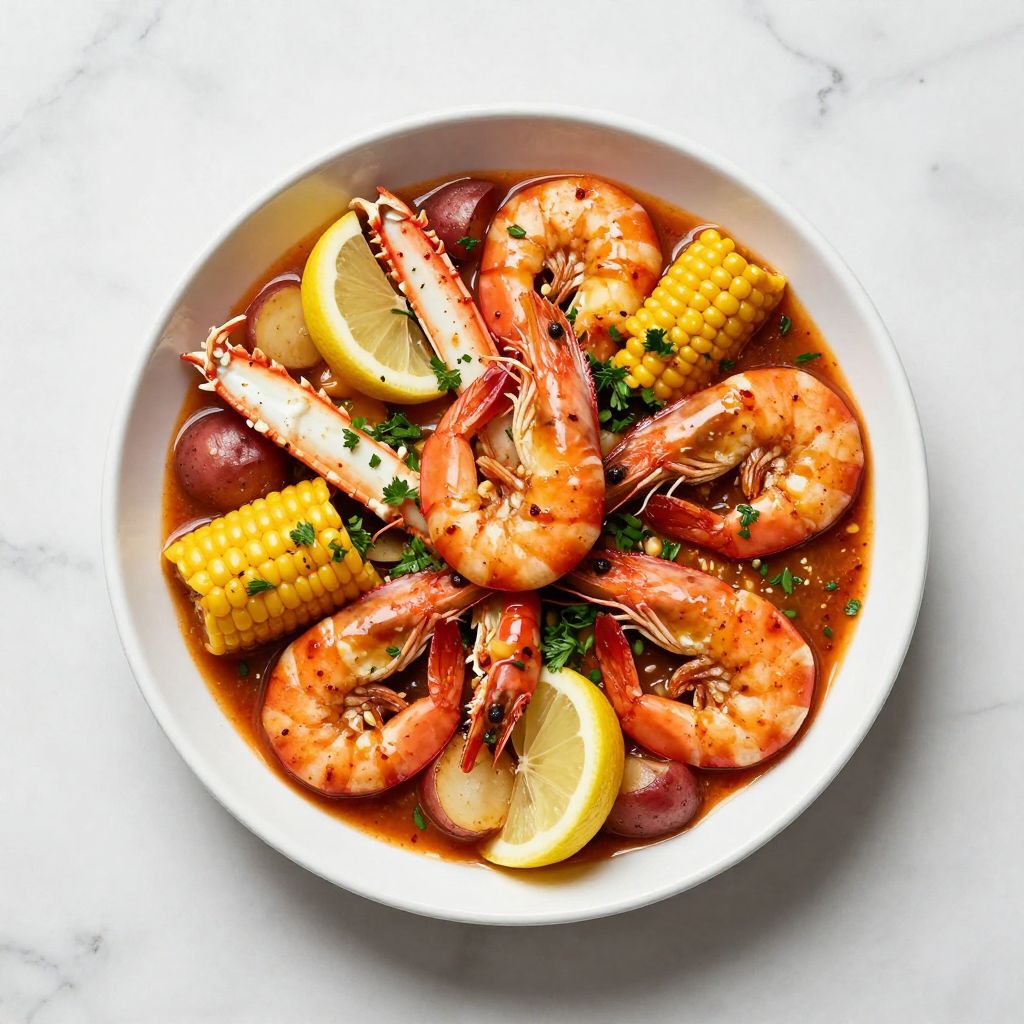
Seafood Boil Sauce
Ingredients
Equipment
Method
- Measure out all the spices into a small bowl: the Old Bay, paprika, cayenne, black pepper, and salt. Mince the garlic finely and keep it in a separate small bowl near the stove.
- Place your saucepan over medium low heat and add the butter, cut into tablespoon sized pieces. Let it melt slowly without stirring for the first minute, then gently swirl the pan until completely liquid with no visible solid pieces remaining.
- Add all the minced garlic to the melted butter and stir constantly with your wooden spoon. Keep the heat at medium low for 60 to 90 seconds until the garlic turns light golden and smells intensely aromatic.
- Pour in the bowl of mixed spices and stir immediately to distribute them throughout the butter. Keep stirring for about 30 seconds as the spices toast in the hot fat until fragrant and the butter takes on a rich orange hue.
- Add the Worcestershire sauce to the pan and stir well to combine. Stir until the bubbling subsides and the Worcestershire is fully incorporated, about 15 seconds.
- Pour in the hot sauce and stir to combine completely. Taste the sauce now if you want to adjust the heat level.
- Reduce the heat to low and let the sauce simmer gently for 3 minutes, stirring occasionally. Do not let it boil vigorously.
- Remove the pan from the heat completely before adding the lemon juice. Pour it in slowly while whisking constantly to emulsify until the sauce looks glossy and cohesive.
- Add the chopped fresh parsley and stir gently to distribute it throughout the sauce.
- Taste the sauce and adjust the balance of salt, heat, acid, and richness as needed.
- Pour the sauce into a warmed serving bowl or divide among individual dipping cups. Serve immediately while the butter is still liquid and glossy.