
Close your eyes and imagine the rich, umami aroma of freshly made miso paste wafting through your kitchen. This versatile ingredient isn’t just a staple in Japanese cuisine; it adds depth and character to countless dishes, from soups to marinades and beyond.
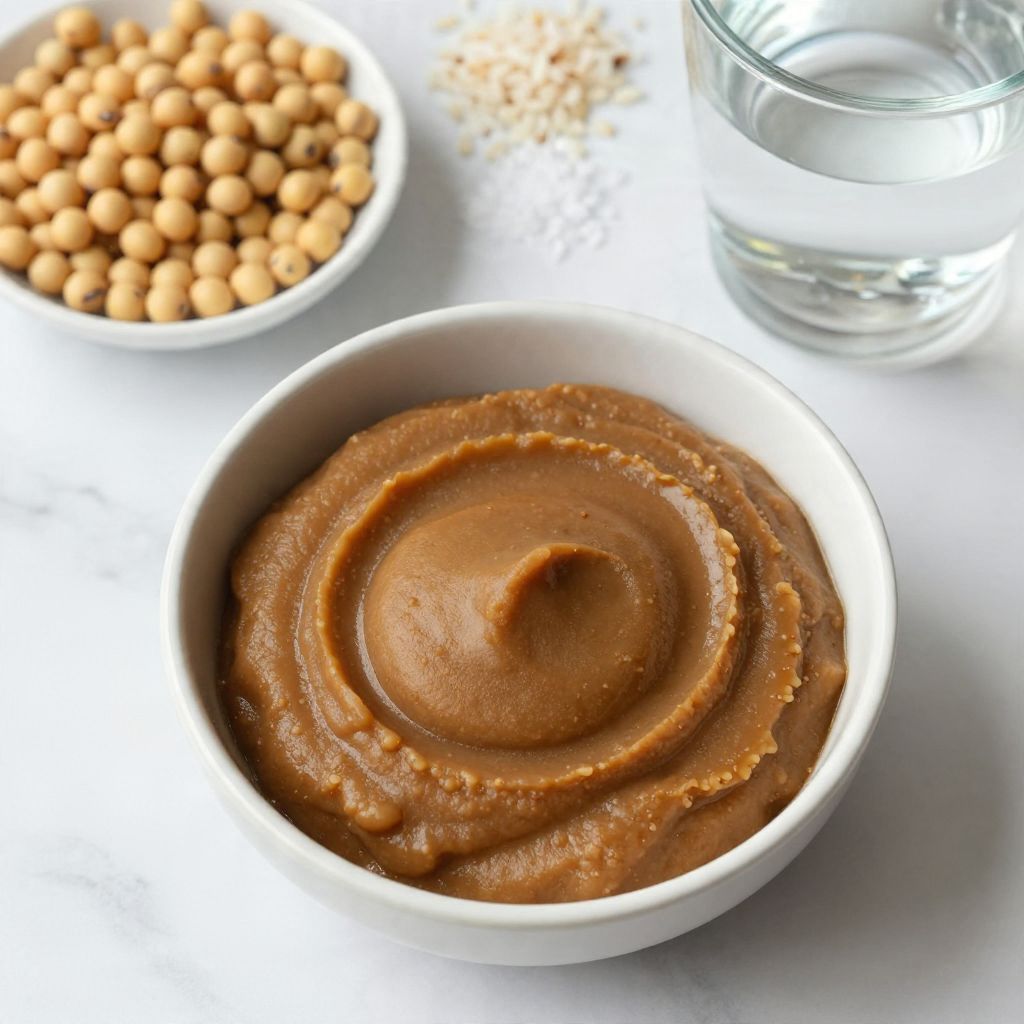
Making your own miso paste is a rewarding endeavor that offers a unique, complex flavor profile you simply can’t find in store-bought versions. The creamy texture and savory taste elevate any meal, making it a worthwhile addition to your culinary repertoire.
Why You’ll Love This Recipe
This recipe is a game changer for flavor enthusiasts and home cooks alike.
- Simple ingredients create a profound flavor.
- Customizable to suit your taste preferences.
- Great for meal prep; store and use as needed.
- Healthy, packed with nutrients.
- Can be used in various dishes, adding versatility.
My Experience Making This Recipe
When I first decided to make miso paste, I was excited yet a little intimidated. But the process turned out to be quite straightforward, and the resulting paste had a flavor that was out of this world.
Every time I opened the jar, the aroma transported me back to my favorite sushi bar. It quickly became a staple in my kitchen, and I loved experimenting with it in everything from dressings to soups.
Recipe Overview
- Recipe Name: Miso Paste
- Servings: Makes about 1 cup
- Prep Time: 10 minutes
- Cook Time: 6 months (fermentation time)
- Total Time: 6 months and 10 minutes
- Course: Condiment
- Cuisine: Japanese
- Calories per Serving: Approximately 40
Equipment You Will Need
- Mixing bowl
- Food processor or blender
- Spatula
- Glass jar or container for fermentation
- Clean cloth or lid to cover
Ingredients for Miso Paste
- 1 cup of soybeans
- 1/4 cup of koji rice (or barley koji)
- 1/4 cup of sea salt
- 1/2 cup of water, plus more for soaking
Ingredient Notes and Substitutions
- Soybeans: Used for their protein and creamy texture. Substitute with chickpeas for a different flavor profile.
- Koji rice: This fermentation starter is essential for flavor. You can use barley koji or skip it, but the flavor will differ.
- Sea salt: Enhances flavor and aids in fermentation. Table salt is an option, but it may alter the taste slightly.
- Water: Hydrates and blends ingredients. Filtered water is best for purity, but tap water works fine.
How to Make Miso Paste
Step 1: Soak the Soybeans
Place the soybeans in a bowl and cover them with water. Let them soak for at least 8 hours or overnight to soften.
Step 2: Cook the Soybeans
Drain the soaked soybeans and transfer them to a pot. Cover with fresh water, bring to a boil, then reduce heat and simmer until tender, about 1 to 2 hours.
Step 3: Blend the Soybeans
Once cooked, drain the soybeans again. Using a food processor or blender, pulse them until they form a smooth paste, adding a little water if necessary.
Step 4: Mix in Koji and Salt
Transfer the blended soybean paste to a mixing bowl. Stir in the koji rice and sea salt until well combined, ensuring even distribution.
Step 5: Pack into a Jar
Using a spatula, pack the miso mixture into a clean glass jar. Push down firmly to eliminate air pockets, which can spoil the paste.
Step 6: Cover and Ferment
Cover the jar with a clean cloth or lid, allowing air to flow while keeping contaminants out. Set it in a cool, dark place for 6 months to ferment.
Step 7: Check for Fermentation
After 6 months, check the paste for flavor and texture. It should be smooth, creamy, and have a deep umami flavor.
Step 8: Store and Enjoy
Once fermented, transfer the miso paste to a clean container and refrigerate. Use it in soups, marinades, dressings, or any dish that needs a flavor boost.
Pro Tip: The longer you ferment, the richer the flavor. Just be patient!
Tips for the Best Miso Paste
- Use high-quality soybeans for the best taste.
- Ensure all equipment is clean to prevent unwanted bacteria.
- Store miso in the fridge to maintain freshness.
- Try different types of koji for varied flavor profiles.
- Experiment with fermentation duration to find your perfect taste.
Common Mistakes to Avoid
- Not soaking the soybeans long enough can lead to uneven texture.
- Skipping the koji will affect the fermentation process.
- Packing too loosely in the jar can lead to spoilage.
- Using metal containers may react with the miso, altering its flavor.
Serving Suggestions
Miso paste shines as a base for soups, but its versatility doesn’t stop there. Here are some delicious ways to use it:
- In marinades for grilled meats or vegetables.
- As a flavor booster in salad dressings.
- In stir-fries for added depth.
- Mixed with butter for a savory spread.
Variations to Try
- Add ginger or garlic for a punchy twist.
- Incorporate chili flakes for some heat.
- Use miso in a glaze for roasted vegetables.
- Try sweet miso by adding a bit of sugar for a unique flavor.
Dietary Adaptations
- Gluten-free: Use gluten-free koji or skip it entirely.
- Dairy-free: This recipe is naturally dairy-free.
- Vegan/Vegetarian: Miso paste is plant-based and perfect for all diets.
- Low-carb/Keto: Miso is low in carbs, making it suitable for keto diets.
Storage and Reheating
Refrigerator
Store miso paste in the refrigerator in a tightly sealed container. It can last for over a year if kept properly.
- Use a spoon to avoid contamination.
- Keep it covered to prevent drying out.
Freezer
Miso can also be frozen for longer storage. Portion it into ice cube trays for easy use.
- Thaw cubes as needed for recipes.
- Store in airtight bags to prevent freezer burn.
Reheating
Miso paste doesn’t require reheating. Simply add it directly to hot liquids or dishes.
- Always taste before adding additional salt.
- Add miso at the end of cooking for the best flavor.
Nutrition Information
| Nutrient | Amount |
|---|---|
| Calories | 40 |
| Total Fat | 1g |
| Saturated Fat | 0g |
| Carbohydrates | 7g |
| Fiber | 1g |
| Sugar | 1g |
| Protein | 4g |
| Sodium | 800mg |
| Cholesterol | 0mg |
Nutrition values may vary based on specific ingredients used.
Frequently Asked Questions
Can I use other beans instead of soybeans?
Yes, chickpeas or black beans can be used, but the flavor will change.
How long does miso need to ferment?
The ideal fermentation time is about 6 months, but you can taste it earlier.
Can I make miso paste ahead of time?
Absolutely! Just store it in the fridge after it ferments.
What if my miso paste is too salty?
Mix in a bit of water to adjust the saltiness, but remember that miso is naturally salty.
Is homemade miso paste better than store-bought?
Homemade miso offers a fresher taste and unique flavor profiles that store-bought may lack.
Final Thoughts
Making your own miso paste is a delightful process that brings incredible flavors to your kitchen. I encourage you to give it a try; you may find it becomes your new favorite condiment.
For more culinary adventures, be sure to check out Recipe Papa for more delicious recipes. And if you’re interested in something different, try this seafood boil sauce recipe for a flavorful experience.
Miso Paste
Ingredients
Equipment
Method
- Place the soybeans in a bowl and cover them with water. Let them soak for at least 8 hours or overnight to soften.
- Drain the soaked soybeans and transfer them to a pot. Cover with fresh water, bring to a boil, then reduce heat and simmer until tender, about 1 to 2 hours.
- Once cooked, drain the soybeans again. Using a food processor or blender, pulse them until they form a smooth paste, adding a little water if necessary.
- Transfer the blended soybean paste to a mixing bowl. Stir in the koji rice and sea salt until well combined.
- Using a spatula, pack the miso mixture into a clean glass jar, pushing down firmly to eliminate air pockets.
- Cover the jar with a clean cloth or lid and set it in a cool, dark place for 6 months to ferment.
- After 6 months, check the paste for flavor and texture. It should be smooth, creamy, and have a deep umami flavor.
- Once fermented, transfer the miso paste to a clean container and refrigerate. Use it as needed.