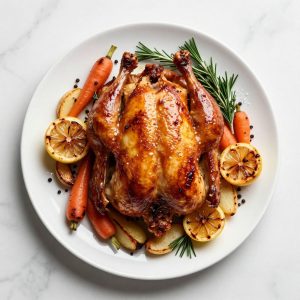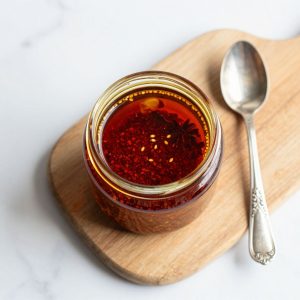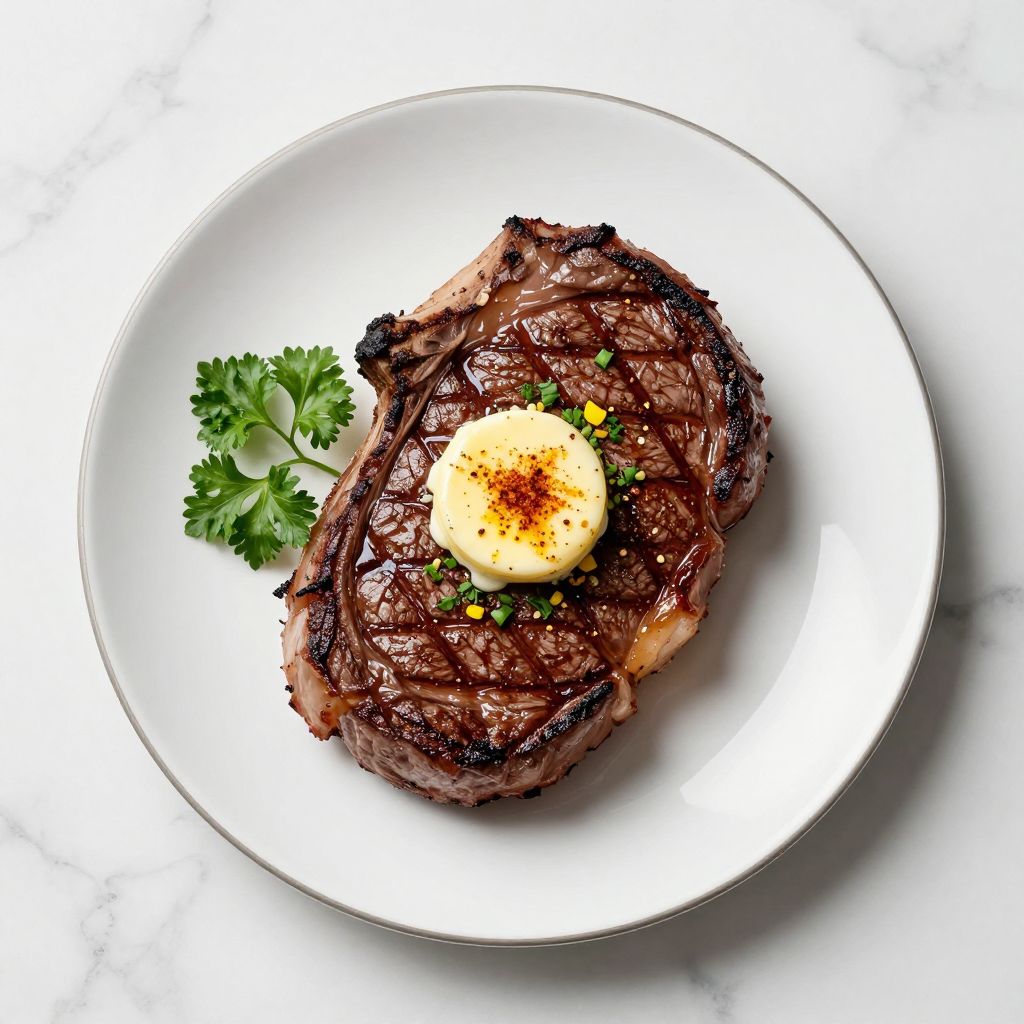
Cowboy butter transforms a plain steak into something you will think about for days. This compound butter packs garlic, herbs, and a hit of heat into every melting bite. Once you master this five minute recipe, you will never serve a grilled protein without it again.
What Makes This Recipe Worth Your Time
Most compound butters taste fine but fade into the background. This cowboy butter punches through with layers of flavor that stand up to the boldest cuts of beef.
- Ready in five minutes with ingredients you probably already have in your pantry and refrigerator
- Keeps for weeks in the freezer so you always have restaurant quality flavor on hand
- Works on everything from ribeyes to chicken breasts to grilled corn and crusty bread
- Customizable heat level so you can make it mild for the kids or fiery for yourself
- Costs pennies per serving compared to fancy finishing sauces from specialty stores
A Little Background on This Dish
Compound butters have French roots, but cowboy butter is pure American ranch country. Trail cooks needed ways to add flavor to simple grilled meats without hauling fragile sauces across rough terrain.
The name caught on at Texas steakhouses in the early 2000s, though versions existed long before that. The combination of butter, garlic, and chili heat reflects the bold flavors of Southwestern cooking where subtlety takes a back seat to satisfaction.
My Experience With This Recipe
I started making compound butters about fifteen years ago when I realized my grilled steaks tasted good but not memorable. The first few batches were fine, but they lacked the punch I wanted.
My early attempts used dried herbs, which was a mistake. The result tasted dusty and dull, nothing like the vibrant butter I had at a steakhouse in Fort Worth.
The first time I used fresh parsley and dialed up the garlic, my family went quiet mid bite, which is the highest compliment in my house. That golden pool of melted butter on a hot ribeye, flecked with green and smelling like heaven, told me I had finally cracked it.
Before You Start: Key Things to Know
This recipe suits absolute beginners and seasoned cooks alike. The only real challenge is getting the butter soft enough to mix without melting it into a puddle.
- Difficulty level: Easy, perfect for your first compound butter
- Active time vs passive time: Five minutes of mixing, then at least one hour of chilling
- Most important equipment: A medium mixing bowl and a fork or spatula
- Step requiring most attention: Mincing the garlic finely so you avoid harsh raw chunks
Recipe at a Glance
- Recipe Name: Cowboy Butter
- Yield: 8 servings (approximately 1 tablespoon per serving)
- Prep Time: 5 minutes
- Cook Time: 0 minutes
- Total Time: 5 minutes active plus 1 hour chilling
- Resting Time: 1 hour minimum to firm up
- Difficulty: Easy
- Course: Condiment, Sauce
- Cuisine: American, Southwestern
- Calories per Serving: 105
How to Source the Best Ingredients
Quality butter and fresh herbs make or break this recipe. Stale herbs and bargain butter produce a dull result that wastes your time.
- Butter: Choose unsalted butter with at least 80% butterfat, look for a deep yellow color which indicates grass fed cows and richer flavor
- Fresh parsley: Look for bright green leaves with no wilting or yellowing, flat leaf Italian parsley has more flavor than curly
- Garlic: Choose firm heads with tight skin and no green sprouts, which turn bitter when raw
- Lemon: Pick lemons that feel heavy for their size with thin skin, these have more juice
- Dijon mustard: Buy a jar from the refrigerated section if possible, it tastes fresher than shelf stable versions
Ingredients for Cowboy Butter
- 1/2 cup (1 stick) unsalted butter, softened to room temperature
- 2 tablespoons fresh parsley, finely chopped
- 3 cloves garlic, minced
- 1 tablespoon lemon juice, freshly squeezed
- 1 teaspoon Dijon mustard
- 1 teaspoon smoked paprika
- 1/2 teaspoon cayenne pepper (adjust to taste)
- 1/2 teaspoon onion powder
- 1/4 teaspoon kosher salt
- 1/4 teaspoon black pepper, freshly ground
Smart Substitutions and Swaps
- Unsalted butter: Provides the creamy base and allows you to control salt levels. Use salted butter if needed, but reduce the added salt to a pinch.
- Fresh parsley: Adds color and fresh herbal notes. Substitute fresh chives or cilantro for a different flavor profile.
- Garlic: Delivers the sharp, aromatic punch that defines this butter. Use 1/2 teaspoon garlic powder in a pinch, though fresh is noticeably better.
- Lemon juice: Brightens the butter and cuts through richness. White wine vinegar works as a substitute but tastes slightly sharper.
- Dijon mustard: Adds subtle tang and helps emulsify the ingredients. Yellow mustard works but has a more pronounced mustardy flavor.
- Smoked paprika: Contributes smoky depth and beautiful color. Regular paprika works but lacks the campfire quality.
- Cayenne pepper: Provides the heat that makes this cowboy butter. Use red pepper flakes or hot sauce if you prefer a different kind of heat.
Tools and Equipment You Will Need
Get everything out before you start mixing. Soft butter waits for no one, and hunting for a spatula mid recipe means risking melted butter.
- Medium mixing bowl
- Fork or silicone spatula (a fork incorporates air for fluffier butter)
- Sharp knife and cutting board
- Microplane or fine grater (optional, for zesting lemon)
- Plastic wrap (essential for shaping the butter log)
- Measuring spoons
How to Make Cowboy Butter
Read through all the steps first and set your softened butter out thirty minutes before you begin. Your garlic should be minced, parsley chopped, and lemon juiced before you touch the butter.
Step 1: Test Your Butter Temperature
Press your finger into the butter. It should yield easily and hold the indentation without feeling greasy or starting to melt.
Proper butter temperature matters because cold butter will not absorb the other ingredients evenly, while melted butter cannot hold its shape. You want pliable but not soft.
If your finger sinks in with gentle pressure and the butter feels like room temperature playdough, you are ready to proceed.
Step 2: Place Butter in Mixing Bowl
Transfer the softened butter to your mixing bowl. Use a fork to mash it against the sides a few times to make it even more workable.
Starting with well mashed butter ensures the flavorings distribute evenly rather than clumping in pockets. This extra thirty seconds saves you from bland bites later.
The butter should look creamy and slightly glossy, not grainy or separated.
Step 3: Add the Garlic
Scrape your minced garlic into the bowl. Use the back of your knife to smear the garlic on the cutting board first to release more oils.
Finely minced garlic disperses throughout the butter and delivers flavor in every bite. Large chunks create harsh raw garlic pockets that overwhelm the other ingredients.
You should see the garlic pieces distributed across the butter surface, ready for mixing.
Step 4: Add Fresh Parsley
Add your finely chopped parsley to the bowl. Make sure the parsley is dry, as excess water will cause the butter to separate.
Fresh parsley adds brightness and color that dried herbs cannot match. The chlorophyll in fresh leaves also helps cut through the richness of the butter.
Look for an even layer of green flecks across the butter surface.
Step 5: Add the Wet Ingredients
Squeeze in the lemon juice and add the Dijon mustard. These liquids need to go in before the dry spices so they can emulsify into the fat.
The acid from the lemon juice brightens all the other flavors and prevents the butter from tasting flat. Dijon mustard adds complexity and helps bind everything together.
You will see small pools of liquid sitting on the butter, which is normal at this stage.
Step 6: Add the Dry Spices
Measure and add the smoked paprika, cayenne pepper, onion powder, salt, and black pepper. Sprinkle them across the surface rather than dumping in one spot.
Distributing the spices before mixing prevents clumping and ensures even flavor throughout the finished butter. Concentrated pockets of cayenne can make certain bites unpleasantly hot.
Your bowl should now look like a colorful mess, with orange paprika and green parsley visible across the butter.
Step 7: Mix Until Combined
Use a fork to mash and stir the butter vigorously for about two minutes. Scrape down the sides of the bowl halfway through to catch any unmixed ingredients.
Thorough mixing creates a homogeneous compound butter where every slice delivers the same flavor experience. Undermixing leaves you with inconsistent results.
The finished mixture should be uniform in color with no visible streaks of plain butter and no pools of liquid remaining.
Step 8: Taste and Adjust
Dip a clean spoon into the butter and taste it directly. Adjust salt, cayenne, or lemon juice based on your preference.
Tasting at this stage is critical because you cannot fix seasoning problems once the butter is rolled and chilled. Remember that cold butter tastes less salty than room temperature butter.
The flavor should be bright, garlicky, and slightly tangy with a pleasant warmth at the finish.
Step 9: Shape the Butter Log
Tear off a piece of plastic wrap about 12 inches long. Scrape the butter onto the wrap in a rough line shape.
Rolling the butter into a log makes slicing perfect rounds easy and looks impressive on a dinner table. The plastic wrap technique gives you restaurant quality presentation at home.
Position the butter about 2 inches from the edge closest to you, leaving room to roll.
Step 10: Roll Tightly
Fold the edge of the plastic wrap over the butter and use your hands to roll it away from you while pressing gently to form a cylinder. Twist the ends like a candy wrapper to seal.
A tight roll eliminates air pockets that can cause the butter to oxidize and develop off flavors during storage. The twisted ends also make it easier to slice later.
Your finished log should be about 1.5 inches in diameter and uniformly round along its length.
Step 11: Chill Until Firm
Place the wrapped butter log in the refrigerator for at least one hour. For faster results, use the freezer for twenty minutes.
Chilling allows the butter to firm up so it holds its shape when sliced. Cold butter also melts slowly on hot food, giving you that beautiful pooling effect.
The butter is ready when it feels solid through the plastic wrap and does not dent when pressed.
Step 12: Slice and Serve
Unwrap the chilled butter and use a sharp knife to cut rounds about 1/4 inch thick. Place a round on hot steak immediately after resting.
Serving the butter on rested meat allows the juices to reabsorb while the butter melts slowly into a flavorful sauce. The residual heat does all the work.
Watch for the butter to soften at the edges and begin pooling, which signals the perfect moment to take your first bite.
Pro Tip: Slice the entire log while it is cold and layer the rounds between parchment paper in a freezer bag. You will always have perfectly portioned cowboy butter ready to grab without thawing the whole log.
The Science Behind the Technique
Butter acts as a flavor carrier because fat molecules bond with aromatic compounds and deliver them directly to your taste receptors. The garlic, herbs, and spices in cowboy butter become more flavorful when suspended in fat than they would be on their own.
The lemon juice serves a dual purpose: the acid brightens flavors and the water content creates tiny pockets within the butter that burst when heated. This releases concentrated flavor exactly when the butter melts on your steak.
Chef Note: Room temperature butter absorbs flavors better than cold butter because the fat molecules are more mobile and can surround each particle of garlic and herb.
Tips for Getting It Right Every Time
- Soften butter properly by leaving it out for 30 minutes rather than microwaving, which creates uneven texture and can partially melt the outside.
- Mince garlic as finely as possible because large pieces will not mellow during the brief chilling time and can taste harsh and raw.
- Use fresh lemon juice rather than bottled, which has a processed taste that stands out in this simple recipe.
- Double the recipe if you plan to freeze it because cowboy butter keeps for months and you will find uses for it constantly.
- Let the butter warm slightly for about five minutes before slicing if it becomes too hard to cut cleanly after freezing.
- Customize the heat level by starting with 1/4 teaspoon cayenne and adding more after tasting, since you cannot remove heat once added.
Mistakes That Will Ruin Your Dish
- Using cold butter: The seasonings will not incorporate and you will end up with flavorless pockets throughout the finished product.
- Using dried parsley: The result tastes dusty and dull compared to the vibrant freshness of chopped flat leaf parsley.
- Skipping the chill time: Soft butter smears rather than melts beautifully, and you lose the appealing pooling effect on hot food.
- Over salting: Salted butter combined with added salt creates an unpleasantly briny result that masks the other flavors.
- Leaving large garlic pieces: Raw garlic chunks taste sharp and aggressive, overpowering the balanced herb and spice notes.
Make Ahead and Meal Prep Tips
Cowboy butter is one of the best make ahead recipes in any home cook’s arsenal. Keep a log in your freezer and you are always ten minutes away from an impressive dinner.
- Formed butter: Shape and roll up to three days ahead, store refrigerated, and slice just before serving.
- Frozen butter: Freeze the wrapped log for up to three months, slice what you need directly from frozen, and return the rest.
- Pre sliced rounds: Cut the whole log into portions, layer between parchment paper, and freeze for grab and go convenience.
- Herb prep: Wash and dry parsley up to two days ahead, wrap in paper towels inside a plastic bag, and chop just before mixing.
What to Serve With Cowboy Butter
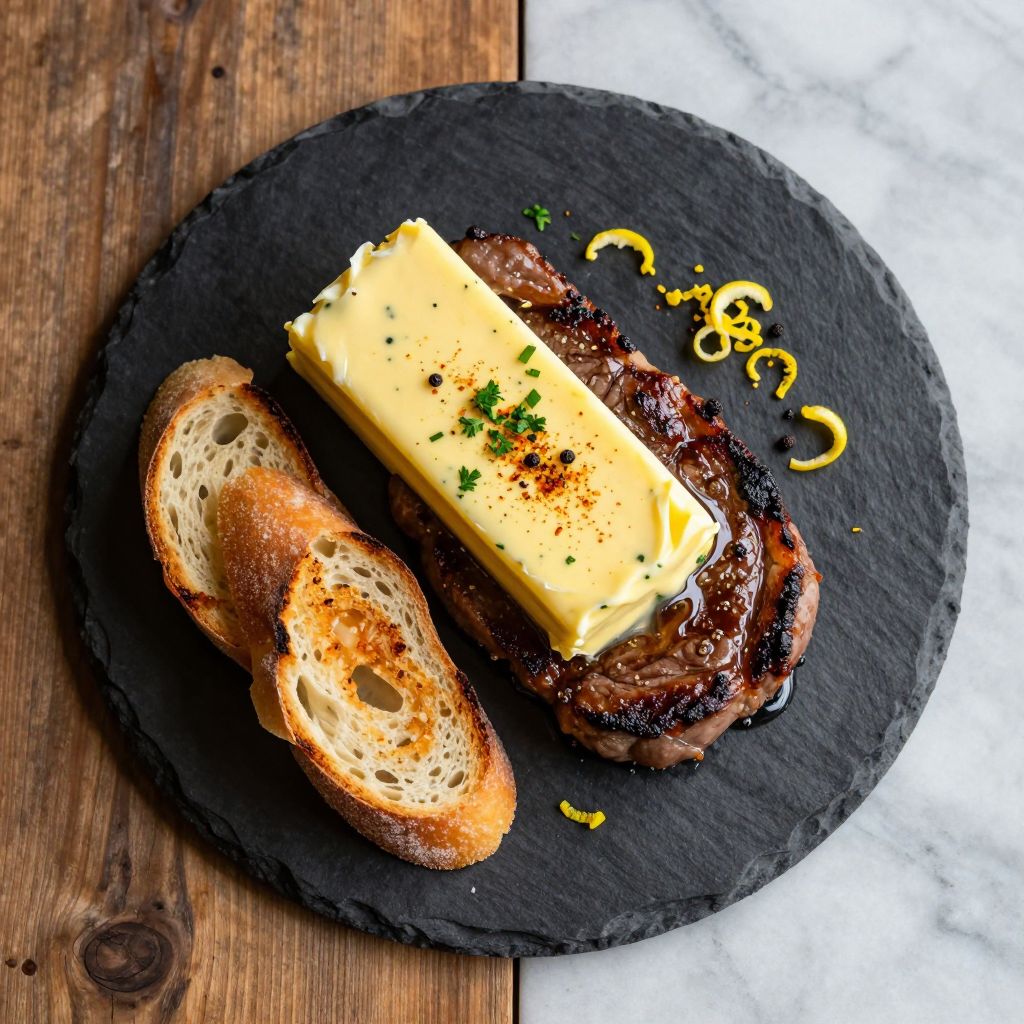
This butter shines brightest on a perfectly grilled ribeye or strip steak at a weeknight dinner or weekend cookout. The bold flavors also complement chicken, pork, and seafood beautifully.
- Grilled ribeye: The rich marbling of ribeye melts with the butter creating an incredibly luxurious sauce on the plate.
- Baked potato: Split a hot potato and add a round of cowboy butter for a steakhouse worthy side dish.
- Grilled corn: Roll hot corn directly through softened cowboy butter for the best corn on the cob you have ever tasted.
- Crusty bread: Serve warm baguette slices with softened cowboy butter as an appetizer while the steaks rest.
- Grilled shrimp: Toss hot shrimp with a tablespoon of cowboy butter for an easy elevated seafood dish.
Drink Pairings
A bold Cabernet Sauvignon stands up to the garlic and richness of cowboy butter while its tannins cut through the fat. The wine’s dark fruit notes complement the smoky paprika beautifully.
- Wine: Cabernet Sauvignon or Malbec with firm tannins and dark fruit flavors
- Beer: Amber ale or brown ale with caramel malt sweetness that balances the butter’s richness
- Non alcoholic: Sparkling water with a squeeze of lemon to cleanse the palate between bites
- Hot drink: Skip this pairing, hot drinks do not complement rich buttery steak dishes
Flavour Variations Worth Trying
- Blue Cheese Cowboy Butter: Add 2 tablespoons of crumbled blue cheese to the base recipe. The tangy funk transforms grilled steaks into something approaching a steakhouse wedge salad experience.
- Chipotle Cowboy Butter: Replace the cayenne with 1 tablespoon of minced chipotle peppers in adobo sauce. The smoky heat becomes deeper and more complex with subtle sweetness.
- Herb Garden Cowboy Butter: Add fresh chives, thyme, and rosemary along with the parsley. The flavor profile shifts toward classic French compound butter with a Southwestern kick.
- Bacon Cowboy Butter: Fold in 2 tablespoons of finely minced crispy bacon. The smoky pork flavor adds another layer of richness that bacon lovers will adore.
- Citrus Cowboy Butter: Add orange zest and a splash of orange juice along with the lemon. The bright citrus notes make this version especially good on grilled chicken and fish.
How to Adapt This Recipe for Your Diet
- Gluten free: This recipe is naturally gluten free, just verify your Dijon mustard brand does not contain wheat based additives. No changes to taste or texture needed.
- Dairy free: Use high quality vegan butter as a substitute. The flavor will be slightly less rich but still delicious on grilled meats.
- Vegan: Vegan butter works perfectly, and this compound butter is wonderful on grilled vegetables, mushrooms, and crusty bread. Reduce salt slightly as some vegan butters run salty.
- Low carb and keto: This recipe is already very low carb with under 1 gram of carbohydrates per serving. Enjoy freely on your grilled proteins.
- High protein: This is a condiment rather than a protein source, but it pairs perfectly with large portions of grilled steak, chicken, or fish to boost your protein intake.
How to Store and Reheat
In the Refrigerator
Wrap the butter log tightly in plastic wrap and store in an airtight container for up to two weeks. The surface may darken slightly but this is harmless oxidation.
- Double wrap in plastic wrap to prevent the butter from absorbing refrigerator odors
- Store away from strong smelling foods like onions and fish
In the Freezer
Cowboy butter freezes beautifully for up to three months with no loss of quality. Slice before freezing for maximum convenience.
- Wrap tightly in plastic wrap, then place inside a freezer bag with air pressed out
- Label with the date and contents since frozen butter logs can look identical
Reheating
This butter does not require reheating in the traditional sense since you serve it cold on hot food. Simply slice and place on your protein.
- Oven method: Not applicable for compound butter
- Stovetop method: Melt a tablespoon in a skillet to baste grilled meats or sauté vegetables
- Microwave method: Soften for 5 seconds if you need spreadable butter for bread, but avoid melting completely
Cost Breakdown
Making cowboy butter at home costs a fraction of what you would pay for specialty compound butters at gourmet stores. You get better flavor and complete control over ingredients.
| Ingredient | Estimated Cost |
|---|---|
| Unsalted butter (1/2 cup) | $1.50 |
| Fresh parsley | $0.30 |
| Garlic (3 cloves) | $0.15 |
| Lemon juice | $0.20 |
| Dijon mustard | $0.10 |
| Spices (combined) | $0.15 |
| Total Per Serving | $0.30 |
Nutrition Information
| Nutrient | Amount |
|---|---|
| Calories | 105 |
| Total Fat | 12g |
| Saturated Fat | 7g |
| Trans Fat | 0g |
| Cholesterol | 30mg |
| Sodium | 85mg |
| Total Carbohydrates | 0.5g |
| Dietary Fiber | 0g |
| Total Sugars | 0g |
| Added Sugars | 0g |
| Protein | 0g |
| Vitamin D | 2mcg |
| Calcium | 5mg |
| Iron | 0.2mg |
| Potassium | 15mg |
Nutritional values are estimates and may vary based on specific brands and exact portion sizes used.
Frequently Asked Questions
Can I use salted butter instead of unsalted?
Yes, but reduce or eliminate the added salt to avoid an overly briny result. Taste before chilling and adjust seasoning accordingly.
Can I make cowboy butter ahead of time?
Absolutely, this recipe is perfect for making ahead. Store refrigerated for two weeks or frozen for up to three months.
How long does cowboy butter last in the refrigerator?
Properly wrapped cowboy butter stays fresh for up to two weeks in the refrigerator. The high fat content and lack of dairy proteins mean it has excellent shelf stability.
Why did my butter turn out grainy?
Grainy texture usually results from butter that was too cold when mixed or butter that partially melted and re solidified. Start with properly softened butter at room temperature.
Can I double or triple this recipe?
Yes, the recipe scales perfectly. Simply multiply all ingredients and consider making multiple smaller logs for easier storage and portioning.
Do I have to roll the butter into a log?
No, you can press the butter into a small container or ramekin and scoop portions as needed. The log shape just makes for more attractive presentation.
Can I use cowboy butter on foods other than steak?
This butter works wonderfully on grilled chicken, pork chops, shrimp, corn, baked potatoes, and crusty bread. Let your creativity guide you.
My Final Word
This cowboy butter has become one of the most requested items at my dinner table. That moment when you slice into a perfectly rested steak and watch the herb flecked butter pool across the surface never gets old.
I have made this recipe dozens of times and tweaked it until every element works in harmony. Give it a try this weekend and I promise your steaks will never taste the same again.
If you make this cowboy butter, I would love to hear how it turned out. Leave a comment below or tag us on social media with your results.
Cowboy Butter
Ingredients
Equipment
Method
- Test your butter temperature by pressing your finger into it. It should yield easily and hold the indentation without feeling greasy or starting to melt.
- Transfer the softened butter to your mixing bowl. Use a fork to mash it against the sides a few times to make it even more workable.
- Scrape your minced garlic into the bowl. Use the back of your knife to smear the garlic on the cutting board first to release more oils.
- Add your finely chopped parsley to the bowl. Make sure the parsley is dry, as excess water will cause the butter to separate.
- Squeeze in the lemon juice and add the Dijon mustard. These liquids need to go in before the dry spices so they can emulsify into the fat.
- Measure and add the smoked paprika, cayenne pepper, onion powder, salt, and black pepper. Sprinkle them across the surface rather than dumping in one spot.
- Use a fork to mash and stir the butter vigorously for about two minutes. Scrape down the sides of the bowl halfway through to catch any unmixed ingredients.
- Taste the butter and adjust salt, cayenne, or lemon juice based on your preference.
- Tear off a piece of plastic wrap about 12 inches long. Scrape the butter onto the wrap in a rough line shape.
- Fold the edge of the plastic wrap over the butter and use your hands to roll it away from you while pressing gently to form a cylinder. Twist the ends like a candy wrapper to seal.
- Place the wrapped butter log in the refrigerator for at least one hour until firm. For faster results, use the freezer for twenty minutes.
- Unwrap the chilled butter and use a sharp knife to cut rounds about 1/4 inch thick. Place a round on hot steak immediately after resting.