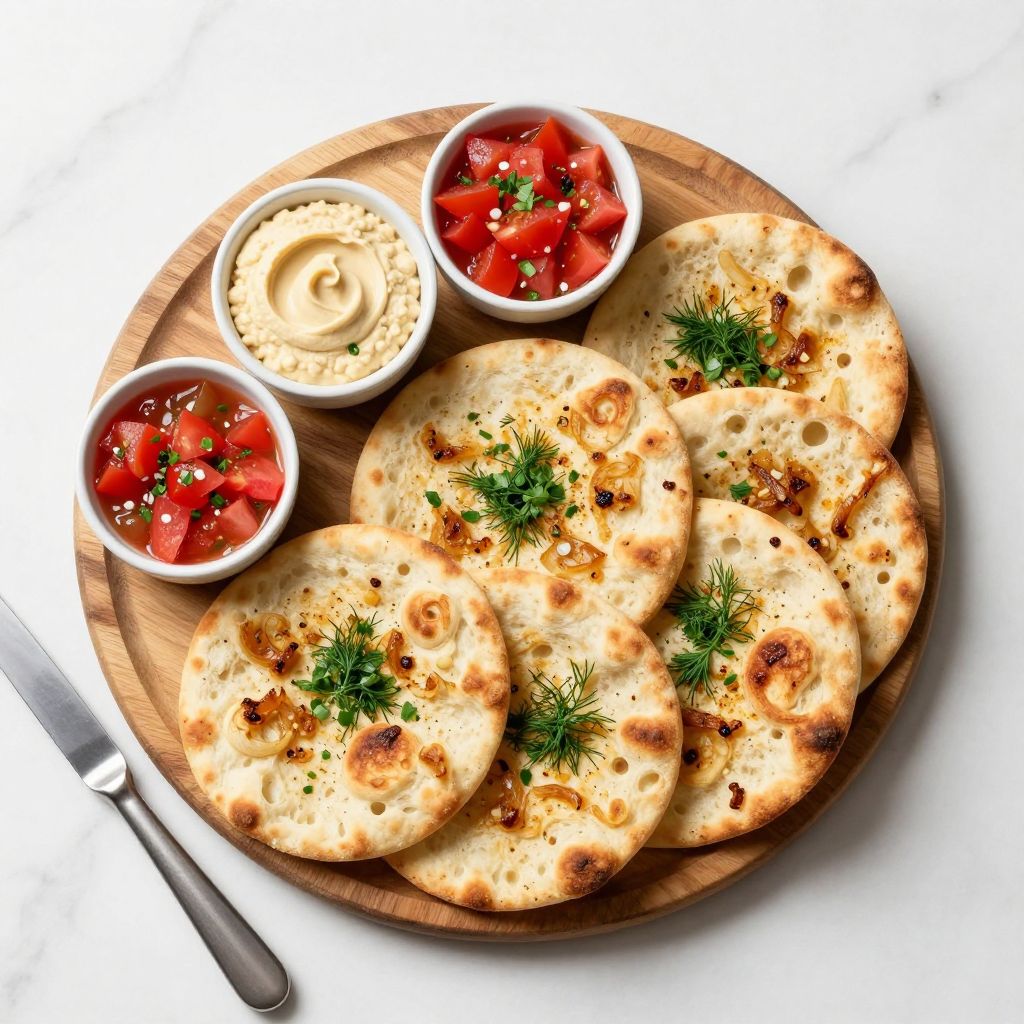
Cottage cheese flatbread has become my go-to solution when I need something quick, protein-packed, and surprisingly delicious. This simple recipe transforms humble cottage cheese and a few pantry staples into soft, flexible flatbreads perfect for wraps, pizza bases, or scooping up your favorite dips. It takes less than 30 minutes from start to finish, making it perfect for busy weeknights or meal prep sessions.
The best part about this recipe is how forgiving it is for beginners. You don’t need any special skills or fancy equipment to pull off these tender, flavorful flatbreads that work for breakfast, lunch, or dinner.
Why You’ll Love This Recipe
This cottage cheese flatbread delivers on flavor, nutrition, and convenience without asking much from you in return. The protein content alone makes it a winner for anyone looking to add more nutrients to their meals without sacrificing taste.
- High in protein with about 12 grams per flatbread, keeping you satisfied longer
- Ready in under 30 minutes with minimal hands-on time
- Requires just 4 basic ingredients you probably already have
- Naturally gluten-free when made with the right flour substitutes
- Freezer-friendly for easy meal prep and quick weeknight dinners
My Experience Making This Recipe
I stumbled onto this recipe during a week when I was desperately trying to use up cottage cheese before it expired. The first time I blended the ingredients, I was skeptical that such a wet mixture would actually form into proper flatbreads, but the transformation in the pan was genuinely impressive.
The smell while cooking reminded me of fresh crepes with a subtle savory edge. My kids, who normally turn their noses up at anything remotely healthy, devoured these topped with marinara and mozzarella as mini pizzas.
Since that first attempt, I’ve made these flatbreads at least twice a month. They’ve rescued many rushed mornings when I needed a quick breakfast wrap and saved countless dinners when I realized too late that I forgot to buy tortillas.
Recipe Overview
- Recipe Name: Cottage Cheese Flatbread
- Servings: 6 flatbreads
- Prep Time: 10 minutes
- Cook Time: 18 minutes
- Total Time: 28 minutes
- Course: Bread, Side Dish
- Cuisine: American, Fusion
- Calories per Serving: 145 calories
Equipment You Will Need
- Blender or food processor
- Large mixing bowl
- Nonstick skillet or griddle (10-inch works best)
- Measuring cups and spoons
- Spatula
- Whisk or fork
- Parchment paper (for storage)
Ingredients for Cottage Cheese Flatbread
- 1 cup cottage cheese (full-fat or low-fat)
- 2 large eggs
- 1 cup all-purpose flour (or oat flour for gluten-free)
- 1/2 teaspoon salt
- 1/4 teaspoon garlic powder (optional)
- 1/4 teaspoon onion powder (optional)
- Cooking spray or oil for the pan
Ingredient Notes and Substitutions
- Cottage cheese: Provides moisture, protein, and a subtle tangy flavor that keeps the flatbreads tender. You can substitute with ricotta cheese for a milder taste, though the texture will be slightly denser.
- Eggs: Act as the binding agent that holds everything together and adds structure. For a vegan version, use flax eggs (2 tablespoons ground flaxseed mixed with 6 tablespoons water), but expect a less fluffy result.
- All-purpose flour: Creates the base structure and gives the flatbreads their bread-like texture. Swap with oat flour, almond flour, or a gluten-free blend, though you may need to adjust the quantity slightly for proper consistency.
- Salt: Balances the flavors and brings out the natural taste of the cottage cheese. Reduce to 1/4 teaspoon if using salted cottage cheese to avoid oversalting.
- Garlic and onion powder: Add savory depth without overwhelming the neutral base flavor. Leave them out for a completely plain version, or replace with Italian seasoning or za’atar for different flavor profiles.
How to Make Cottage Cheese Flatbread
Step 1: Blend the Cottage Cheese Mixture
Add the cottage cheese and eggs to your blender or food processor. Blend on high speed for 30 to 45 seconds until the mixture is completely smooth with no visible curds remaining.
This step is critical because any remaining lumps will create uneven texture in your finished flatbreads. A smooth base ensures even cooking and a pleasant mouthfeel.
Step 2: Combine Dry Ingredients
In your large mixing bowl, whisk together the flour, salt, garlic powder, and onion powder. Make sure there are no clumps in the flour before proceeding.
Properly mixing the dry ingredients now prevents pockets of seasoning or flour in your batter. This creates consistent flavor throughout each flatbread.
Step 3: Mix Wet and Dry Ingredients
Pour the blended cottage cheese mixture into the bowl with the dry ingredients. Stir gently with a whisk or fork until just combined and no dry flour pockets remain.
The batter should resemble thick pancake batter and flow slowly off your spoon. Overmixing can develop too much gluten, making the flatbreads tough instead of tender.
Step 4: Rest the Batter
Let the batter sit at room temperature for 5 minutes. This brief rest allows the flour to fully hydrate and the gluten to relax.
You’ll notice the batter thickens slightly during this time, which helps the flatbreads hold their shape better when cooking. Skipping this step often results in flatbreads that spread too thin.
Step 5: Preheat Your Pan
Heat your nonstick skillet over medium heat for about 2 minutes. Lightly coat the surface with cooking spray or brush with a thin layer of oil.
The pan should be hot enough that a drop of water sizzles gently but doesn’t violently sputter. Too hot and the outside burns before the inside cooks; too cool and the flatbreads become rubbery.
Step 6: Cook the First Side
Pour about 1/3 cup of batter into the center of the pan and gently spread it into a 6 to 7 inch circle using the back of your measuring cup or a spoon. Cook for 2 to 3 minutes until the edges look set and bubbles form on the surface.
Resist the urge to flip too early, as the first side needs time to develop a golden crust that prevents tearing. You should see the top surface transition from shiny and wet to matte and mostly dry.
Step 7: Flip and Finish Cooking
Slide your spatula under the flatbread and flip it in one confident motion. Cook the second side for 1 to 2 minutes until light golden brown spots appear.
The second side always cooks faster than the first because the pan is fully heated and the flatbread is already mostly cooked through. Watch carefully to prevent burning.
Step 8: Keep Warm and Repeat
Transfer the cooked flatbread to a plate and cover with a clean kitchen towel to keep it soft and warm. Repeat the cooking process with the remaining batter, lightly greasing the pan between each flatbread.
Keeping them covered prevents the flatbreads from drying out and becoming brittle. The residual steam helps maintain their soft, pliable texture perfect for wrapping or folding.
Pro Tip: Blend the cottage cheese until it’s completely smooth with zero visible curds. This extra 30 seconds of blending makes the difference between flatbreads with a pleasant, uniform texture and ones with distracting lumps that interrupt every bite.
Tips for the Best Cottage Cheese Flatbread
- Use room temperature eggs and cottage cheese for easier blending and more even cooking. Cold ingredients can create a thicker batter that doesn’t spread as well in the pan.
- Adjust the heat as you cook multiple batches since the pan gets hotter over time. What started as perfect medium heat might become too hot by the third or fourth flatbread.
- Keep the flatbreads roughly the same size for even cooking and easier meal planning. I mark my pan mentally at the 6-inch diameter to stay consistent.
- Wipe the pan clean between batches if you notice any stuck bits or dark spots forming. These burnt remnants can transfer bitter flavors to subsequent flatbreads.
- Stack finished flatbreads with parchment paper between each one if making ahead. This prevents them from sticking together and makes grabbing individual pieces much easier.
- Taste your batter before cooking and adjust seasonings if needed. A tiny taste test now saves you from six bland flatbreads later.
Common Mistakes to Avoid
- Not blending the cottage cheese completely smooth leaves curds that create an unpleasant, lumpy texture in the finished flatbreads. Take the extra time to blend until completely uniform.
- Using too much batter per flatbread creates thick, doughy rounds that never cook through properly in the center. Stick to 1/3 cup portions for the right thickness.
- Flipping too early causes the flatbread to tear and fall apart since the structure hasn’t set yet. Wait until you see bubbles and dry edges before attempting to flip.
- Cooking over high heat burns the outside while leaving the inside raw and eggy. Medium heat gives you the control needed for even cooking throughout.
- Leaving cooked flatbreads uncovered dries them out quickly, turning them brittle and cracker-like. Always keep them covered with a towel until serving.
Serving Suggestions
These versatile flatbreads work beautifully as a base for countless meals throughout the day. Their neutral flavor profile means they pair well with both sweet and savory toppings without competing for attention.
- Use as a wrap for scrambled eggs, avocado, and salsa for a high-protein breakfast that actually keeps you full
- Top with pizza sauce, mozzarella, and your favorite toppings for a quick personal pizza that bakes in 8 minutes at 400°F
- Serve alongside creamy soups or stews for dipping instead of traditional bread
- Spread with hummus and fill with grilled vegetables and feta for a Mediterranean-inspired lunch
- Cut into wedges and bake until crispy for high-protein chips perfect with guacamole or salsa
Variations to Try
- Herb flatbread: Add 2 tablespoons of fresh chopped herbs like basil, parsley, or dill to the batter for an aromatic twist that pairs beautifully with Italian dishes. The fresh herb flavor comes through without overwhelming the mild base.
- Everything bagel version: Sprinkle everything bagel seasoning on top of the batter immediately after pouring it into the pan. This creates a savory, seeded crust reminiscent of your favorite bagel.
- Sweet cinnamon flatbread: Replace the garlic and onion powder with 1 teaspoon of cinnamon and 1 tablespoon of honey mixed into the batter. These make fantastic bases for fruit and yogurt or a spread of almond butter.
- Cheesy version: Stir 1/2 cup of shredded cheddar or parmesan into the batter for extra richness and a golden, crispy edge. The cheese adds savory depth and makes them irresistible on their own.
- Spicy southwestern: Add 1/2 teaspoon of cumin, 1/4 teaspoon of chili powder, and 2 tablespoons of chopped cilantro to the batter. These pair perfectly with taco fillings or serve as a base for huevos rancheros.
Dietary Adaptations
- Gluten-free: Replace the all-purpose flour with oat flour, almond flour, or your favorite gluten-free blend in equal amounts. Oat flour gives the closest texture to the original, though almond flour creates a slightly nuttier, denser flatbread.
- Dairy-free: This one is tricky since cottage cheese is the star, but you can try using a dairy-free cottage cheese alternative or blended silken tofu with a tablespoon of lemon juice. The texture won’t be identical, but it still produces a usable flatbread.
- Vegan: Use dairy-free cottage cheese or blended tofu and replace eggs with flax eggs (2 tablespoons ground flaxseed mixed with 6 tablespoons water). The flatbreads will be less fluffy but still functional for wraps and pizzas.
- Low-carb/Keto: Substitute the flour with almond flour or coconut flour (use only 1/2 cup coconut flour as it absorbs much more liquid). This cuts the carbs significantly while maintaining the protein content that makes these flatbreads special.
Storage and Reheating
Refrigerator
Store cooled flatbreads in an airtight container or zip-top bag with parchment paper between each one. They’ll stay fresh and pliable for up to 5 days in the refrigerator.
- Always let flatbreads cool completely before storing to prevent condensation that leads to sogginess
- Stack with parchment or wax paper to prevent sticking
- Bring to room temperature before using for the best texture
Freezer
These flatbreads freeze beautifully for up to 3 months, making them perfect for meal prep. Proper wrapping is key to preventing freezer burn and maintaining quality.
- Wrap each flatbread individually in plastic wrap, then place all wrapped flatbreads in a freezer-safe bag
- Label with the date so you can track freshness
- Thaw overnight in the refrigerator or at room temperature for 30 minutes before using
Reheating
Reheating properly restores the soft, fresh-made texture and makes refrigerated or frozen flatbreads taste just as good as new. Never microwave them uncovered or they’ll turn rubbery.
- Microwave for 15 to 20 seconds wrapped in a damp paper towel for the quickest method
- Heat in a dry skillet over medium heat for 30 seconds per side for a slightly crispy exterior
- Warm in a 300°F oven wrapped in foil for 5 to 7 minutes for batch reheating
Nutrition Information
| Nutrient | Amount |
|---|---|
| Calories | 145 |
| Total Fat | 4g |
| Saturated Fat | 1.5g |
| Carbohydrates | 18g |
| Fiber | 1g |
| Sugar | 2g |
| Protein | 12g |
| Sodium | 285mg |
| Cholesterol | 68mg |
Nutrition information is calculated based on full-fat cottage cheese and all-purpose flour. Values may vary based on specific brands used and any substitutions made.
Frequently Asked Questions
Can I make the batter ahead of time?
Yes, you can refrigerate the batter for up to 24 hours in an airtight container. The batter may thicken as it sits, so give it a good stir and add a tablespoon of water if needed to reach the right consistency before cooking.
Why are my flatbreads turning out rubbery?
Rubbery flatbreads usually result from cooking at too low a temperature or overcooking them. Make sure your pan is properly preheated to medium heat and cook just until golden spots appear on each side.
Can I make these without a blender?
You can mash the cottage cheese very thoroughly with a fork and whisk vigorously with the eggs, but the texture won’t be quite as smooth. A blender or food processor really does make a noticeable difference in the final product.
How do I prevent the flatbreads from sticking to the pan?
Use a good nonstick pan and make sure to lightly grease it before each flatbread, even if your pan claims to be nonstick. Waiting until the first side is fully set before flipping also prevents sticking and tearing.
Can I double or triple this recipe for meal prep?
Absolutely, this recipe scales up perfectly for batch cooking. Just blend in batches if your blender is small, and keep finished flatbreads warm in a low oven (200°F) while you cook the rest.
What’s the best way to reheat these for wraps without them cracking?
Wrap the flatbread in a damp paper towel and microwave for 15 seconds to restore moisture and flexibility. The steam from the damp towel makes them pli
Cottage Cheese Flatbread

Quick, protein-packed flatbread made with cottage cheese and simple pantry staples. Perfect for wraps, pizza bases, or scooping up dips. Ready in under 30 minutes with about 12 grams of protein per flatbread.
- Blender or food processor
- Large mixing bowl
- Nonstick skillet or griddle (10-inch)
- Measuring cups and spoons
- Spatula
- Whisk or fork
- Parchment paper (for storage)
Main
- 1 cup cottage cheese (full-fat or low-fat)
- 2 large eggs
- 1 cup all-purpose flour (or oat flour for gluten-free)
- 1/2 teaspoon salt
- 1/4 teaspoon garlic powder (optional)
- 1/4 teaspoon onion powder (optional)
- Cooking spray or oil for the pan
- Add the cottage cheese and eggs to your blender or food processor. Blend on high speed for 30 to 45 seconds until the mixture is completely smooth with no visible curds remaining.
- In your large mixing bowl, whisk together the flour, salt, garlic powder, and onion powder. Make sure there are no clumps in the flour.
- Pour the blended cottage cheese mixture into the bowl with the dry ingredients. Stir gently with a whisk or fork until just combined and no dry flour pockets remain. The batter should resemble thick pancake batter.
- Let the batter sit at room temperature for 5 minutes to allow the flour to fully hydrate and the gluten to relax.
- Heat your nonstick skillet over medium heat for about 2 minutes. Lightly coat the surface with cooking spray or brush with a thin layer of oil.
- Pour about 1/3 cup of batter into the center of the pan and gently spread it into a 6 to 7 inch circle using the back of your measuring cup or a spoon. Cook for 2 to 3 minutes until the edges look set and bubbles form on the surface.
- Slide your spatula under the flatbread and flip it in one confident motion. Cook the second side for 1 to 2 minutes until light golden brown spots appear.
- Transfer the cooked flatbread to a plate and cover with a clean kitchen towel to keep it soft and warm. Repeat the cooking process with the remaining batter, lightly greasing the pan between each flatbread.
Blend the cottage cheese until completely smooth with zero visible curds for the best texture. Use room temperature eggs and cottage cheese for easier blending and more even cooking. Stack finished flatbreads with parchment paper between each one if making ahead. Store in an airtight container in the refrigerator for up to 5 days or freeze for up to 3 months. Reheat wrapped in a damp paper towel in the microwave for 15-20 seconds or in a dry skillet for 30 seconds per side.