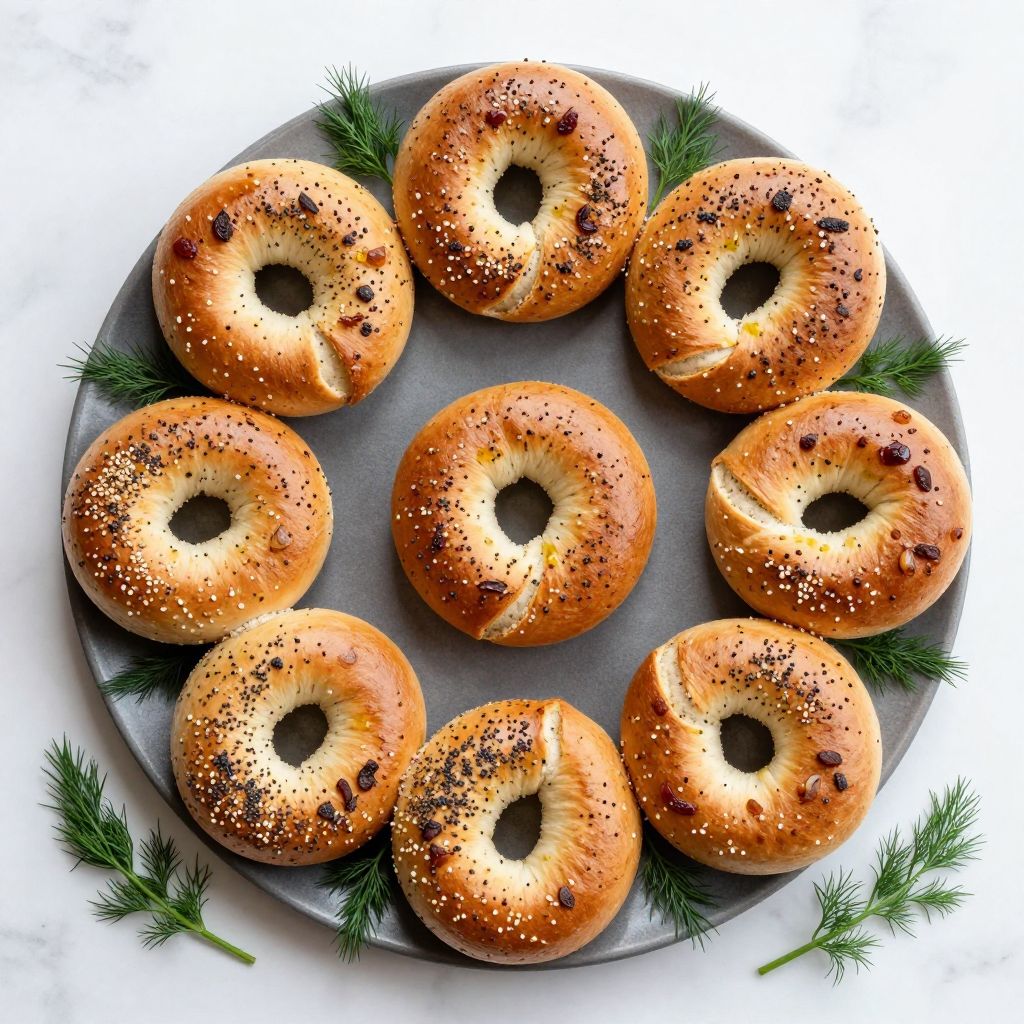
Cottage cheese bagels are taking the internet by storm, and for good reason. These easy, protein-packed bagels require just two main ingredients and deliver a surprisingly authentic bagel texture that will make you wonder why you ever bothered with traditional yeast dough.
Perfect for busy mornings or meal prep, this recipe transforms simple cottage cheese and self-rising flour into golden, chewy bagels in under 30 minutes. You can customize them with your favorite toppings, from everything bagel seasoning to cinnamon sugar, making them as versatile as they are delicious.
Why You’ll Love This Recipe
This cottage cheese bagel recipe solves the age-old problem of wanting fresh bagels without the time commitment or specialty ingredients. The high protein content keeps you satisfied for hours, while the simple technique means even beginner bakers can achieve bakery-worthy results.
- Ready in just 25 minutes from start to finish with no rising time required
- Packed with protein at approximately 15 grams per bagel
- Uses only two essential ingredients plus optional toppings
- Creates an authentic chewy bagel texture that rivals traditional versions
- Freezer-friendly for easy meal prep and grab-and-go breakfasts
My Experience Making This Recipe
I was skeptical the first time I tried making these bagels because the ingredient list seemed too simple to work. When I pulled them from the oven and saw the golden-brown tops with perfectly melted everything bagel seasoning, I knew I had stumbled onto something special.
The texture surprised me most. That first bite delivered the exact chewiness I crave in a good bagel, with a slight tang from the cottage cheese that added depth without tasting overly “cottage cheese-y.” My family devoured the entire batch within two days, and my teenager asked me to make them every week.
I have made these bagels at least twenty times now, experimenting with different toppings and flavor combinations. The recipe is forgiving enough that even when I accidentally added a bit too much flour, they still turned out great.
Recipe Overview
- Recipe Name: Cottage Cheese Bagels
- Servings: 4 bagels
- Prep Time: 10 minutes
- Cook Time: 15 minutes
- Total Time: 25 minutes
- Course: Breakfast, Snack
- Cuisine: American
- Calories per Serving: 195 calories
Equipment You Will Need
- Food processor or blender
- Large mixing bowl
- Measuring cups and spoons
- Baking sheet
- Parchment paper or silicone baking mat
- Pastry brush
- Kitchen scale (optional but helpful)
Ingredients for Cottage Cheese Bagels
For the Bagel Dough
- 1 cup cottage cheese (full-fat or low-fat)
- 1 and 1/4 cups self-rising flour, plus extra for dusting
For the Topping
- 1 large egg, beaten (for egg wash)
- 2 tablespoons everything bagel seasoning, or your preferred topping
Ingredient Notes and Substitutions
- Cottage cheese: This provides the protein, moisture, and tanginess that make these bagels special. You can substitute with Greek yogurt, though the texture will be slightly different and you may need to adjust the flour amount.
- Self-rising flour: This contains baking powder and salt, which creates the rise and structure without yeast. You can make your own by combining 1 and 1/4 cups all-purpose flour with 1 and 3/4 teaspoons baking powder and 1/4 teaspoon salt.
- Egg: The egg wash creates that beautiful golden-brown color and helps toppings stick. You can use milk or melted butter instead, though the color will be less vibrant.
- Everything bagel seasoning: This is optional but highly recommended for authentic bagel flavor. Try sesame seeds, poppy seeds, dried onion, dried garlic, coarse salt, cinnamon sugar, or leave them plain.
How to Make Cottage Cheese Bagels
Step 1: Blend the Cottage Cheese
Add the cottage cheese to your food processor or blender and blend until completely smooth with no lumps remaining. This step is critical because lumpy cottage cheese will create an uneven texture in your bagels, and nobody wants cottage cheese chunks in their breakfast.
Step 2: Combine the Ingredients
Transfer the blended cottage cheese to a large mixing bowl and add the self-rising flour. Stir with a spoon or spatula until the mixture starts to come together into a shaggy dough. The dough will look rough and sticky at this point, which is exactly what you want.
Step 3: Knead the Dough
Lightly flour your work surface and turn the dough out onto it. Knead the dough for about 2 to 3 minutes until it becomes smooth and only slightly sticky. Adding too much flour here will make your bagels dense and dry, so resist the urge to overdo it.
Step 4: Divide and Shape
Divide the dough into 4 equal portions using a knife or bench scraper. Roll each portion into a smooth ball, then poke your finger through the center to create a hole. Gently stretch and rotate the dough to widen the hole to about 2 inches in diameter, keeping in mind that the hole will shrink as the bagels bake.
Step 5: Prepare for Baking
Preheat your oven to 375°F (190°C) and line your baking sheet with parchment paper. Place the shaped bagels on the prepared baking sheet, spacing them about 2 inches apart. This spacing prevents them from touching and fusing together as they expand in the oven.
Step 6: Apply the Egg Wash
Beat the egg in a small bowl until smooth, then brush it generously over the top and sides of each bagel using a pastry brush. The egg wash provides moisture that helps create a shiny, golden crust while acting as glue for your toppings.
Step 7: Add the Toppings
Sprinkle your chosen topping generously over each bagel, pressing down lightly to help it adhere. Being generous with the seasoning here makes a real difference in flavor, so don’t be shy about loading them up.
Step 8: Bake to Perfection
Bake the bagels for 15 to 18 minutes, or until they turn golden brown on top and feel firm when gently pressed. The internal temperature should reach about 200°F if you want to check with a thermometer. Let them cool on the baking sheet for 5 minutes before transferring to a wire rack, as they will firm up slightly as they cool.
Pro Tip: Blend the cottage cheese until it is completely smooth and silky. Any remaining lumps will create pockets in your bagels that disrupt the texture, and taking an extra 30 seconds to blend properly makes all the difference in achieving that bakery-quality result.
Tips for the Best Cottage Cheese Bagels
- Use room temperature cottage cheese for easier blending and better incorporation with the flour. Cold cottage cheese can make the dough harder to work with and may require more kneading.
- Make the bagel holes larger than you think you need to. The holes shrink significantly during baking, and you want to maintain that classic bagel shape rather than ending up with round rolls.
- Avoid adding too much extra flour while kneading. The dough should be slightly tacky but manageable, and excess flour will make your bagels tough and dry instead of tender and chewy.
- Brush the egg wash on generously and make sure to cover the entire surface. This creates that gorgeous golden color and professional-looking finish that makes these bagels irresistible.
- Rotate the baking sheet halfway through baking for even browning. Ovens have hot spots, and this simple step prevents some bagels from over-browning while others stay pale.
- Let the bagels cool for at least 5 minutes before slicing. Cutting them too soon can result in a gummy texture, and patience here rewards you with the perfect chewy consistency.
Common Mistakes to Avoid
- Skipping the blending step or leaving the cottage cheese lumpy creates an inconsistent texture with obvious cheese curds throughout. Smooth cottage cheese is non-negotiable for the best results.
- Over-kneading the dough develops too much gluten and makes the bagels tough and dense. Stop kneading once the dough just comes together smoothly.
- Making the center hole too small leaves you with puffy rolls instead of bagels. The hole should be quite generous because it will shrink by at least half during baking.
- Using expired or old baking powder in your self-rising flour results in bagels that don’t rise properly. Check the expiration date on your flour or baking powder before starting.
- Baking at too high a temperature causes the outside to brown before the inside cooks through. Stick to 375°F for evenly baked bagels with a perfect texture throughout.
Serving Suggestions
These bagels taste incredible toasted and slathered with your favorite spreads. The slightly tangy flavor from the cottage cheese pairs beautifully with both sweet and savory toppings, making them suitable for any time of day.
- Classic cream cheese and smoked salmon with capers, red onion, and fresh dill for a traditional bagel breakfast
- Avocado mash with everything bagel seasoning, cherry tomatoes, and a sprinkle of red pepper flakes
- Almond butter or peanut butter with sliced banana and a drizzle of honey for a protein-packed sweet option
- Scrambled eggs, crispy bacon, and a slice of cheddar cheese for a filling breakfast sandwich
- Hummus, cucumber slices, shredded carrots, and sprouts for a fresh vegetarian lunch
Variations to Try
- Cinnamon Sugar Bagels: Skip the everything seasoning and brush the bagels with melted butter, then coat them in a mixture of cinnamon and sugar before baking. These sweet versions are perfect for breakfast or an afternoon snack.
- Garlic Herb Bagels: Mix 1 teaspoon of garlic powder and 1 tablespoon of Italian seasoning into the dough itself, then top with parmesan cheese before baking. The aroma alone will have everyone running to the kitchen.
- Jalapeño Cheddar Bagels: Fold 1/4 cup of shredded sharp cheddar and 2 tablespoons of diced pickled jalapeños into the dough before shaping. These spicy bagels are incredible with cream cheese.
- Blueberry Bagels: Gently fold 1/3 cup of fresh or frozen blueberries into the dough and top with coarse sugar before baking. The berries add pops of sweetness throughout each bite.
- Seeded Bagels: Create your own seed mix with sesame seeds, poppy seeds, and sunflower seeds for a nutty, crunchy topping. This variation adds healthy fats and extra texture.
Dietary Adaptations
- Gluten-Free: Replace the self-rising flour with a gluten-free self-rising flour blend or make your own with gluten-free all-purpose flour, baking powder, and salt. The texture will be slightly more crumbly but still delicious.
- Dairy-Free: This recipe relies heavily on cottage cheese, but you can try using a dairy-free cottage cheese alternative or thick dairy-free yogurt. You will likely need to adjust the flour amount, and the protein content will be lower.
- Vegan: Use dairy-free cottage cheese or thick coconut yogurt and replace the egg wash with plant-based milk or aquafaba. The flavor and texture will differ noticeably from the original version.
- Low-Carb/Keto: Substitute the self-rising flour with almond flour and add 1 teaspoon of baking powder, though the texture will be much denser and more crumbly. You can also try a combination of almond flour and vital wheat gluten for better structure.
Storage and Reheating
Refrigerator
Store cooled bagels in an airtight container or resealable bag in the refrigerator for up to 5 days. Refrigeration actually helps maintain their texture better than leaving them at room temperature.
- Place a paper towel in the container to absorb excess moisture
- Keep them away from strong-smelling foods as they can absorb odors
Freezer
These bagels freeze beautifully for up to 3 months, making them perfect for meal prep. Freezing them individually allows you to grab just what you need.
- Let bagels cool completely before freezing to prevent ice crystals
- Wrap each bagel individually in plastic wrap, then place in a freezer bag
- Label with the date and type of topping for easy identification
- Thaw overnight in the refrigerator or at room temperature for 1 hour
Reheating
Reheating properly brings back that fresh-baked texture and makes them taste like they just came out of the oven. The toaster or oven method works best for restoring the exterior crispness.
- Slice and toast in a toaster or toaster oven for 3 to 4 minutes
- Wrap in foil and warm in a 350°F oven for 8 to 10 minutes
- Microwave for 15 to 20 seconds if you prefer a softer texture, though this won’t crisp the outside
Nutrition Information
| Nutrient | Amount |
|---|---|
| Calories | 195 |
| Total Fat | 3g |
| Saturated Fat | 1g |
| Carbohydrates | 28g |
| Fiber | 1g |
| Sugar | 3g |
| Protein | 15g |
| Sodium | 580mg |
| Cholesterol | 50mg |
Nutritional values are approximate and will vary based on specific brands and toppings used. These calculations are based on full-fat cottage cheese and everything bagel seasoning.
Frequently Asked Questions
Can I use regular flour instead of self-rising flour?
Yes, you can make your own self-rising flour by combining 1 and 1/4 cups all-purpose flour with 1 and 3/4 teaspoons baking powder and 1/4 teaspoon salt. Mix these thoroughly before adding to the cottage cheese to distribute the leavening evenly.
Can I make the dough ahead of time?
The dough works best when shaped and baked immediately because the baking powder activates once it gets wet. You can refrigerate the dough for up to 2 hours if needed, but the bagels may not rise quite as much.
Why are my bagels dense instead of fluffy?
Dense bagels usually result from over-kneading the dough or adding too much flour. The dough should be only slightly sticky, and you should knead just until it comes together smoothly.
Do these bagels taste like cottage cheese?
Not really. The cottage cheese adds a subtle tang similar to sourdough, but once baked, the flavor is mild and pairs well with any topping. Most people cannot identify cottage cheese as an ingredient when eating the finished bagel.
Can I boil these bagels like traditional bagels?
You can try boiling them briefly before baking for an even chewier texture, though it is not necessary. Boil for just 30 seconds per side in water with a tablespoon of honey or baking soda, then bake as directed.
How do I prevent the bagel holes from closing up?
Make the holes much larger than you think you need to, at least 2 inches in diameter. The dough expands during baking and the holes naturally shrink, so starting with a generous opening prevents them from disappearing completely.
Can I double this recipe?
Absolutely. This recipe doubles or triples easily for feeding a crowd or meal prepping for the week. Just make sure not to overcrowd your baking sheet, and you may need to bake in batches.
Final Thoughts
These cottage cheese bagels have earned a permanent spot in my weekly meal prep routine. The combination of simplicity, nutrition, and authentic bagel texture makes them a winner for busy mornings or lazy weekend brunches.
I encourage you to try this recipe and experiment with different toppings to find your favorite combination. Once you taste how good a fresh, homemade bagel can be with minimal effort, you will find yourself making these again and again.
Cottage Cheese Bagels
These easy, protein-packed bagels require just two main ingredients and deliver a surprisingly authentic bagel texture. Perfect for busy mornings or meal prep, this recipe transforms simple cottage cheese and self-rising flour into golden, chewy bagels in under 30 minutes.
- Food processor or blender
- Large mixing bowl
- Measuring cups and spoons
- Baking sheet
- Parchment paper or silicone baking mat
- Pastry brush
- Kitchen scale (optional)
Bagel Dough
- 1 cup cottage cheese (full-fat or low-fat)
- 1 and 1/4 cups self-rising flour (plus extra for dusting)
Topping
- 1 large egg (beaten (for egg wash))
- 2 tablespoons everything bagel seasoning (or your preferred topping)
- Preheat your oven to 375°F (190°C) and line your baking sheet with parchment paper.
- Add the cottage cheese to your food processor or blender and blend until completely smooth with no lumps remaining.
- Transfer the blended cottage cheese to a large mixing bowl and add the self-rising flour. Stir with a spoon or spatula until the mixture starts to come together into a shaggy dough.
- Lightly flour your work surface and turn the dough out onto it. Knead the dough for about 2 to 3 minutes until it becomes smooth and only slightly sticky.
- Divide the dough into 4 equal portions using a knife or bench scraper. Roll each portion into a smooth ball, then poke your finger through the center to create a hole. Gently stretch and rotate the dough to widen the hole to about 2 inches in diameter.
- Place the shaped bagels on the prepared baking sheet, spacing them about 2 inches apart.
- Beat the egg in a small bowl until smooth, then brush it generously over the top and sides of each bagel using a pastry brush.
- Sprinkle your chosen topping generously over each bagel, pressing down lightly to help it adhere.
- Bake the bagels for 15 to 18 minutes, or until they turn golden brown on top and feel firm when gently pressed. The internal temperature should reach about 200°F.
- Let them cool on the baking sheet for 5 minutes before transferring to a wire rack.
Blend the cottage cheese until it is completely smooth and silky. Any remaining lumps will create pockets in your bagels that disrupt the texture. Make the bagel holes larger than you think you need to, as the holes shrink significantly during baking. Store cooled bagels in an airtight container in the refrigerator for up to 5 days, or freeze for up to 3 months. To make your own self-rising flour, combine 1 and 1/4 cups all-purpose flour with 1 and 3/4 teaspoons baking powder and 1/4 teaspoon salt.