
There’s something truly special about the aroma of freshly baked bread wafting through the house, and when it comes to making communion bread, it carries an even deeper meaning. This recipe is not just about the taste; it’s about the moments shared and the memories created around the table. With its soft texture and slightly sweet flavor, this bread is perfect for any gathering, bringing a warm, inviting touch. Let’s gather our ingredients and get started on this cherished recipe!
Why You’ll Love This Recipe
This communion bread recipe is a wonderful choice for both spiritual and social occasions. It’s easy to prepare and yields delightful results.
- Soft and fluffy texture that melts in your mouth.
- Simple ingredients that are likely already in your pantry.
- Perfect for sharing during gatherings or special services.
- Can be easily customized with herbs or spices.
- Creates a sense of community and connection.
My Experience Making This Recipe
When I first tried making communion bread, I was amazed at how something so simple could evoke such profound feelings. The moment the dough began to rise, I felt a sense of anticipation; the smell of baking bread was enough to make anyone feel at home.
As I pulled the golden-brown loaves from the oven, the whole family gathered around, drawn in by the irresistible aroma. It was a beautiful experience, creating not just bread, but a sense of togetherness.
Recipe Overview
- Recipe Name: Communion Bread
- Servings: 12
- Prep Time: 10 minutes
- Cook Time: 30 minutes
- Total Time: 40 minutes
- Course: Bread
- Cuisine: American
- Calories per Serving: 100
Equipment You Will Need
- Mixing bowl
- Wooden spoon
- Measuring cups and spoons
- Baking sheet
- Parchment paper
- Oven
Ingredients for Communion Bread
- 2 cups all-purpose flour
- 1 cup warm water
- 1 tablespoon sugar
- 1 tablespoon salt
- 1 tablespoon olive oil
- 1 packet active dry yeast (about 2 1/4 teaspoons)
Ingredient Notes and Substitutions
- All-purpose flour: Provides structure and texture; you can substitute with whole wheat flour for a denser bread.
- Warm water: Activates the yeast; make sure it’s not too hot or it will kill the yeast.
- Sugar: Feeds the yeast for rising; honey or maple syrup can be used as natural alternatives.
- Salt: Enhances flavor; sea salt is a great substitute.
- Olive oil: Adds moisture; melted butter can also be used for a richer flavor.
How to Make Communion Bread
Step 1: Activate the Yeast
In a mixing bowl, combine the warm water and sugar. Stir gently and sprinkle the yeast over the top, allowing it to sit for about 5 minutes until frothy.
Step 2: Mix the Ingredients
Once the yeast is frothy, add the olive oil and salt to the mixture. Stir in the flour, one cup at a time, until a dough forms.
Step 3: Knead the Dough
Transfer the dough to a lightly floured surface and knead for about 5 minutes. This helps develop the gluten, giving the bread its lovely texture.
Step 4: Let the Dough Rise
Place the dough in a greased bowl, cover it with a clean cloth, and let it rise in a warm place for about 30 minutes. This step is crucial for creating a fluffy bread.
Step 5: Preheat the Oven
While the dough rises, preheat your oven to 375°F (190°C). A hot oven is key to achieving that golden crust.
Step 6: Shape the Bread
Once doubled in size, punch down the dough to release air bubbles. Shape it into a loaf or small rounds as desired.
Step 7: Prepare for Baking
Place the shaped dough on a baking sheet lined with parchment paper. Cover it again and let it rise for an additional 15 minutes.
Step 8: Bake the Bread
Bake in the preheated oven for about 25-30 minutes until golden brown. The aroma will fill your home, tempting everyone to gather around.
Pro Tip: For a crusty exterior, place a pan of water in the oven while baking to create steam!
Tips for the Best Communion Bread
- Ensure your water is warm, not hot, to keep the yeast alive.
- Knead the dough well to develop a nice texture.
- Let the dough rise in a warm spot for the best results.
- Use fresh yeast for optimal rising.
- Customize with herbs like rosemary or thyme for added flavor.
Common Mistakes to Avoid
- Using cold water: This can prevent the yeast from activating properly.
- Not kneading enough: Insufficient kneading can lead to dense bread.
- Skipping the second rise: This helps achieve a lighter texture.
- Overbaking: Keep an eye on the bread to avoid a dry loaf.
Serving Suggestions
This communion bread pairs beautifully with various dishes and can serve as a delightful centerpiece.
- Serve with homemade jams or butter.
- Pair with soups for a comforting meal.
- Use it for sandwiches with your favorite fillings.
- Enjoy with a cup of tea or coffee.
Variations to Try
- Add herbs like rosemary or thyme for an aromatic twist.
- Incorporate garlic for a savory flavor.
- Mix in cheese for a richer taste.
- Try a whole wheat version for a healthier alternative.
Dietary Adaptations
- Gluten-free: Use a gluten-free flour blend for a similar texture.
- Dairy-free: This recipe is already dairy-free, so no changes needed.
- Vegan: The recipe is vegan-friendly as is.
- Low-carb/keto: Substitute flour with almond or coconut flour.
Storage and Reheating
Refrigerator
Store leftover bread in an airtight container in the refrigerator for up to 5 days.
- Wrap in plastic wrap to maintain freshness.
- Reheat slices in the toaster or oven.
Freezer
This bread freezes well for longer storage.
- Slice the bread and wrap tightly in plastic wrap.
- Place in a freezer bag and store for up to 3 months.
Reheating
To reheat, simply thaw at room temperature and warm in the oven.
- Cover with foil to prevent drying out.
- Heat at 350°F (175°C) for about 10-15 minutes.
Nutrition Information
| Nutrient | Amount |
|---|---|
| Calories | 100 |
| Total Fat | 2g |
| Saturated Fat | 0g |
| Carbohydrates | 20g |
| Fiber | 1g |
| Sugar | 1g |
| Protein | 3g |
| Sodium | 150mg |
| Cholesterol | 0mg |
This information is based on estimates and may vary based on ingredients used.
Frequently Asked Questions
Can I make this bread ahead of time?
Absolutely! You can prepare the dough a day in advance and refrigerate it after the first rise.
What if my bread is too dense?
This might be due to under-kneading; make sure to knead the dough enough to develop gluten.
Can I substitute the flour?
Yes, you can use whole wheat or gluten-free flour, but the texture may vary.
How should I store leftover bread?
Store it in an airtight container in the refrigerator or freeze it for longer storage.
What makes communion bread special?
This bread holds significant meaning in many traditions, symbolizing community and sharing.
Final Thoughts
Making communion bread is a rewarding experience that fills your home with warmth and love. I encourage you to try this recipe and share it with those you hold dear.
Explore more delicious recipes like sourdough naan or Navajo fry bread to add variety to your baking adventures!
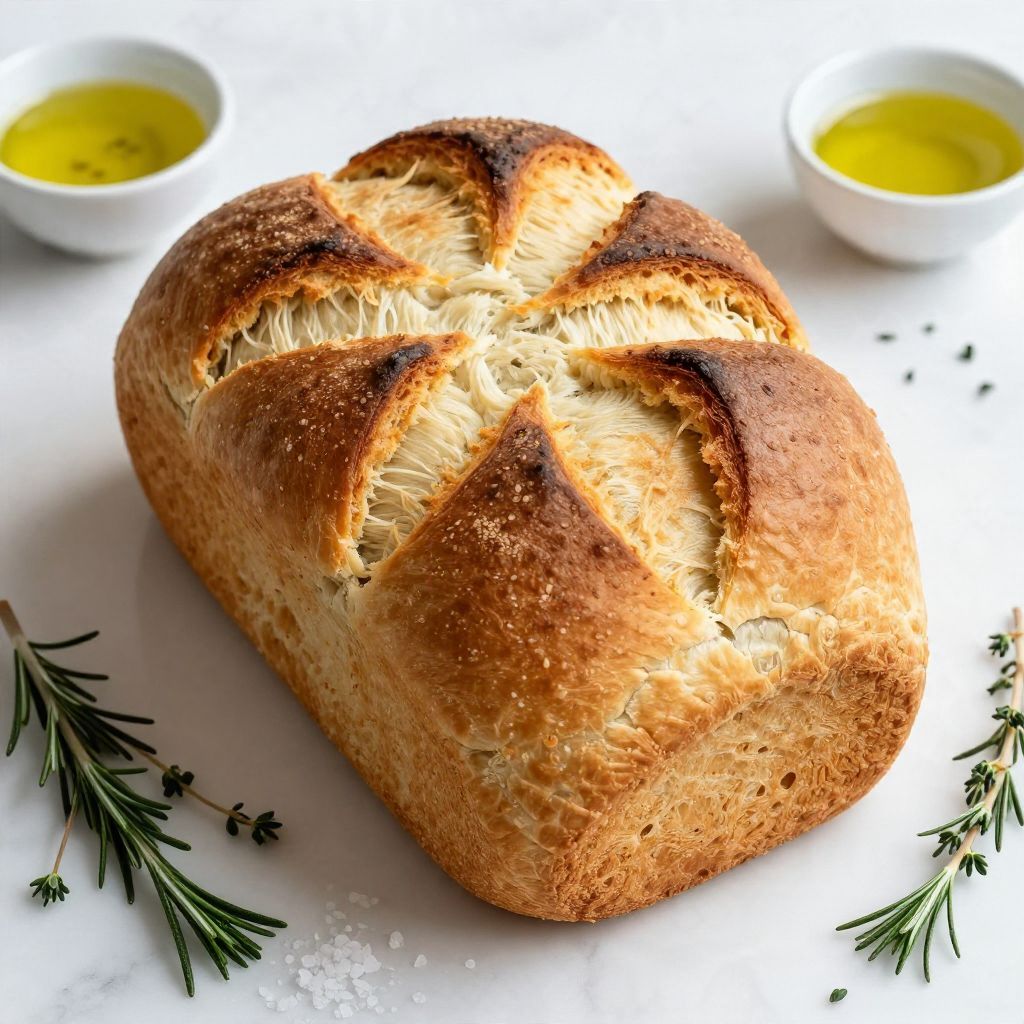
Communion Bread
Ingredients
Equipment
Method
- In a mixing bowl, combine the warm water and sugar. Stir gently and sprinkle the yeast over the top, allowing it to sit for about 5 minutes until frothy.
- Once the yeast is frothy, add the olive oil and salt to the mixture. Stir in the flour, one cup at a time, until a dough forms.
- Transfer the dough to a lightly floured surface and knead for about 5 minutes.
- Place the dough in a greased bowl, cover it with a clean cloth, and let it rise in a warm place for about 30 minutes.
- While the dough rises, preheat your oven to 375°F (190°C).
- Once doubled in size, punch down the dough to release air bubbles. Shape it into a loaf or small rounds as desired.
- Place the shaped dough on a baking sheet lined with parchment paper. Cover it again and let it rise for an additional 15 minutes.
- Bake in the preheated oven for about 25-30 minutes until golden brown.