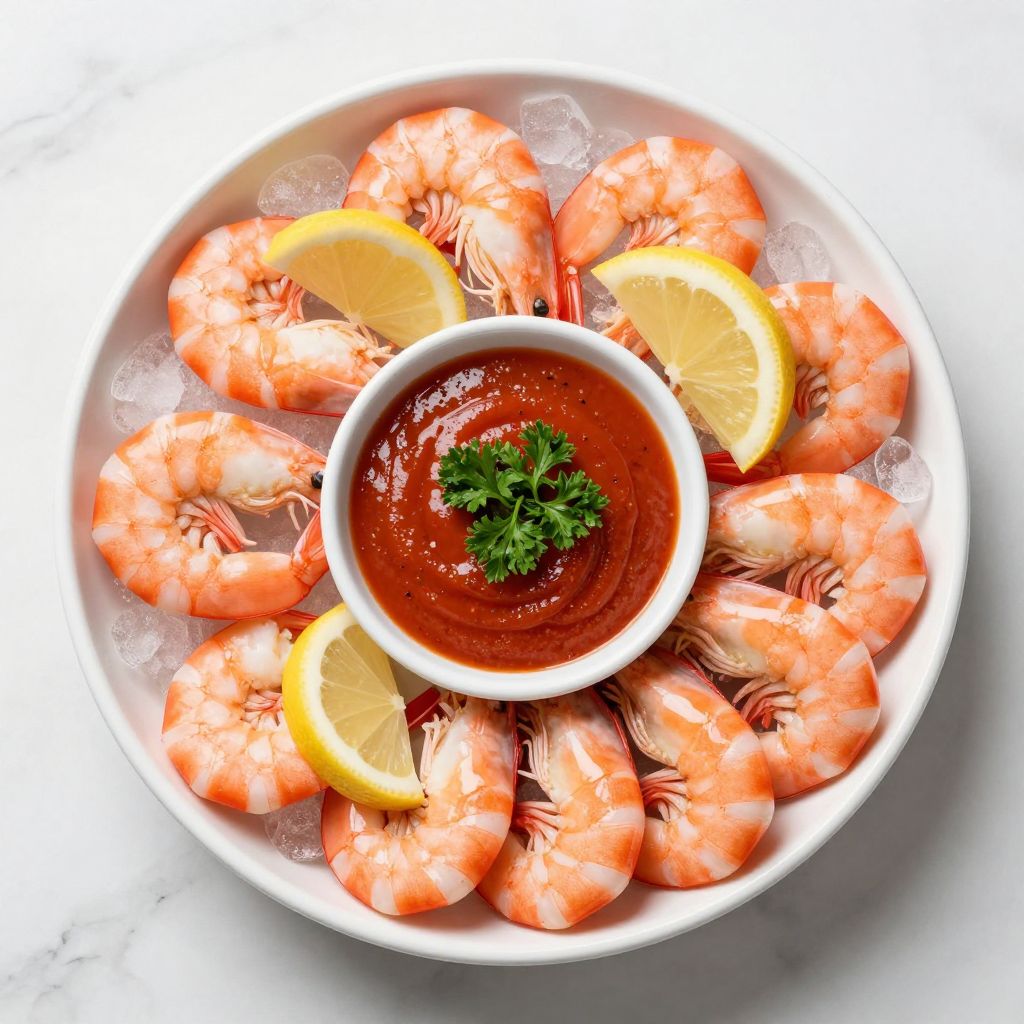
Cocktail sauce transforms a simple shrimp platter into something guests actually remember. This tangy, horseradish-spiked condiment takes five minutes to make and tastes leagues better than anything from a jar.
Once you nail the balance between ketchup’s sweetness and fresh horseradish’s sinus-clearing heat, you will never buy premade again. Let me show you exactly how to get it right.
What Makes This Recipe Worth Your Time
Store-bought cocktail sauce tastes flat and one-dimensional compared to homemade. This version delivers layers of flavor that wake up your palate and complement seafood instead of masking it.
- Five minutes from start to finish with no cooking required
- Customizable heat level so you can dial it up for adults or down for kids
- Fresher, brighter flavor than jarred versions that sit on shelves for months
- Costs pennies per serving compared to premium store brands
- Keeps for two weeks in the refrigerator so you can make it ahead
A Little Background on This Dish
Cocktail sauce emerged in American kitchens during the late 1800s when shrimp cocktails became fashionable appetizers in upscale restaurants. The combination of ketchup and horseradish created a sauce that cut through the richness of chilled shellfish while adding a pleasant kick.
The recipe spread from fancy hotels to home kitchens during the mid-twentieth century as refrigeration made shrimp more accessible. Today it remains the default pairing for cold seafood across the country, though most people settle for jarred versions that cannot match the punch of freshly made.
My Experience With This Recipe
I started making my own cocktail sauce after a disastrous New Year’s Eve party where the jarred stuff tasted like sweetened tomato paste. My kids looked at me like I had personally ruined the celebration when I set out that sad bowl next to beautiful Gulf shrimp.
My first few attempts swung wildly between too sweet and so spicy it made my eyes water. I kept adding horseradish like I was trying to prove something, and the result cleared sinuses but won zero fans at the dinner table.
The batch I finally got right disappeared in minutes, and my youngest actually asked if we could have shrimp again the next night just to eat more sauce. That moment of watching everyone fight over the last swipe of that bright red condiment told me I had cracked the code.
Before You Start: Key Things to Know
This recipe suits absolute beginners and requires zero cooking. The only challenge is finding prepared horseradish with real kick since some brands taste watered down.
- Difficulty level: Beginner friendly with no special skills needed
- Active time: 5 minutes of mixing with no passive or waiting time
- Most important equipment: A small bowl and measuring spoons
- Step requiring most attention: Tasting and adjusting the horseradish to your heat preference
Recipe at a Glance
- Recipe Name: Homemade Cocktail Sauce
- Yield: 8 servings (about 1 cup total)
- Prep Time: 5 minutes
- Cook Time: 0 minutes
- Total Time: 5 minutes
- Resting Time: 30 minutes recommended for flavors to meld
- Difficulty: Beginner
- Course: Condiment, Appetizer
- Cuisine: American
- Calories per Serving: 25
How to Source the Best Ingredients
Cocktail sauce has so few ingredients that each one matters tremendously. Buy the best horseradish you can find because weak horseradish produces weak sauce.
- Prepared horseradish: Look for jars with short ingredient lists stored in the refrigerated section, not the shelf-stable aisle, and check that the color is creamy white rather than gray
- Ketchup: Choose a brand with tomatoes listed first and avoid high fructose corn syrup if possible since sugar content affects the final balance
- Lemons: Select fruits that feel heavy for their size with thin, smooth skin indicating more juice inside
- Worcestershire sauce: Stick with Lea and Perrins or another traditional brand that lists anchovies in the ingredients for authentic umami depth
- Hot sauce: Use a Louisiana style hot sauce with vinegar tang rather than a thick chili sauce
Ingredients for Cocktail Sauce
- 1 cup ketchup
- 2 tablespoons prepared horseradish, drained
- 1 tablespoon fresh lemon juice
- 1 teaspoon Worcestershire sauce
- 1/2 teaspoon hot sauce
- 1/4 teaspoon salt
- 1/8 teaspoon freshly ground black pepper
Smart Substitutions and Swaps
- Ketchup provides the tomato base and sweetness that balances the heat. Substitute chili sauce for a chunkier texture or tomato paste mixed with a pinch of sugar and vinegar for a less sweet version.
- Prepared horseradish delivers the signature sinus-clearing heat. Fresh grated horseradish root works but tastes more pungent, so start with half the amount and adjust upward.
- Lemon juice adds brightness and acidity to cut through richness. Lime juice or white wine vinegar work in equal amounts with slightly different flavor profiles.
- Worcestershire sauce contributes umami depth and complexity. Soy sauce or coconut aminos substitute adequately for those avoiding anchovies.
- Hot sauce adds vinegar tang and extra heat beyond the horseradish. Cayenne pepper works but lacks the vinegar punch, so add a splash of white vinegar alongside it.
Tools and Equipment You Will Need
Gather everything before you start since this recipe moves quickly. Having your tools ready prevents scrambling mid-recipe.
- Small mixing bowl (glass or ceramic keeps sauce colder during mixing)
- Measuring cups
- Measuring spoons
- Whisk or fork (a whisk incorporates ingredients more smoothly)
- Citrus juicer or reamer (ensures you extract maximum juice from your lemon)
- Airtight container for storage
How to Make Cocktail Sauce
Read through all steps before beginning and have your ingredients measured and ready. The lemon should be at room temperature for maximum juice extraction.
Step 1: Measure the Ketchup
Scoop one cup of ketchup into your mixing bowl using a dry measuring cup. Level the top with a straight edge for accuracy.
Ketchup forms the base of your sauce and provides body, sweetness, and tomato flavor. The exact measurement matters because all other ingredients balance against this foundation.
Your ketchup should flow smoothly off the measuring cup. If it seems thick or sticky, your sauce will taste concentrated and need extra lemon juice to brighten it.
Step 2: Drain the Horseradish
Spoon prepared horseradish into a fine mesh strainer or press it gently against the side of the jar with a fork. Let excess liquid drain for 30 seconds before measuring.
Draining removes the vinegar brine that dilutes the sauce and throws off the consistency. Undrained horseradish makes watery cocktail sauce that pools on the plate.
The drained horseradish should hold its shape on a spoon without dripping. If liquid continues running off, press it once more against the strainer.
Step 3: Add the Horseradish to the Bowl
Add two tablespoons of drained horseradish to the ketchup. Scrape every bit from the measuring spoon since this ingredient drives the entire flavor profile.
Horseradish contains compounds called isothiocyanates that create the distinctive burning sensation in your nose. These compounds are volatile and dissipate over time, which explains why jarred cocktail sauce tastes so much milder than fresh.
You should smell the sharp, pungent aroma immediately when the horseradish hits the bowl. If you smell nothing, your horseradish has lost its potency and you need to add more.
Step 4: Juice the Lemon
Cut your lemon in half crosswise and juice it over a small bowl to catch seeds. Measure one tablespoon of fresh juice.
Fresh lemon juice adds brightness that bottled juice cannot match. The citric acid also helps preserve the sauce and keeps the color vibrant during storage.
Fresh lemon juice should smell sharp and aromatic with no off odors. Cloudy juice with floating pulp is fine since you can strain it if desired.
Step 5: Add Remaining Liquid Ingredients
Pour the lemon juice, one teaspoon Worcestershire sauce, and half teaspoon hot sauce into the bowl with the ketchup and horseradish. Add these in order so you can track what goes in.
Each liquid ingredient contributes a distinct element. The Worcestershire builds savory depth, the hot sauce adds vinegar tang, and the lemon brightens everything.
The surface of your mixture should show distinct pools of darker Worcestershire and lighter lemon juice before mixing. This visual confirms all liquids made it into the bowl.
Step 6: Season with Salt and Pepper
Sprinkle quarter teaspoon salt and eighth teaspoon freshly ground black pepper over the surface. Use kosher salt or fine sea salt for best dissolution.
Salt amplifies all the other flavors and prevents the sauce from tasting flat. The pepper adds subtle warmth that supports the horseradish without competing with it.
Your salt granules should be visible on the surface before stirring. If you cannot see them, check that you added the correct amount.
Step 7: Whisk Until Smooth
Use a whisk or fork to stir the mixture in circular motions for 30 to 45 seconds. Scrape the bottom and sides of the bowl to incorporate all ingredients.
Whisking emulsifies the liquids into the ketchup and distributes the horseradish evenly. Undermixing creates pockets of concentrated heat and bland spots.
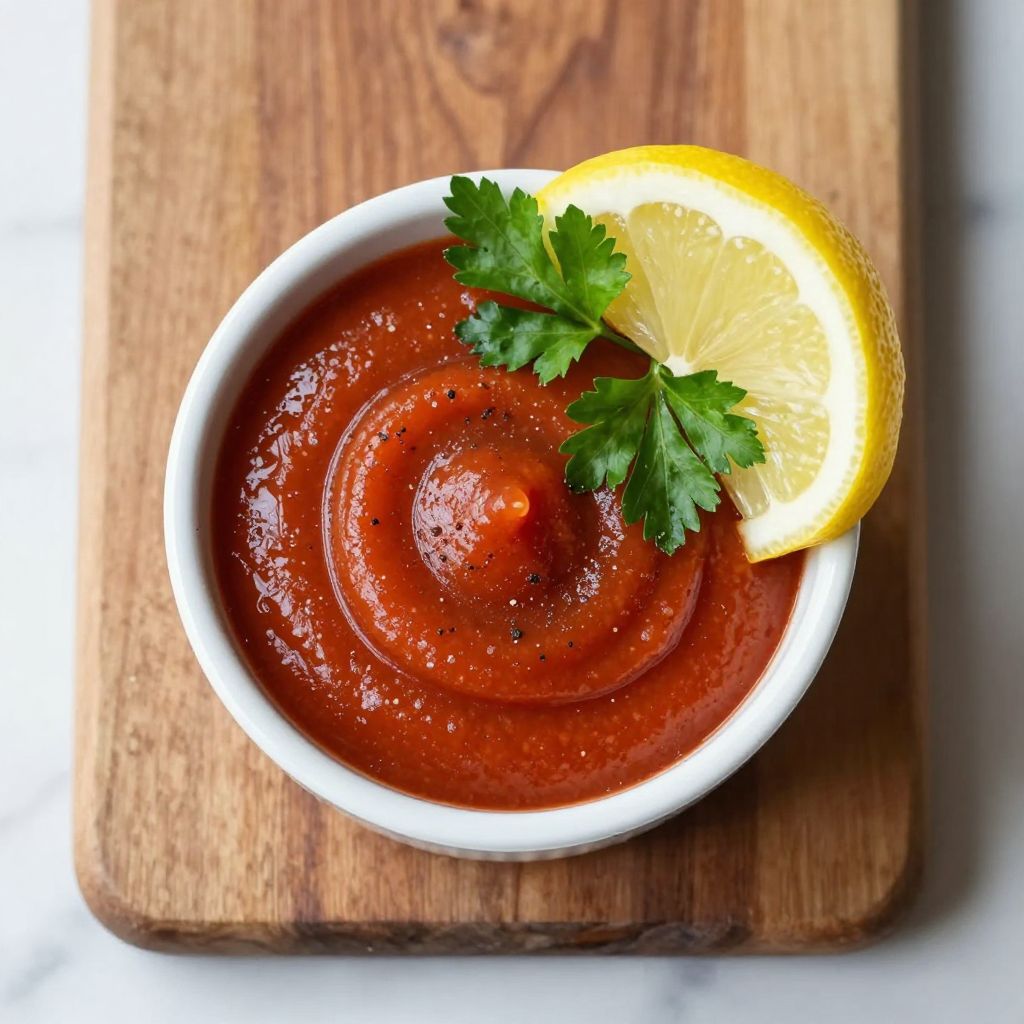
The finished sauce should look completely uniform in color with no streaks or separation. Draw your whisk across the surface and watch it flow back together smoothly.
Step 8: Taste and Adjust Heat Level
Dip a clean spoon into the sauce and taste it. Assess the heat level and decide if you want more horseradish punch.
Cocktail sauce heat is personal, and what clears one person’s sinuses might taste mild to another. This tasting step separates a sauce you made from a sauce you made for your specific audience.
The heat should register in your nose before your tongue. If you taste only tomato sweetness, add horseradish one teaspoon at a time until you feel the characteristic tingle.
Step 9: Balance the Acidity
Taste again and consider whether the sauce needs more brightness. Add lemon juice half a teaspoon at a time if the sauce tastes flat or too sweet.
Proper acidity makes cocktail sauce taste clean and refreshing rather than heavy and cloying. The lemon also helps the sauce cut through the richness of shellfish.
Balanced sauce should make your mouth water slightly after swallowing. If your tongue feels coated or heavy, the sauce needs more acid.
Step 10: Transfer to Serving Bowl or Storage Container
Scrape every bit of sauce into a clean serving bowl for immediate use or an airtight container for storage. Use a rubber spatula to get all the sauce from the mixing bowl.
Transferring to a clean container prevents cross-contamination from the mixing process. An airtight seal protects the volatile horseradish compounds from dissipating.
Your sauce should mound slightly in the center of the bowl rather than spreading flat. This consistency indicates you drained the horseradish properly.
Step 11: Rest for Flavor Development
Cover the sauce and refrigerate for at least 30 minutes before serving if time allows. The sauce is edible immediately but improves with rest.
Resting allows the salt to fully dissolve and the flavors to marry together. The horseradish heat also mellows slightly and integrates with the other ingredients.
Rested sauce tastes rounder and more cohesive than freshly made. You should notice the difference if you saved a small taste from before resting.
Step 12: Final Taste Before Serving
Give the sauce a final stir and taste before serving since flavors can shift during rest. Make any last adjustments to salt, heat, or acid.
Cold temperatures dull flavors slightly, so sauce straight from the refrigerator might taste milder than when you first mixed it. A tiny pinch of salt or splash of lemon often wakes it back up.
The finished sauce should taste bright, tangy, and warm with horseradish that hits your nose before dissipating cleanly. This is your baseline for future batches.
Pro Tip: Add the horseradish last and in stages so you control the heat. You can always add more, but you cannot take it away once it is mixed in.
The Science Behind the Technique
Horseradish heat works differently than chili pepper heat because the compounds attack different receptors. Capsaicin in peppers triggers pain receptors on your tongue while allyl isothiocyanate in horseradish irritates mucous membranes in your nasal passages.
This explains why horseradish heat flares intensely then fades quickly while pepper heat lingers. The volatile compounds evaporate rapidly at room temperature, which is why prepared horseradish loses punch over time and why fresh cocktail sauce tastes so much more alive than jarred.
Chef Note: Keep your prepared horseradish tightly sealed in the coldest part of your refrigerator to preserve its potency as long as possible.
Tips for Getting It Right Every Time
- Drain the horseradish thoroughly to prevent watery sauce that separates on the plate.
- Use fresh lemon juice because bottled juice contains preservatives that create off flavors in such a simple recipe.
- Taste as you go since horseradish potency varies wildly between brands and jars.
- Let it rest for at least 30 minutes when possible because the flavors integrate and mellow beautifully.
- Make it the day before a party so you have one less thing to prepare when guests arrive.
- Stir before serving since the sauce may separate slightly during refrigeration.
Mistakes That Will Ruin Your Dish
- Using old horseradish produces flat, lifeless sauce with no kick because the volatile compounds have dissipated.
- Skipping the draining step results in thin, watery sauce that pools around your shrimp instead of clinging to them.
- Adding too much hot sauce creates pepper heat that masks the characteristic horseradish burn and changes the entire flavor profile.
- Forgetting to taste means serving sauce that might be too mild or too intense for your audience.
- Making it weeks ahead wastes effort because the horseradish heat fades significantly after the first few days.
Make Ahead and Meal Prep Tips
Cocktail sauce holds beautifully in the refrigerator and actually tastes better after the flavors marry. Make it up to two weeks ahead for parties or meal prep.
- Full sauce can be made up to two weeks ahead and stored in an airtight container in the refrigerator, though the horseradish punch will gradually mellow after day five.
- Horseradish can be drained and measured into a small container the day before, ready to add to ketchup when you need it.
- Lemon juice can be squeezed up to three days ahead and stored covered in the refrigerator without significant flavor loss.
- Batch prep works well by doubling or tripling the recipe for gatherings since it stores so successfully.
What to Serve With Cocktail Sauce
This sauce shines brightest with cold seafood appetizers but works surprisingly well with other foods too. Think beyond the shrimp ring to find new uses.
- Chilled shrimp is the classic pairing where the cold, sweet shellfish meets the tangy, spicy sauce perfectly.
- Raw oysters get a nice kick from a small dollop that complements their briny flavor without overwhelming.
- Fried calamari benefits from the sauce’s acidity which cuts through the richness of the fried coating.
- Crab cakes pair beautifully since the sauce adds brightness to the sweet crab meat.
- French fries might sound odd but the tangy sauce makes an excellent alternative to ketchup for adventurous eaters.
Drink Pairings
A crisp, dry Sauvignon Blanc with bright acidity complements both the seafood and the tangy sauce without fighting the horseradish heat. The wine’s citrus notes echo the lemon in the sauce.
- Wine: Sauvignon Blanc, Muscadet, or dry Riesling all provide crisp acidity that cleanses the palate between bites.
- Beer: A pilsner or light lager refreshes without competing, while a wheat beer adds complementary citrus notes.
- Non-alcoholic: Sparkling water with lemon keeps things light, or try a virgin Bloody Mary to echo the tomato and horseradish themes.
- Hot drink: Not typically paired with cocktail sauce, though hot green tea works surprisingly well if you are serving Asian-style shrimp preparations.
Flavour Variations Worth Trying
- Extra Hot: Double the horseradish and add a pinch of cayenne for a sauce that really clears sinuses. The heat becomes more aggressive and lingers longer.
- Smoky: Replace regular hot sauce with chipotle sauce and add half a teaspoon of smoked paprika. The sauce takes on a deeper, more complex warmth.
- Asian Inspired: Swap Worcestershire for soy sauce and add a teaspoon of grated fresh ginger. The profile shifts toward lighter, brighter flavors.
- Bloody Mary Style: Add celery salt, extra Worcestershire, and a splash of pickle juice. The sauce tastes like a deconstructed cocktail.
- Remoulade Hybrid: Stir in a tablespoon of mayonnaise and some minced capers. The texture becomes creamier and the flavor more complex.
How to Adapt This Recipe for Your Diet
- Gluten free: Verify your Worcestershire sauce is gluten free since some brands contain malt vinegar. The rest of the ingredients are naturally gluten free.
- Dairy free: This recipe contains no dairy and requires no modifications.
- Vegan: Use vegan Worcestershire sauce that omits anchovies. Annie’s and Wizard’s both make versions without fish.
- Low carb and keto: Substitute sugar free ketchup to reduce carbs significantly. The flavor changes slightly but remains enjoyable.
- High protein: The sauce itself is not a protein source, but pair it with plenty of shrimp to boost the meal’s protein content.
How to Store and Reheat
In the Refrigerator
Store cocktail sauce in an airtight glass or plastic container in the main body of the refrigerator. It keeps well for up to two weeks.
- Glass containers prevent the sauce from staining and do not absorb odors from other foods.
- Push a piece of plastic wrap directly onto the surface before sealing to minimize air exposure and preserve horseradish potency.
In the Freezer
Cocktail sauce can be frozen but the texture suffers slightly upon thawing. Freeze for up to three months if necessary.
- Freeze in ice cube trays for portion control then transfer cubes to a freezer bag.
- Thaw overnight in the refrigerator and stir well before serving since separation is likely.
Reheating
Cocktail sauce is served cold and requires no reheating. Simply remove from the refrigerator and stir before serving.
- Oven: Not applicable since this is a cold condiment.
- Stovetop: Not applicable since heating diminishes the horseradish punch.
- Microwave: Not recommended since heat destroys the volatile compounds that give cocktail sauce its signature kick.
Cost Breakdown
Making cocktail sauce at home costs a fraction of buying premium jarred versions. A batch this size runs about two dollars total compared to five or more for a comparable jar.
| Ingredient | Estimated Cost |
|---|---|
| Ketchup (1 cup) | $0.60 |
| Prepared horseradish (2 tbsp) | $0.75 |
| Lemon juice (1 tbsp) | $0.25 |
| Worcestershire sauce (1 tsp) | $0.10 |
| Hot sauce (1/2 tsp) | $0.05 |
| Salt and pepper | $0.05 |
| Total Per Serving | $0.23 |
Nutrition Information
| Nutrient | Amount |
|---|---|
| Calories | 25 |
| Total Fat | 0g |
| Saturated Fat | 0g |
| Trans Fat | 0g |
| Cholesterol | 0mg |
| Sodium | 280mg |
| Total Carbohydrates | 6g |
| Dietary Fiber | 0g |
| Total Sugars | 5g |
| Added Sugars | 4g |
| Protein | 0g |
| Vitamin D | 0mcg |
| Calcium | 5mg |
| Iron | 0.2mg |
| Potassium | 60mg |
Nutritional values are estimates based on typical ingredients and may vary depending on specific brands and portion sizes used.
Frequently Asked Questions
Can I use fresh horseradish root instead of prepared?
Yes, but grate it finely and start with half the amount since fresh root packs more punch. Add white vinegar to approximate the prepared version’s tang.
How far ahead can I make cocktail sauce?
Make it up to two weeks ahead, though the horseradish heat mellows noticeably after five days. For maximum punch, make it the day before serving.
How long does homemade cocktail sauce last?
Properly stored in an airtight container, it lasts two weeks in the refrigerator. The flavor remains good throughout, but the heat gradually fades.
Why does my cocktail sauce taste too sweet?
Add more lemon juice and horseradish to balance the ketchup’s sugar. Some ketchup brands run sweeter than others, so taste and adjust accordingly.
Can I double or triple this recipe?
Absolutely, the recipe scales perfectly. Just multiply all ingredients by the same factor and taste carefully before serving.
Why does my sauce seem runny?
You likely skipped draining the horseradish thoroughly. You can fix watery sauce by adding a bit more ketchup and letting it rest uncovered in the refrigerator for an hour.
Is cocktail sauce the same as chili sauce?
No, chili sauce typically contains onions and peppers with a chunkier texture. Cocktail sauce is smooth and gets its heat from horseradish rather than peppers.
My Final Word
This cocktail sauce recipe delivers that perfect balance of sweet, tangy, and sinus clearing heat that makes shrimp cocktail worth eating. The five minute investment pays off every single time you set it on the table.
I have made this sauce dozens of times now, tweaking and testing until the proportions work for just about everyone. Trust the recipe, but do not be afraid to adjust the horseradish to match your crowd.
Give this a try at your next gathering and let me know how it goes. Drop a comment below or tag me on social media because I love seeing what you create in your kitchen.
Homemade Cocktail Sauce
Ingredients
Equipment
Method
- Measure 1 cup of ketchup into a small mixing bowl using a dry measuring cup and level the top for accuracy.
- Drain the prepared horseradish by pressing it gently against a fine mesh strainer or the side of the jar with a fork. Let excess liquid drain for 30 seconds before measuring.
- Add 2 tablespoons of drained horseradish to the ketchup in the bowl.
- Cut the lemon in half crosswise and juice it over a small bowl to catch seeds. Measure 1 tablespoon of fresh juice.
- Add the lemon juice, 1 teaspoon Worcestershire sauce, and 1/2 teaspoon hot sauce to the bowl with the ketchup and horseradish.
- Sprinkle 1/4 teaspoon salt and 1/8 teaspoon freshly ground black pepper over the surface.
- Use a whisk or fork to stir the mixture in circular motions for 30 to 45 seconds until completely smooth and uniform in color.
- Taste the sauce and adjust the heat level by adding more horseradish one teaspoon at a time if desired.
- Taste again and add more lemon juice half a teaspoon at a time if the sauce tastes flat or too sweet.
- Transfer to a clean serving bowl or airtight container for storage.
- Cover and refrigerate for at least 30 minutes before serving to allow flavors to meld (optional but recommended).
- Give the sauce a final stir and taste before serving, making any last adjustments to salt, heat, or acid as needed.