Carajillo is the Spanish coffee cocktail that proves two ingredients can outperform a dozen. This bold espresso and liqueur drink takes under five minutes to make and delivers the kind of sophisticated, warming finish that closes a dinner party on a high note.
Whether you need an afternoon pick me up or a dessert replacement that actually satisfies, this recipe has earned its place in my regular rotation. Let me show you how to make it right.
What Makes This Recipe Worth Your Time
A carajillo delivers maximum impact with minimal effort, and that ratio alone makes it worth mastering. You get a genuine cocktail experience without a bar cart full of bottles or a complicated technique.
- Two main ingredients means you can make this on any weeknight without a trip to a specialty store.
- The drink comes together in under three minutes from start to first sip.
- No special equipment required beyond a way to make espresso and a glass to serve it in.
- It works as a dessert replacement that feels indulgent without the heaviness of cake or pie.
- The caffeine and alcohol balance creates a smooth, alert energy rather than a jittery crash.
A Little Background on This Dish
The carajillo traces its roots to Cuba during Spanish colonial rule, where soldiers added rum to their coffee for courage before battle. The name likely derives from the Spanish word for courage, coraje, though some food historians dispute this origin story.
Modern carajillos took off in Spain and Mexico, where Licor 43, a vanilla and citrus Spanish liqueur, became the standard pairing. The Mexican version often arrives flamed tableside, which looks impressive but adds nothing to the flavour and risks burning off the alcohol you paid for.
My Experience With This Recipe
I first had a proper carajillo at a tiny restaurant in Mexico City about eight years ago, and the waiter made it tableside with so much confidence I assumed it required culinary school training. When I got home and looked up the recipe, I laughed at how simple it actually was.
My early attempts taught me that espresso temperature matters more than I expected. I kept serving lukewarm drinks because I was letting the espresso sit while I measured the liqueur, and the whole thing fell flat within sixty seconds of hitting the glass.
The first time I nailed the timing, my wife asked if we could skip the dessert course at dinner parties permanently. The caramelized vanilla aroma that rose from those glasses told me I had finally cracked it.
Before You Start: Key Things to Know
This recipe suits complete beginners who can operate an espresso machine or stovetop moka pot. The only real challenge is timing the pour so everything stays hot.
- Difficulty level: Beginner friendly with zero advanced techniques required.
- Active time versus passive time: All three minutes are active with no waiting periods.
- Most important equipment: A way to pull a proper espresso shot or strong concentrated coffee.
- Step requiring most attention: The pour must happen immediately while the espresso is still hot.
Recipe at a Glance
- Recipe Name: Carajillo
- Yield: 1 serving
- Prep Time: 1 minute
- Cook Time: 2 minutes
- Total Time: 3 minutes
- Difficulty: Beginner
- Course: After Dinner Drink, Cocktail
- Cuisine: Spanish, Mexican
- Calories per Serving: 150
How to Source the Best Ingredients
With only two main ingredients, quality becomes everything. A mediocre espresso or bottom shelf liqueur will give you a mediocre drink, full stop.
- Espresso beans: Choose a medium to dark roast with chocolate or nutty notes that complement vanilla. Avoid overly acidic light roasts.
- Licor 43: Accept no substitutes for your first attempt. The yellow Spanish liqueur with 43 botanicals defines the classic carajillo flavour.
- Ice: Use large, clear cubes that melt slowly if making the chilled Mexican version. Cloudy ice melts faster and dilutes the drink.
- Citrus: If adding a lemon twist garnish, choose organic lemons with bright yellow, unblemished skin and strong fragrance when scratched.
Ingredients for Carajillo
- 1.5 oz Licor 43 (45 ml)
- 1 shot espresso, freshly pulled (about 1 oz or 30 ml)
- 3 to 4 ice cubes, large format preferred (for Mexican style)
- 1 lemon twist for garnish (optional)
Smart Substitutions and Swaps
- Licor 43: This vanilla citrus liqueur provides the signature sweetness and botanical complexity. Substitute Galliano for a more anise forward profile, or use Tuaca for a brandy based alternative with vanilla and citrus notes.
- Espresso: The concentrated coffee provides body, bitterness, and caffeine. A moka pot produces acceptable results, or use 2 oz of very strong French press coffee as a last resort, knowing the drink will be slightly thinner.
- Ice: Large cubes slow dilution and keep the drink cold longer. Silicone molds make clear ice at home, or use the largest cubes your freezer tray produces.
- Lemon twist: The citrus oil adds aromatic brightness. Orange peel works as an alternative and pairs well with the vanilla notes.
- Decaf espresso: For an evening drink without the caffeine, use quality decaf beans. The flavour remains nearly identical with properly roasted decaf.
Tools and Equipment You Will Need
Gathering your tools before you start ensures the espresso stays hot throughout the brief assembly process. Missing a jigger while your shot cools ruins the drink.
- Espresso machine or moka pot (the quality of your coffee maker directly determines the quality of your carajillo)
- Jigger or measuring shot glass (precision matters when balancing two bold flavours)
- Rocks glass or small snifter (a clear glass shows off the layering)
- Vegetable peeler or paring knife for citrus twist
- Ice cube tray with large format molds
How to Make Carajillo
Read through all the steps before starting and have your glass, ice, and measured liqueur ready. The espresso must go from machine to glass within seconds to preserve its temperature and crema.
Step 1: Chill Your Glass
Place your rocks glass in the freezer for at least five minutes before starting. A chilled glass keeps the drink at optimal temperature longer and creates a professional presentation.
Cold glass prevents the ice from melting too quickly on contact, which would dilute your carefully measured ratios. The frosted appearance also signals to your guests that you take the details seriously.
The glass is ready when condensation forms on the outside within seconds of removing it from the freezer.
Step 2: Measure the Licor 43
Pour exactly 1.5 ounces of Licor 43 into your jigger. Precision matters here because too much liqueur overwhelms the espresso and too little leaves the drink harsh and unbalanced.
Measuring ensures consistency every time you make this drink. Eyeballing leads to a different cocktail with every pour, and you will never replicate your best version.
The liqueur should appear bright golden yellow with good clarity and a noticeable vanilla aroma.
Step 3: Add Ice to the Glass
Remove your chilled glass from the freezer and add three to four large ice cubes. Position them so they create a stable base that will not tip when you pour.
Large ice cubes melt more slowly because they have less surface area relative to their volume. This keeps your drink cold without watering it down in the first few minutes.
You should hear a satisfying crack as the ice meets the frozen glass surface.
Step 4: Pour the Licor 43 Over Ice
Pour the measured Licor 43 directly over the ice cubes, aiming for the center of the ice stack. Let it settle for a few seconds while you prepare the espresso.
Pouring over ice rather than into an empty glass allows the liqueur to chill immediately. This step also lets the alcohol open up slightly, releasing more aromatic compounds.
The liqueur should coat the ice and pool at the bottom of the glass with a syrupy consistency.
Step 5: Pull Your Espresso Shot
Start your espresso machine and pull a fresh shot directly into a small warmed cup or shot glass. Use a medium to dark roast with 18 to 20 grams of ground coffee for a double shot that you will use half of.
Freshness is everything with espresso. A shot begins degrading within ten seconds of pulling, so you must move quickly from this step to the pour.
Look for a consistent hazelnut brown stream with a thick layer of crema on top that holds for at least thirty seconds.
Step 6: Float the Espresso
Hold a bar spoon or regular spoon upside down over the glass, just touching the surface of the liqueur. Pour the hot espresso slowly over the back of the spoon.
The spoon disperses the espresso gently, allowing it to float on top of the denser liqueur and create a layered presentation. Pouring too fast breaks the surface tension and mixes everything instantly.
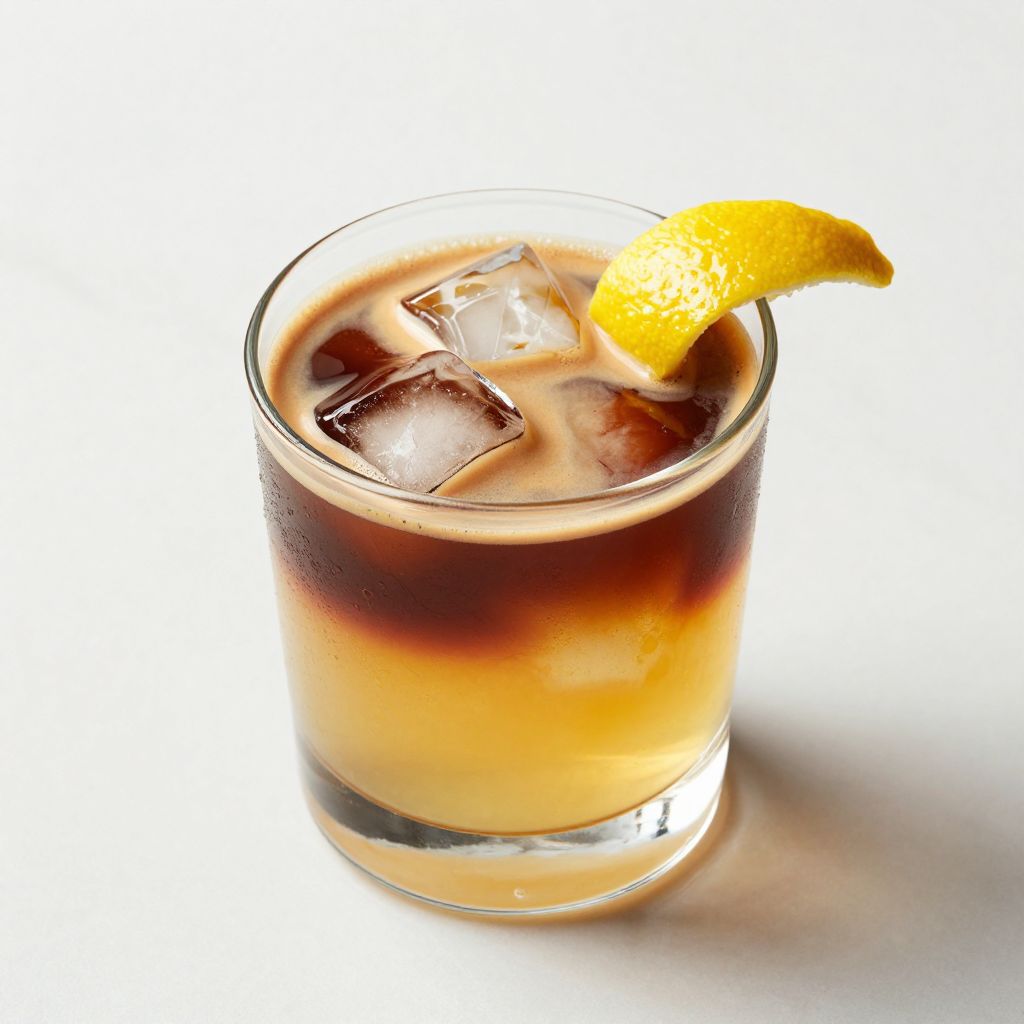
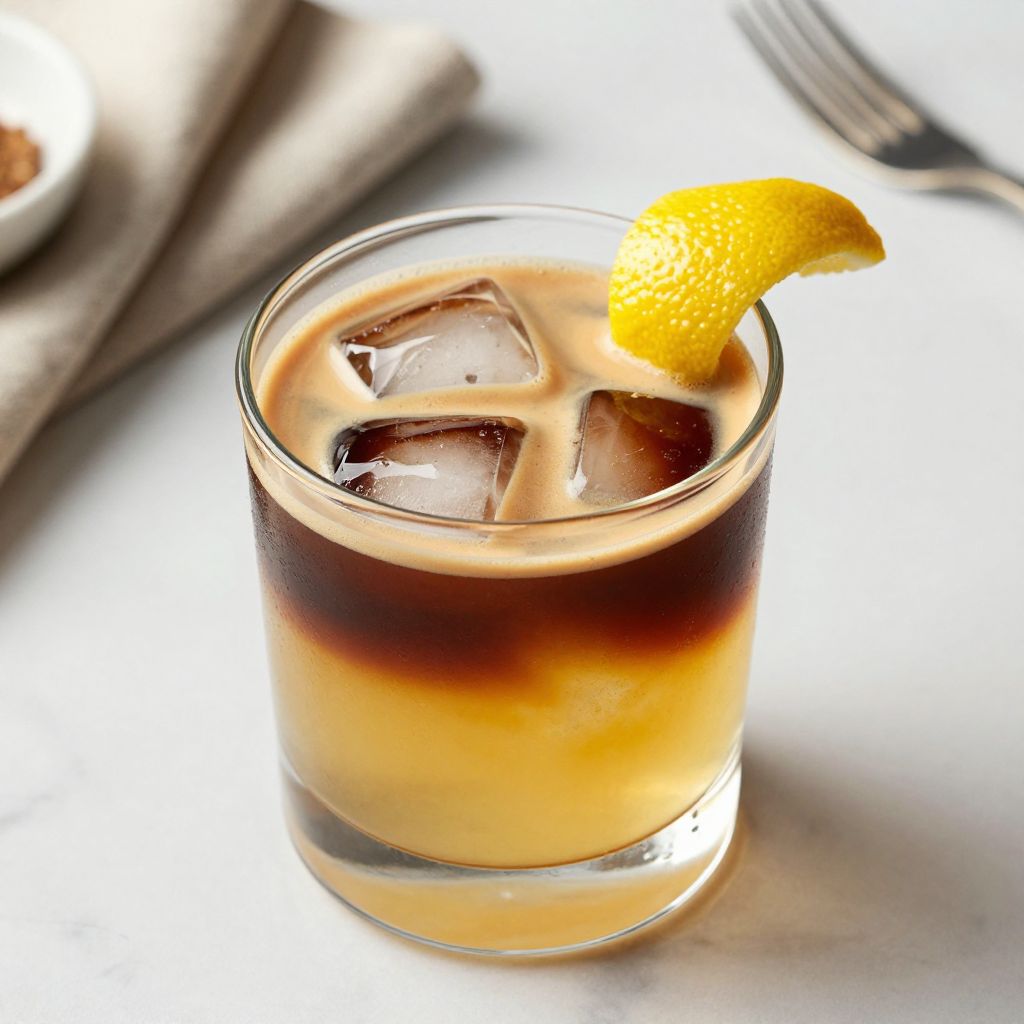
You should see a distinct dark layer forming on top of the golden liqueur beneath.
Step 7: Observe the Layer
Take a moment to admire the two tone presentation before serving. The espresso should sit cleanly on top of the Licor 43 with minimal mixing at the boundary.
This layered effect is not just visual. It allows the drinker to experience the bitter coffee first, then the sweet liqueur, then a blended middle as the drink naturally combines.
If your layers mixed completely, the drink still tastes fine but you poured too aggressively.
Step 8: Prepare the Garnish
Use a vegetable peeler to cut a thin strip of lemon peel about two inches long. Avoid the white pith, which adds bitterness.
The oils in citrus peel contain aromatic compounds that complement both coffee and vanilla. Expressing these oils over the drink adds a layer of complexity you cannot achieve any other way.
A properly cut twist should be thin enough to curl naturally but sturdy enough to hold its shape.
Step 9: Express the Oils
Hold the lemon twist over the drink, colored side facing down. Pinch it firmly between your thumb and forefinger, bending it to spray the oils across the surface.
The citrus oils land on the espresso layer and create an aromatic bridge between the bitter coffee and sweet liqueur. This step transforms a two ingredient drink into something genuinely complex.
You should see a fine mist of oil droplets on the drink surface if you are doing it correctly.
Step 10: Serve Immediately
Drop the lemon twist into the glass or rest it on the rim, then serve the carajillo immediately. Tell your guest to drink it within five minutes while the temperature contrast between hot espresso and cold liqueur remains dramatic.
Delay ruins this drink faster than almost any other cocktail. The ice melts, the espresso cools, and the layers merge into a lukewarm, watery mess within ten minutes.
The first sip should deliver a rush of bitter coffee followed by sweet, warming vanilla as the liquid moves across the tongue.
Pro Tip: Pull your espresso shot last, after everything else is ready. Every second the espresso sits exposed to air degrades its crema and temperature, turning your carajillo from spectacular to ordinary.
The Science Behind the Technique
The layering in a carajillo works because of density differences between the two liquids. Licor 43 has a higher sugar content and therefore a higher density, causing it to sink below the espresso, which is mostly water.
Temperature also plays a role. Hot espresso is less dense than cold espresso because heat causes liquid molecules to spread apart. This amplifies the density difference and makes layering easier when using freshly pulled shots over chilled liqueur.
Chef Note: If your layers refuse to separate, your liqueur may be too warm or your pour too aggressive. Chill the Licor 43 for ten minutes and try again with a slower pour.
Tips for Getting It Right Every Time
- Chill your Licor 43 in the refrigerator for maximum density difference and cleaner layers.
- Use fresh espresso beans ground within two weeks of roasting for the best crema and flavour.
- Warm your espresso cup before pulling the shot to keep the coffee hot during the brief pour.
- Practice the spoon technique with water before wasting good espresso on failed layers.
- Clean your espresso machine regularly because rancid oil buildup adds off flavours that ruin any coffee drink.
- Serve in a clear glass so your guests can appreciate the layered presentation you worked to create.
Mistakes That Will Ruin Your Dish
- Letting the espresso sit before pouring causes it to cool and lose its crema, resulting in a flat, tepid drink.
- Using weak coffee instead of true espresso produces a watery, unbalanced cocktail with no body.
- Over measuring the liqueur creates a cloyingly sweet drink that masks the coffee entirely.
- Skipping the ice in the Mexican version means your drink warms too quickly and becomes unpleasant within minutes.
- Using old espresso beans that have lost their oils produces a stale, cardboard taste that no amount of liqueur can hide.
Make Ahead and Meal Prep Tips
A carajillo must be made fresh and cannot be batched ahead without significant quality loss. However, you can prepare components to speed up service when entertaining.
- Ice cubes: Make large format ice cubes up to two weeks ahead and store in a sealed container to prevent freezer odours from absorbing.
- Lemon twists: Cut your twists up to four hours before serving and store in a damp paper towel inside a sealed bag in the refrigerator.
- Espresso grounds: Pre measure your coffee doses into small containers so you can load and pull shots quickly when guests arrive.
- Glasses: Chill your serving glasses overnight so they are ready when you need them without last minute freezer juggling.
What to Serve With Carajillo
A carajillo works best as an after dinner drink served in place of or alongside a small dessert. The combination of caffeine and alcohol creates a satisfying end to a meal without heaviness.
- Dark chocolate truffles: The bitterness of high cacao chocolate echoes the espresso while the sweetness matches the Licor 43.
- Biscotti: Crunchy almond cookies provide textural contrast and are traditionally designed for dipping in coffee drinks.
- Churros: The Mexican pairing of fried dough with carajillo creates a nostalgic combination that guests always love.
- Fresh berries: Light, tart fruit cleanses the palate between sips without competing with the drink’s flavours.
- Aged cheese: A small wedge of manchego complements the Spanish origins and adds a savoury note to the sweet drink.
Drink Pairings
If you want to serve a carajillo alongside other beverages during a dinner party, sparkling water is the best companion. The carbonation cleanses the palate and the neutrality lets each sip of carajillo taste fresh.
- Wine pairing: A small glass of Pedro Ximénez sherry served before the carajillo transitions the palate from dinner wine to coffee cocktail.
- Beer pairing: An imperial stout with coffee notes served earlier in the meal prepares guests for the coffee flavours to come.
- Non alcoholic pairing: A simple espresso served an hour before the carajillo satisfies caffeine cravings without doubling the alcohol.
- Hot drink pairing: A small cup of chamomile tea served after the carajillo helps guests wind down if the evening runs late.
Flavour Variations Worth Trying
- Spiced carajillo: Add a small pinch of ground cinnamon to the espresso before pouring. The warm spice amplifies the vanilla notes in the Licor 43 and adds a subtle heat.
- Coconut carajillo: Replace Licor 43 with coconut rum and a splash of cream of coconut. This creates a tropical twist that works surprisingly well with dark roast espresso.
- Salted carajillo: Add a tiny pinch of flaky sea salt to the finished drink. The salt suppresses bitterness and makes the sweet vanilla pop more dramatically.
- Orange carajillo: Use an orange twist instead of lemon and add a dash of orange bitters. The citrus combination creates a more complex, perfumed aroma.
- Mezcal carajillo: Replace half the Licor 43 with mezcal for a smoky, Oaxacan version. The smoke and vanilla combination creates an unexpectedly harmonious result.
How to Adapt This Recipe for Your Diet
- Gluten free: This recipe is naturally gluten free. Licor 43 contains no gluten despite its complex botanical blend, and espresso is inherently safe.
- Dairy free: No dairy appears in a traditional carajillo. Avoid cream based variations and this drink fits any dairy free lifestyle.
- Vegan: All ingredients are plant based. Some liqueurs use animal products for filtering, but Licor 43 is confirmed vegan by the manufacturer.
- Low carb: Licor 43 contains about 11 grams of sugar per serving. Reduce the liqueur to 1 ounce and accept a boozier, less sweet result that cuts carbs by a third.
- High protein: Add a splash of protein enriched oat milk after layering for a creamier drink that adds about 3 grams of protein per serving.
How to Store and Reheat
In the Refrigerator
A made carajillo cannot be stored. The ice melts, the layers merge, and the espresso goes stale within thirty minutes of assembly.
- If you must pause, keep the measured Licor 43 in a sealed container in the refrigerator for up to one week.
- Never refrigerate pulled espresso. Make it fresh or do not make it at all.
In the Freezer
Carajillos do not freeze well due to the alcohol content preventing proper solidification and the espresso losing all character when thawed.
- Freeze extra ice cubes in large format molds so you always have proper ice ready.
- Store your Licor 43 bottle in the freezer for extra cold pours, as the alcohol content prevents it from freezing solid.
Reheating
Reheating a carajillo is not recommended because the delicate balance of temperatures and layers cannot be recreated once disrupted.
- Oven reheating: Not applicable for this beverage.
- Stovetop reheating: Not applicable for this beverage.
- Microwave reheating: Never microwave a carajillo. Make a fresh one instead; it only takes three minutes.
Cost Breakdown
Making carajillos at home costs a fraction of bar prices, where this drink routinely sells for twelve to eighteen dollars. A bottle of Licor 43 makes roughly seventeen servings, dropping your per drink cost dramatically.
| Ingredient | Estimated Cost |
|---|---|
| Licor 43 (1.5 oz) | $1.50 |
| Espresso (1 shot) | $0.35 |
| Ice cubes | $0.05 |
| Lemon (for twist) | $0.15 |
| Total Per Serving | $2.05 |
Nutrition Information
| Nutrient | Amount |
|---|---|
| Calories | 150 |
| Total Fat | 0g |
| Saturated Fat | 0g |
| Trans Fat | 0g |
| Cholesterol | 0mg |
| Sodium | 5mg |
| Total Carbohydrates | 15g |
| Dietary Fiber | 0g |
| Total Sugars | 14g |
| Added Sugars | 14g |
| Protein | 0g |
| Vitamin D | 0mcg |
| Calcium | 2mg |
| Iron | 0mg |
| Potassium | 50mg |
Nutritional values are estimates based on standard ingredients and may vary depending on specific brands and portion sizes used.
Frequently Asked Questions
Can I use a different liqueur instead of Licor 43?
Galliano or Tuaca work as substitutes, though each changes the flavour profile noticeably. Licor 43’s unique blend of vanilla, citrus, and botanicals defines the classic carajillo taste.
Can I make carajillos ahead for a party?
No, each carajillo must be made fresh and served immediately. Pre batch the measured liqueur portions and chill glasses, but pull espresso only when ready to serve.
How long does a carajillo stay good after making?
A carajillo tastes best within the first five minutes. After ten minutes, the ice dilutes the drink and the espresso loses its aromatic qualities.
Why did my layers not separate?
You likely poured the espresso too quickly or your liqueur was too warm. Chill the Licor 43 and use the back of a spoon to break the pour into a gentle stream.
Can I double this recipe to make two at once?
Make each carajillo individually for best results. If you must serve multiple guests simultaneously, recruit a helper to pull shots while you pour.
Do I have to use the ice for a traditional carajillo?
The Spanish version is often served without ice, while the Mexican version always includes it. Both are correct, so choose based on your preference for temperature and dilution.
Can I flame the carajillo like they do at restaurants?
Flaming looks dramatic but burns off alcohol and adds no flavour benefit. Skip the fire and focus on proper layering and fresh espresso instead.
My Final Word
A well made carajillo proves that simplicity and sophistication are not opposites. That moment when bitter espresso meets sweet vanilla over cold ice is one of my favourite sensory experiences in the cocktail world.
I have made this drink dozens of times while testing ratios and techniques, and the version above is the one I keep coming back to. Trust the process, pull your espresso fresh, and you will nail it.
I would love to hear how your carajillo turns out. Drop a comment below or tag Recipe Papa on social media with your creations.
Carajillo
Ingredients
Equipment
Method
- Place your rocks glass in the freezer for at least 5 minutes before starting to chill it properly.
- Pour exactly 1.5 ounces of Licor 43 into your jigger.
- Remove your chilled glass from the freezer and add 3 to 4 large ice cubes.
- Pour the measured Licor 43 directly over the ice cubes, aiming for the center of the ice stack. Let it settle for a few seconds.
- Pull a fresh espresso shot using 18 to 20 grams of ground coffee. Work quickly as the shot begins degrading within 10 seconds.
- Hold a bar spoon upside down over the glass, just touching the surface of the liqueur. Pour the hot espresso slowly over the back of the spoon to create a layered effect.
- Use a vegetable peeler to cut a thin strip of lemon peel about 2 inches long, avoiding the white pith.
- Hold the lemon twist over the drink with the colored side facing down. Pinch firmly to express the oils across the surface.
- Drop the lemon twist into the glass or rest it on the rim. Serve immediately and drink within 5 minutes for best results.