
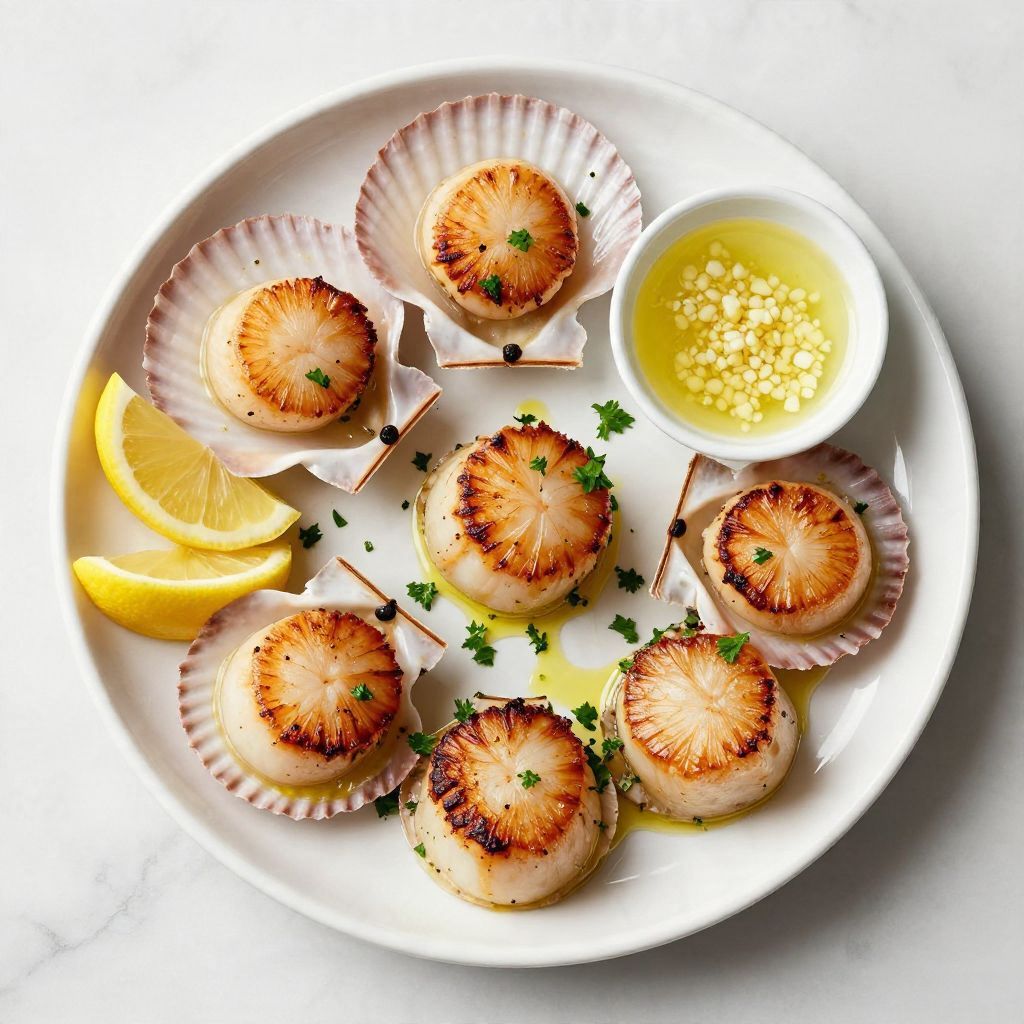
Picture this: tender bay scallops searing in a hot pan, their sweet aroma filling your kitchen. This recipe is a delightful way to showcase these little gems of the sea, perfect for a quick dinner or an impressive appetizer that will have everyone asking for more.
With a few simple ingredients and a quick cooking time, this dish brings together an exquisite balance of flavors and textures. The scallops deliver a buttery, melt-in-your-mouth experience that pairs beautifully with a hint of lemon and fresh herbs.
Why You’ll Love This Recipe
This bay scallops recipe is a must-try for anyone who loves seafood.
- Quick to prepare, making it perfect for busy weeknights or special occasions.
- Delivers a restaurant-quality experience right at home.
- Versatile enough to pair with various sides and sauces.
- Light and healthy, yet satisfying enough to impress your guests.
My Experience Making This Recipe
When I first made this recipe, I was amazed at how quickly everything came together. The scallops seared beautifully, creating a lovely golden crust that was simply irresistible.
Everyone at the table couldn’t stop raving about the flavors, and I felt like a culinary rock star. The excitement of sharing this dish with loved ones made the experience even more special.
Recipe Overview
- Recipe Name: Bay Scallops
- Servings: 4
- Prep Time: 10 minutes
- Cook Time: 5 minutes
- Total Time: 15 minutes
- Course: Main Dish
- Cuisine: Seafood
- Calories per Serving: 200
Equipment You Will Need
- Large skillet
- Spatula
- Measuring spoons
- Serving plate
- Paper towels
Ingredients for Bay Scallops
- 1 pound bay scallops
- 2 tablespoons olive oil
- 2 tablespoons unsalted butter
- 2 cloves garlic, minced
- 1 tablespoon fresh lemon juice
- Salt and pepper to taste
- Fresh parsley, chopped (for garnish)
Ingredient Notes and Substitutions
- Bay scallops: These are small and tender, perfect for quick cooking. You can substitute with sea scallops, but adjust cooking time as they are larger.
- Olive oil: Adds a rich flavor and helps with searing. Avocado oil can be used as an alternative.
- Unsalted butter: Provides a creamy richness. You can use margarine for a dairy-free option.
- Garlic: Adds depth to the dish. Shallots can be a milder substitute.
- Fresh lemon juice: Brightens the flavors. Bottled lemon juice can work in a pinch, but fresh is best.
How to Make Bay Scallops
Step 1: Prepare the Scallops
Rinse the scallops under cold water and pat them dry with paper towels. Drying ensures they sear nicely instead of steaming.
Step 2: Heat the Skillet
Place a large skillet over medium-high heat and add the olive oil. Heating the oil properly will create a beautiful sear on the scallops.
Step 3: Sear the Scallops
Add the scallops to the hot skillet in a single layer. Avoid overcrowding to ensure they cook evenly and achieve that golden crust.
Step 4: Cook for 2 Minutes
Let the scallops cook for about 2 minutes without moving them. This allows that delightful caramelization to happen.
Step 5: Flip the Scallops
Carefully flip the scallops using a spatula and cook for another 1-2 minutes. They should be opaque and slightly firm to the touch.
Step 6: Add Garlic and Butter
Lower the heat and add the butter and minced garlic to the skillet. This will infuse the scallops with a rich, savory flavor.
Step 7: Finish with Lemon Juice
Pour in the fresh lemon juice and stir gently to coat the scallops. This brightens the dish, enhancing the overall flavor.
Step 8: Serve Immediately
Transfer the scallops to a serving plate and garnish with chopped parsley. Serving them right away ensures they remain tender and delicious.
Pro Tip: Make sure your scallops are completely dry before cooking for a perfect sear.
Tips for the Best Bay Scallops
- Use fresh scallops for the best flavor and texture.
- Don’t overcrowd the pan; cook in batches if needed.
- Let the scallops rest for a minute after cooking to retain moisture.
- Experiment with different herbs like thyme or dill for added flavor.
- Adjust the cooking time based on the size of the scallops.
Common Mistakes to Avoid
- Not drying the scallops: This leads to steaming instead of searing.
- Cooking at too low a temperature: The scallops won’t brown properly.
- Overcooking: This makes them tough and rubbery.
- Not using enough fat: This can result in sticking and uneven cooking.
- Skipping the rest period: This helps keep them juicy.
Serving Suggestions
These bay scallops shine on their own but pair wonderfully with a variety of sides.
- Serve over pasta with a light cream sauce.
- Pair with a fresh salad for a light meal.
- Serve alongside garlic bread for a comforting touch.
- Complement with a side of sautéed vegetables.
- Top with a light drizzle of balsamic glaze for added flavor.
Variations to Try
- Add a splash of white wine for a richer sauce.
- Incorporate diced tomatoes for a fresh twist.
- Try a spicy kick with red pepper flakes.
- Mix in some capers for a briny flavor.
- Serve in tacos for a fun seafood twist.
Dietary Adaptations
- Gluten-Free: This recipe is naturally gluten-free.
- Dairy-Free: Use olive oil instead of butter for a dairy-free option.
- Vegan/Vegetarian: Substitute scallops with mushrooms or tofu.
- Low-Carb/Keto: This dish is low in carbs, perfect for keto diets.
Storage and Reheating
Refrigerator
Store any leftovers in an airtight container in the fridge. They will last for up to 2 days.
- Ensure they are cooled before sealing.
- Reheating in a skillet helps keep them tender.
Freezer
Freezing is not recommended as scallops can become rubbery. If necessary, store in a freezer-safe container for up to 1 month.
- Thaw in the refrigerator before reheating.
- Avoid refreezing thawed scallops.
Reheating
Reheat gently in a skillet over low heat. This ensures they don’t overcook.
- Add a little olive oil or butter to prevent sticking.
- Heat until just warmed through.
Nutrition Information
| Nutrient | Amount |
|---|---|
| Calories | 200 |
| Total Fat | 12g |
| Saturated Fat | 4g |
| Carbohydrates | 1g |
| Fiber | 0g |
| Sugar | 0g |
| Protein | 22g |
| Sodium | 500mg |
| Cholesterol | 60mg |
This nutritional information is an estimate and may vary based on the specific ingredients used.
Frequently Asked Questions
Can I use frozen scallops for this recipe?
Yes, but be sure to thaw them completely and pat dry before cooking.
What can I substitute for garlic?
You can use garlic powder or shallots for a milder flavor.
How do I know when scallops are done cooking?
They should be opaque and firm to the touch, usually taking about 3-4 minutes in total.
Can I prepare this dish ahead of time?
While best served fresh, you can prep ingredients in advance and cook just before serving.
What if my scallops are tough?
This usually means they were overcooked; ensure you keep an eye on them while cooking.
Final Thoughts
Cooking bay scallops can be a delightful experience with this simple recipe. I hope you give it a try and enjoy the wonderful flavors that unfold.
For more seafood inspiration, check out my shrimp scampi recipe or whip up a quick shrimp sauce recipe to accompany your scallops.
Bay Scallops
Ingredients
Equipment
Method
- Rinse the scallops under cold water and pat them dry with paper towels.
- Place a large skillet over medium-high heat and add the olive oil.
- Add the scallops to the hot skillet in a single layer.
- Let the scallops cook for about 2 minutes without moving them.
- Carefully flip the scallops using a spatula and cook for another 1-2 minutes.
- Lower the heat and add the butter and minced garlic to the skillet.
- Pour in the fresh lemon juice and stir gently to coat the scallops.
- Transfer the scallops to a serving plate and garnish with chopped parsley.