There’s something incredibly refreshing about a glass of homemade tomato juice, especially on a hot summer day. This recipe for tomato juice is not just delicious; it’s a versatile drink that can be enjoyed straight from the glass or used as a base for cocktails like Bloody Marys.
Why You’ll Love This Recipe
This homemade tomato juice is bursting with flavor and can easily be customized to your taste.
- Fresh ingredients make all the difference.
- Easy to prepare with minimal effort.
- Perfect for breakfast or a savory snack.
- Can be adjusted for sweetness or spiciness.
- Great for meal prep and can be stored for later use.
My Experience Making This Recipe
Making tomato juice at home has become a cherished ritual for me. The smell of ripe tomatoes simmering on the stove brings back memories of summer harvests and family gatherings.
Each batch turns out vibrant and full of flavor, and I can’t help but feel a sense of accomplishment as I pour it into a glass. Friends and family are always impressed when I serve it, and I love sharing this simple yet delightful drink with them.
Recipe Overview
- Recipe Name: Tomato Juice
- Servings: 4
- Prep Time: 10 minutes
- Cook Time: 30 minutes
- Total Time: 40 minutes
- Course: Beverage
- Cuisine: American
- Calories per Serving: 50
Equipment You Will Need
- Large pot
- Blender or food processor
- Strainer or cheesecloth
- Measuring cups and spoons
- Storage jars or bottles
Ingredients for Tomato Juice
- 6 cups ripe tomatoes, chopped
- 1 tablespoon lemon juice
- 1 teaspoon salt
- 1/2 teaspoon black pepper
- 1 teaspoon sugar (optional)
- 1/4 teaspoon cayenne pepper (optional)
Ingredient Notes and Substitutions
- Tomatoes: The heart of this recipe, fresh tomatoes add natural sweetness and flavor. Canned tomatoes can be a substitute in a pinch.
- Lemon juice: Adds brightness and helps preserve color. Lime juice works well too.
- Salt: Enhances the overall flavor. Use sea salt or kosher salt as alternatives.
- Black pepper: Adds a mild heat; feel free to adjust to your preference. White pepper can be used for a subtle flavor.
- Sugar: Balances acidity; omit if using sweeter tomatoes. Honey or agave syrup can be alternatives.
- Cayenne pepper: Provides a spicy kick. For less heat, you can leave it out or use paprika instead.
How to Make Tomato Juice
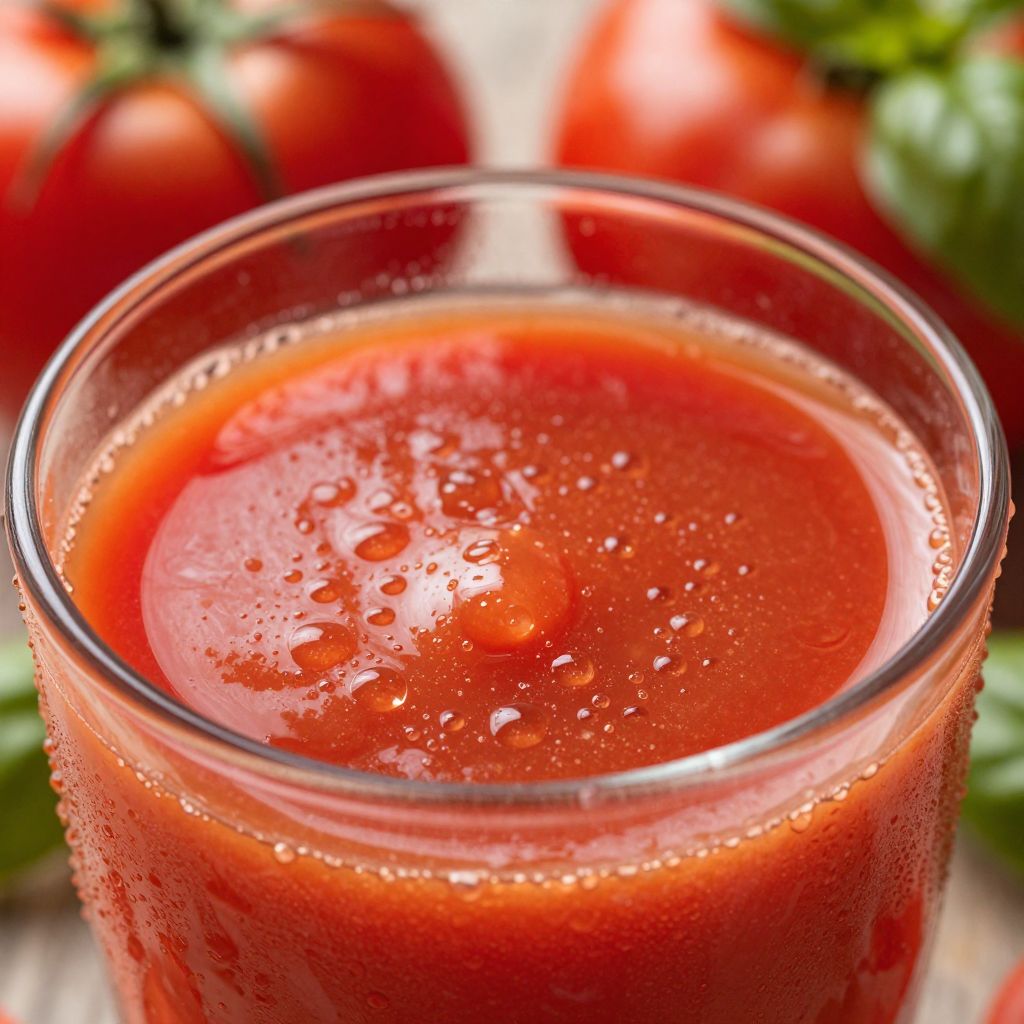
Step 1: Prepare the Tomatoes
Begin by washing the tomatoes thoroughly. This ensures that any dirt or pesticide residue is removed before cooking.
Step 2: Chop the Tomatoes
Cut the tomatoes into quarters. This increases surface area and helps them break down more easily during cooking.
Step 3: Cook the Tomatoes
Transfer the chopped tomatoes to a large pot and heat over medium heat. Cooking releases the juices, creating a flavorful base for your juice.
Step 4: Simmer
Let the tomatoes simmer for about 20 minutes, stirring occasionally. This allows the flavors to deepen and the tomatoes to soften.
Step 5: Blend the Mixture
Once the tomatoes are soft, carefully transfer them to a blender. Blending creates a smooth texture, which is key for a great juice.
Step 6: Strain the Juice
Pour the blended mixture through a strainer or cheesecloth into a large bowl or pitcher. This removes the seeds and skins, resulting in a silky juice.
Step 7: Season the Juice
Add lemon juice, salt, black pepper, and any optional ingredients. Adjust the seasoning to your taste; this is where you can make it your own.
Step 8: Store or Serve
Pour the juice into storage jars or enjoy it immediately. If storing, let it cool before sealing, and refrigerate for up to a week.
Pro Tip: For an extra layer of flavor, roast the tomatoes before blending; this adds a delicious depth to your juice.
Tips for the Best Tomato Juice
- Use ripe, in-season tomatoes for the best flavor.
- Don’t skip the straining step; it makes a smoother juice.
- Experiment with herbs like basil or oregano for added flavor.
- Chill your juice before serving for a refreshing drink.
- Make a larger batch and freeze portions for later use.
Common Mistakes to Avoid
- Using unripe tomatoes: This results in a bland juice. Always opt for ripe fruit.
- Skipping the straining process: This can lead to a gritty texture. Always strain for smoothness.
- Not seasoning adequately: A lack of seasoning can make the juice taste flat. Be generous with spices and herbs.
- Overcooking the tomatoes: This can make the juice taste cooked rather than fresh. Keep an eye on the simmer time.
Serving Suggestions
This refreshing tomato juice can be enjoyed in various ways. Pair it with your favorite snacks or meals.
- Serve with a sprinkle of fresh herbs.
- Use as a base for cocktails.
- Pair with grilled cheese sandwiches.
- Enjoy with a side of spicy snacks.
- Mix with vegetable juice for a nutrient boost.
Variations to Try
- Add a splash of hot sauce for a spicy kick.
- Mix in fresh herbs like basil or cilantro for a unique twist.
- Incorporate other vegetables like carrots or celery for added nutrition.
- Use flavored salts, like garlic or onion salt, for extra depth.
- Try a splash of vinegar for tanginess.
Dietary Adaptations
- Gluten-free: This recipe is naturally gluten-free.
- Dairy-free: No dairy is used, making it suitable for all diets.
- Vegan/Vegetarian: Perfect for plant-based diets.
- Low-carb/Keto: This juice is low in carbohydrates, making it keto-friendly.
Storage and Reheating
Refrigerator
Store in the refrigerator in an airtight container for up to a week.
- Ensure it’s cooled completely before sealing.
- Give it a good shake before serving.
Freezer
Freeze in portions for longer storage, up to six months.
- Use freezer-safe containers or bags.
- Leave some space for expansion as it freezes.
Reheating
Thaw overnight in the refrigerator or use the microwave.
- Reheat gently on the stove for the best flavor.
- Stir well before serving to redistribute the flavors.
Nutrition Information
| Nutrient | Amount |
|---|---|
| Calories | 50 |
| Total Fat | 0g |
| Saturated Fat | 0g |
| Carbohydrates | 12g |
| Fiber | 2g |
| Sugar | 5g |
| Protein | 2g |
| Sodium | 450mg |
| Cholesterol | 0mg |
This nutritional information is an estimate and may vary based on ingredient brands and preparation methods.
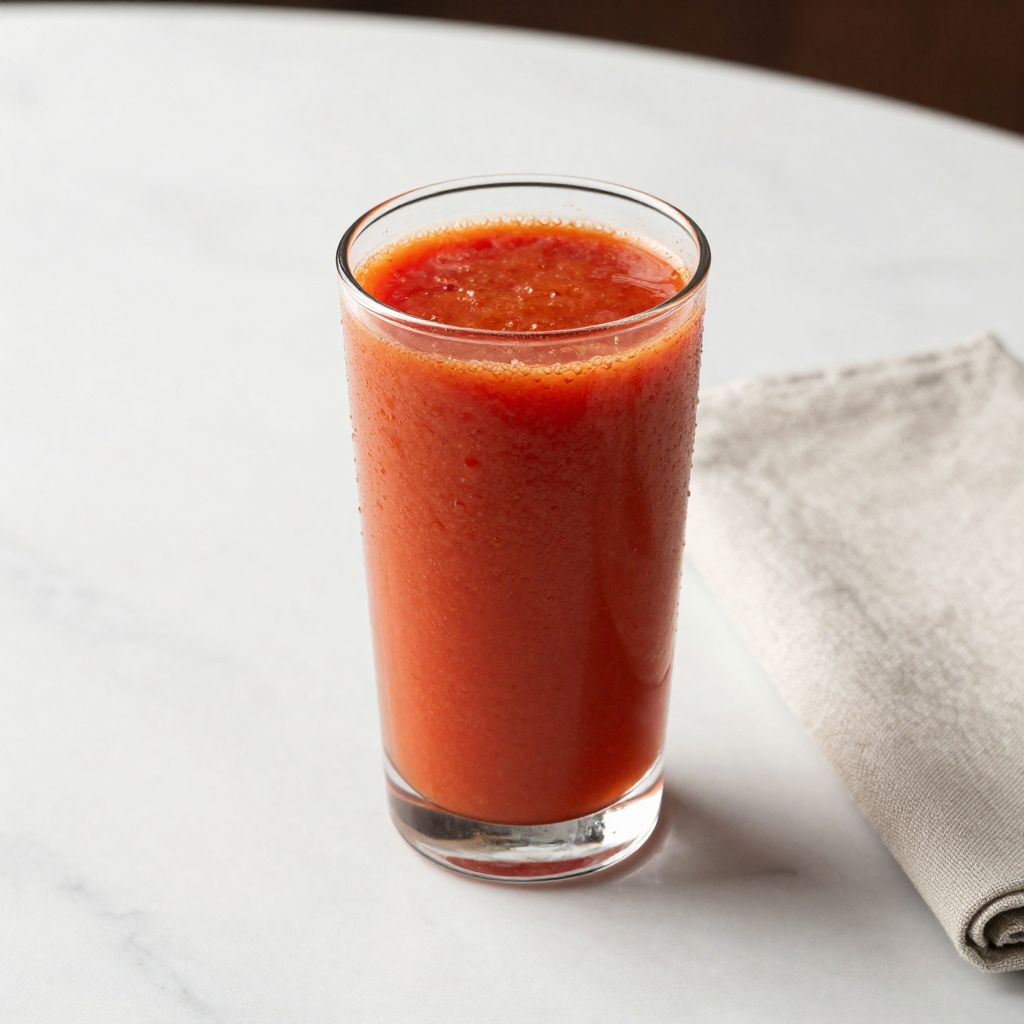
Frequently Asked Questions
Can I use canned tomatoes instead of fresh?
Yes, using canned tomatoes is a convenient alternative, especially during off-seasons.
Can I make this juice ahead of time?
Absolutely! This juice stores well in the fridge for a week or can be frozen for months.
What if my juice is too thick?
If your juice turns out too thick, simply add a bit of water to reach your desired consistency.
Can I add more spices?
Definitely! Feel free to experiment with different spices and herbs to suit your taste.
Is this recipe suitable for kids?
Yes, it’s a healthy option for kids, especially if you adjust the seasoning to their liking.
Final Thoughts
Homemade tomato juice is not just a drink; it’s a burst of flavor and freshness in every sip. I encourage you to give this recipe a try and enjoy the deliciousness of fresh tomatoes.
Explore more delightful recipes, like tomato gravy, to elevate your cooking game!
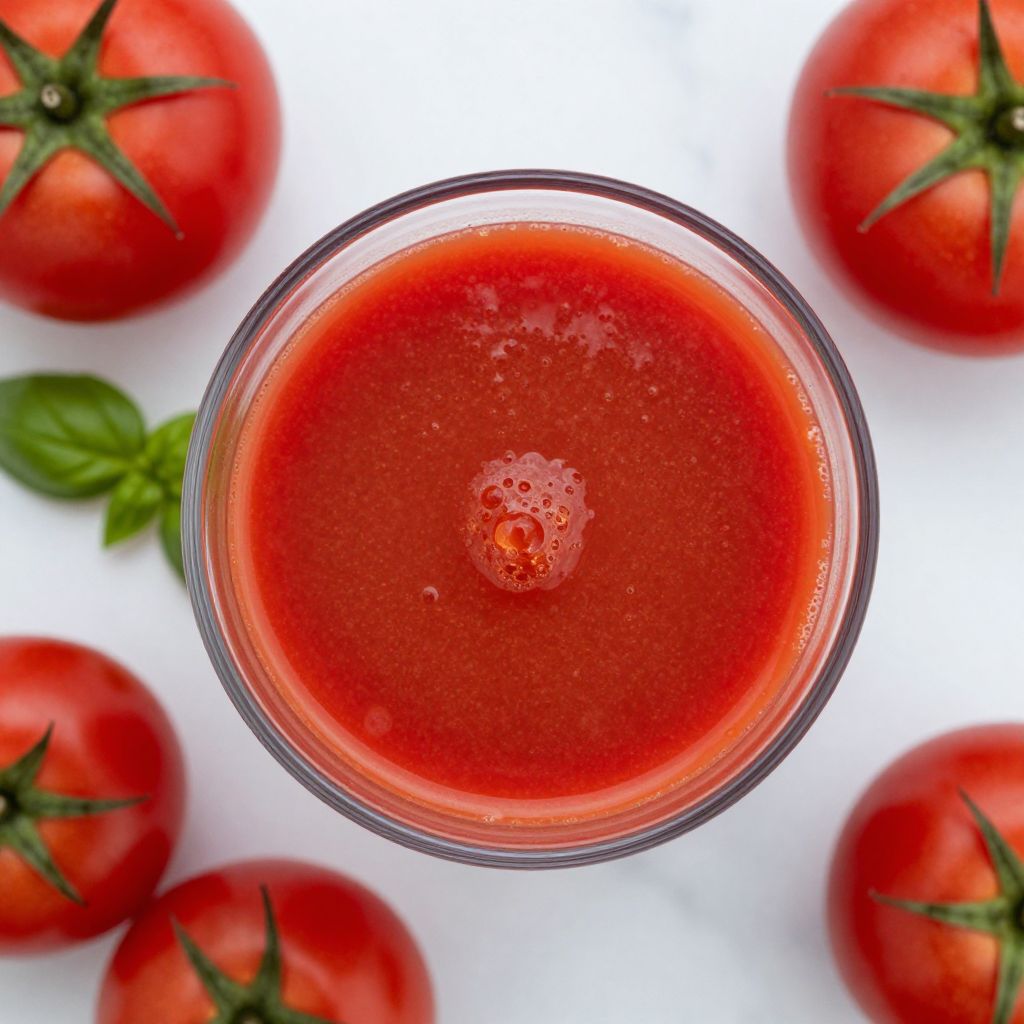
Tomato Juice
Ingredients
Equipment
Method
- Wash the tomatoes thoroughly under running water to remove any dirt or residue.
- Cut the tomatoes into quarters using a sharp knife to increase surface area.
- Place the chopped tomatoes in a large pot and heat over medium heat (about 180°C/350°F).
- Bring to a simmer and cook for 20 minutes, stirring occasionally until the tomatoes are soft.
- Carefully transfer the cooked tomatoes to a blender and blend on high speed until smooth.
- Pour the blended mixture through a strainer or cheesecloth into a large bowl or pitcher to remove seeds and skins.
- Add lemon juice, salt, black pepper, sugar, and cayenne pepper; stir to combine and adjust seasoning to taste.
- Let the juice cool to room temperature, then pour into storage jars or bottles and refrigerate for up to one week or serve immediately.